

Plant Science Research Weekly: February 13, 2026
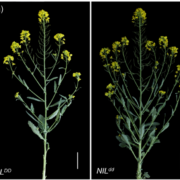
WWR Full PostReview: More is better, the importance of plasmodesmata in C4 photosynthesis
Plant (and many algal) cells facilitate cell-to-cell movement through specialized regulated pores called plasmodesmata that connect neighboring cells, and there is a rich literature in how plasmodesmata regulate intercellular…
Plant Direct Spotlights 2025 First Authors (Second Edition)
Blog, Community, Plant Direct: Author ProfilesText: Behind manuscripts are researchers, professors, professionals and students dedicated to advancing the field of plant science. You’ve seen our First Authors on Twitter and Facebook— now, read more about why they chose to pursue plant sciences and click on the links below the pictures to read…

Plant Physiology Spotlights June, July, and August 2025 First Authors
Blog, Community, Plant Physiology: Author ProfilesBehind the Plant Physiology manuscripts are researchers, professors, professionals and students dedicated to advancing the field of plant science. You’ve seen our First Authors on Bluesky, Facebook, and Twitter — now, read more about why they chose to pursue plant sciences and click on the links…
The Plant Cell Features May, June, and July 2025 First Authors
Blog, Community, The Plant Cell: Author ProfilesBehind the manuscripts are researchers, professors, professionals and students dedicated to advancing the field of plant science. You’ve seen our First Authors on Bluesky, Twitter and Facebook— now, read more about why they chose to pursue plant sciences and click on the links to read their articles.
Haofeng…
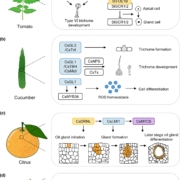
Review: Epidermis-derived secretory structures
Plant Science Research WeeklyI’d never thought about the fact that there are two distinct types of epidermal-derived secretory structures, both mainly involved in stress responses and defense. Glandular trichomes (GTs) are well known structures that protrude outwards, but they are joined by subcutaneous secretory cavities (SCs)…
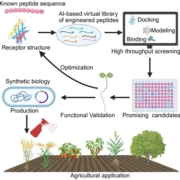
Commentary. Peptide-based biostimulants in sustainable agriculture: opportunities and innovations
Plant Science Research WeeklyNaturally occurring biostimulants have emerged as promising tools for promoting sustainable agriculture and horticulture by enhancing plant performance while reducing reliance on chemical inputs. Among these, peptide-based biostimulants stand out for their high specificity, biodegradability, and overall…
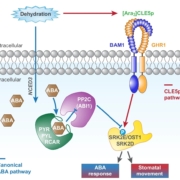
Local CLE peptides promotes rapid, ABA-independent stomatal closure
Plant Science Research WeeklyGuard cells might be some of the most well-characterized plant cells due to their accessibility, their importance in land plant survival, and their easily measured responses. Guard cells respond to several signals including light, CO2, vapor pressure deficit, ROS, and abscisic acid (ABA), which acts…
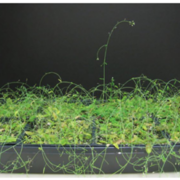
The last one standing: A point mutation that suppresses the lazy quadruple mutant phenotype
Plant Science Research WeeklyGravity is perceived by amyloplast sedimentation in gravity-sensing cells, a process relying on the relocalization of LAZY proteins from the amyloplast to the plasma membrane. Increasing evidence has emerged on this new aspect of gravity sensing, and in this recent publication, Yoshihara and Spalding…
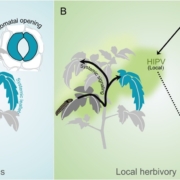
When plants feel the bite: Mechanoperception and systemic defense signaling
Plant Science Research WeeklyPlants may appear silent, yet they can rapidly perceive and respond to environmental challenges. Despite lacking sensory nerve cells like animals, plants rely on mechanoperception to detect stimuli such as touch, wind, and herbivore attack. This framework has led researchers to uncover how mechanical…