
The Plant Cell Features August, September, and October 2025 First Authors
Behind the manuscripts are researchers, professors, professionals and students dedicated to advancing the field of plant science. You’ve seen our First Authors on Bluesky, X and Facebook— now, read more about why they chose to pursue plant sciences and click on the links to read their articles.
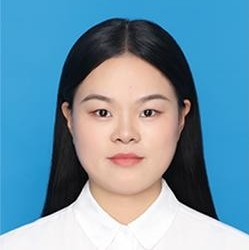 Ning Li
Ning Li (She) is the First Author of Glutathionylation-mediated degradation of a cap-binding protein enhances Arabidopsis resistance to Plutella xylostella published 29 July 2025. Li is a Postdoctoral Researcher at Anhui Agricultural University. Education background includes a 2025 Ph.D Biology at Anhui Agricultural University; 2021 MSc Tea Science at Anhui Agricultural University; 2018 BSc Tea Science at Anhui Agricultural University. Research interests include plant-pest interactions. Personal interests include Hiking and hill walking.
“In 2014, I entered Anhui Agricultural University to study tea science and systematically mastered professional knowledge such as tea tree cultivation and tea processing. After graduating with a bachelor’s degree in 2018, I continued to pursue a master’s degree in tea studies at our university. In 2021, I transferred to the field of biology to pursue a doctoral degree, with a research focus on analyzing the molecular mechanisms of crop pest resistance. I used transcriptomics and proteomics techniques to explore the molecular mechanisms of plant defense against pests. After graduating with a PhD in 2025, I chose to stay at the university to engage in postdoctoral research and continue to delve into the study of crop pest resistance mechanisms, committed to providing a theoretical basis and technical support for the development of green agriculture. Currently, I have participated in and published several relevant research papers in journals such as Journal of Agricultural and Food Chemistry and Nature Communications.”

Tingting Yang
Tingting Yang is the First Author of PRC2 regulates cytokinin and HD-ZIP III pathways to orchestrate vascular tissue pattern formation in Arabidopsis published 08 August 2025.
Yang is a Postdoc at Peking University. Education background includes a 2015-2020 Ph.D at Max Planck Institute for Plant Breeding Research. Research interests include epigenetic. Personal interests include traveling and swimming.
“My fascination with Arabidopsis thaliana began during my Ph.D. studies, when I first learned how this tiny plant could unlock giants of biological knowledge. Initially drawn to its genetic tractability, I soon realized its power as a model to ask profound questions.
During my postdoctoral research in Dr. Yue Zhou’s group at Peking University, I spearheaded epigenetic and chromatin structure in Arabidopsis. Meanwhile, I participate in the project that focus on the Polycomb Repressive Complex 2 (PRC2) and its role in vascular patterning. Under the guidance of Dr. Yue Zhou and Prof. Xinqiang He, we investigated how PRC2-mediated histone methylation coordinates cytokinin signaling and HD-ZIP III pathways to regulate vascular tissue differentiation. Using vascular-specific FIE-knockout mutants, we demonstrated PRC2’s pivotal role in suppressing ectopic vascular proliferation and maintaining developmental plasticity, linking epigenetic regulation to hormone signaling dynamics. These findings advanced our understanding of how epigenetic machinery shapes tissue patterning and provided novel insights into PRC2’s unctions beyond cell fate maintenance.”
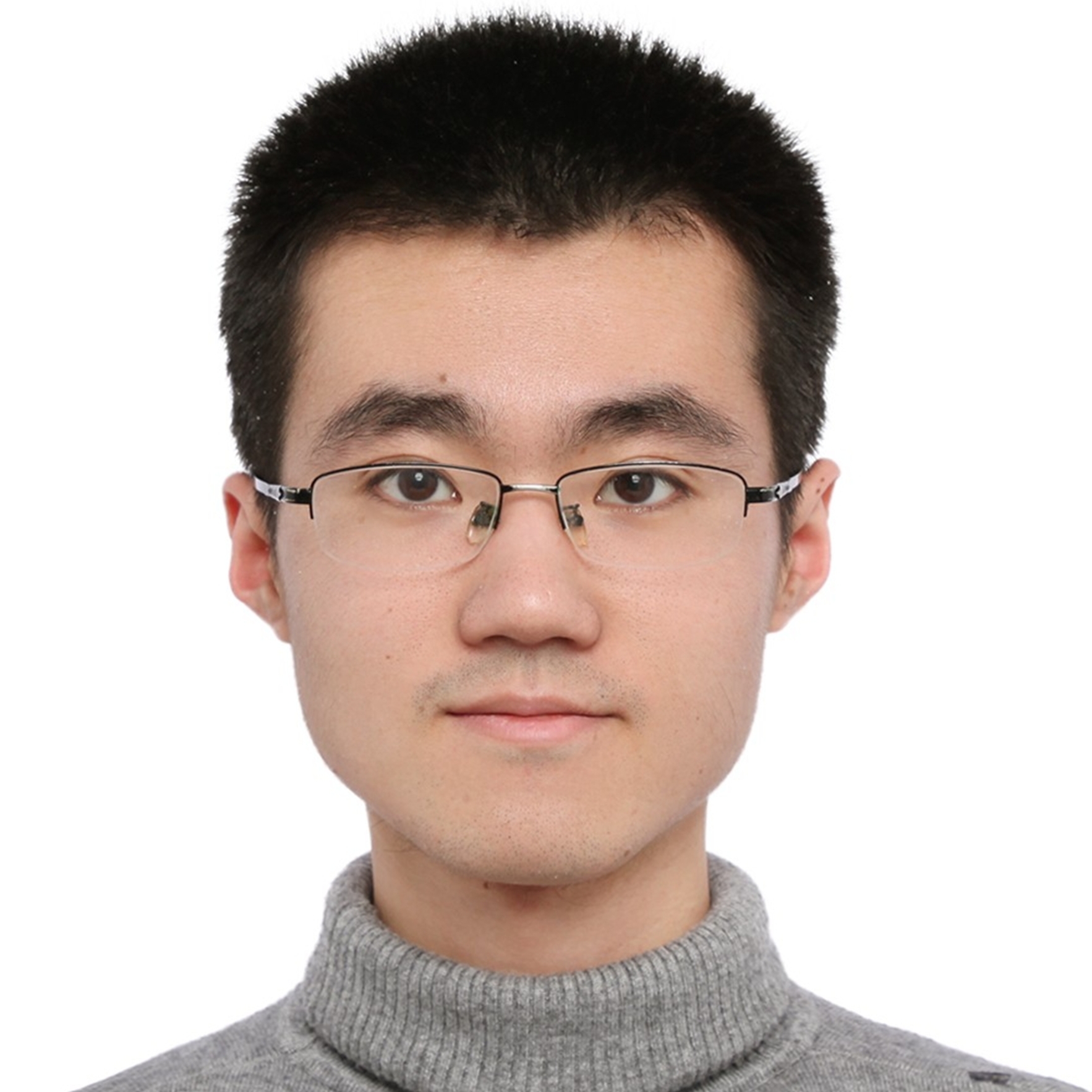
Runzhou Huang
Runzhou Huang (he/him) is the First Author of PRC2 regulates cytokinin and HD-ZIP III pathways to orchestrate vascular tissue pattern formation in Arabidopsis published 08 August 2025. He is an Assistant Engineer at SignalChem Lifesciences Corporation. Education background includes 2024 MPhil Botany at Peking University, 2019 BSc Biological Sciences at Peking University. Research interests include Plant development, Epigenetics. Personal interests include electric guitar and video games.
“My interest in plant science was derived from my naive interest in agriculture. However, I turned out to be fascinated by plant developmental biology, since I observed, with my own eyes, the transdifferentiation from parenchyma cells to tracheary elements in VISUAL system, which happened soon after I joined Prof. Xinqiang He’s lab. Then, by chance, I received a PRC-related mutant from Dr. Yue Zhou, and found an extraordinary abnormality in its vasculature, which finally drove my interest in the role that epigenetic modification plays during vasculature development. I occasionally learnt about CRISPR-TSKO technique when dealing with the difficulty of investigating PRC2, and found it being very helpful. Thanks to Prof. Xinqiang He and Yue Zhou for their guidance throughout this research project, and Dr. Ward Decaestecker and Rafael Andrade Buono who invented CRISPR-TSKO technique. I feel really honored that our work is to be published in The Plant Cell, in which journal CRISPR-TSKO technique was for the first time. Hope that more and more researchers find CRISPR-TSKO technique useful to their research.”
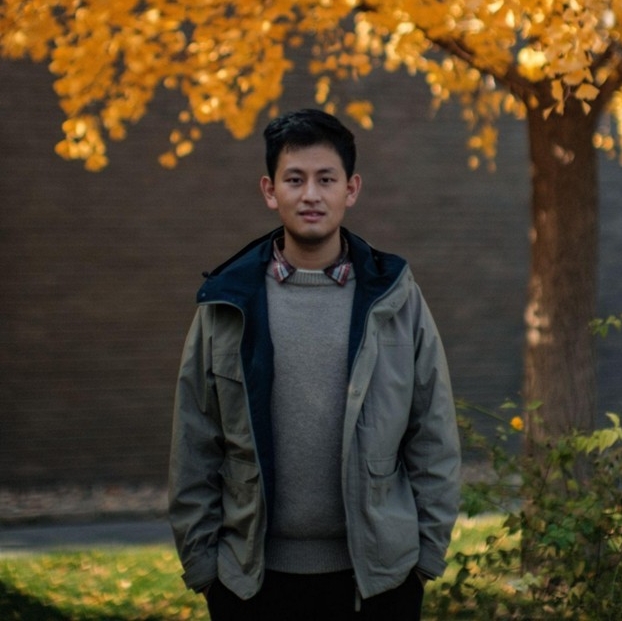 Yufei Zhang
Yufei Zhang (he/his) is the First Author of PRC2 regulates cytokinin and HD-ZIP III pathways to orchestrate vascular tissue pattern formation in Arabidopsis published 08 August 2025. Zhang is a PhD candidate at the School of Life Sciences, Peking University.Education background includes: 2016-2020 BS, China Agriculture University. Research interests include Vascular development, Plant regeneration. Personal interests include Singing, Peking Opera, Piano, Hiking.
“I earned my Bachelor of Science degree in Agriculture from China Agricultural University. Botany was a compulsory course during my undergraduate studies, where I first learned about the structure of plant vascular tissues and developed a strong interest in plant development. After completing my B.S. in 2020, I joined Professor Xinqiang He’s research group at the Peking University School of Life Sciences to pursue my Ph.D. My doctoral research focused on vascular tissue development and regeneration using Arabidopsis thaliana and Populus as model plants. Professor He provided me with significant intellectual inspiration and invaluable guidance throughout this period. One of my research projects involved investigating the role of PcG complexes in vascular tissue development under the guidance of Professors Xinqiang He and Yue Zhou. Working alongside my senior lab member, Runzhou Huang, I gained hands-on experience with CRISPR-TSKO technology. Through this work, I observed that vascular-specific FIE-knockout mutants exhibited aberrant hypocotyl vascular phenotypes. This finding significantly deepened my fascination with epigenetics and plant vascular development.”
Jiabing Wu
Jiabing Wu is the First Author of The Arabidopsis histone methylation reader MRG2 interacts with eIF4A3 to regulate alternative splicing and circadian rhythms published 18 August 2025.
Wu is a Lecturer at Shaoxing University. Education background includes: 2017 Ph.D Biochemistry and Molecular Biology at Fudan University; 2013 BSc Life Sciences at Zhejiang Normal University. Research interests include Plant epigenetic, Cathrin-mediated endocytosis. Personal interests include Running, Music.
“In 2017, I had the privilege of joining Professor Aiwu Dong’s research group at Fudan University. Inspired and guided by Professor Dong, I focused on the molecular mechanism research of epigenetic regulation in plant growth, development, and environmental adaptation.”
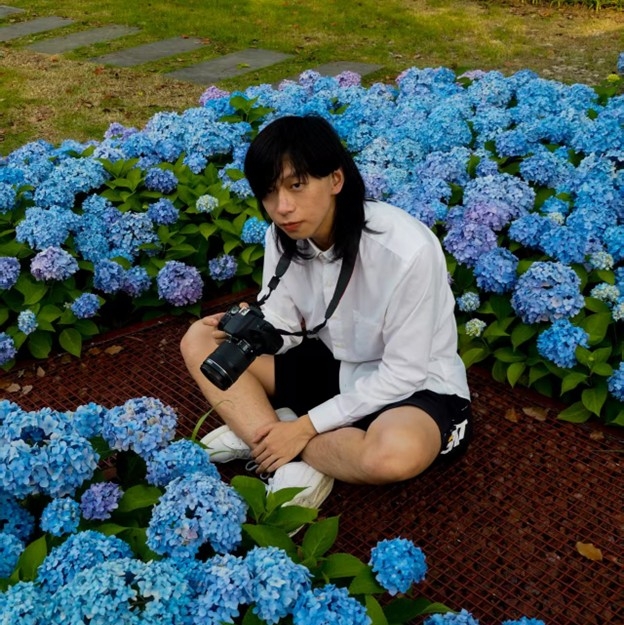
Xiang Li
Xiang Li (he) is the First Author of The Arabidopsis histone methylation reader MRG2 interacts with eIF4A3 to regulate alternative splicing and circadian rhythms published 18 August 2025.
Li is a PhD at Fudan University. Education background includes a 2018 B.S.A Shanghai Jiao Tong University. Research interests include Genetics evolution. Personal interests include badminton, photography, drawing.
“I grew up in a county town in southern China. My grandfather is a local traditional Chinese medicine practitioner. When I was a child, he often took me into the mountains to collect herbs, and along the way, he explained to me the habits and functions of various plants. After that, I fell in love with plant science.”

Yaxue Huang
Yaxue Huang is the First Author of The Arabidopsis histone methylation reader MRG2 interacts with eIF4A3 to regulate alternative splicing and circadian rhythms published 18 August 2025.
Education background includes 2025 PhD in Biochemistry and Molecular Biology, Fudan University; Molecular Biology, Fudan University; 2019 Bachelor’s Degree in Shanxi University. Research interests include Molecular mechanisms. Personal interests include Swimming.
“Plants are cool — silent but solving big problems.”
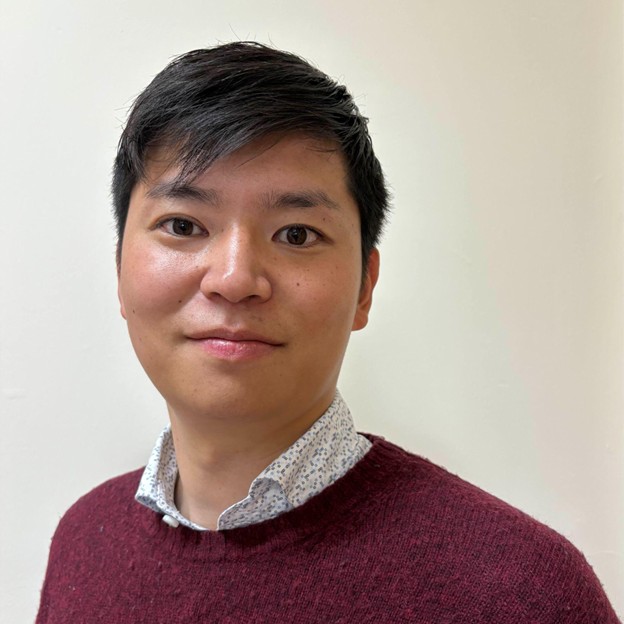
Ryo Tachibana
Ryo Tachibana is the First Author of Dark-inducible BGH2 suppresses GLK transcription factors and maintains plastid homeostasis to promote light adaptation published 22 July 2025.
Tachibana is Post-Doctoral Research Associates, Department of Plant Sciences, University of Cambridge. Education background includes: 2025 PhD in Life Sciences at Kyoto University, 2022 MSc in Life Sciences at Kyoto University, 2016 BSc in Agricultural science at Kyoto University. Research interests include Chloroplast development, Photomorphogenesis, Phytohormone signaling. Personal interests include traveling, Cooking, Swimming, Pokémon.
“It is no exaggeration to say that all life on Earth depends on photosynthesis, and I am fascinated by the challenge of uncovering the mechanisms behind this remarkable process. I am especially interested in how plants can adjust their coloration and physiology in response to environmental cues. In the future, I hope to translate my research findings into applications that benefit agriculture.”
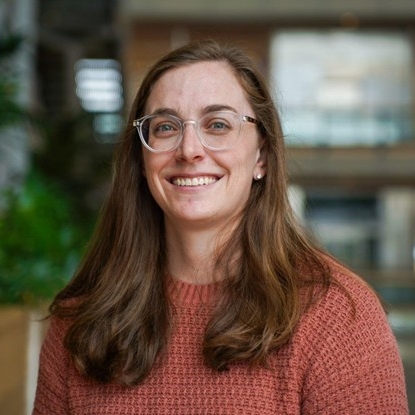
Marianne Kramer
Marianne Kramer (she/her) is the First Author of Identification of a cleaved aberrant RNA associated with the initiation of transgene silencing published 19 September 2025. She is a Lecturer at University of Houston. Education background includes 2020 PhD Cell and Molecular Biology at University of Pennsylvania; 2014 B.S. Biology – Cell and Molecular Concentration. Research interests include RNA biology, post-transcriptional gene regulation, transcriptomics, bioinformatics. Personal interests include baking and decorating cakes, soccer, kickball.
“I was drawn to plant science during graduate school when I learned about the genetic tractability of Arabidopsis. So many essential and early discoveries were performed in plants, and they have a fountain of information to give us about eukaryotic organisms as a whole and gene regulation.”
Xue Jiang
Xue Jiang is the First Author of A plant RNA virus hijacks a membrane-anchored dual-specificity phosphatase to attenuate MAPK-mediated immunity for robust infection published 24 September 2025. Jiang is a PhD student at Northeast Agricultural University.
Educational background includes 2020 BA Northeast Agricultural University;2023 MA Northeast Agricultural University. Research interests include Molecular plant virus, Plant Immunity. Personal interests include watching a ping pong match.
“My mentor has provided me with the most support and encouragement in scientific research.”
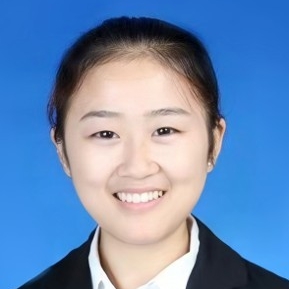 Yameng Luan
Yameng Luan(she) is the First Author of A plant RNA virus hijacks a membrane-anchored dual-specificity phosphatase to attenuate MAPK-mediated immunity for robust infection published 24 September 2025.She is an Agronomist at Institute of Agricultural Biotechnology, Yantai Academy of Agricultural Sciences. Education background includes: 2024 Ph.D Crop Cultivation and Farming System at Northeast Agricultural University; 2019 MAg Plant Pathology at Shandong Agricultural University; 2016 BSc Animal and Plant Quarantine at Shandong Agricultural University. Research interests include Plant antiviral immunity, Wheat breeding. Personal interests include Running, Cooking.
“My doctoral advisor, Professor Xiaofei Cheng of Northeast Agricultural University, provided me with invaluable guidance and inspiration throughout my research journey.“
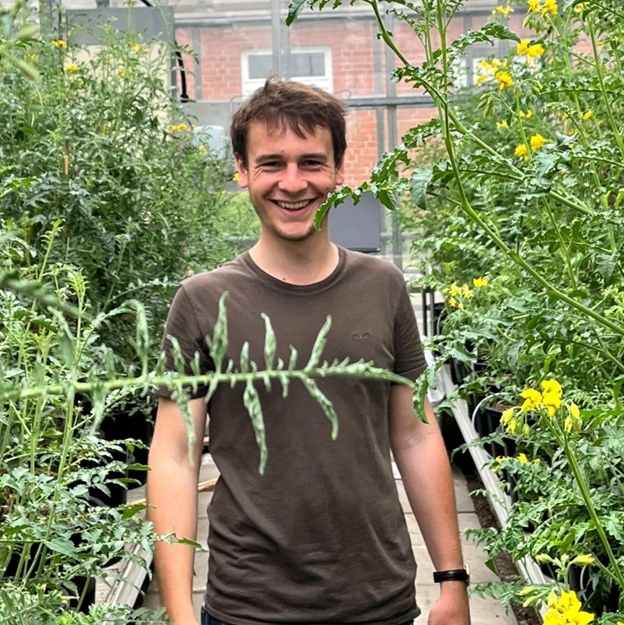
Severin Einspanier
Severin Einspanier (he/him) is the First Author of Co-option of transcription factors drives evolution of quantitative disease resistance against a necrotrophic pathogen published 30 Septmber 2025. He is a PostDoc at Kiel University, Institute of Phytopathology and Plant Protection. Education background includes 2025 Dr. agr. sc. at Kiel University; 2021 MSc in Agriculutral Sciences at Technical University of Munich; 2019 BSc at Technical University of Munich. Research interests include Plant disease resistance, epidemiology, transcriptomics, crop wild relatives, systems science. Personal interests include Gardening, climbing, cycling, playing the cello.
“I’ve been fascinated by plants as long as I can remember. Since childhood, I have loved growing vegetables in the garden, because honestly, what’s more fun than watching plants thrive? During my studies in Munich and Kiel, I learned of the incredible complexity behind agricultural systems and became captivated by the world of plant-microbe interactions. Since then, I’ve been drawn to the diversity of wild plant populations, convinced that they hold valuable insights for the future of farming and sustainability.”
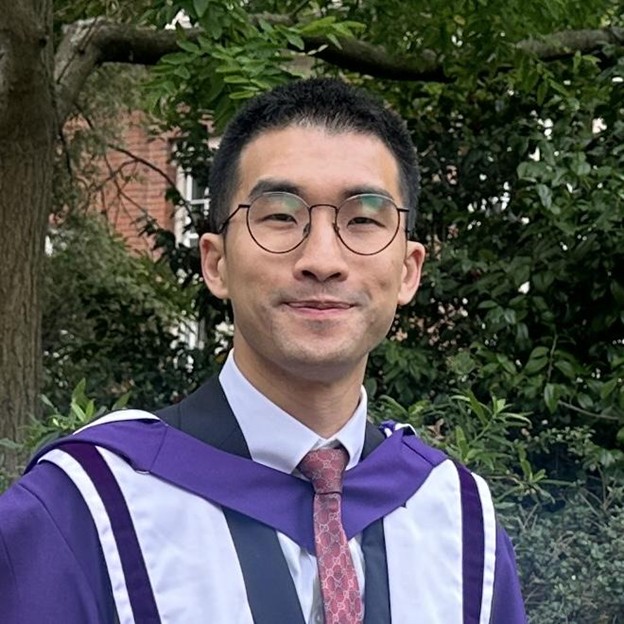
Enoch Lok Him Yuen
Enoch Lok Him Yuen (he/him) is the First Author of Membrane Contact Sites Between Chloroplasts and the Pathogen Interface Underpin Plant Focal Immune Responses published 05 September 2025. He is a Postdoctoral Research Associate at Imperial College London.
Education background includes: 2024 Ph.D. in Life Sciences Research at Imperial College London; 2019 MPhil in Business Management at the University of Cambridge; 2018 BSc in Biological Sciences at Imperial College London. Research interests include Plant immunity, membrane vesicle trafficking. Personal interests include Competitive quizzing, solving puzzles, travelling to exotic places, playing racket sports.
“I first became interested in plant science during my studies in the United Kingdom, where I was fascinated by how plants, though rooted in place, have evolved remarkably sophisticated immune systems to defend themselves. What drew me in was the idea that by uncovering these molecular defenses, we could one day engineer crops with stronger natural immunity, providing sustainable solutions to global food security challenges. I love plant science because it bridges fundamental discovery with real-world impact.
I trained as a Ph.D. student in the laboratory of Dr. Tolga Bozkurt and undertook a research internship in the laboratory of Professor Sophien Kamoun. These experiences shaped the way I approach plant–microbe interactions and taught me to explore molecular mechanisms with both rigor and creativity.
What continues to draw me to plants and science is their resilience and complexity. My projects, ranging from identifying Rab3GAPL as a key regulator at the intersection of autophagy and immunity, to discovering how the effector PiE354 manipulates a central transport regulator, to characterizing NLR immune receptors and revealing how chloroplasts form membrane contact sites with the pathogen interface, have underscored that plants are not passive organisms, but dynamic systems constantly negotiating with their environment. It is this intricate interplay between cellular defense networks and invading microbes that inspires me to keep delving deeper into plant biology.“
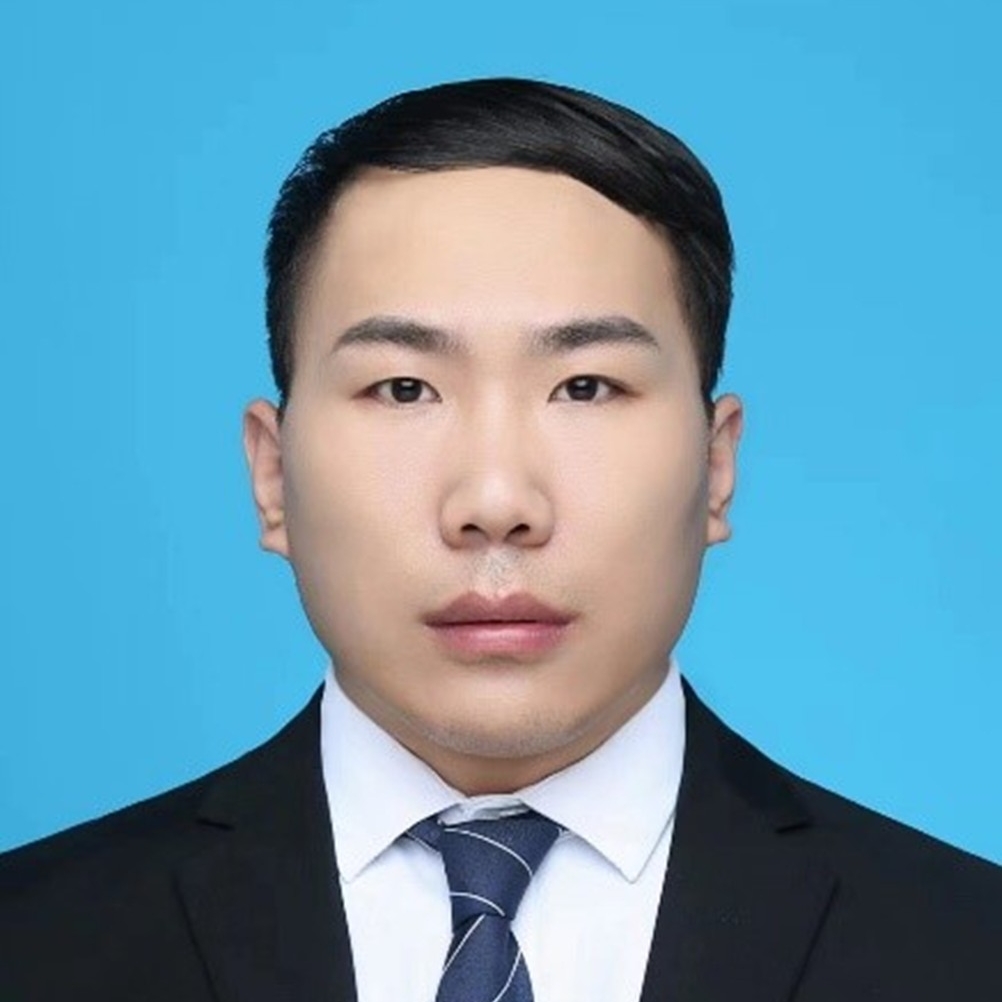
Baolei Li
Baolei Li is the First Author of Warm temperature-induced autophagy mediates selective degradation of TIMING OF CAB EXPRESSION 1 thus promoting plant thermomorphogenesis published 09 September 2025. Li is currently a Postdoctoral. Education background includes 2024 PhD Department of Plant Sciences at China Agricultural University. Research interests include Environmental signals, Plant autophagy, Growth and development. Personal interests include Running, Traveling, Playing games.
“After four years of undergraduate studies, I developed a deep interest in plant biology. In 2018, I joined the research group led by Professor Tonglin Mao and Xiangfeng Wang at the State Key Laboratory of Plant Environmental Resilience in China Agricultural University. During my PhD studies, my research focused on the cellular mechanisms underlying plant thermomorphogenesis. In this work, we uncovered the interplay between autophagy and plant thermomorphogenesis, demonstrating that warm temperature-induced autophagy promotes plant thermomorphogenesis by mediating the selective degradation of TOC1 protein. These findings highlight the critical role of autophagy in plant environmental adaptation.
I am particularly inspired by the phrase “Stay hungry, Stay foolish” from Steve Jobs’ commencement address. Looking ahead, I wish to always follow my heart and intuition, embrace the uncertainties and challenges in scientific exploration, and maintain a beginner’s mindset.“
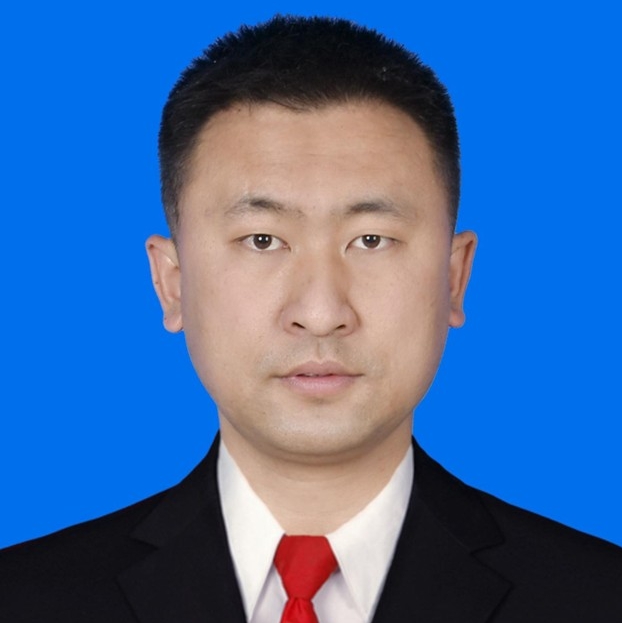 Fan Sun
Fan Sun is the First Author of Warm temperature-induced autophagy mediates selective degradation of TIMING OF CAB EXPRESSION 1 thus promoting plant thermomorphogenesis published 09 September 2025. Sun is an Engineer II, Jingbian, Shanxi Province. Education background includes: 2010 Master degree in Northwest A&F University,2014 Bachelor degree in Beijing Forestry university. Research interests include plant thermomorphogenesis. Personal interests include running.
“Professor Wang Xiangfeng is my greatest inspiration in research. Her profound expertise and relentless pursuit of innovation motivate me deeply. Beyond knowledge, she emphasizes critical thinking and resilience, guiding me to overcome challenges independently. And her passion for discovery is contagious, and his supportive mentorship has shaped my approach to science.“
Panpan Wang
Panpan Wang (she) is the First Author of Warm temperature-induced autophagy mediates selective degradation of TIMING OF CAB EXPRESSION 1 thus promoting plant thermomorphogenesis published 09 September 2025. Wang is a Ph.D. candidate at China Agricultural University. Educational background includes 2021 Bachelor’s degree from Henan Agricultural University. Research interests include Autophagosome formation. Personal interests include music, dance
“After completing my undergraduate studies in 2021, I was fortunate to join the research group led by Professors Tonglin Mao and Xiangfeng Wang at the State Key Laboratory of Plant Environmental Resilience, China Agricultural University. During my postgraduate studies, my research focused on elucidating the regulatory mechanisms underlying autophagosome formation. Moreover, I collaborated with Dr. Baolei Li to investigate the interplay between autophagy and plant thermomorphogenesis. Our findings demonstrated that autophagy contributes to plant thermomorphogenesis by regulating the protein levels of TOC1, thereby uncovering a novel mechanism through which autophagy responds to elevated temperatures and modulates plant adaptive growth processes.”

Xiuying Liu
Xiuying Liu (she/her) is the First Author of Structural mechanisms underlying the free fatty acid-mediated regulation of DIACYLGLYCEROL O-ACYLTRANSFERASE 1 in Arabidopsis published 13 October 2025. She is an Associate Investigator at Institute of Biophysics, Chinese Academy of Sciences. Education background includes: 2019 Ph.D Biophysics at Institute of Biophysics, Chinese Academy of Sciences; 2011 MSc Genetics at Institute of Microbiology, Chinese Academy of Sciences; 2007, BSc Biological Science at Harbin Normal University.
Research interests include Lipid biosynthesis. Personal interests include Handicraft making.
“My Ph.D. supervisor, Professor Zhenfeng Liu, provides expert guidance and sustained mentorship throughout my scientific research.”
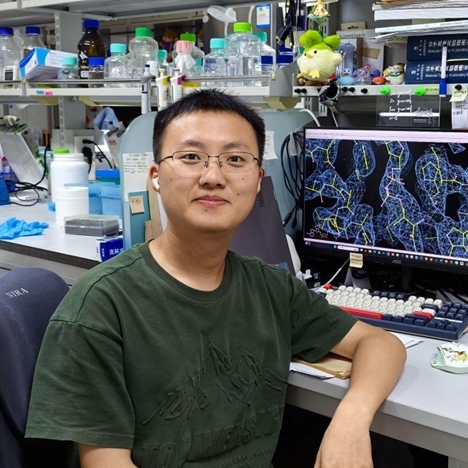
Junjie Li
Junjie Li (he/his) is the First Author of Structural mechanisms underlying the free fatty acid-mediated regulation of DIACYLGLYCEROL O-ACYLTRANSFERASE 1 in Arabidopsis published 13 October 2025. He is a Ph.D. candidate at the Institute of Biophysics, Chinese Academy of Sciences. Educational background includes a 2018 BSc from the University of Jinan. Research interests include Lipid metabolism. Personal interests include badminton.
“I am interested in how plants sense and react to environmental stress. This led me to pursue my PhD in Dr. Zhenfeng’s lab, where I am investigating the mechanisms of lipid metabolism, especially triacylglycerol biosynthesis, and its regulatory factors. Ultimately, I hope my work can contribute to the engineering of oil crops.”
 Zhihui Zhang
Zhihui Zhang (she/her) is the First Author of Structural insights on plant DNA CG methylation maintenance by MET1 published 13 October 2025. She is an Assistant Research Professor at School of Life Sciences, Southern University of Science and Technology. Education background includes: 2018 Ph.D Biochemistry and Molecular Biology at USTC(University of Science and Technology of China), 2013 BSc Biotechnology Anhui Medical University. Research interests include Plant epigenetics. Personal interests include hiking.
“I love plant science, because plants run the planet’s life-support system.”
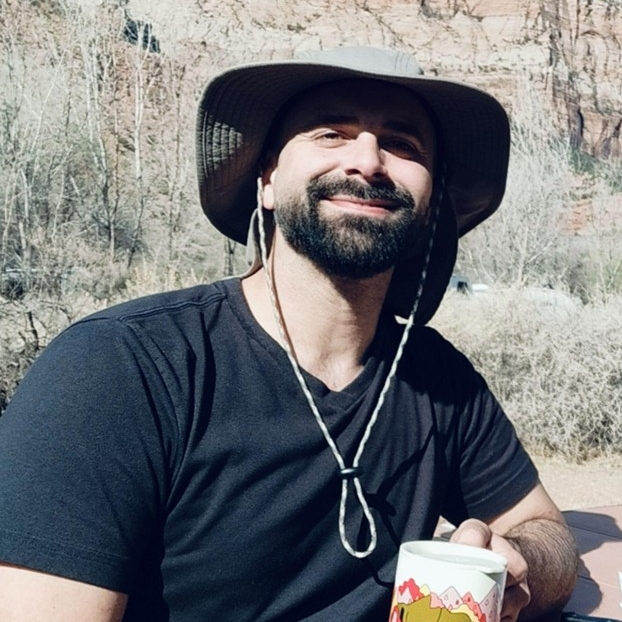 Mario Fenech-Torres
Mario Fenech-Torres (he/his) is the First Author of The CYP71A, NIT, AMI, and IAMH gene families are dispensable for indole-3-acetaldoxime-mediated auxin biosynthesis in Arabidopsis published 15 October 2025. He is a Postdoc Fellow at North Carolina State University (currently looking for jobs). Education background includes: 2020 PhD in Biotechnology. University of Málaga (Spain); 2015 MSc in Advanced Biotechnology, University of Málaga (Spain) and Virginia Tech (VA, USA); 2014 BSc in Environmental Sciences, University of Málaga (Spain). Research interests include Abiotic stress, plant metabolism in response to light, and basic research on plant traits of agronomical interest. Personal interests include Running, Reading.
Jianhong Wang
Jianhong Wang (he/his) is the First Author of MPK3- and MPK6-mediated phosphorylation of STOP1 triggers its nuclear stabilization to modulate hypoxia responses in Arabidopsis published 24 October 2025. He is a Postdoc at Shenzhen Institutes of Advanced Technology, Chinese Academy of Sciences. Education background includes a 2025 Ph.D Sun Yat-sen University. Research interests include Plant abiotic stress. Personal interests include working out.
“My love for plants began with the wonder of a seed sprouting in my childhood. Back then, I wondered how a tiny seed could grow into a towering tree. That initial curiosity gradually evolved into a sense of responsibility—a hope to contribute something tangible to this world through my research.
Plants may not move, yet they possess astonishing wisdom for survival. They can release specific scents to signal danger and protect themselves with thorns or toxins. These intricate survival strategies have always fascinated me.
Today, my research is not just about exploring the mysteries of life but also about contributing to solving global challenges like climate change and food security. On this journey, I’ve been inspired by Professor Yuan Longping’s spirit of turning scientific achievements into real-world impact, and by Barbara McClintock’s perseverance in discovering genetic transposition through years of work in cornfields. It is the guidance of pioneers like them that has helped me transform that childhood wonder into a lifelong mission to serve society.”