

Plantae Presents: Alternative Career Paths for Plant Scientists
Plantae Presents: What to Keep in Mind When Starting in a New Lab
Featuring Max Moorcroft, Harry Pink, and Katia Zacharakik
When: Thursday, March 19, 2026, at
9:00 AM PDT | 12:00 PM EDT | 4:00 PM GMT | 12:00 AM Beijing (3/20)
About this Webinar
Many of us hear about the two main options for careers in plant science – the academic option and the industry research option. But the skills plant scientists have are useful for other sectors as well. This webinar explores alternative careers, including consulting, data science, and science communication.
Hosted by the 2026 Plantae Fellows.
SPEAKERS
Max Moorcroft
Max is an early career wildlife communicator with a particular love for plants. He graduated with BSc Plant Science at the University of Bristol in July. Max believes that education about nature should be easily accessible to all so during university he co-created CitySprout, a card game about urban plants, which has now been distributed across the UK.
He also enjoys creating informative Instagram posts about UK flora. In 2025, he featured on BBC Springwatch where he spoke about some wonders of common urban plants found in central Bristol.
Throughout the past year, Max has been setting up as a freelance facilitator so that he can spend more time doing what he loves, learning and sharing about plants. He’s currently exploring how to make a living from his facilitation and walk leading, whilst also keeping his walks and workshops accessible to a wide audience.
Aside from plant related careers, Max works for a community storytelling not-for-profit, a cafe and is an oat mylkman! Instagram: @maximossnature | https://citysproutgame.co.uk.
Harry Pink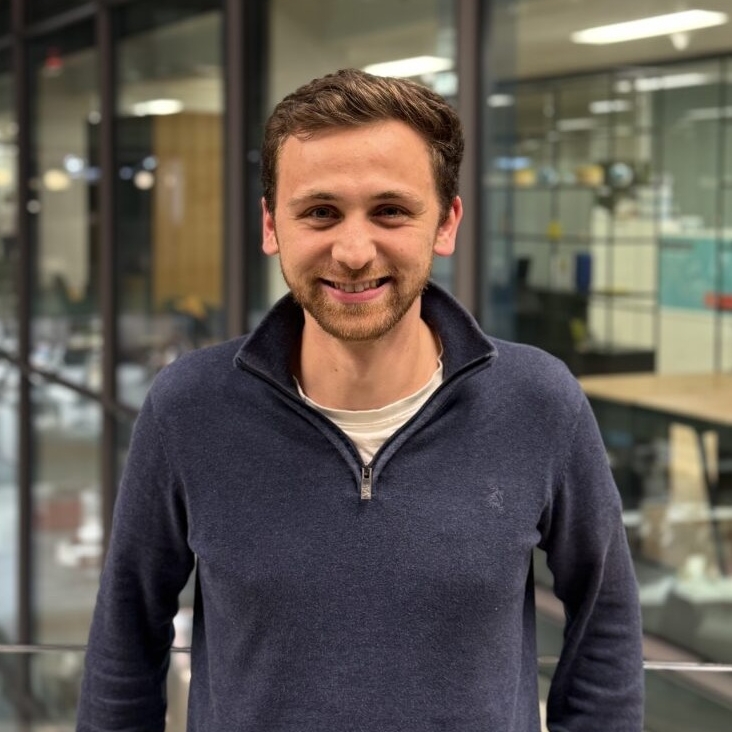
Harry is a plant scientist turned biotech data scientist with a passion for translating biological complexity into real-world tools. He completed his PhD in Plant Science at University of York studying transcriptomic responses to necrotrophic fungal pathogen infection in lettuce, building expertise in host–pathogen interactions, R programming, and high-throughput sequencing analysis.
After academia, Harry moved into industry as a Bioinformatics Scientist at Biomodal, where he shifted from discovery research to production software engineering. He developed robust, customer-facing bioinformatics workflows, learning the difference between a script that runs and production code that has to run every time.
He is now a Senior Data Scientist at Mitra Bio, applying machine learning to epigenetic data to build predictive models for skin cancers and aesthetic skin phenotypes. Across roles, he combine omics biology, engineering, and AI to deliver impactful biotech solutions beyond the academic lab. LinkedIn: https://www.linkedin.com/in/harry-pink/.
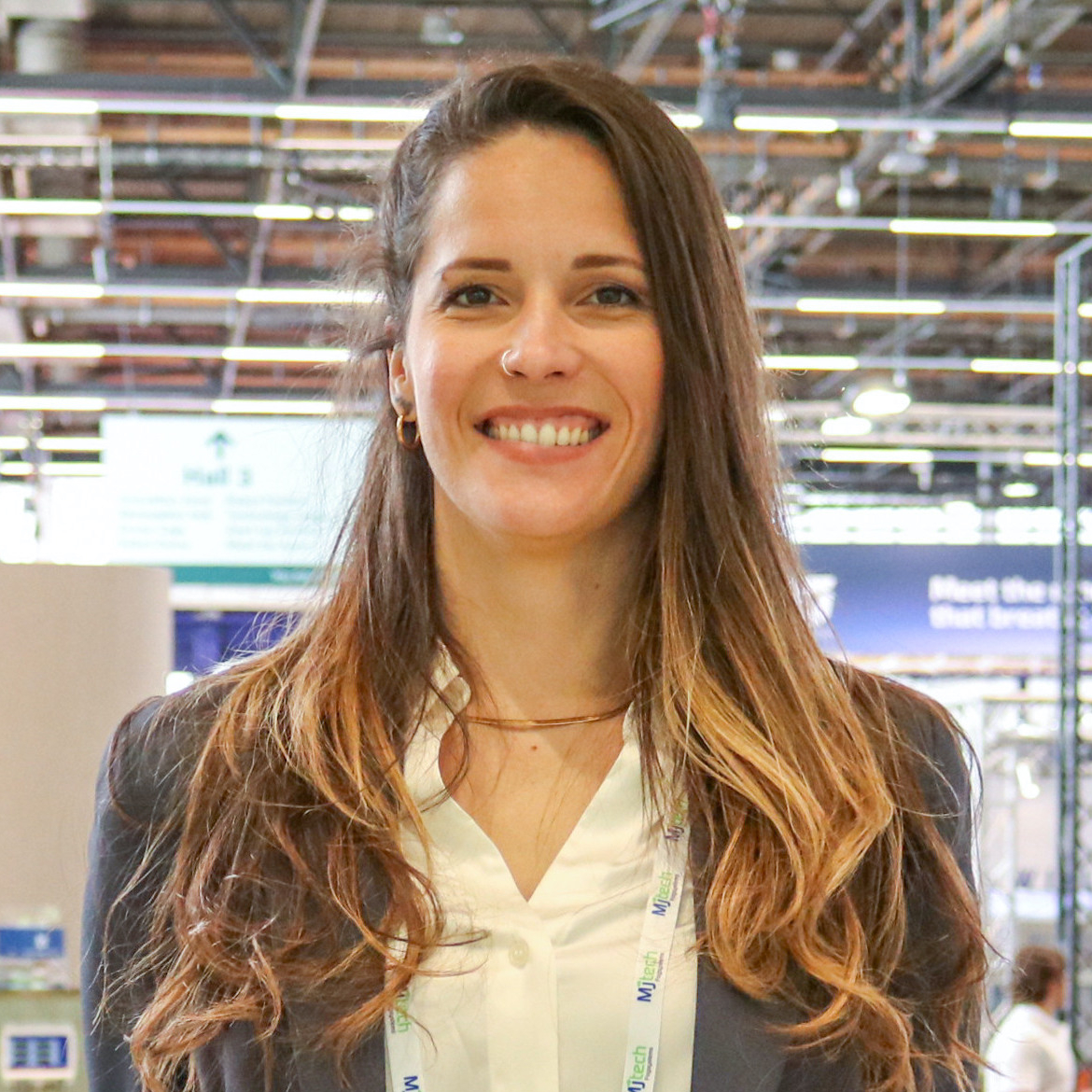 Katia Zacharaki
Katia has been involved in the soilless cultivation space for the past 10 years, spanning from glasshouse operations to TCEA (aka vertical farming), with a focus on both technical and business aspects. Her primary area of expertise is in strawberry cultivation, gained through a combination of roles at start-ups and research organisations. Katia holds an MSc in Agricultural Engineering and an MBA in Agribusiness, and she is currently pursuing a part-time PhD at Harper Adams University, specialising in LED lighting and TCEA strawberry cultivation.
Katia is the founder of InnoPhyte Consulting, a specialist consultancy offering “Science-a- a-Service” to AgriTech companies. InnoPhyte supports businesses with experimental design, data interpretation, grant writing, and technical strategy, translating research into real-world outcomes. Katia’s professional path includes a part-time role as TCEA Soft Fruit Specialist at NIAB, one of the UK’s leading crop science organisations. Additionally, she volunteers as the Communications Director for UKUAT (UK Urban Agricultural Technologies), a membership organisation that brings together key players in modern urban agricultural technologies. LinkedIn: https://www.linkedin.com/in/katia-zacharaki/ | Website: https://innophyte.co.uk/ | ResearchGate: https://www.researchgate.net/profile/Katia-Zacharaki.
MODERATORS
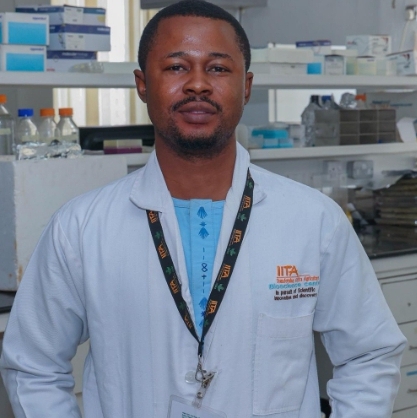 Fatai Ayomide Akande
Fatai is a research assistant in the Maize Genomics team at the International Institute of Tropical Agriculture Headquarters in Nigeria, specialising in advancing crop resilience to biotic and abiotic stresses through molecular breeding, genomics, and bioinformatics. His research focuses on understanding and improving Striga resistance and drought adaptation in maize using gene expression studies, marker discovery, and validation. Fatai is passionate about applying integrative approaches to sustainable crop improvement. LinkedIn: https://www.linkedin.com/in/fatai-ayomide-akande/ | X: @AkandeAyomide20.
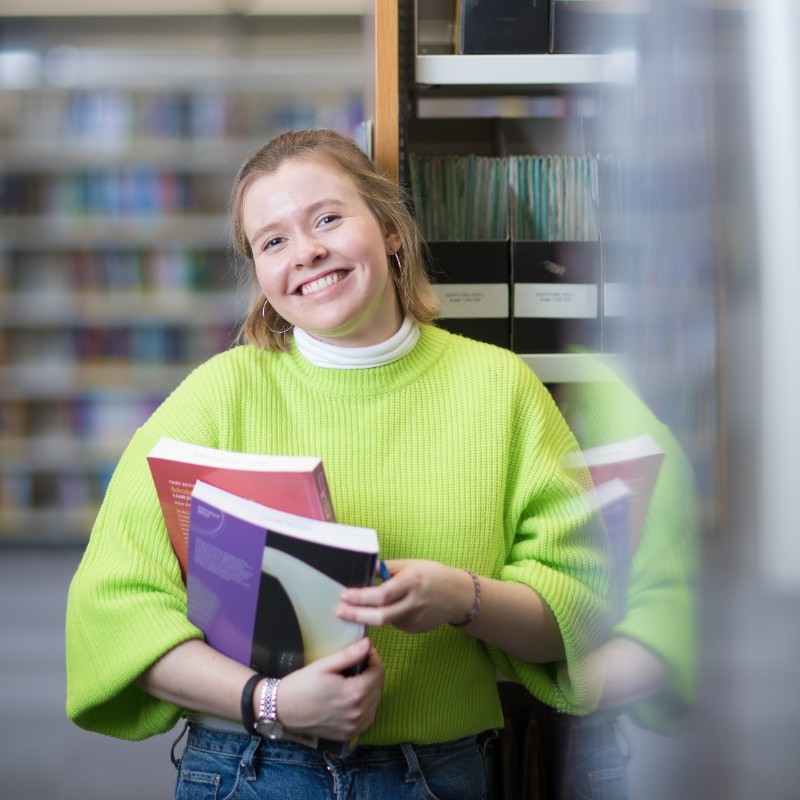 Anastasia Kolesnikova
Anastasia is a final-year PhD student at the University of Southampton. Her work combines plants, genetics, and evolutionary principles to find out why we domesticated certain plant species, but not others. She hopes to contribute to improving food security in the long run. She enjoys talking to other people about science and sharing her enthusiasm for plants with the general public. LinkedIn: https://www.linkedin.com/in/n-ksci/.
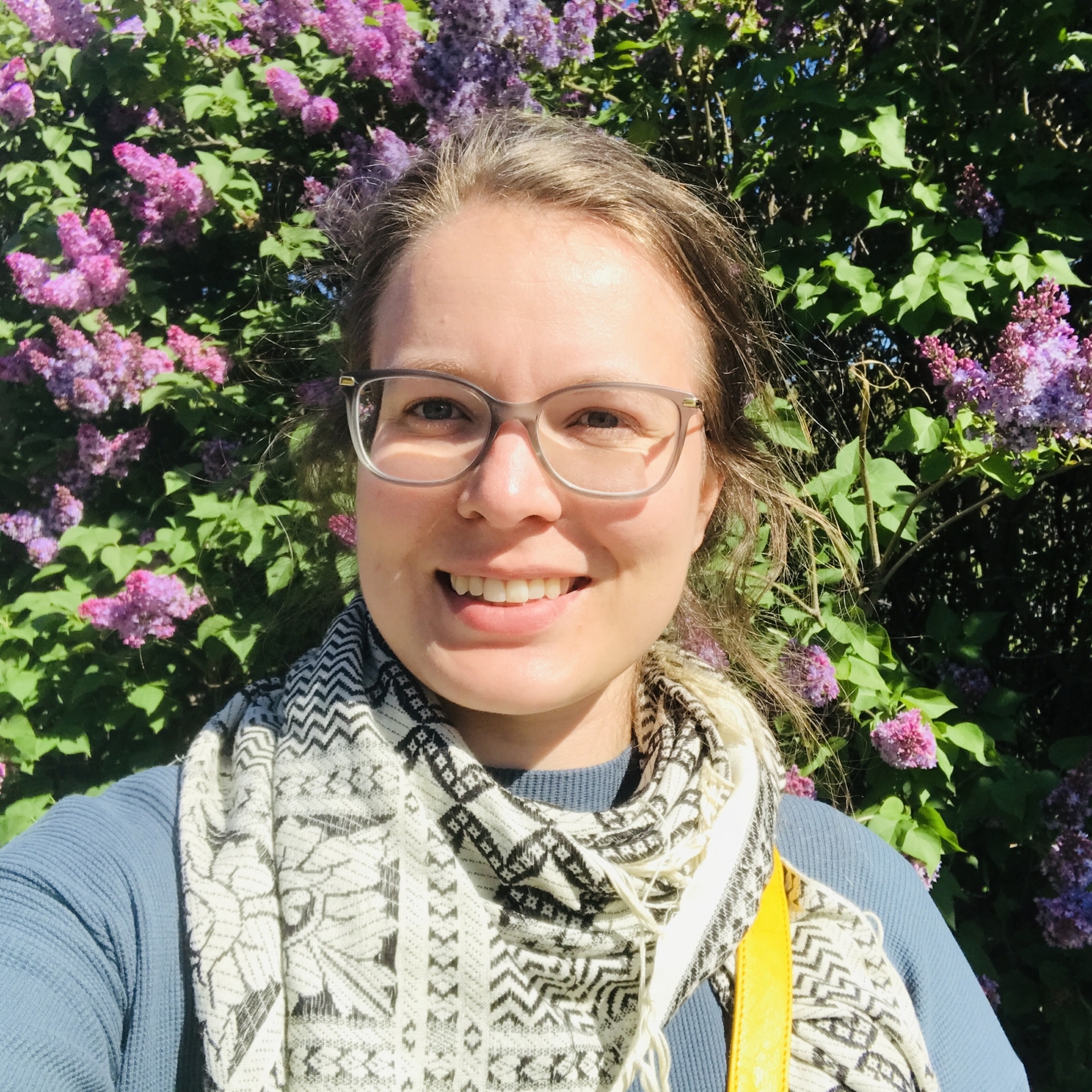 Iris Mollhoff
Iris Mollhoff earned her BS from UC Davis in 2017 and her PhD in Biology from Stanford University in 2025. For her doctoral thesis, she studied the role of unusual lipids in tomato defense responses to bacterial and fungal pathogens. She currently works as a Part-Time Biology and Human Anatomy Instructor at Foothill College in Los Altos, CA. Iris is passionate about science education and building supportive learning communities where students can thrive. LinkedIn: https://www.linkedin.com/in/iris-mollhoff-201819137/ | Instagram: @iris.mollhoff.
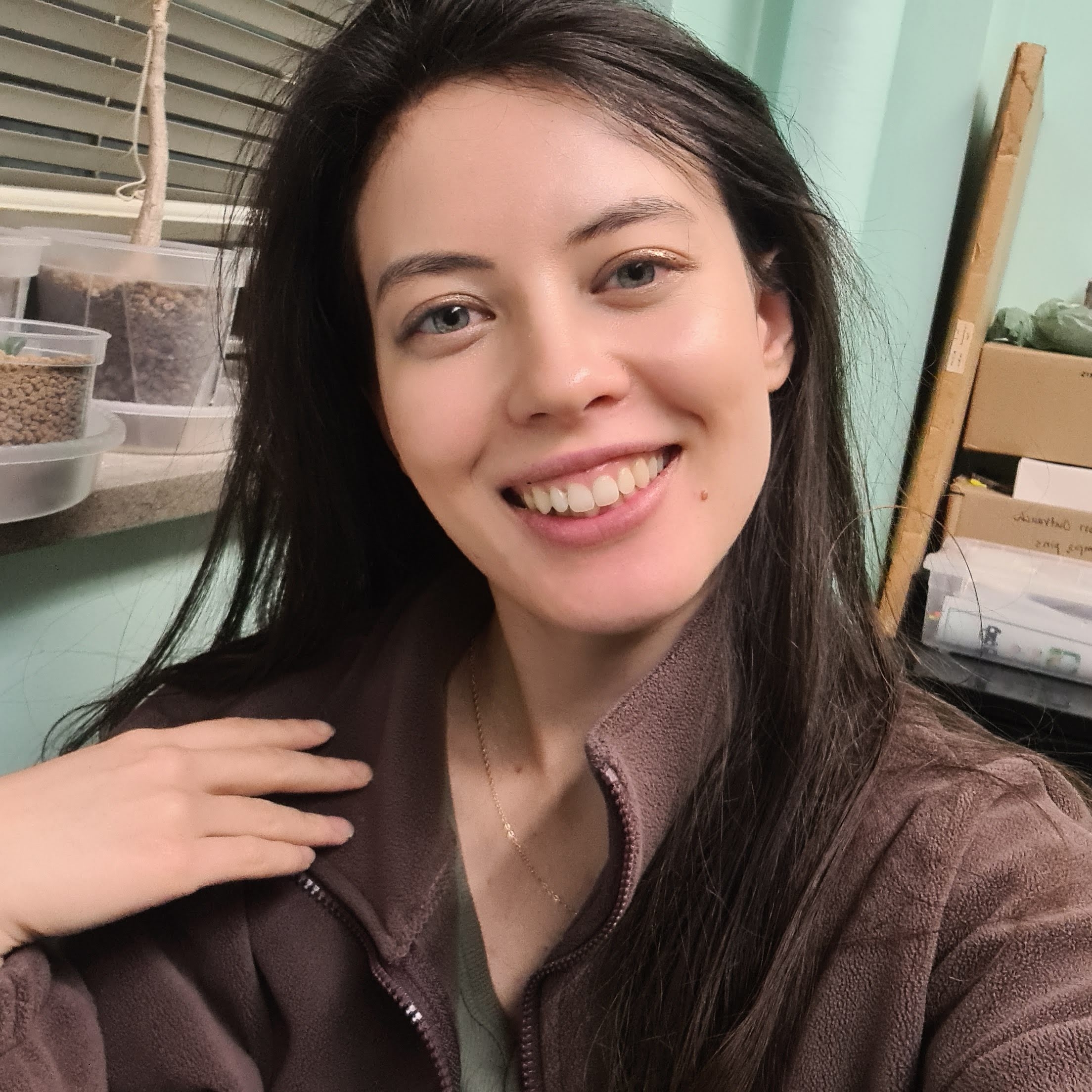
Charlay Wood
Charlay Wood is a postdoctoral researcher at the University of Wisconsin–Madison working on plant metabolic engineering at the interface of primary and specialised metabolism. Her research focuses on redirecting carbon fixed from atmospheric CO₂ into high-value natural products, including pharmaceuticals and flavour compounds. She is also leading the development and commercialisation of a transgenic red soybean platform designed to produce scalable, plant-derived pigments as sustainable alternatives to synthetic food dyes. LinkedIn: https://www.linkedin.com/in/charlaywood/.

