
Plant Physiology Features October, November, and December 2025 First Authors
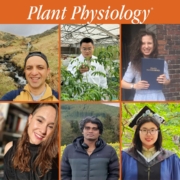
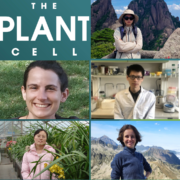
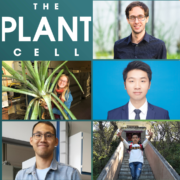
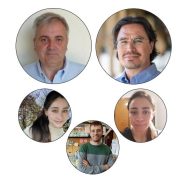
You’ve seen our First Authors on X, BlueSky, and Facebook. Behind the manuscripts are researchers, professors, professionals, and students dedicated to advancing the field of plant science. Read more about these dedicated people here.
Aditi Gotkhindikar
Aditi Gotkhindikar (she/her) is the First Author of Is GCR1 the GPR157 of plants? published February 2025. She is a Ph.D. Scholar at Bioinformatics Centre, Savitribai Phule Pune University, Pune, India.
Education background includes: 2021 M.Sc. in Bioinformatics at Bioinformatics Centre, Savitribai Phule Pune University, Pune, India. 2019 B.Sc. in Biotechnology, Chemistry, Genetics at Jyoti Nivas College autonomous, Bengaluru, India. Research interests include Computational studies focusing on plant signaling components. Personal interests include Cooking, Dancing, Singing.
“I am very lucky to have Dr. Manali Joshi, my mentor, who has always been a constant support and an inspiration to work hard focusing on my research work.
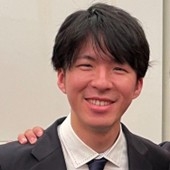 Kotaro Akita
Kotaro Akita (He/his) is the First Author of F-actin organization is required for intracellular MIZ1 movement and hydrotropism of Arabidopsis published 08 October 2025. Akita is a PhD candidate at Yamagata University. Education background includes: 2023 MSc in Science and Engineering at Yamagata University, 2021 BSc in Faculty of Science Yamagata University. Research interests include Abiotic stress, tropism, root.Personal interests include Playing soccer, reading, and cats.
“My supervisor, Yutaka Miyazawa, conducted interesting class of Plant Physiology, that why I joined his lab and started plant physiological research.”
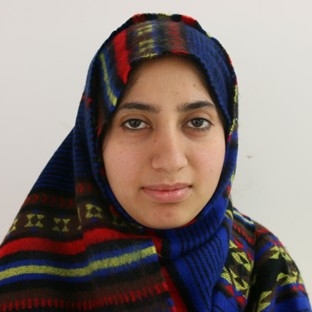 Faiza Ali
Faiza Ali (She) is the First Author of DREB2B negatively regulates Arabidopsis and cotton seed vigor through an abscisic acid-mediated pathway published 30 October 2025.
She is a Postdoctoral researcher at School of Agricultural Sciences, Zhengzhou University, Zhengzhou,China.Education background includes: 2020 Ph.D Biochemistry & Molecular Biology at Chinese Academy of Agricultural Sciences; 2014 MSc Plant Breeding & Genetics at Bahuddin Zakariya University, Multan, Pakistan; 2012 BSc Plant Breeding & Genetics at Bahuddin Zakariya University Multan, Pakistan. Research interests include Molecular markers and genome editing, Epigenetics, Protein–protein and protein–DNA interaction networks, Transcriptional regulation.Personal interests include Traveling, Photography, Music, and Creative writing.
“My interest in plant science began during my undergraduate studies, when I first learned how plants respond and adapt to their environment at the molecular level. The more I explored plant genetics and physiology, the more I realized how much potential there is to apply scientific knowledge to real-world agricultural challenges such as improving crop yield, stress tolerance, and sustainability.
I love plant science because it combines curiosity-driven discovery with physical impact. Plants are extremely complex systems; every gene, signal, and interaction tells a story about survival and adaptation. Working in this field allows me not only to explore fundamental biological mechanisms but also to contribute to innovations that can help farmers and communities. There’s a deep satisfaction in knowing that basic research can lead to practical benefits such as improved crops, environmental resilience, and food security.
I am deeply inspired by my mentors and senior scientists who have dedicated their careers to understanding the molecular basis of plant development. In particular, my supervisors have helped shape my research mindset. Their rigorous approach to scientific inquiry, commitment to innovation, and encouragement to think critically have greatly influenced my professional growth. Their mentorship reminds me that great research combines patience, precision, and purpose.
From a young age, I was drawn to nature; observing how plants grow, adapt, and thrive in different environments sparked my curiosity. Later, as I studied biology, I became fascinated by how invisible molecular events shape plant traits. The observation, experimentation, and discovery in plant science continue to fascinate me. Each experiment feels like uncovering a small piece of nature’s logic, and that constant sense of discovery keeps me motivated.”
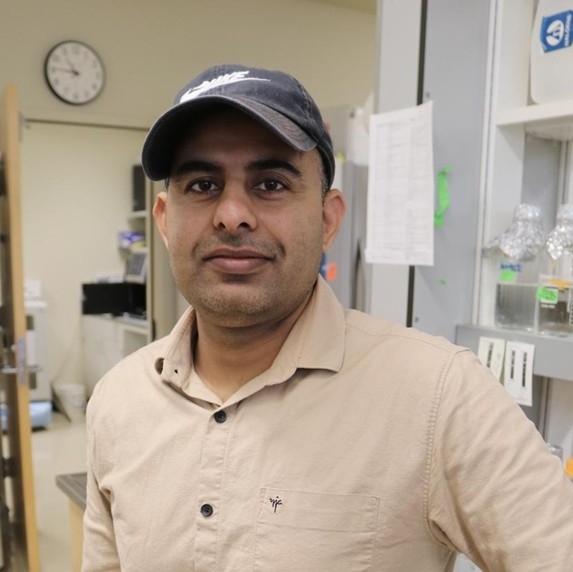 Anshu Alok
Anshu Alok (He/Him) is the First Author of Developmental regulators enable rapid and efficient soybean transformation and CRISPR-mediated genome editing published 10 December 2025.
His current position is Researcher 5. Education background includes 2020 Ph.D in Biotechnology from Panjab University, India. Research interests include Plant genome editing, Genetic engineering. Personal interests include Gardening.
“Since my childhood, I have always been interested in collecting flowering plants and gardening, which later led me to choose plant science.”
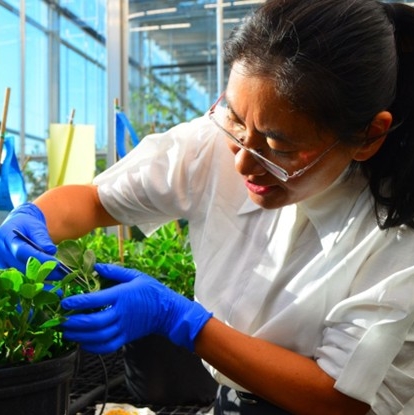 Yanbing Wang
Yanbing Wang (she/her) is the First Author of Structural Determinants and Biochemical Characterization of LORELEI as a GPI-Anchored Protein published 05 December 2025. She is a Senior Scientist at HudsonAlpha Institute for Biotechnology. Education background includes: 2006-2012 Ph.D. Crop Genetics and Breeding at China Agricultural University; 2007-2012 Visiting Graduate Student and Graduate Research Assistant, Plant Biotechnology at Peking University; 2002-2006 BAgr at South China University of Tropical Agriculture.
Research interests include Plant reproduction, Embryogenesis, Fruit development, Genetics, Genomics, Crop breeding. Personal interests include Baking, gardening, running, reading.
“Growing up in an almost evergreen region of southeastern China, in a family that grew diverse crops, I was fortunate to interact closely with plants from an early age—an experience that sparked my lifelong fascination with them. Yet beyond the beauty, I witnessed the challenges of farming: despite my parents’ tireless work, the outcomes often fell short of expectations—yields/quality limited, or harvest timing not aligned with favorable market conditions. These struggles had actually affected nearly every household in our village whose livelihood depended on agriculture. Observing this inspired me to pursue a path where I could make a meaningful difference for farmers like them.
I began the journey by studying agronomy as an undergraduate, then continued into crop genetics and breeding in graduate school. By then, I had the opportunity to focus on plant reproduction, receiving rigorous training in plant biology and biotechnology. After graduation, I continued researching plant reproduction before shifting to fruit development. Most recently, I joined HudsonAlpha as a Senior Scientist, where I aim to advance crop improvement through genomic innovation.“
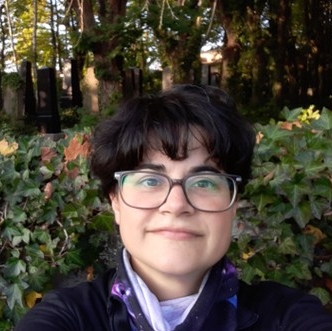 Celia M. Rodriguez-Dominguez
Celia M. Rodriguez-Dominguez (she/her) is the First Author of Stem water potential measurements obtained using standard methodologies diverge under extreme drought in tomato and grapevine published 15 November 2025. She is a Research scientist at the Institute of Natural Resources and Agrobiology of Seville (IRNAS), Spanish National Research Council (CSIC). Education background includes: 2014 PhD in Biological Sciences at the University of Seville, Spain; 2009 BSc in Biology, University of Seville, Spain. Research interests include plant eco-physiologist currently focused on studying how stomata, those tiny pores present on the surface of leaves that exchange water and carbon, regulate plant responses to drought by understanding the connections between processes occurring in the aboveground and belowground environments. Personal interests include playing tennis, hiking, and spending time with family and friends.
“When I was very young, I was always interested in knowing how things worked, and I was always fascinated to see how plants could withstand the high temperatures of summers in Seville without being able to move in search of shade. I love plant science because plants are responsible for everything that exists on Earth today, so knowing how they have managed to do this is something that fascinates me. My mentor was Antonio Díaz Espejo, and he continues to inspire me with his genius and innovative ideas.
From a very young age, I was interested in science because I was a fan of the TV series The X-Files, where one of the FBI agents always tried to give a scientific explanation for paranormal phenomena.”
 Madeline R. Carins-Murphy
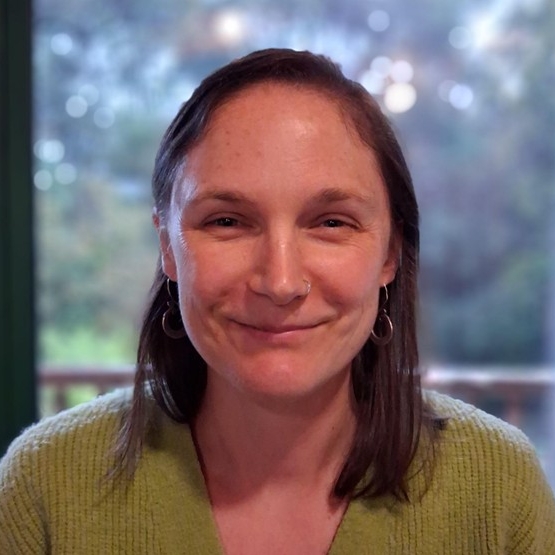
Madeline R. Carins-Murphy (she/her) is the First Author of Stem water potential measurements obtained using standard methodologies diverge under extreme drought in tomato and grapevine published 15 November 2025. She is a Plant Scientist at the University of Tasmania.
Education background includes: PhD in Plant Physiology at the University of Tasmania, BSc with Honours in Plant Biology at the University of Tasmania. Research interests include how the plumbing of plants governs their interactions with the environment and limits their productivity, survival, and reproductive success. Personal interests include being with family and friends, eating good food, and spending time in nature.
“I was lucky enough to grow up in Lutruwita/Tasmania, the beautiful island state of Australia. Initially, I began my university studies in environmental management in order to contribute to the custodianship of the unique natural places around me. But after starting first-year botany classes, I was hooked on studying the inner workings of plants.”
 Vaia Styliani Titeli
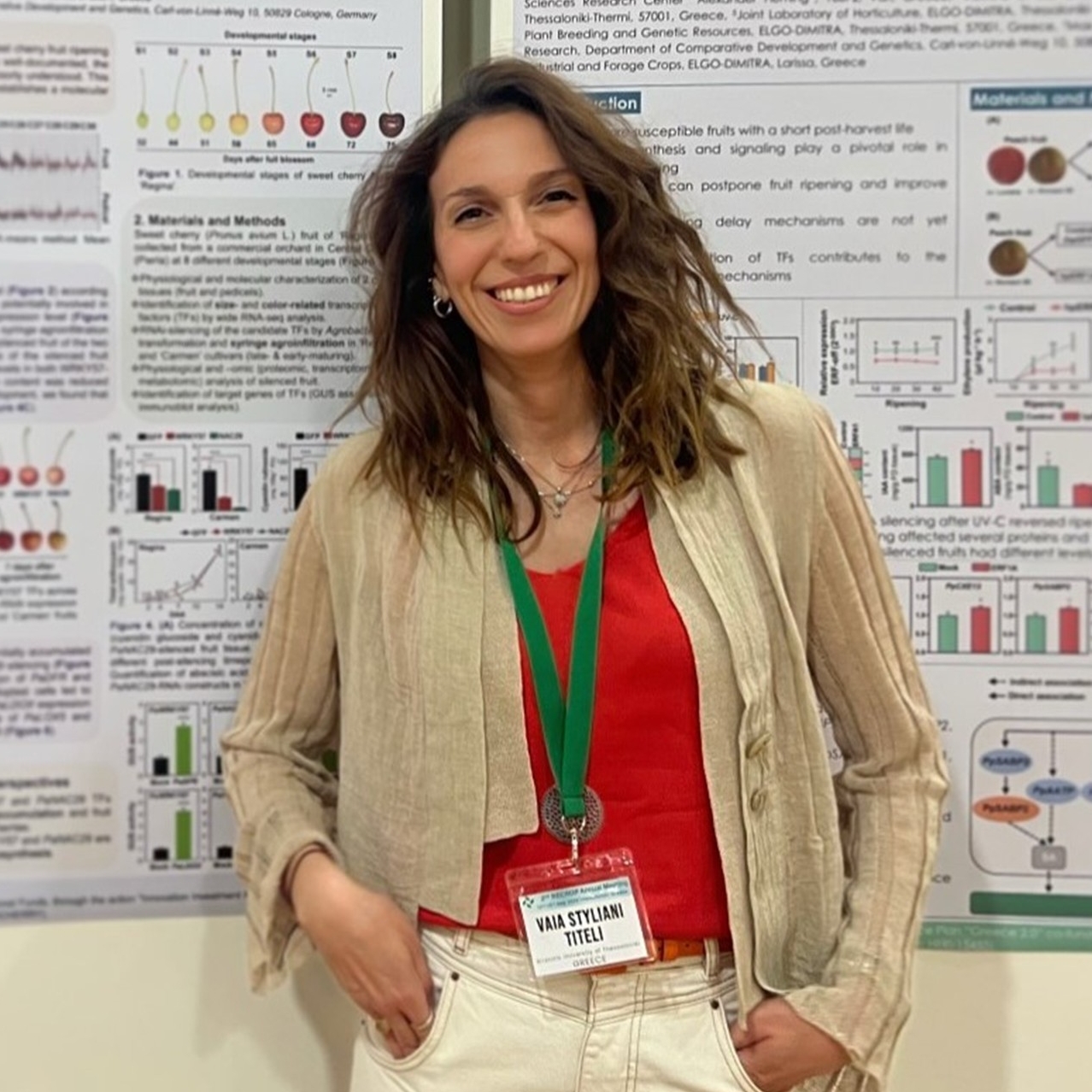
Vaia Styliani Titeli (she/her) is the First Author of Transcription factors PaWRKY57 and PaNAC29 regulate fruit color and growth during sweet cherry development published 13 December 2025. She is a PhD candidate – Laboratory of Pomology, Aristotle University of Thessaloniki (AUTH), Greece. Education background includes: 2021 MSc in Genetics, Plant Breeding and Production of Plant Propagation Material at Aristotle University of Thessaloniki, Greece. 2019 BSc & IM (Integrated Master) in Agriculture, Aristotle University of Thessaloniki, Greece. Research interests include Fruit development and ripening, Plant physiology, Molecular biology, and postharvest biology. Personal interests include Travelling, Drawing.
“My interest in plant science was sparked during my undergraduate studies in Agriculture, where I became fascinated by how plants perceive external signals and translate them into visible responses through molecular and metabolic adjustments. After completing my degree, I joined the Laboratory of Pomology at the Department of Agriculture, Aristotle University of Thessaloniki (AUTH). During my MSc studies under the supervision of Prof. Athanassios Molassiotis, I gained an in-depth understanding of how genetic and biochemical pathways shape fruit ripening. My master’s thesis focused on uncovering the physiological and metabolic traits associated with kiwifruit quality during ripening, employing a range of -omics technologies. Since 2022, I have been pursuing a PhD in the same laboratory, investigating the physiological and molecular mechanisms underlying fruit pigmentation and development in sweet cherry fruit through an integrated multi-omics and functional approach. In the future, I aim to continue exploring and identifying promising targets to improve fruit quality.”
 Andrés Rico-Medina
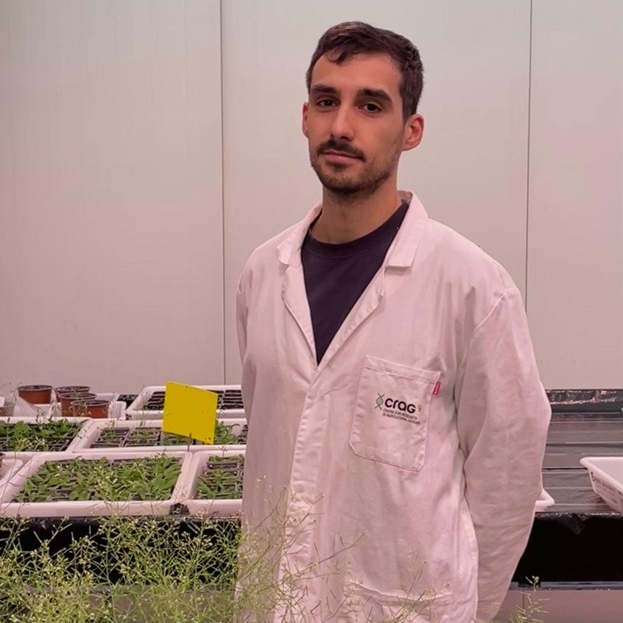
Andrés Rico-Medina (he/him) is the First Author of The brassinosteroid receptor BRL3 triggers acclimation to elevated temperature from phloem companion cells in Arabidopsis published 09 November 2025. He is a Researcher in Agtech Industry. Education background includes a 2023 – Ph.D in Plant Biology and Biotechnology at Universitat Autónoma de Barcelon; 2017 – MSc in Advanced Genetics at Universitat Autónoma de Barcelona; 2016 – BSc in Biochemistry at Universidad de Castilla-La Mancha (Toledo). Research interests include Plant tolerance to stress, plant-soil interactions, crop amelioration. Personal interests include Literature and storytelling.
“I was interested in plants since the start of my bachelor’s, as plant biology was the focus of some classes that were of great interest to me. Plants and agriculture are key for humanity, and currently, learning how plants adapt to climate and how to improve their health under different environmental conditions is of great importance. By learning that during the start of my career, I found that I really enjoy helping overcome the current challenges in the field with my contribution, both for the environment and our food systems.”
 Ling Yang
Ling Yang is the First Author of Functional divergence of ALMTs mediates organic acid transport and callose synthesis for aluminum tolerance in rose myrtle published 16 December 2025. She is currently open for opportunities. Education background includes: 2019.09-2023.01, Ph.D. student in biochemistry and molecular biology at University of Chinese Academy of Sciences, China. 2016.09-2019.06, MSc in biochemistry and molecular biology, College of Agronomy and Biotechnology at Yunnan Agricultural University. 2012.09-2016.06, BSc in biological science at Suzhou University. Research interests include Plant quality improvement, Genetic breeding, Abiotic stress. Personal interests include Singing, Reading.
“During my master’s program, I dedicated myself to the research on seed propagation of Panax notoginseng in Professor Chen Junwen’s laboratory at Yunnan Agricultural University, with a particular focus on exploring its after-ripening process and seed germination mechanism. Subsequently, I pursued further studies at the South China Botanical Garden, Chinese Academy of Sciences. From 2019 to 2025, under the guidance and collaboration of my doctoral supervisor, Researcher Deng Shulin, and my postdoctoral co-supervisor, Researcher Wang Ying, I established a comprehensive and systematic research framework centered on Rhodomyrtus tomentosa. My research spanned from genome mapping and the construction of tissue culture and genetic transformation systems to an in-depth investigation of the regulatory networks governing the high accumulation of anthocyanins in its mature fruits and its adaptability to acidic soils, aiming to unveil its biological characteristics from multiple dimensions.
This study elucidates the molecular mechanism by which Rhodomyrtus tomentosa adapts to aluminum toxicity stress. In terms of basic research, significant differences in regulatory pathways were observed under low and high aluminum concentrations, with ALMT gene family members playing a pivotal role. RtALMT11 and RtALMT18 exhibited concentration-specific induction patterns, enhancing our theoretical understanding of plant aluminum detoxification mechanisms and opening up new avenues for research in plant stress biology. In practical applications, given the widespread distribution of acidic soils globally and the constraints aluminum toxicity imposes on crop growth, the crucial genetic targets identified in this study hold promise for cultivating crops resistant to acidic soils through genetic technologies. This could enhance soil utilization efficiency, increase grain yields, ensure food security, and drive sustainable agricultural development.”
 Bouchra El Omari
Bouchra El Omari (she) is the First Author of Eco-physiological responses of Hieracium pilosella and Trifolium pratense to reduced air pressure published 26 December 2025. She is currently involved in eurac research – Institute for Alpine Environment.
Education background includes 2002 Ph.D in Plant Physiology at Barcelona University; 1998 MSc in Experimental Biology at Barcelona University; 1996 BSc in Plant Biology at Sidi Mohamed BenAbdallah University. Research interests include Root behaviour, Carbohydrates allocation and storage, Abiotic stress, Arbuscular Mycorrhizal Fungi . Personal interests include Reading, travelling.
“I’ve always been curious about how living things work and interact with their environment. Plants are fascinating because they’re essential to life and yet so complex. That curiosity naturally led me toward science. One particular aspect that sparked my curiosity was the unique adaptations of carnivorous plant species. Their fascinating strategies for survival drew me deeper into the world of plant science.”
 Mario Fenech-Torres
Mario Fenech-Torres (he/him) is the First Author of Arabidopsis lines with modified ascorbate concentrations reveal a link between ascorbate and auxin biosynthesis published
He is currently open for opportunities. Education background includes 2015 – 2020 PhD in Biotechnology. University of Málaga (Spain). 2014 – 2015 MSc in Advanced Biotechnology. University of Málaga (Spain) and Virginia Tech (VA, USA). 2009 – 2014 BSc in Environmental Sciences. University of Málaga (Spain). Research interests include Plant phisiology, Response to stress, Biotechnology. Personal interests include: Crossfit, hiking, cooking, playing guitar, dancing.
“Since the beginning of my undergrad in Environmental Sciences, I have been involved in different types of research that involved photosynthetic organisms. Plants are great sources of food, material, medicines, and fuel, and at the same time, they are fascinating organisms. This photosynthetic ability—synthesizing their own food using sunlight and CO2 as the source of carbon, with the capacity to self-perpetuate—is so advanced it sounds like a concept from a Black Mirror episode. However, my true fascination lies in what they cannot do, the very reason people often find them boring: they are immobile. As sessile organisms, plants are exposed to a plethora of perturbations that they cannot escape and must inherently face and resolve in pursuit of survival. Therefore, throughout evolution, they have been equipped with a toolbox of regulatory molecules to deal with all these changes, and that is exactly what drew me towards plant molecular biology.
In our paper, titled “Arabidopsis lines with modified ascorbate concentrations reveal a link between ascorbate and auxin biosynthesis,” we found that increased accumulation of the most abundant water-soluble antioxidant in plants—ascorbate (Vitamin C)—corresponded with increased accumulation of enzymes involved in the biosynthesis of auxin, the master regulator of plant growth and development. This finding introduces a new player in the hormone-ascorbate crosstalk, solidifying an emerging field where hormone-based developmental programs may underpin the differential accumulation of ascorbate. I am particularly keen to pursue this investigation in depth to unravel the mechanisms driving the dramatic differences in Vitamin C content between fruits like camu camu (Myrciaria dubia; 3000 mg/100 g FW) or acerola (Malpighia glabra; 1500 mg/100 g FW) and low-content sources like tomato (Solanum lycopersicum; 15 mg/100 g FW) or apple (Malus domestica; 5 mg/100 g FW).”
 Giulia Calia
Giulia Calia (she/her) is the First Author of Modelling omics integration with HIVE identifies responding signatures to multifactorial stress in plants published 18 December 2025.
She is a Post-doc (Ingénieure de recherche) at Institut Sophia Agrobiotech (INRAE). Education background includes: 2024 Ph.D Food Engineering and Biotechnology at Free University of Bolzano; 2020 MSc in Quantitative and Computational Biology at University of Trento; 2017 BSc in Biology at Piemonte Orientale University. Research interests include Plant system biology; Omics integration; AI. Personal interests include Photography, Reading, Van life.
“As I grew up surrounded by nature, I always sensed there was an entire side world to be discovered. When I had to decide which high school studies to pursue, I chose an Agricultural school without hesitation. The more I studied plants from a macroscopic perspective, the more curious I became about their microscopic internal processes that led to their strong survival abilities. Everything that followed was a consequence of this curiosity. Over the years, it became evident that computer science and plant science, seemingly so distant from each other, could intersect to open unexplored doors for a better understanding of the world around us. This is what I am currently striving to achieve with my research, and I hope to open as many of these doors as possible in the coming years.”
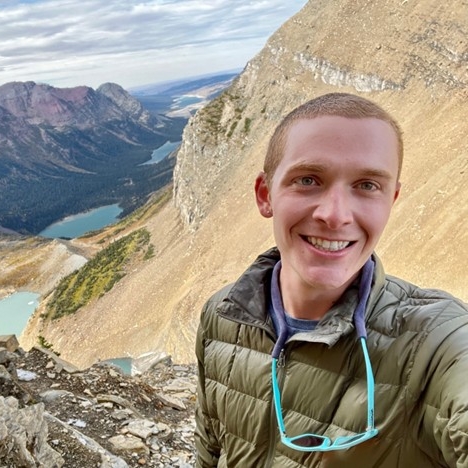 Franklin Alongi
Franklin Alongi (he/him) is the First Author of Drought-induced delays in stem hydraulic development shape gas exchange and growth recovery in Douglas fir published 17 December 2025. Educational background includes: Research interests include Plant resilience, abiotic stress, carbon metabolism.Personal interests include Hiking, Snowboarding, Carpentry.
“My interest in plant science began early, thanks to my grandfather, who taught me to garden and showed me how deeply plants shape and support our lives. That foundation grew into a true passion once I reached university, where a series of generous mentors encouraged me to explore my own ideas, ask better questions, and take intellectual leaps. Their support, along with the curiosity sparked in my childhood, continues to inspire my research and my love for understanding the natural world.”
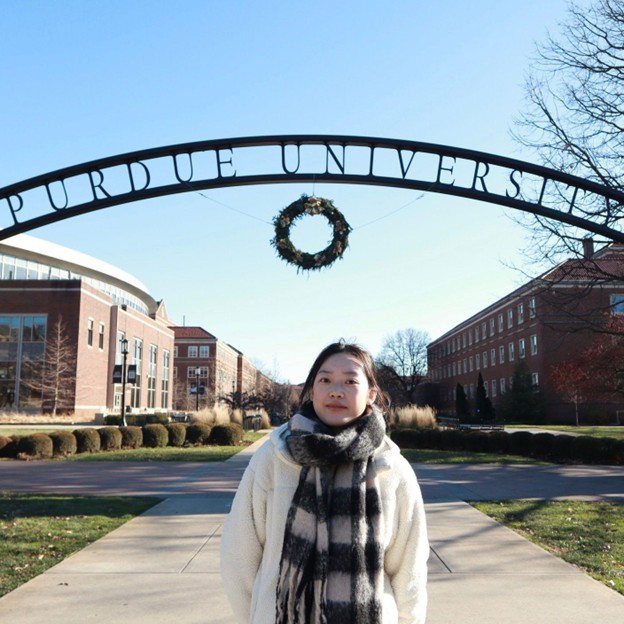 Zhi-Wei Luo
Zhi-Wei Luo (she/her) is the First Author of Exploring the amino acid-derived metabolomes of Arabidopsis and their associated natural variation using isotope labeling and mGWAS published 04 September 2025. She is a Graduate student at the Department of Biochemistry at Purdue University. Education background includes: 2015-2019 B.S. in Biological Sciences, Sichuan University. Research interests include Plant metabolism and Metabolic evolution. Personal interests include hiking.
“I grew up in a family with a deep appreciation for plants. On my grandparents’ farm, I learned how to recognize different crops, how to promote their growth, and how the compounds they contain can benefit humans. From an early interest in plant-derived natural products, my scientific journey has been driven by a curiosity to discover metabolites and uncover their biosynthesis in plants. I was first introduced to genome-wide association study (GWAS) during my undergraduate Genetics course and through research with my mentor Dr. Yang Zhang. I was impressed by the power of this approach, as it can directly link crop traits, including metabolite content, to genes without requiring prior knowledge of gene function. During my Ph.D. research under the mentorship of Dr. Clint Chapple, I had an opportunity to use stable isotope labeling in combination with GWAS to identify metabolite-gene relationships. These tools enable me to explore the biological roles of small molecules and investigate uncharacterized functions of genes in plants.“
 Yulin Weng
Yulin Weng is the First Author of A simple protocol for transformation and gene editing in woody mangrove plant published 16 September 2025. Weng is a Postdoctoral Researcher at Xiamen University.
Educational background includes: Postdoctoral Researcher, College of Environment and Ecology, Xiamen University. Research interests include Plant Adaptation and Evolution.Personal interests include: Basketball, outdoor activities.
“Plants exhibit a greater degree of intelligence than commonly perceived. Unraveling the strategies by which they adapt to diverse extreme environments is both fascinating and rewarding.”
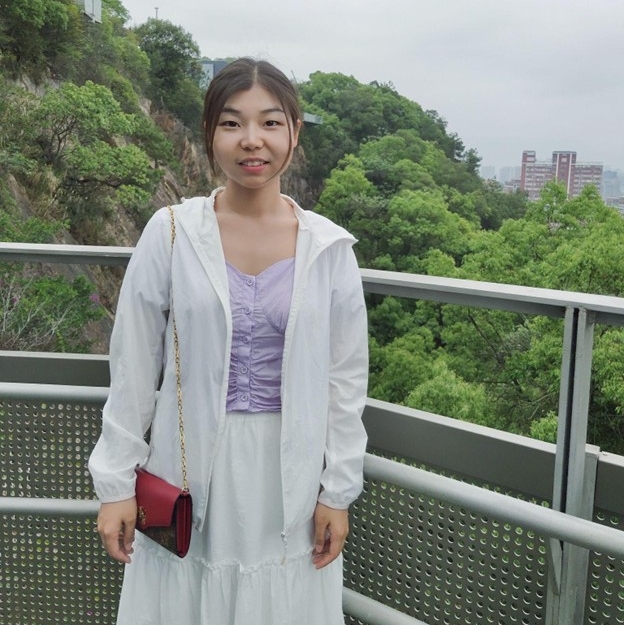 Huihui Wang
Huihui Wang (she) is the First Author of HyperTRIBE mapping of the RNA m6A demethylase ALKBH9 binding sites in bamboo reveals its role in plant defense published 29 September 2025. She is at Fujian Agriculture and Forestry University (FAFU), China.
Educational background includes: 2018–2024 Ph.D. College of Forestry, Fujian Agriculture and Forestry University (FAFU), China. Research interests include Plant Epigenetics in Forest Trees. Personal interests include playing badminton.
“I was deeply inspired by my tutor’s research on how plants respond to the environment through epigenetic mechanisms. The complexity of the molecular mechanisms sparked my passion for scientific exploration, and I decided to pursue a PhD in this field.”
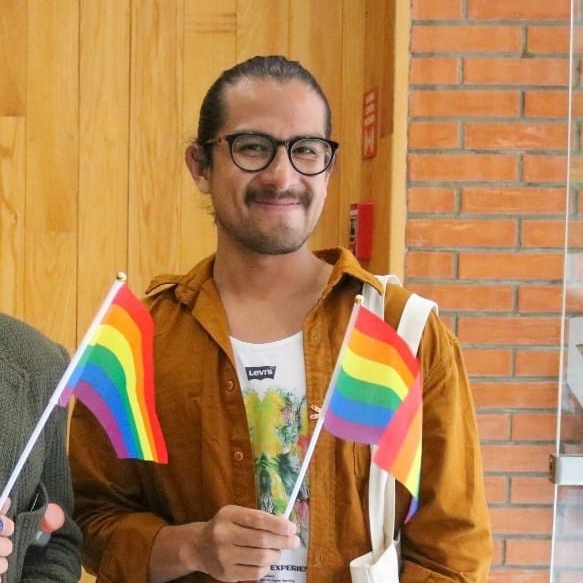 Julio Sierra
Julio Sierra (He/His) is the First Author of Apocarotenoid signaling regulates meristem activity and shapes shoot and root lateral organ formation in Arabidopsis published 24 September 2025. He is a PhD student at Universidad Nacional Autónoma de México. Educational background includes:2017 MSc in Science at Universidad Nacional Autónoma de México, 2014 BSc Biology at Universidad de Guadalajara. Research interests include Plastid physiology, Photosynthesis, Plant development. Personal interests include Running, Camping, Birding.
“It all started at an early age, when I was obsessed with dinosaurs and dreamed of becoming a paleontologist. After watching Jurassic Park, I knew I wanted to pursue genetic engineering. My first encounter with genetics came through my father, who taught me how to create maize hybrids. Whenever I conduct an experiment, I remember working alongside my dad and older brother in both the greenhouse and the field. I learned about teosinte and plant hormones before I was twelve, and it was then that I decided to become a scientist.”
Du Yimo
Du Yimo is the First Author of Shrunken2 (Sh2) and Brittle2 (Bt2) play a crucial role in the developmental processes of the aleurone layers in maize published 30 September 2025. Yimo is a Postdoctor at Henan Academy of Agricultural Sciences.
Educational background includes: 2024 Ph.D Genetics at Institute of Genetics and Developmental Biology, Chinese Academy of Sciences; 2016 MSc in Crop Genetic Breeding at Nanjing Agricultural University; 2012 BSc Agriculture Hunan Agricultural University. Research interests include Seed development, Nutritional quality. Personal interests include Hiking, Visiting the history museum.
“I pursued my undergraduate studies in the College of Agronomy at Hunan Agricultural University, majoring in Seed Science and Engineering. In Changsha, I had the privilege of meeting some truly remarkable teachers. My class advisor, Professor Zhang Guilian, showed great care and concern for her students. My undergraduate thesis supervisor, Professor Xiao Yinghui, taught me how to conduct map-based cloning of rice grain shape genes. Additionally, professors like Deng Huabing and Tang Wenbang, who were my instructors for specialized courses, ignited my profound interest in the field of plant science. I was even thrilled to have the opportunity to meet Academician Yuan Longping in Changsha, which was an incredibly exciting experience for me.
After graduating with my bachelor’s degree, I joined Professor Wang Yihua’s research group within Academician Wan Jianmin’s team at the Rice Research Institute of Nanjing Agricultural University to pursue my master’s degree. In Nanjing, I received systematic training in scientific thinking and experimental skills. Under Professor Wang Yihua’s guidance, I gained a profound understanding of rice grain development, starch synthesis, and rice quality. The strong research atmosphere within the team laid a solid foundation for my future scientific endeavors.
Following the completion of my master’s degree, I joined Professor Chen Huabang’s research team at the Institute of Genetics and Developmental Biology, Chinese Academy of Sciences, to pursue my Ph.D. in Genetics. Professor Chen Huabang’s charismatic and confident demeanor, combined with his approachable and amiable personality, deeply inspired me. His assistance and encouragement gave me the courage to confront and overcome challenges. Within the team, teachers Liu Juan and Zhao Li also provided me with tremendous support. The publication of my dissertation represents a partial summary of my doctoral work. Throughout this journey, the guidance and support from all my teachers have been invaluable and will benefit me for a lifetime.”
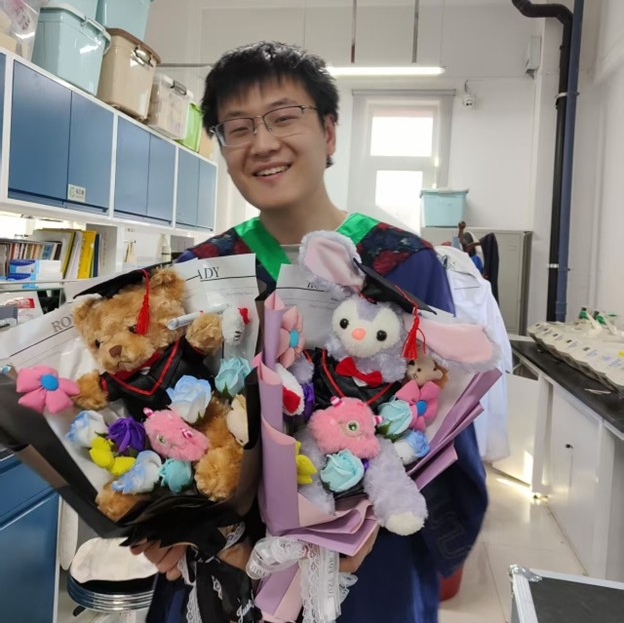 Zhaoheng Zhang
Zhaoheng Zhang (he/his) is the First Author of Reshaping epigenomic landscapes facilitated bread wheat speciation published 05 September 2025. He is a Ph.D student at Institute of Genetics and Developmental Biology, Chinese Academy of Sciences.
Educational background includes: 2023 MSc in China Agricultural University. 2016 BSc in Shandong Agricultural University. Research interests Crop, Epigenomics, Bioinformatics. Personal interests include Computer, Culinary delights. ‘
“As the global population continues to grow, we are facing not just the challenge of “having enough to eat,” but also the question of how to sustain healthy diets in the long run. In the past, studying plants might have seemed like simply understanding how they grow. But now, it’s clear that this is deeply tied to food security, climate change, land use, and a host of other critical issues. Plant science directly determines whether we can thrive on this planet in the future. This realization has fueled my strong interest in researching crop growth, development, and yield.”
Xuelei Lin
Xuelei Lin (he/his) is the First Author of Reshaping epigenomic landscapes facilitated bread wheat speciation published 05 September 2025. He is a Assistant Professor at Laboratory of Advanced Breeding Technologies, Institute of Genetics and Developmental Biology, Chinese Academy of Sciences. Educational background includes: 2014 Ph.D Developmental Biology Institute of Botany, Chinese Academy of Sciences 2006 BSc Biotechnology Shandong Agricultural University. Research interests include Plant development, Inflorescence development. Personal interests include running and football.
“Loving plants, passionate about nature!”
Érica Mangaravite
Érica Mangaravite (she/her) is the First Author of Genome-Scale Metabolic Models in Plant Stress Physiology: Implications for Future Climate Resilience published 15 September 2025. She is a Postdoc position at Federal University of Viçosa (UFV), Brazil. Educational background includes: 2016 Ph.D. in Genetics and Plant Breeding at Federal University of Viçosa (UFV), Brazil; 2012 M.Sc. in Genetics and Plant Breeding at Federal University of Viçosa (UFV), Brazil; 2010 B.Sc. in Biology at Federal University of Espírito Santo (UFES), Brazil. Research interests include Genetic diversity, Molecular markers, Genome-scale metabolic models, Conservation, and Evolution. Personal interests include Meditation, watercolor painting, gym exercises, swimming, running, and yoga.
“I was first drawn to plant science during my Biology studies, when I wanted to bring more mathematics into my work. Genetics became the perfect bridge. At my university, most of the professors that worked with genetics focus on plant genetics and biotechnology, and I soon realized the vast possibilities that come from understanding genetic diversity—both for breeding and for conservation. Later, Evolution captured my heart. Studying genetics to explore phylogeny and phylogeography opened a whole new perspective. Using plants to uncover the history of forests felt truly fascinating—through DNA, we can reconstruct past events and even predict future scenarios. More recently, I have also been exploring metabolism. By integrating different datasets, we can predict metabolic fluxes and essentially “ask” what a system is uptaking and secreting. This way of combining knowledge excites me deeply—it confirms what I have always felt: I was born to be a scientist, to keep learning, and to unravel the complexity of life.”
 Russell Woodford
Russell Woodford (he/him) is the First Author of PROTON GRADIENT REGULATION 5 enables efficient C4 photosynthesis under fluctuating light published 19 September 2025. Woodford is a PhD Candidate at Monash University. Educational background includes: 2023 Bachelor of Genetics (Honours) at The Australian National University, 2022 Bachelor of Science at The Australian National University .Research interests include Photosynthesis, Electron Transport, Plant Biotechnology. Personal interests include Soccer, Cycling.
“My passion for plant science developed during an undergraduate research internship, where I discovered that photosynthesis research perfectly combined my interests in genetics, molecular biology, and chemistry, while also allowing me to engage in applied research with the broader potential to improve crop resilience and productivity.”
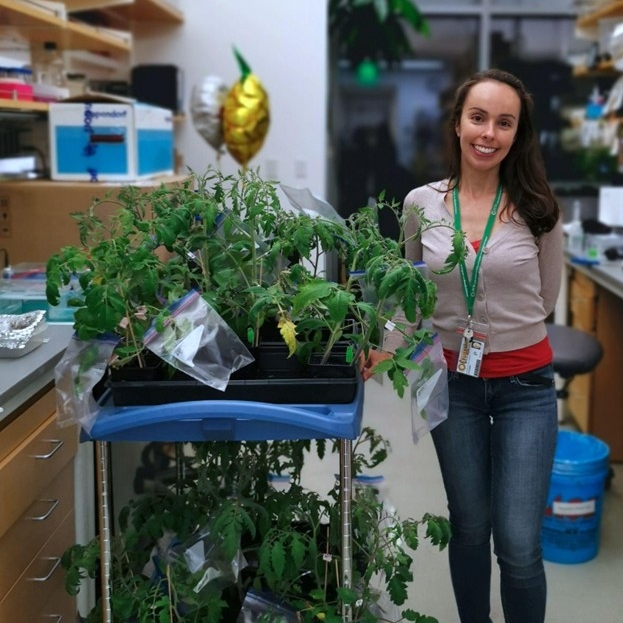 Daniela Paula de Toledo
Daniela Paula de Toledo Thomazella (she/her) is the First Author of Understanding microbiome shifts and their impacts on plant health during pathogen infections published 08 October 2025. She is a Researcher at University of Sao Paulo. Educational background includes: 2010 – Ph.D – Molecular Genetics at University of Campinas; 2005 – Bsc – Biological Sciences. Research interests include Genome Editing (CRISPR), Genomics, Transcriptomics, Plant-microbe Interaction, Microbiome. Personal interests include Pilates, Traveling.
“I was drawn to plants and science from an early age: captivated by nature’s beauty and compelled to understand it through reason and experiment. Growing up among family members who taught biology and relatives who farmed in Brazil gave me both intellectual curiosity and close familiarity with plants. That combination naturally guided me toward investigating the molecular mechanisms that support plant health: first by studying fungal pathogens during my PhD and later by applying CRISPR in tomato and other crops to translate basic discoveries into sustainable agricultural solutions.”
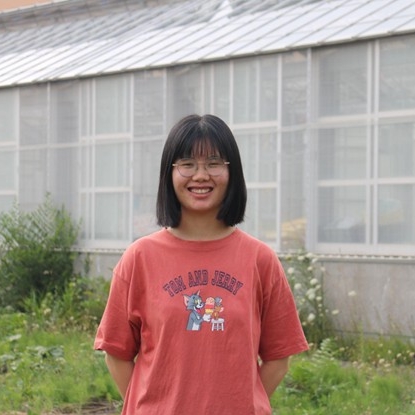 Shasha Wang
Shasha Wang (she/her) is the First Author of Two Stabiliser loci suppress Tam3 transposition without compromising transposase production in Antirrhinum published 02 September 2025. She is a Ph.D student in Graduate School of Agriculture, Hokkaido University. Educational background includes: 2021 MSc Graduate School of Agriculture, Hokkaido University; 2019 BSc College of Horticulture & Forestry Sciences, Huazhong Agriculture University. Research interests include Plant genetics and epigenetics, Plant molecular biology, Transposon, Biotic and abiotic stress. Personal interests include Badminton, Hiphop and Jazz dancing, hand-making.
“Firstly, I was interested in biology in high school because I could always get high scores on biology tests. I was afraid of bleeding, which led me to choose the major in plant biology in the undergraduate program. During my undergraduate years, many practice courses let me directly get in touch with different plants in different places. These were interesting and fun, and I started to be interested in plants. Later, I went to do the plant research (Antirrhinum) in my graduate study. As time goes by, I can find some secrets within Antirrhinum plants, which made me become interested in plant science.”
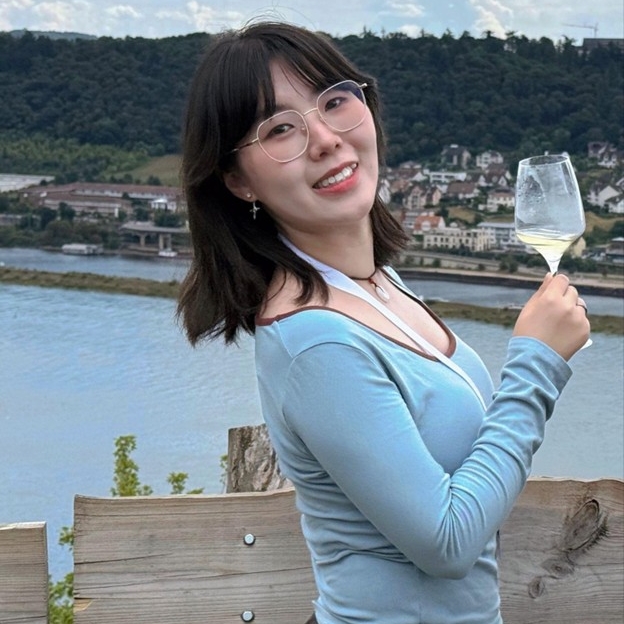 Xiao Meng
Xiao Meng (she/her) is the First Author of Roles of enzymes VvNCED1 and VvCCD1 in β-Damascenone Biosynthesis: Insights into Aroma Development in Grapes published 07 October 2025. She is a Ph.D. Candidate in Food Science and Engineering, China Agricultural University. Educational background includes: 2020 M.S.-Ph.D. program at China Agricultural University; 2016 B.E. in Viticulture and Enology, China Agricultural University. Research interests include Metabolism and regulation of aroma compounds, Plant hormones, and improvement in Grape Fruit Quality. Personal interests include Reading, Dancing, Yoga.
“My fascination with plant science began with a simple question: how do molecular processes in a plant create the complex flavors in our food and drink? This curiosity led me to pursue Viticulture and Enology for my bachelor’s degree. I was drawn to the grapevine, a perfect model where plant secondary metabolism translates directly into the sensory poetry of wine.
This path brought me to the Key Laboratory of Wine Processing at China Agricultural University for my Ph.D. I am deeply grateful to Professor Pan, my direct supervisor, who guided me into the world of grape flavor research, and to Professor Duan, who leads our lab and has provided immense support and a fantastic research platform. Under their mentorship, my work has focused on the metabolism of aroma compounds in grapes. My research revealed that VvNCED1 and VvCCD1 constitute a sequential enzymatic pathway for β-damascenone biosynthesis. Specifically, VvNCED1 cleaves 9’-cis-neoxanthin to generate a C25-allenic-apo-aldehyde, which VvCCD1 then converts into grasshopper ketone, a direct precursor to β-damascenone—a key aroma contributor in wines. This sequential model uncovers a direct molecular link between carotenoid metabolism and aroma formation, providing new insights into flavor development during berry ripening.
What I love about plant science is this journey of discovery—from a gene in the vineyard to a flavor in the glass. It’s a field that continuously connects fundamental biological wonder to tangible human experience. I hope to continue uncovering the hidden molecular conversations that make our interactions with plants so rich and delightful.”
 Asegidew Akale
Asegidew Akale (he/him) is the First Author of Maize root mucilage alters stomatal responses to soil and atmospheric drought: Implications for plant water use published 13 October 2025. Akale is a Doctoral researcher, Technical University of Munich (TUM), Germany. Educational background includes: 2025 PhD candidate at the chair of Root Soil Interaction, Technical University of Munich, Germany. 2020 MSc in Global Change Ecology, University of Bayreuth, Germany. 2013 BSc in Biology, Debre Berhan University, Ethiopia. Research interests include Plant and soil hydraulic traits, Root exudate, Rhizosphere. Personal interests include hiking, travelling, and exploring different cultures.
“I have been interested in plant science since primary school, fascinated by how plants respond to their environment—such as growing toward light or adapting to their surroundings.”
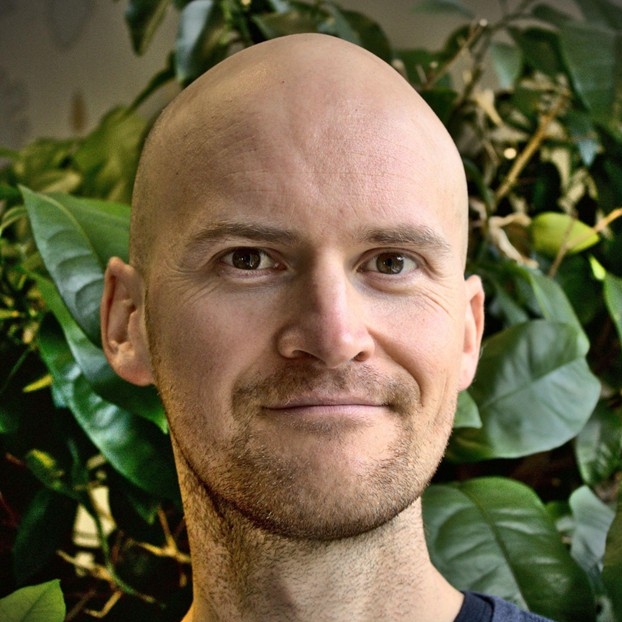 Johan Zicola
Johan Zicola (he/his) is the First Author of Vegetative to generative1 (Vgt1) is an enhancer affecting flowering time and jasmonate signaling in maize by promoting the expression of Zea mays Related to APETALA 2.7 published 03 October 2025. He is a Postdoctoral researcher at the University of Göttingen (Germany). Educational background includes: 2016 Ph.D Plant Molecular Biology at the Max Planck Institute for Plant Breeding Research, 2012 MSc in Agronomy at l’Institut agro Rennes, 2009 BSc in biological engineering at IUT Auch. Research interests include Plant epigenetics, regulatory sequences, heterosis, small RNAs. Personal interests include Dancing, reading, painting, piano.
“How were you drawn to plants and science?
Everything started when I was around 12 years old and discovered carnivorous plants in the pages of a children’s newspaper (Le Journal de Mickey). I started collecting them, writing cultivation reports, and reading again and again the few books I had on the subject (I had no internet at the time). I was sharing plants I propagated with friends at school who also became nerds about these plants. From this time, I knew my job would have to do with plants but I would have never guessed I would become a plant scientist. I am still growing carnivorous plants to this day!”
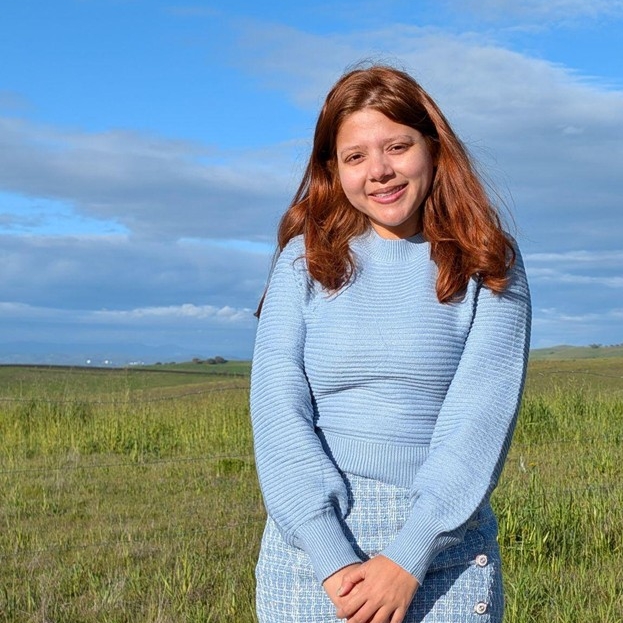 Poulami (Pol) Sarkar
Poulami (Pol) Sarkar (she/her) is the First Author of NPR1 suppresses Candidatus Liberibacter asiaticus-induced callose and reactive oxygen species accumulation published 21 October 2025. Sarkar is a Research Specialist at the University of California, Riverside. Educational background includes: 2018 Ph.D. Biotechnology at Bose Institute (University of Calcutta), 2012 M.Sc in Plant Molecular Biology and Biotechnology at Bose Institute (University of Calcutta), 2010 B.Sc. in Biotechnology Burdwan University. Research interests include plant-insect-microbe interactions, plant defense responses, molecular biology and advanced microscopy techniques. Personal interests include Hiking, Yoga, Reading, Dancing, and outreach activities for school kids.
“I’m really passionate about molecular biology, especially how it shapes interactions between different species and pathogens. I’m fascinated by how microbes evolve to infect, and how hosts respond at the cellular and genetic level.”
 Kai Wang
Kai Wang (he) is the First Author of Thiamine triphosphate puts the brake on the activation state of chloroplast ATP synthase published 25 September 2025. He is an Associate Researcher at Shenzhen University of Advanced Technology. Educational background includes: 2019 Ph.D in Life Science, Hong Kong University of Science and Technology; 2013 BSc in Life Science, Sun Yat-sen University. Research interests include Plant metabolism, Synthetic Biology, Biofortification. Personal interests include Hiking, Skiing, Theater, Rock music.
“How I learned plant science is also the story of how I learned to become an adult. After leaving my hometown to begin a B.Sc. in Life Science in Guangzhou, I first gained a broad foundation in biology. But it wasn’t until my Ph.D. studies in Hong Kong that I truly discovered plant science. Under the guidance of my supervisor, Prof. Ning Li, I was introduced to proteomic tools and to the fascinating secrets of how plants sense and respond to the environment— thigmomorphogenesis.
My next step took me to Geneva, where Prof. Thérésa B. Fitzpatrick offered me a precious opportunity to explore the beauty of plant metabolites. There, I studied vitamin B1 and saw how a single small molecule could play profound roles in metabolism, biosynthesis, and ultimately human nutrition. That experience sparked my passion for using plant science not only to answer fundamental questions but also to create benefits for society through biofortification.
In November 2024, I joined the SUAT (a “novel research-oriented university”) as an Associate Researcher. With the great support of Prof. Zhongchi Liu—the pioneer to introduce Fragaria vesca as a molecular model system, my current research focuses on establishing strawberry as a “chassis plant” for synthetic biology, with an emphasis on biofortifying key metabolic pathways. What excites me most about this work is the opportunity to combine curiosity-driven science with real-world impact: improving the nutritional quality of foods while also building new platforms for sustainable agriculture.”
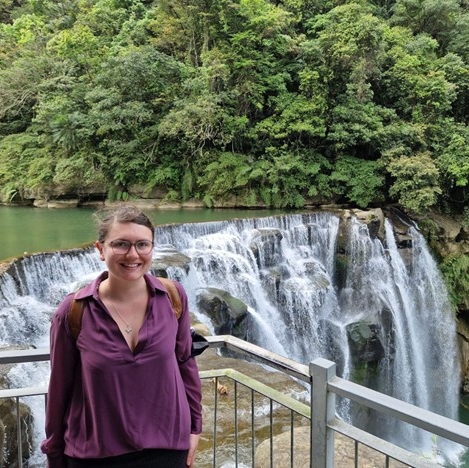 Franziska Kuhnert
Érica Mangaravite (she/her) is the First Author of Genome-Scale Metabolic Models in Plant Stress Physiology: Implications for Future Climate Resilience published 15 September 2025. She is a Postdoc position at Federal University of Viçosa (UFV), Brazil. Educational background includes: 2016 Ph.D. in Genetics and Plant Breeding at Federal University of Viçosa (UFV), Brazil; 2012 M.Sc. in Genetics and Plant Breeding at Federal University of Viçosa (UFV), Brazil; 2010 B.Sc. in Biology at Federal University of Espírito Santo (UFES), Brazil. Research interests include Genetic diversity, Molecular markers, Genome-scale metabolic models, Conservation, and Evolution. Personal interests include Meditation, watercolor painting, gym exercises, swimming, running, and yoga.
“I was first drawn to plant science during my Biology studies, when I wanted to bring more mathematics into my work. Genetics became the perfect bridge. At my university, most of the professors that worked with genetics focus on plant genetics and biotechnology, and I soon realized the vast possibilities that come from understanding genetic diversity—both for breeding and for conservation. Later, Evolution captured my heart. Studying genetics to explore phylogeny and phylogeography opened a whole new perspective. Using plants to uncover the history of forests felt truly fascinating—through DNA, we can reconstruct past events and even predict future scenarios. More recently, I have also been exploring metabolism. By integrating different datasets, we can predict metabolic fluxes and essentially “ask” what a system is uptaking and secreting. This way of combining knowledge excites me deeply—it confirms what I have always felt: I was born to be a scientist, to keep learning, and to unravel the complexity of life.”
 Erik Solhaug
Erik Solhaug (He/Him/His) is the First Author of Nectary starch degradation impacts nectar chemical composition, but not nectar sugars, in Arabidopsis thaliana published 15 October 2025. He is a Visiting Assistant Professor at Middlebury College (Biology Department). Educational background includes: 2021-2024 Postdoc in Integrative Biology at ETH Zurich, 2019-2021 Postdoc in Molecular Plant Biology at ETH Zurich, 2019 PhD Plant and Microbial Biology at University of MN, 2014 BSc Biology University of Puget Sound. Research interests include Floral nectar production, Nectary metabolism, Plant molecular genetics, Plant Biochemistry, Pollination ecology. Personal interests include Hockey, Food, Nature, Music, Video games.
“I became interested in plants because they are true underdogs. Plants have a tremendous capacity for being strong and flexible, sensing and responding to fluctuating environments and changing their biology to make the best of their situation. Although plants are clearly the foundation of our agricultural and natural ecosystems, many don’t appreciate the complexity and dynamism of plant biology. Thus, I feel plants can be underestimated at times, which I find interesting and gives an opportunity to educate others!”
 Doosan Shin
Doosan Shin (He/Him) is the First Author of Tomato pollen tube growth requires flavonol glycosylation published 01 November 2025. He is a Post-doctoral research associate at the University of Florida. Educational background includes: 2023 Ph.D Horticultural Sciences at the University of Florida. Research interests include Plant metabolism, Biotic stress. Personal interests include Fishing, Photography.
“I was first drawn to plants through my parents, who loved taking me on walks in the mountains and fields. They would explain the names and stories of different plants, and those experiences made me curious about how plants live and adapt. As I grew older, that curiosity deepened, and I wanted to move beyond just observing plants to understanding them at the molecular level. That is what led me to study plant science, where I could connect my childhood fascination with the deeper mechanisms that shape plant life.”
 Alexandra Pál
Alexandra Pál (she/her) is the First Author of Diverse triggers, common outcome: Senescence in Fix−Medicago truncatula nodules published 23 October 2025. She is a Junior researcher, Institute of Plant Biology, Biological Research Centre (HUN-REN), Szeged, Hungary. Educational background includes: 2025-PhD studies in Biology – University of Szeged (awaiting defense); MSc in Agricultural Biotechnology – Szent István University, Gödöllő; BSc in Biology – University of Szeged Research interests include .Symbiotic nitrogen fixation, Nodule development, Peptide signaling. Personal interests include traveling, reading, cooking, and indoor cycling (spinning).
“I have always been fascinated by the cooperation between plants and microorganisms. Symbiosis represents, to me, one of the most effective natural strategies for sustainable growth. Working with legume–rhizobium interactions allows me to explore how plants manage nutrient exchange and regulate nitrogen fixation at the molecular level — a process with both fundamental and agricultural relevance.”
 Lidia S Pascual
Lidia S Pascual (she/her) is the First Author of Multi-omics-based insights into tomato adaptation to multifactorial stress combination published 14 October 2025. She is a Postdoc Researcher at Universitat Jaume I . Educational background includes: 2025 PhD Biology, Biochemistry and Natural Sciences. Research interests include Abiotic stress, MFSC, multifactorial stress combination, tomato. Personal interests include Painting, running.
“I became interested in plant science because I’ve always been fascinated by how plants grow and adapt to their environment. As I learned more, I realized how essential plants are—not just for food, but for medicine, ecosystems, and even climate solutions. That curiosity developed into a real passion for studying them!”
 Eva Maria Gomez Alvarez
Eva Maria Gomez Alvarez (she/her) is the First Author of Rainfall patterns during barley seed development underlie genomic variation for germination after flooding published 09 November 2025. She is a Postdoc at Institute of Plant Sciences, Sant’Anna School of Advanced Sciences. Educational background includes: 2023 Ph.D in Agrobiodiversity in Scuola Superiore Sant’Anna; 2019 MSc in Plant Agroforestry in Polytechnic University of Madrid; 2018 BSc in Biotechnology in Polytechnic University of Valencia. Research interests include Plant genomics, Hypoxic responses in plants, Plant microbiome.Personal interests include Running, traveling, reading, music.
“My interest in plant sciences grew without me actually noticing. Everything started at the very beginning of my career path, where I started to pay attention to how plants manage to survive without being able to move. From that moment, I understood the high impact crop resilience has on society and how climate change is challenging it. This is the reason why I decided to study how plants face abiotic stresses, to understand how to face climate change.
Along the way, I have been very lucky to meet mentors who encouraged me to always stay curious and to ask as many questions as I could. I’m inspired and very interested by plant scientists who are able to connect molecular understanding with real-world impact by using both molecular and bioinformatic tools.”
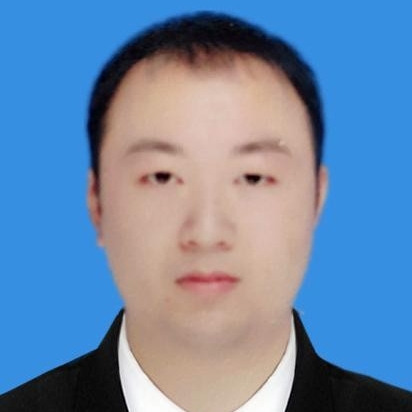 Yulong Zhao
Yulong Zhao (he/his) is the First Author of Chloroplast CASEIN KINASE 2 enhances maize thermotolerance via sHSP26 phosphorylation and retrograde HSFA3 regulation published 24 October 2025. He is a Research Assistant at Institute of Chinese Herbal Medicines, Henan Academy of Agricultural Sciences. Educational background includes: 2021 Ph.D Crop science at Henan Agricultural University; 2013 BSc Biotechnology at Henan Agricultural University. Research interests include Abiotic stress, Signaling and Response. Personal interests include Hiking, foodie.
“My supervisor, Professor Giuli Hu, has provided invaluable guidance throughout the course of my research. It is evident that the subject not only imparts the principles of experimental operation but also encourages the pursuit of inquiry at every stage of the process. Furthermore, she advocates an approach that embraces failure as an integral component of the discovery process. Her passion for unravelling the genetic mysteries of crop stress tolerance has had a significant impact on my decision to dedicate myself to research in this field.”
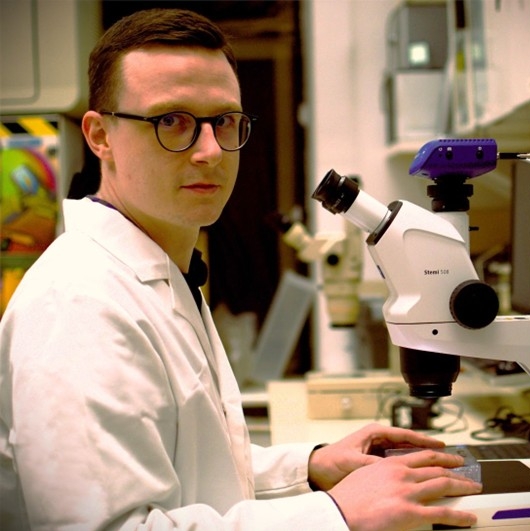 Wojciech Witek
Wojciech Witek is the First Author of Benzoic and salicylic acids inhibit β-substituted alanine synthase 4;1 in common bean published 06 October 2025. Witek is a Postdoc at Trinity College Dublin. Educational background includes: 2024 PhD in Structural Biology at the Insitute of Bioorganic Chemistry, Polish Academy of Sciences; 2019 Msc in Neurobiology at Adam Mickiewicz University, 2016 BSc in Biology at Adam Mickiewicz University. Research interests include: Structural biology of membrane and soluble proteins. Personal interests include Microscopy, gaming, hiking.
“My interest in plant science sparked during my PhD, when I had a chance to gain inights into the remarkable biochemistry of plants.Structural studies of the enzymes involved in histidine biosynthesis in plants allowed me to spot the similarities and differences in this pathway between plants and bacteria. This led me to structural biology of bacterial membrane proteins, which I’m currently focused on. The people who significantly contributed to my personal and scientific development, and to whom I am grateful, are without a doubt, Prof. Miłosz Ruszkowski, Prof. Mariusz Jaskólski, and Prof. Martin Caffrey.”
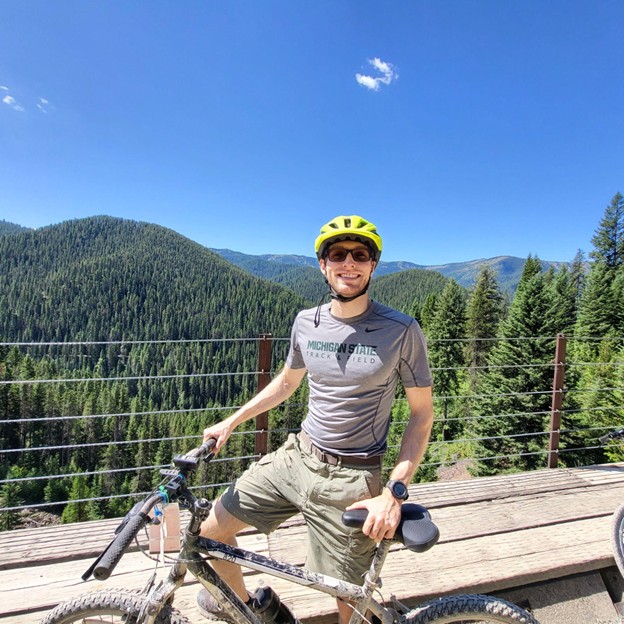 Sean McGuire
Sean McGuire (he/him) is the First Author of Complete replacement of Arabidopsis oil producing enzymes with heterologous diacylglycerol acyltransferases published 30 October 2025. He is a PhD Candidate at Washington State University. Educational background includes: 2017 BSc Biochemistry and Molecular Biology, Michigan State University. Research interests include Plant metabolism, Protein biotechnology. Personal interests include Running & Hiking.
“For as long as I can remember, I have been interested in biological function; thus, kindling a relentless passion for scientific inquiry and discovery. I even wonder what lipids are in the plants I see during a hike! Many mentors have inspired and guided me to conduct amazing research at the forefront of plant lipid metabolism; however, many horizons are yet to be explored!“
 Alka Tripathi
Alka Tripathi (she/her) is the First Author of Radial distribution of withanolides in tuberous roots of Withania somnifera is linked to ethylene-mediated regulation of Ws24ISO2 published 15 November 2025. Educational background includes: 2020-current: Pursuing Ph.D; 2018 MSc in Plant Sciences at University of Lucknow; 2015 BSc(Hons.) at University of Delhi, India . Research interests include Plant secondary metabolism, Plant system biology. Personal interests include Reading, Music..
“I pursued plant science after being inspired by the work of Gregor Mendel. My interest deepened while I designed experiments during my bachelor’s studies and observed the resulting phenotypic outcomes. This experience sparked my curiosity to learn more about plant metabolism and the underlying genetic causes.”
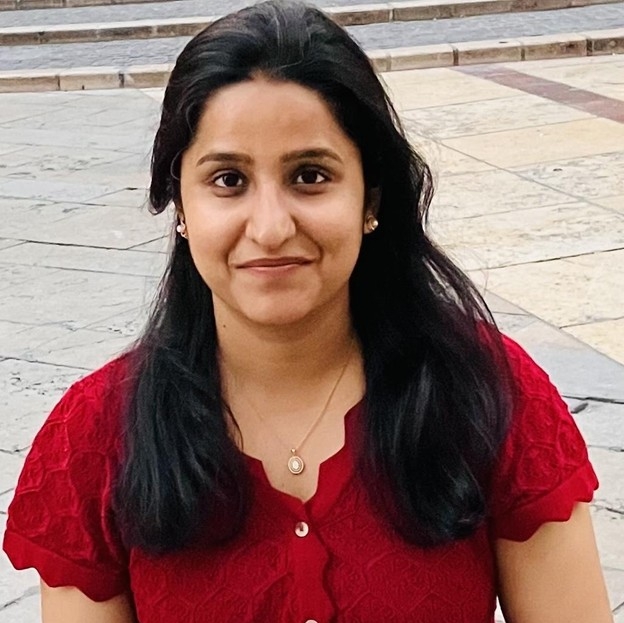 Madhu Tiwari
Madhu Tiwari (she/her) is the First Author of CYP81D11, an apocarotenoid-responsive cytochrome P450, enhances photosynthesis and stress tolerance in plants published 03 October 2025. She is currently a Postdoc. Educational background includes: 2020 Ph.D at Banaras Hindu University and National Botanical Research Institute, 2012 MSc Banaras Hindu University, 2009 BSc UP College. Research interests include Plant signaling during stress. Personal interests include Yoga.
“My interest in plant science began during my undergraduate studies in botany and chemistry, where I became fascinated by how plants adapt and thrive under diverse environmental conditions. This curiosity deepened during my master’s at Banaras Hindu University (BHU), where I was introduced to plant molecular biology and biotechnology. I was drawn to the intricate signaling networks that allow plants to respond to stress, which led me to pursue a Ph.D on rice–Agrobacterium interactions. Over time, working on molecular defense mechanisms, stress signaling, and genetic regulation in plants transformed my curiosity into a passion. What inspires me most is how understanding plant resilience at the molecular level can contribute to sustainable agriculture and help address the challenges of climate change.”
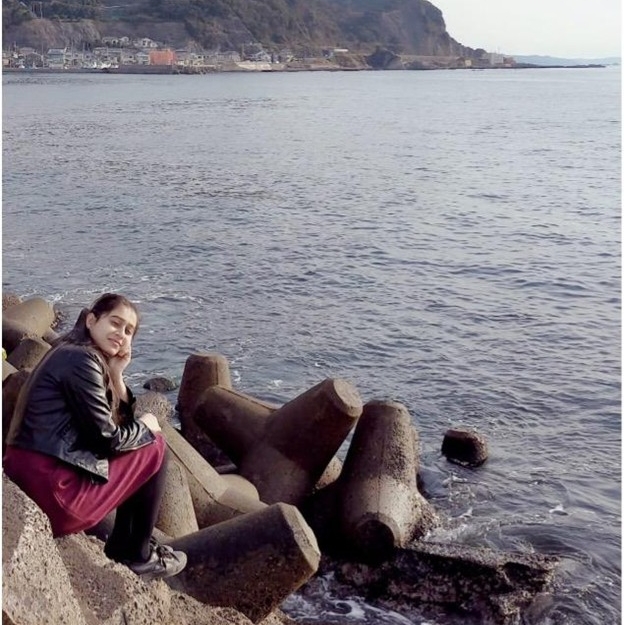 Megha Rai
Megha Rai (she/her) is the First Author of A Deep Dive into Plant Metabolomics: Milestones, Technologies, and Translational Impact published 24 September 2025. She is a Research Scientist, University of Illinois Urbana-Champaign (UIUC), USA. Educational background includes: 2019 Ph.D Pharmaceutical Sciences at Chiba University, Japan; 2012 Bachelor of Technology in Biotechnology at Amity University, India. Research interests include: Metabolomics, Specialized Metabolism, Multi-omics, Systems Biology. Personal interests include Reading novels, cooking, travelling.
“My fascination with the remarkable chemical diversity of plants began during my Ph.D. at Chiba University in the laboratory of Dr. Kazuki Saito, where a MEXT scholarship gave me the opportunity to explore how systems biology can reveal hidden biosynthetic pathways in medicinal plants. After continuing in the same lab as a postdoctoral researcher and later as an Assistant Professor, I deepened my interest in understanding how plants orchestrate specialized metabolism through integrative multi-omics and functional genomics. In 2024, I joined the University of Illinois Urbana–Champaign as a Research Scientist, where I am excited to bring this background into crops such as maize and soybean. My long-term goal is not only to unravel how plants evolved their extraordinary metabolic diversity, but also to translate these discoveries into innovations that enhance crop resilience, nutrition, and sustainability.”
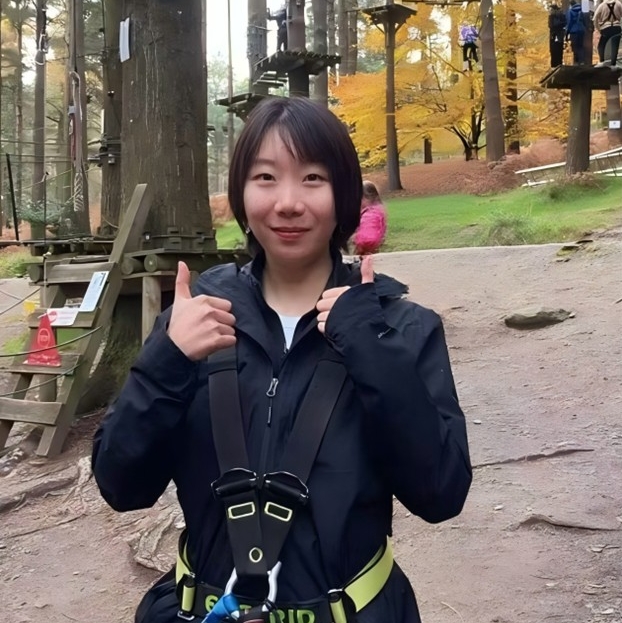 Jiaqi Shi
Jiaqi Shi (she/her) is the First Author of Self-incompatibility in monoecious Betula platyphylla involves S-RNase mechanisms published 24 November 2025. She is a Postdoc in Northeast Forestry University, Harbin, China. Educational background includes: 2024 Ph.D. University College Dublin; 2019 M.Sc. University College Dublin; 2016 B.Sc. Huazhong Agricultural University. Research interests include Plant reproductive development. Personal interests include Climbing, Pilates, and tree hugging (highly recommended).
“I’m interested in plant reproductive development. I focused on morphological and molecular mechanisms underlying floral development and sex determination in hemp during my PhD. I enjoy outdoor activities and got a postdoc opportunity to combine my research with my interests. My recent work explores reproductive development in forest trees, especially in compatible and incompatible pollination for cold climates and high-latitude tree species.”
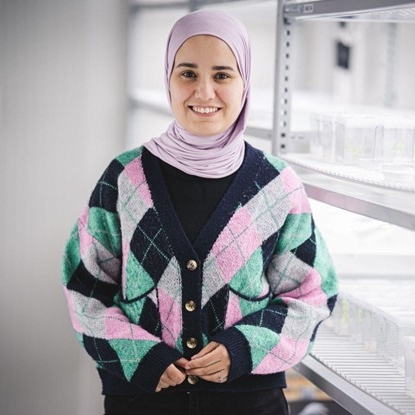 Samia Belaidi
Samia Belaidi is the First Author of MONOPTEROS isoform MP11ir plays a role during somatic embryogenesis in Arabidopsis thaliana, published 20 November 2025. Belaidi is a Ph.D. in Life Sciences, Central European Institute of Technology (CEITEC), Masaryk University, Brno, Czech Republic. Educational background includes: 2021: M.Sc. in Horticultural Genetics and Biotechnology, Mediterranean Agronomic Institute of Chania, Greece 2018: Engineering Degree in Crop Production Science, National Agronomic Institute of Tunisia. Research interests include Plant molecular biology. Somatic embryogenesis. Personal interests include Traveling.
“My interest in plant science began during my engineering studies at the National Agronomic Institute of Tunisia, where specializing in plant production science sparked my curiosity about how plants grow and adapt. This curiosity deepened during my Master’s studies in Horticultural Genetics and Biotechnology at MAICh in Greece, where working on cell wall related processes in tomato and collaborating with dedicated researchers further inspired me. Since then, I have been driven by the excitement of uncovering the molecular mechanisms behind plant development. Now, as a Ph.D. student at CEITEC studying how auxin and microRNAs regulate the embryogenic transition in Arabidopsis, I continue to be motivated by supportive mentors and colleagues, as well as my own fascination with the intricate molecular networks that shape plant life.”
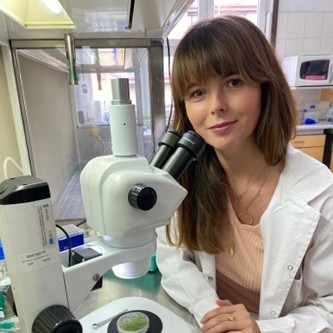 Barbara Wójcikowska
Barbara Wójcikowska (she) is the First Author of MONOPTEROS isoform MP11ir plays a role during somatic embryogenesis in Arabidopsis thaliana, published 20 November 2025. She is a Assistant Professor, Institute of Biology, Biotechnology and Environmental Protection, Faculty of Natural Sciences, University of Silesia in Katowice, Poland. Educational background includes: 2015 PhD Biology, University of Silesia in Katowice, Poland; 2009 MSc Biotechnology of plants and microorganisms, University of Silesia in Katowice, Poland. Research interests include Auxin, Histone acetylation, Plant tissue culture, Plant cell pluripotency, Somatic embryogenesis. Personal interests include Film Music, Cinematography, Nature exploration and travel, Collector plants, History of lost civilizations.
“My grandmother, as a young woman, could not continue her education. Since my childhood, which I spent in the countryside, she instilled in me the importance of nature, plants, and education. I knew that my life would be connected with biology. Combining genetics, molecular biology, and plants as a research model was the fulfillment of my dreams.”
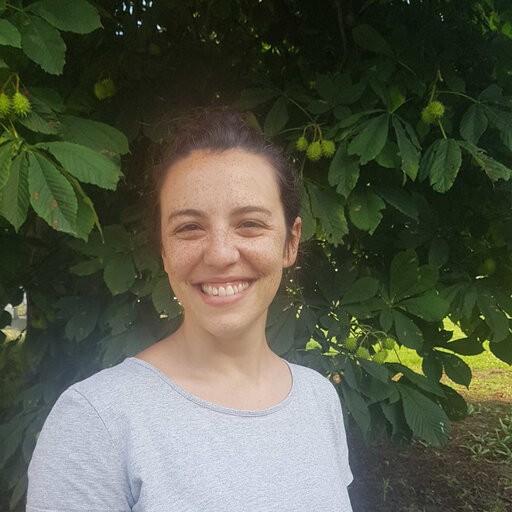 Denise Scuffi
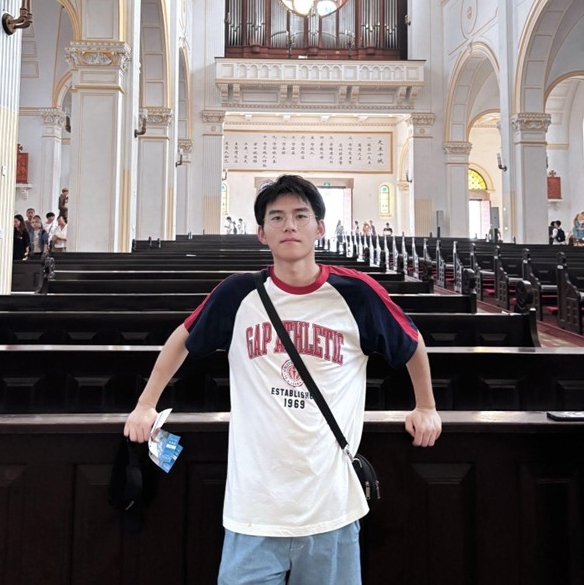 Renxiang Lu
Renxiang Lu is the First Author of Image-based rachis phenotyping facilitates genetic dissection of spikelet distribution in wheat published 19 December 2025 Lu is a Ph.D. Candidate at Institute of Genetics and Developmental Biology, Chinese Academy of Sciences \\. Educational background includes: 2019 MSc in Pomology, China Agricultural University; 2015 BSc in Horticulture, Zhejiang A&F University. Research interests include Plant Phenomics, Bioinformatics. Personal interests include Music, Tennis.
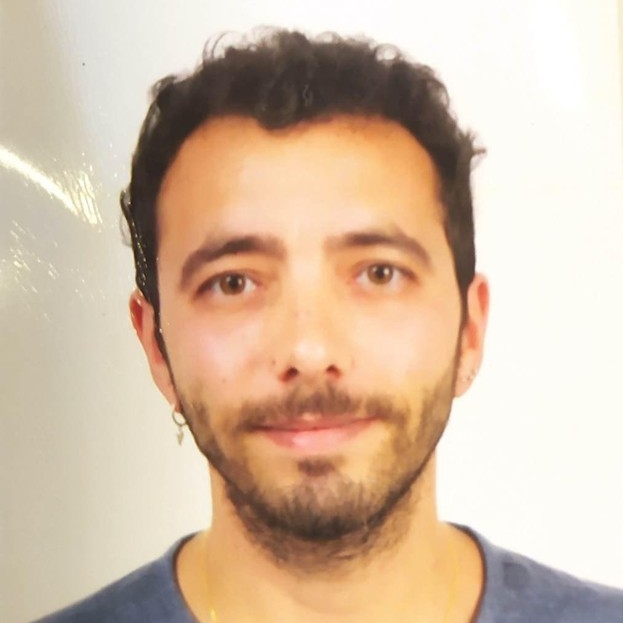 Diego Torres-Romero
Diego Torres-Romero is the First Author of APE1 is involved in the stabilization/formation of the RC47 complex of PSII in oxygenic prototrophic organisms published 17 December 2025. Diego is a Posdoctoral Researc
“I became interested in plant science during my undergraduate studies when I first learned how genetic and developmental processes shape plant traits. As I continued my training, I realized how powerful modern tools—from molecular biology to high-throughput phenotyping—can be in understanding and improving plants. Plant science excites me because it allows me to ask fundamental biological questions while also contributing to real agricultural impacts.”
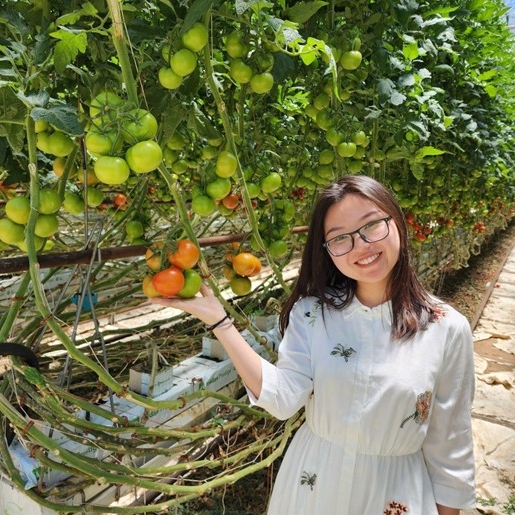 Jiacan Sun
Jiacan Sun (she/her) is the First Author of Arbuscular mycorrhizal colonization does not improve root hydraulic supply in tomato and pea published 23 December 2025. She is a PhD candidate at University of Tasmania. Education background includes: 2019 MSc in Agricultural Sciences at University of Tasmania; 2017 BSc in Agriculture at Northeast Agricultural University. Research interests include Plant symbioses; Plant water relations. Personal interests include Baking; Hiking; Pets; Movies.
“I was first drawn to plant science in middle school, when I made my first onion cell slice and looked at plant tissues under a microscope. I realized that plants, like humans, hide many fascinating secrets. As I continued to do well in biology exams, my interest and enthusiasm only grew stronger. I wanted to become someone who could uncover those secrets. Although plants cannot speak like humans, they have their own “language” and ways of communicating with the environment. They are absolutely intelligent organisms. Whenever I go to a new city, I visit the local botanical garden, which deepens my love for plants even further.
Throughout my scientific journey, I have been fortunate to receive guidance and support from many mentors and peers. My family, though not in the field of plant sciences, has also inspired me through their casual comments. The biological knowledge I accumulated in high school, the specialized training I received in university, and the methods I learned for studying plant science all guided me to the scientific path. They continue to motivate me to better understand and interpret the unique “language” of plants.”