
The Plant Cell Features January, February and March 2026 First Authors
Behind the manuscripts are researchers, professors, professionals, and students dedicated to advancing the field of plant science. You’ve seen our First Authors on Bluesky, X and Facebook— now, read more about why they chose to pursue plant sciences and click on the links to read their articles.
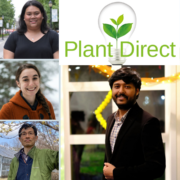
 Vinod Kumar
Vinod Kumar (he/him) is the First Author of Domain architecture of plant eukaryotic translation initiation factor 3 subunit E governs interaction with translational cis-elements to regulate pollen tube growth published 17 February 2026. He is a Postdoctoral researcher at the Laboratory of Pollen Biology, Institute of Experimental Botany of the Czech Academy of Sciences, Prague.
Education background includes: Ph.D. degree in Structural regulation of translation initiation factor eIF3E in plant gametophytes at the Faculty of Science, Experimental Plant Biology, Charles University, Prague, Czech Republic, in collaboration with the Institute of Experimental Botany of the Czech Academy of Sciences, Prague, Czech Republic. Research interests include understanding reproductive processes in flowering plants to identify novel regulatory pathways with potential function in seed development and crop improvement. Personal interests include travelling, reading, playing ping-pong, and badminton.
“I obtained a master’s degree in Plant molecular biology in 2016 from the University of Delhi (South campus), where my research focused on investigating the role of HD-ZIPs in abiotic stress responses. This project helped me understand that science progresses by deciphering one question of nature after another. Motivated by this curiosity, I joined the National Institute of Plant Genome Research as a Junior Research Fellow after my master’s, where I contributed to elucidating the functions of serine hydroxymethyltransferase 6 and 7 in plant resistance to pathogen infection. Through these experiences, I realized that this is something I am only passionate about, and science is a never-ending quest offering continuous learning. Building on my foundation in plant molecular biology, I moved to Prague (Czechia) and joined a PhD program at the Laboratory of Pollen Biology, Institute of Experimental Botany of the Czech Academy of Sciences. My doctoral research focused on uncovering the molecular mechanisms of translation regulation governed by the eIF3 complex during gametophyte development.“
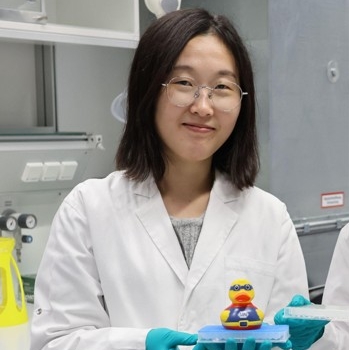 Moonyoung Kang
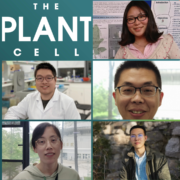
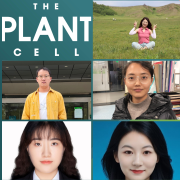
Moonyoung Kang (she/her) is the First Author of CONSTANS-LIKE 5 facilitates flower opening and scent biosynthesis in Solanaceae published 29 January 2026. She is a Postdoctoral researcher at Max Planck Institute for Chemical Ecology. Education background includes: 2023 Ph.D. Department of Biological Sciences at KAIST, 2017 BSc School of Biological Sciences, Seoul National University. Research interests include Plant metabolism, Biosynthesis, single cell omics. Personal interests include Cooking international foods.
“When I was a child, I enjoyed gathering wild greens in the mountains with my parents and listening to their comments on plants—such as which species were edible and which were used for specific purposes. As an undergraduate student at Seoul National University, I discovered that I also enjoyed working in the greenhouse and became interested in understanding how metabolites and their flux influence plant phenotypes.
I later moved to a newly established laboratory at KAIST as a graduate student and as one of the lab’s first members, drawn by its focus on plant specialized metabolites involved in interactions with other species. During this time, I had the opportunity to generate and analyze single-cell transcriptomic data. I observed that enzymes involved in certain metabolite biosynthetic pathways—synthesized in a coordinated manner without detectable intermediates—were highly correlated at single-cell resolution. We also identified a core regulator correlated with these enzymes, a discovery that is now published in The Plant Cell thanks to the leading first author Yuri Choi, who wrapped up the project.
Currently, I investigate biosynthetic pathways of plant alkaloids using single-cell omics approaches and enjoy learning new fields and gaining insights as a postdoctoral researcher. I look forward to expanding the scope of my research in plant metabolism field.”

Yuri Choi
Yuri Choi (she/her) is the First Author of CONSTANS-LIKE 5 facilitates flower opening and scent biosynthesis in Solanaceae published 29 January 2026. She is a Postdoctoral Researcher at Korea Advanced Institute of Science and Technology.
Education background includes: 2025 Ph.D. in Biology, Korea Advanced Institute of Science and Technology / 2018 BS in Horticulture, Chungnam National University
Research interests include Plant development, Reproductive physiology. Personal interests include hiking and journaling.
“While fundamental research is often questioned for its immediate applicability, I believe that every breakthrough in agricultural technology begins with a molecular understanding of basic mechanisms. I am fascinated by how uncovering hidden biological principles ultimately leads to powerful solutions for the farming industry.“
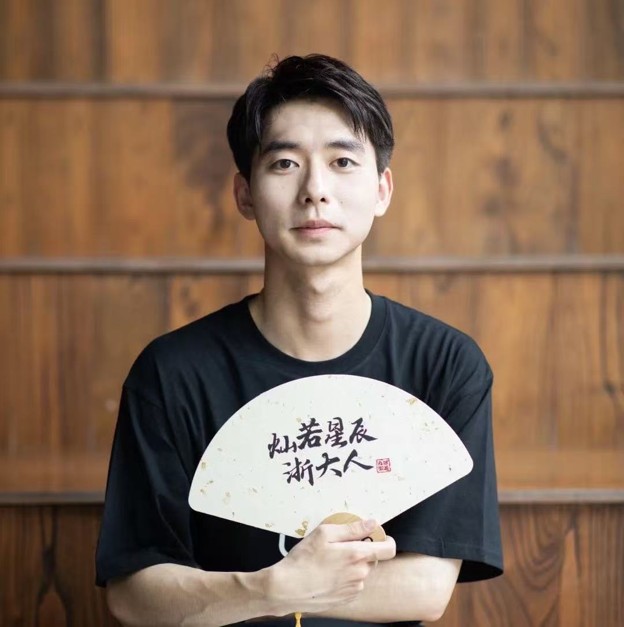 Jiarong Chen
Jiarong Chen (He/His) is the First Author of Structure-guided Discovery of Protein Functions in Plants published 9 February 2026. He is a PhD Student at Zhejiang University.
Education background includes a 2023 BSc Agriculture Zhejiang University. Research interests include Plant Peroxisome, Plant Structural Genomics. Personal interests include Reading.
“As a newcomer to plant science, I feel privileged to explore the intricate functions of plant proteins through the innovative lens of structural genomics. This field offers a fascinating window into the molecular foundations of life. I am deeply grateful for the guidance and mentorship of Dr. Ronghui Pan and Dr. Xingxing Shen, whose support has been instrumental in my research journey.”
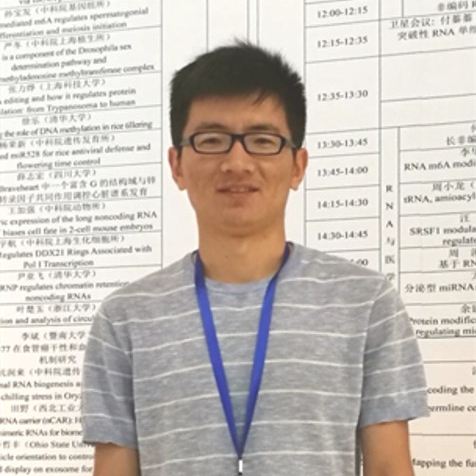 Xufeng Wang
Xufeng Wang (He/His) is the First Author of Soybean RNA polymerases IV and V repress defense response genes and plant immunity published 09 February 2026.
He is an Assistant Professor at Peking University. Education background includes: 2017 Ph.D, College of Agronomy and Biotechnology at China Agricultural University; 2011 BS, College of Agronomy at Nanjing Agricultural University. Research interests include Plant small RNAs and RNA modifications. Personal interests include Playing Basketball, Fishing.
“My interest in plant science research stems from a long-standing curiosity about how scientists uncover the fundamental principles of life. Since college, I have been fascinated by the process of using experimental approaches to investigate biological phenomena. This interest deepened during my time at China Agricultural University, where I gained extensive hands-on experience in genetic experiments and learned how to apply bioinformatic tools to address scientific questions. My postdoctoral work allowed me to pursue several projects in plant small RNAs and RNA modifications. Currently, as a member of Prof. Xuemei Chen group at Peking University, I am actively engaged in studying plant non-canonical RNA cap modifications, including NAD-caps, UDP-Glc caps and so on. In addition, we have also begun to undertake some research on cloning soybean genes, aiming to cultivate new soybean varieties that are more productive, more resistant to diseases and pests.”
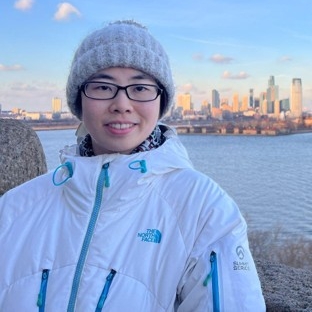
Ye Xu
Ye Xu (she/her) is the First Author of Soybean RNA polymerases IV and V repress defense response genes and plant immunity published 09 February 2026. She is a senior scientist at Arnatar Therapeutics. Education background includes: 2022 Ph.D plant pathology at University of California, Riverside, 2014 MS in plant biology, Michigan State University. Research interests include the regulation of small RNA function. Personal interests include Hiking, skiing.
“Plants are the world’s most elegant biochemical computers, and small RNAs are one of their slickest lines of code. With tiny strands of RNA (miRNAs and siRNAs), plants can fine-tune gene expression, silence transposons, and even “remember” threats through epigenetic control.“
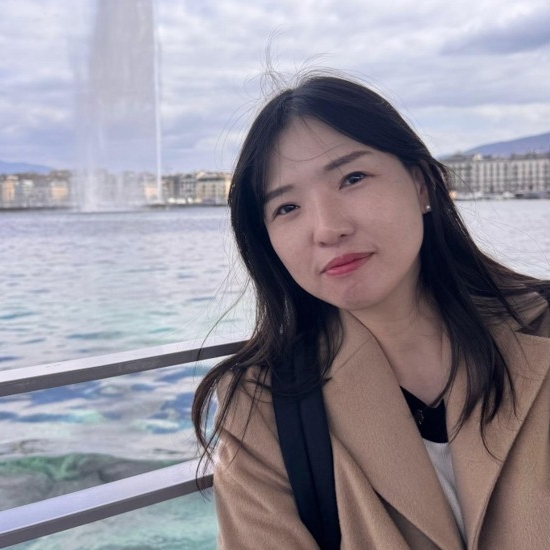 Junghyun Kim
Junghyun Kim (she/her) is the First Author of Chromatin remodeling at the C-REPEAT BINDING FACTOR cluster controls growth retardation at low ambient temperature published 19 January 2026. She is a Research Associate at the University of Texas at Austin. Education background includes: 2017 Ph.D Biological Sciences at Korea Advanced Insititute of Science and Technology (KAIST). Research interests include Chromatin remodeling, Environmental stress. Personal interests include Movies, Camping.
“I became interested in plant science during my sophomore year of college when I took a plant taxonomy course. Learning about the diversity of plant forms, their classification, and distribution sparked my curiosity about the mechanisms that shape plant morphology and adaptation.
I love plant science because plants provide a powerful system to study how organisms integrate environmental signals into growth and development. Their remarkable plasticity and ability to adapt to changing environments continue to inspire both fundamental and applied scientific questions.
I have been deeply inspired by my mentors, particularly my doctoral and postdoctoral advisors, who taught me how to ask rigorous scientific questions and approach research with creativity and integrity. Their guidance has shaped my scientific thinking and my interest in chromatin-based regulation of gene expression.”
Lorenz J. Holzner
Lorenz J. Holzner (he/his) is the First Author of The chloroplast ionome shines light on the dynamics of organellar iron homeostasis published 30 January 2026. He is a Doctoral candidate at LMU Munich. Education background includes:2021 MSc Molecular and Cellular Biology at LMU Munich 2019 BSc Biology at LMU Munich . Research interests include Ion homeostasis at the chloroplast with special focus on iron. Personal interests include Watersports, Aviation.
“My interest in biology stems from the fascination with the molecular function of living organisms, which cannot be seen with the eye. During my bachelor’s in biology, I got interested in plant sciences as they offer a wide range of research topics from photosynthesis to nutrient homeostasis or response to different stress situations. Furthermore, discoveries in plant sciences’ basic research can later be transferred into improving agriculture, which is a good basic motivation for everyday work. During my doctoral thesis in the Kunz lab, I focused on ion homeostasis in the chloroplast with special interest in the plant micronutrient iron.“
Shixiang Wang
Shixiang Wang(he/his) is the First Author of KIN10-mediated phosphorylation attenuates cooperative repression of oil accumulation by AHL14 and AHL29 in Arabidopsis seeds published 04 March 2026. He is a PhD Candidate, Northwest A&F University. Education background includes: 2017 MSc in Pomology, Northwest A&F University; 2012 BSc in Horticulture, Gansu Agricultural University. Research interests include Crop genetics and breeding, Seed oil accumulation. Personal interests include travelling and music.
“I grew up in the countryside of Northwest China, surrounded by wheat fields and orchards. As a child, I was simply curious about why some fruits tasted sweeter or why certain seeds held more oil. That early curiosity stayed with me and gradually evolved into a scientific pursuit during my undergraduate studies in horticulture. The real turning point came when I joined my master’s and doctoral programs at Northwest A&F University. My advisors opened the door for me to see plant science not just as a subject, but as a way of asking meaningful questions about life and agriculture. Their patience and passion taught me how to think deeply and to persist through challenges. I’m also deeply grateful to my wife, who is herself a plant science Ph.D. Having a partner who truly understands both the struggles and the joys of research, from late nights in the lab to small moments of breakthrough, has been an irreplaceable source of strength. In many ways, plants have shaped not only my career but also my relationships and my perspective on life.”

Ludi Wang
Ludi Wang (She/her) is the First Author of Papaver S-determinants trigger mitochondrially derived ROS production and disrupt energy metabolism in incompatible pollen tubes published 19 February 2026. She is a Research Associate at Sainsbury Laboratory University of Cambridge. Education background includes: 2016 PhD in Plant Science at the University of Bath, UK 2012. MSc in Biosciences at the University of Bath, UK; 2011 BSc in Biotechnology at the Dalian University of Technology, China. Research interests include Plant cell biology, cell-cell communication, reproductive signalling, and programmed cell death. Personal interests include playing piano and violin.
“My curiosity about science began long before I knew it was a career option. As a child, I was endlessly fascinated by the living world: I spent hours observing plants and animals and reading books about biology and medicine. Choosing Biology for my undergraduate studies was a natural continuation of that curiosity, and it set me firmly on the path toward bioscience research.
I came to the UK in 2011 to pursue a Master’s degree at the University of Bath, where my interest turned into a passion for plant science. I was particularly interested in plants’ ability to coordinate complex behaviours without a nervous system—how individual cells communicate to make collective decisions. This fascination with cell–cell communication led me to plant reproduction as a powerful system for asking fundamental biological questions. In 2012, I joined Dr James Doughty’s lab for my PhD, where I studied cysteine-rich proteins (CRPs) in the pollen coat, specifically the Pollen Coat Protein B class (PCP-B), and their role in regulating pollen–stigma compatibility. This work deepened my interest in the complex molecular signalling in shaping reproductive outcomes. After completing my PhD, and a short period as a research technician at the University of York, I joined Dr Maurice Bosch’s lab at Aberystwyth University in 2017 as a Postdoctoral Research Associate. Working closely with Professor Noni Franklin-Tong and Professor Nick Smirnoff, I was fortunate to be part of a highly collaborative and intellectually stimulating team. Together, we made significant progress in uncovering the cellular and signalling mechanisms underlying Papaver (poppy) self-incompatibility using engineered Arabidopsis. In 2025, I joined Professor Madelaine Bartlett’s lab as a Research Associate at the Sainsbury Laboratory, University of Cambridge, where I continue to explore the molecular mechanisms that modulate plant reproductive development. These mentors profoundly shaped my scientific development, not only through their curiosity and expertise but also through their generosity and commitment to providing advice and support.
My research experience has allowed me to investigate fundamental principles of life while also addressing questions that matter deeply for society. My long-term goal is to contribute to improved breeding targets and strategies—an essential step toward securing global food production in a changing world. This motivation drives my ongoing exploration of developmental and reproductive processes.”
 Ryan Christopher Eng
Ryan Christopher Eng (he/him) is the First Author of CESA7 and microtubules pattern complex secondary cell walls in explosive fruit of Cardamine hirsuta published 11 March 2026.
Eng is a Scientific Grant Writer at the University of Calgary. Education background includes: 2015 PhD Botany at the University of British Columbia, 2009 BSc Biology at the University of British Columbia. Research interests include Plant Cell & Developmental Biology. Personal interests include Baking, hanging with his nephew, Eli, and Biking.
“My interest in plant science comes from trying to understand the natural mechanisms that act like tiny machines, from kinesin motor proteins moving along microtubules to fruit valves that explosively disperse seeds. I’ve always been drawn to how plants solve complex problems in such elegant, often unexpected ways.
I’ve also been really lucky to be mentored by Geoffrey Wasteneys, Arun Sampathkumar, and Angela Hay. They’ve shaped how I think about science and, more importantly, helped me keep loving plants and research, even on the days when it’s hard.”
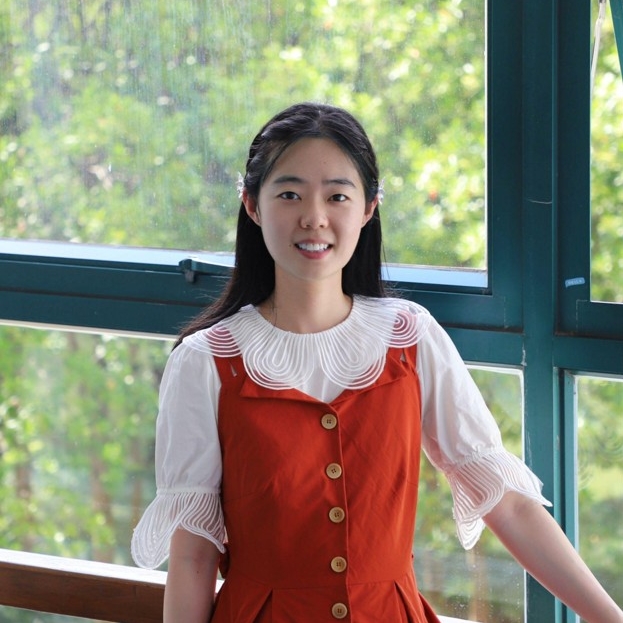 Mengzhuo Li
Mengzhuo Li is the First Author of SlYTH3 regulates tomato leaf senescence via recognition of N6-methyladenosine-modified SlHDZIV2 transcripts published 12 March 2026. Li is a Postdoctor at Zhejiang University. Education background includes: 2018-2023 Ph.D. in Horticulture, Zhejiang University 2014-2018 B.Sc. in Forestry, Northeast Forestry University. Research interests include Epigenetic modification, Plant development. Personal interests include swimming and singing.
“After graduating with a bachelor’s degree in 2018, I had the privilege of joining Professor Lu Gang’s research group at the College of Agriculture and Biotechnology, Zhejiang University. Under the guidance of Professor Lu Gang and Researcher Pan Changtian, I embarked on my research journey exploring the regulation of tomato development by m6A epigenetic modifications.
We systematically investigated the molecular mechanism by which m6A modification regulates tomato leaf senescence, revealing the core function of the key regulatory module SlYTH3-SlHDZIV2-SlATG5 in this process. This discovery provides new insights into the epitranscriptional regulatory network governing plant senescence and establishes a theoretical foundation for the molecular improvement of anti-aging traits in tomato.
Following the completion of my Ph.D. in 2023, I continued my research at Zhejiang University as a postdoctoral fellow. My current research focuses on the development and application of novel CRISPR editing systems. We aim to create more efficient and precise editing tools to expand the possibilities for regulating plant growth and development, thereby providing technical support for the targeted improvement of important agronomic traits.”

José Elias Trujillo Esquivel
José Elias Trujillo Esquivel (he/his) is the First Author of The Marchantia polymorpha recombinase MpRAD51 is at the crossroads of morphogenesis and the DNA damage response published 27 March 2026. He is a Senior Technician A at Centro de Investigación Científica y de Educación Superior de Ensenada. Education background includes: 2026 Ph. D in Integrative Biology at Centro de Investigación y de Estudios Avanzados (UGA-UI); 2014 MSc in Biology at Universidad de Guanajuato; 2012 BSc Pharmaceutical Chemist Biologist at Universidad de Guanajuato. Research interests include DNA metabolism and repair, Plant evolution, Developmental biology, Biochemistry and structural biology, Cancer biology. Personal interests include Singing, Dancing, Playing Volleyball, Board games, Video games, Dining out.
“My interest in plant science began with a fascination for how living organisms adapt to stress and environmental changes. I was drawn to plants because they are resilient systems, constantly balancing DNA metabolism, repair, and growth while facing external challenges. What I love most about plant science is its intersection with evolution and molecular biology — it allows us to connect fundamental biochemical processes with broader ecological and developmental outcomes. Along the way, I’ve been inspired by mentors who emphasize curiosity, rigor, and creativity in research, reminding me that science is not only about solving problems but also about asking better questions.”
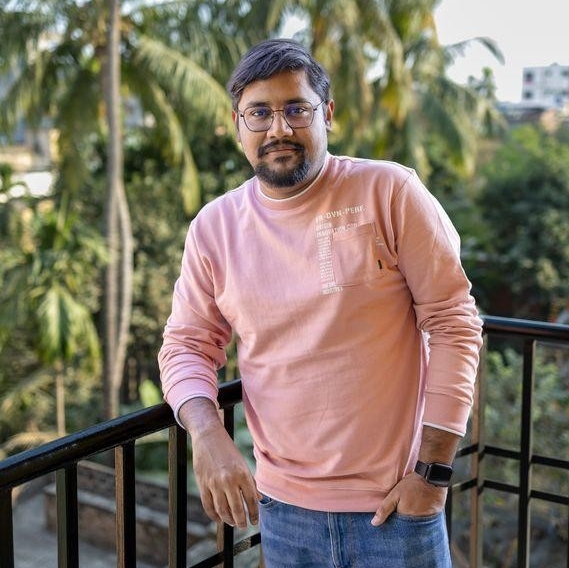
Dipanjan Chakrabarti
Dipanjan Chakrabarti (he/him) is the First Author of Conserved hinge regions in SYMRK enable release of Malectin-like Domain for symbiont passage during rhizobia-legume symbiosis published 03 March 2026. He is a Research Scholar in the Department of Biochemistry, University of Calcutta. Education background includes: 2025 Ph.D Biochemistry at Ballygunge Science College, University of Calcutta; 2016 MSc Biochemistry at Ballygunge Science College, University of Calcutta; 2014 BSc Microbiology at St. Xavier`s College, University of Calcutta.
Research interests include Plant-microbe interaction during root nodule symbiosis.Personal interests include Trekking, Hiking, Photography, Listenting and Composing music.
“I was originally trained as a biochemist, and my interest in plant science developed during my PhD while working in the lab. As I started studying signaling proteins and receptor kinases, I became fascinated by how plants regulate complex biological processes at the molecular level. Working on plant–microbe interactions and symbiotic signaling made me realize how elegant and dynamic plant systems are. Over time, what began as a biochemical question turned into a deeper curiosity about how plants communicate with beneficial microbes and coordinate cellular responses. I enjoy plant science because it allows me to combine biochemistry, molecular biology, and cell signaling to understand fundamental mechanisms that are also important for sustainable agriculture. I have also been fortunate to learn from mentors and colleagues who encouraged me to explore challenging questions in plant signaling and symbiosis.”
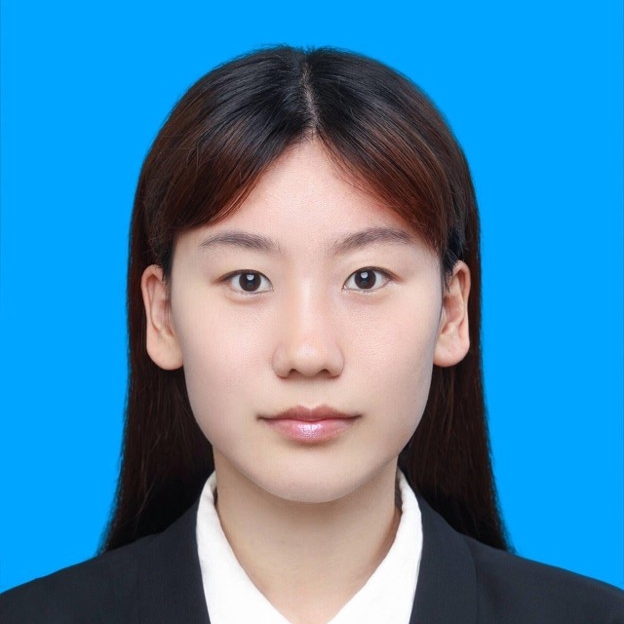 Jiaqi Zuo
Jiaqi Zuo (she/her) is the First Author of Cryo-EM structures of Oryza sativa MRP5 reveal phytate accumulation mechanism in plant vacuoles published 24 March 2026. Zuo is a PhD Student, National Key Laboratory of Crop Genetic Improvement, Huazhong Agricultural University. Education background includes: 2026 (Expected) Ph.D. in Biochemistry and Molecular Biology, Huazhong Agricultural University; 2021 M.Sc. in Biochemistry and Molecular Biology, Huazhong Agricultural University; 2019 B.Sc. in Biological Science, Huazhong Agricultural University. Research interests include Research interests focus on the mechanisms of nutrient transport in plant vacuoles. Personal interests include doing handcrafts and growing flowers.
“I first became interested in plant science during high school biology class, and my undergraduate studies further opened my eyes to the amazing microscopic world of plants. I love plant science because plants are sessile yet incredibly dynamic, carrying out complex and fascinating life processes at the microscopic level, and I am always eager to uncover their hidden mysteries. I am deeply inspired by my supervisor, Professor Liu Zhu, whose research focuses on the molecular mechanisms of plant nutrient transport and who has guided and encouraged me throughout my research journey. I was truly drawn into plant science five years ago, when I published my first paper on plant phosphorus homeostasis as a second author. Experiencing the full process of solving a scientific problem made me feel I had finally stepped into the field I am truly passionate about.”
Ying Tang
Ying Tang(she/her) is the First Author of Cryo-EM structures of Oryza sativa MRP5 reveal phytate accumulation mechanism in plant vacuoles published 24 March 2026. Tang is a Master’s student at National Key Laboratory of Crop Genetic Improvement, Huazhong Agricultural University. Education background includes: 2027 MSc (expected) Biochemistry and Molecular Biology at Huazhong Agricultural University; 2024 BEng Bioengineering Hunan University of Science and Technology. Research interests include Molecular mechanisms of plant phosphate homeostasis. Personal interests include Cycling, Hiking.
“My fascination with plant science is rooted in the sophisticated molecular coordination that enables sessile organisms to maintain physiological homeostasis within fluctuating nutritional environments. I am specifically compelled by the study of plant phosphate regulation, as it provides a profound opportunity to investigate how complex signaling networks and transport proteins integrate environmental nutrient status into precise cellular responses. By integrating molecular biology with the rigorous analysis of protein structure and function, I aim to elucidate the biophysical principles governing phosphate translocation and the allosteric regulation of key transporters. Ultimately, deconstructing these intricate molecular systems provides the fundamental knowledge necessary to enhance nutrient use efficiency and improve crop resilience under nutrient-limited conditions.“
Jinfeng Zhao
Jinfeng Zhao (she/her) is the First Author of PtrSHR1 coordinates vascular cambium proliferation and xylem lignin biosynthesis to regulate wood formation in Populus trichocarpa published 23 March 2026. She is a Ph.D. student at Northeast Forestry University.
Education background includes: 2018 MSc in Agriculture at Northeast Agricultural University ; 2015 BSc in Agriculture at Henan Agricultural University. Research interests include Secondary growth, Cambium development, Wood formation. Personal interests include Running, Traveling, Badminton.
“My interest in plant science began during my undergraduate studies, where I developed a fascination with ornamental plants. This curiosity grew as I explored their cultivation and propagation. During my master’s studies, I focused on the molecular biology of stress resistance in vegetables, which expanded my understanding of plant biology and highlighted the ornamental potential of vegetables. This sparked my deeper interest in plant growth and development. For my Ph.D., I chose forest genetics and breeding, with a focus on wood formation and secondary growth. Professors Vincent L. Chiang and Wei Li have been major influences, inspiring my research on the molecular mechanisms of cambial activity and wood development. Their work reinforced my belief in the potential of molecular breeding for developing high-yielding, high-quality, and stress-resistant forest tree varieties.“
 Jucan Gao
Jucan Gao(He/His) is the First Author of Structure-guided Discovery of Protein Functions in Plants published 09 February 2026. He is an Associate professor at Zhejiang University of Technology. Education background includes: 2022 ph.D Biological Chemical Engineering at Zhejiang University. Research interests include Synthetic biology, Plant natural products.Personal interests include Running, Swimming.
“There are many small molecules in plants that can effectively treat the diseases we are currently facing.”
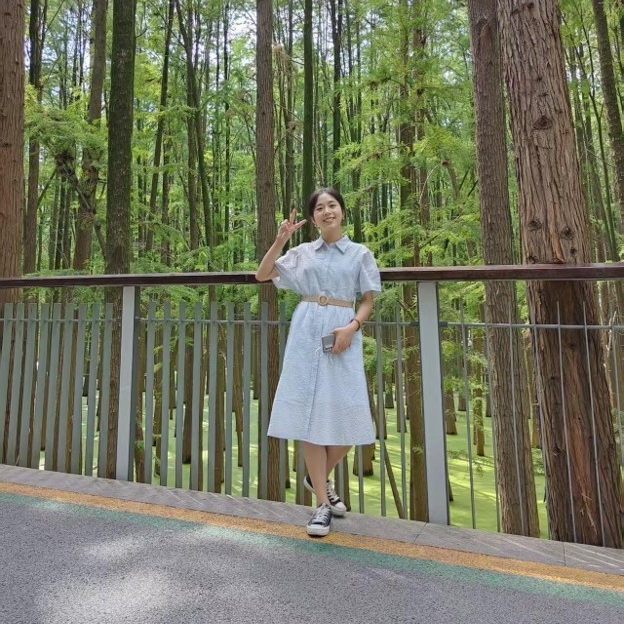 Yuchan Zhang
Yuchan Zhang (she/her) is the First Author of Structure-guided Discovery of Protein Functions in Plants published 09 February 2026.She is a Postdoctoral Fellow at Shanghai Institute for Drug Control. Education background includes: 2023 Ph.D in Agriculture at Zhejiang University; 2017 BSc in Agriculture at Zhejiang University. Research interests include Plant peroxisome, Organelle function in development. Personal interests include Painting.
“My research was conducted under the guidance of Professor Ronghui Pan, who introduced me to the field of plant peroxisomes. Throughout our work, he provided constant support and taught me the rigorous approach and critical thinking essential to scientific work. His mentorship has been fundamental to my development as a researcher.”
 Yanlei Feng
Yanlei Feng (he/his) is the First Author of Structure-guided Discovery of Protein Functions in Plants published 09 February 2026. Feng is a Associate Research Professor at Zhejiang University Hangzhou Global Scientific and Technological Innovation Center. Education background includes: 2020 Ph.D in Botany, University of Muenster; 2016 MSc in Botany, Institute of Botany, Chinese Academy of Sciences; 2009 BSc in Biology, Hebei Agricultural University. Research interests include Plant genome, Phylogeny, Evolution. Personal interests include Running.
“My grandfather has been my first and fondest mentor in botany. He loves gardening in our yard and has always grown many plants not native to our area. This sparked my deep fascination with plants from a young age and led me to pursue botany in university. I love him dearly.”

Alexander Overholt
Alexander Overholt (he/him) is the First Author of EPFL1 and EPFL2 signaling reinforces cell fate specification during ovule initiation in Arabidopsis published 16 March 2026. He is a Post-doctoral Researcher at the University of Tennessee Knoxville. Education background includes: 2024 Ph.D Biochemistry Cellular and Molecular Biology University of Tennessee Knoxville, 2018 BSc Biochemistry Cellular and Molecular Biology University of Tennessee Knoxville. Research interests include Plant organogenesis, Intercellular communication. Personal interests include Fishing, Music.
“I have been interested in the complexity of nature and biology from an early age. My family played a major role in supporting me and my interests. I love the complexity and beauty of plants, and I strive to help further our understanding of this.”
 Clair Wootan
Clair Wootan (she/her) is the First Author of DNA repair under heat: DNA Polymerase λ modulates heat stress-induced mutagenesis in plants published 24 March 2026. She is a Graduate Student at The University of Minnesota. Education background includes: 2021 BS Biodiversity and Conservation at Brigham Young University. Research interests include DNA repair, Genome editing, Abiotic stress. Personal interests include Cross-stitch, Reading, Hiking, Gardening.
“I grew up hiking and camping through the western United States, where many family trips involved catching small amphibians, identifying plant species, and debating what plants were edible. Those early experiences, marveling at the natural world around me, shaped my interests and pointed me towards plant sciences. What I love most about plant biology is the variety of physiological and molecular mechanisms plants use to survive and endure stress. By studying stress responses, I want to gain insights that help engineer crops better able to survive in a changing and increasingly stressful environment.