

Plant Science Research Weekly: June 5, 2026
Special issue on methods to assess crop stress resilience
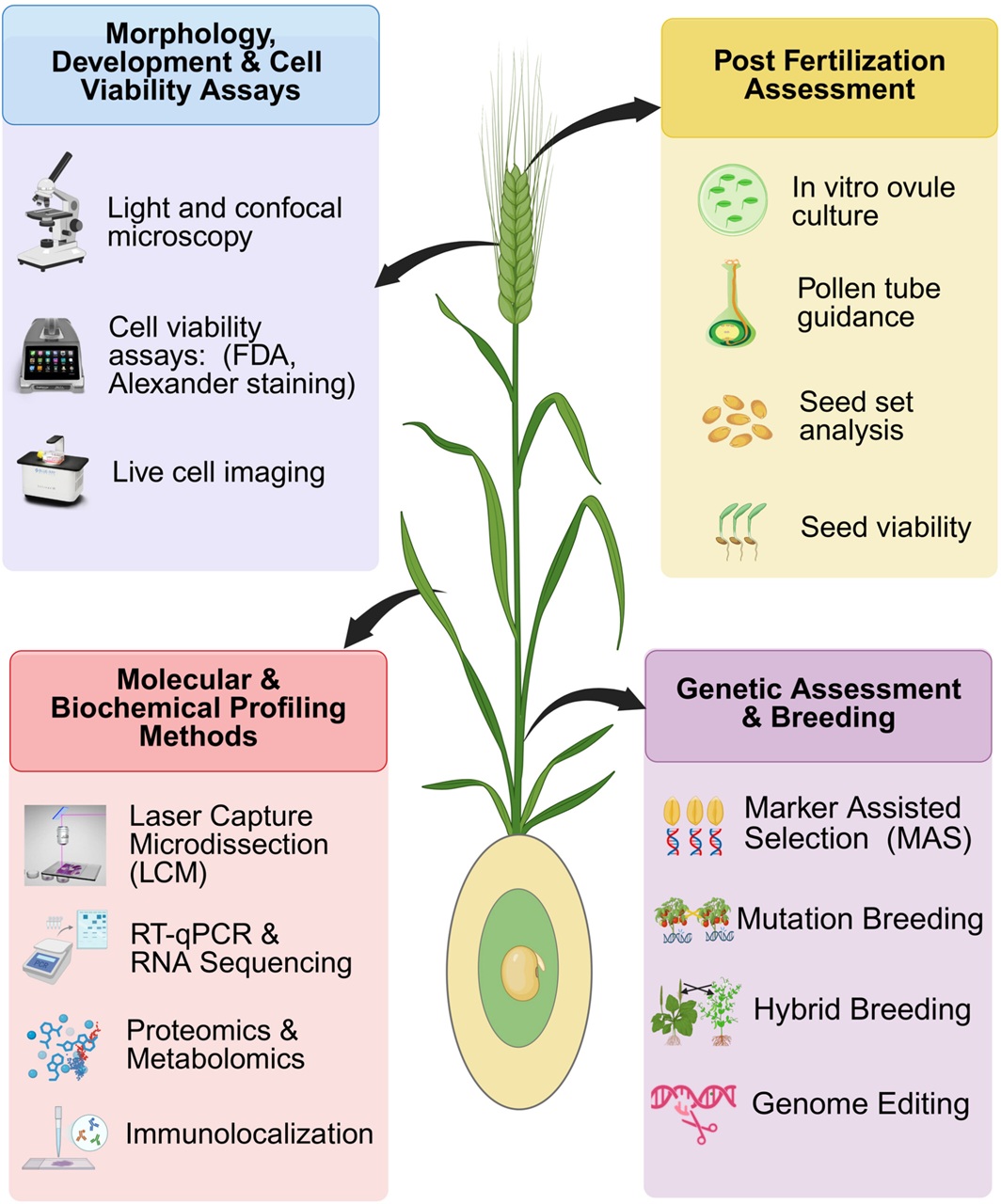 Our food crops are threatened by ever-increasing environmental challenges as a consequence of climate change. It’s critical that we develop strategies to monitor and mitigate these stresses, but it’s also a huge undertaking. A new focus issue in Physiologia Plantarum provides a set of articles that span diverse methods and tools to assess crop stress resilience. The introductory editorial (https://onlinelibrary.wiley.com/doi/10.1111/ppl.70921) provides an excellent overview of the collected articles. The authors group the collection into three sections dealing with (1) imaging and phenotyping stress responses, (2) assessing the molecular responses to stress, and (3) enhancing resilience through priming. The collection is a terrific resource, and the complete list of articles is here https://onlinelibrary.wiley.com/doi/toc/10.1111/(ISSN)1399-3054.crop-stress. (Summary by Mary Williams @PlantTeaching.bsky.social)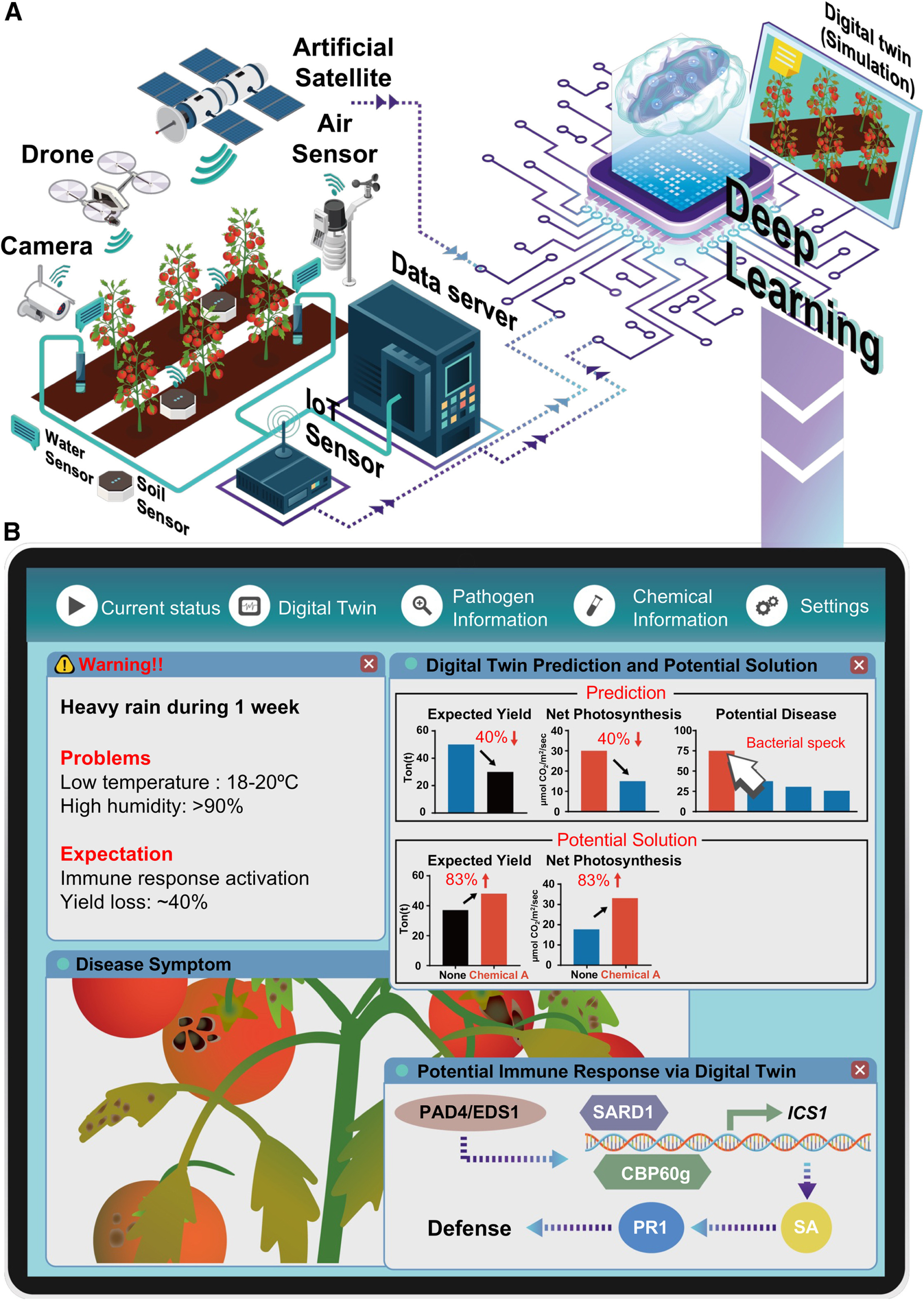
Focus issue on AI for plant sciences
There are numerous ways that AI can support research productivity through its ability to evaluate large datasets. Plant Communications has assembled a collection of articles that describe some of these new tools and approaches. As an example, Jang et al. describe the use of digital twins as tools to evaluate plant-microbe interactions. They describe how models built from multi-omics data can be combined with real-time sensor data to test potential interventions in silico (https://doi.org/10.1016/j.xplc.2026.101871). Another paper by Wang et al. introduces PlantSetDelta, that adds a “complementary, regulation-aware layer” to gene set analysis by incorporating analysis of transcription factor binding sites to GO analysis (https://doi.org/10.1016/j.xplc.2026.101847). Zhang et al. introduce how AI can contribute to seed design, starting with a beautiful overview of the history of seed science (https://doi.org/10.1016/j.xplc.2026.101820). And there are more – you can browse the full collection here https://www.cell.com/plant-communications/issue?pii=S2590-3462(25)X0006-7. (Summary by Mary Williams @PlantTeaching.bsky.social)
Review: How the extracellular matrix of streptophyte algae contributed to plant terrestrialization
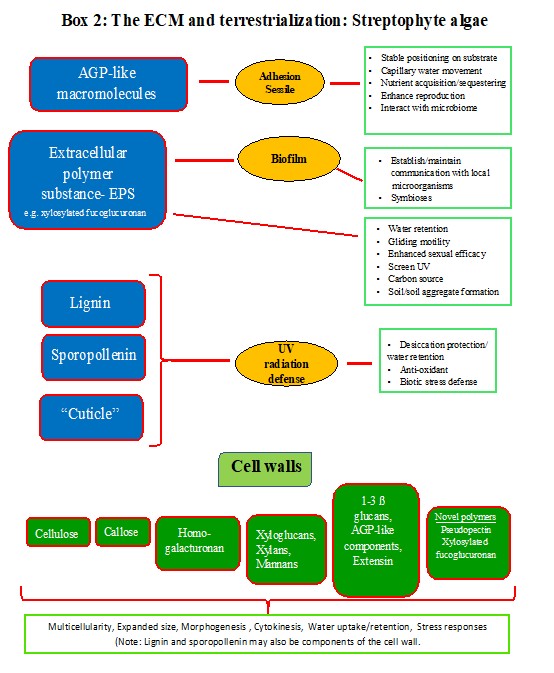 Compared to their aquatic relatives, early land plants faced many challenges, such as a lack of buoyancy, harmful UV light, the challenge of nutrient uptake, and the need to avoid desiccation. In a fascinating review (part of the Plant Physiology focus collection on early land plant evolution), Domozych describes the structure and function of the extracellular matrix of streptophyte algae (the closest extant relatives of land plants) and how it might have contributed to the successful transition to land. The review addresses the molecular composition of the extracellular matrix of both plants and the closely related algal species, and how they contribute to the survival of both taxa. It’s clear from reading this that these structures have similar roles in algae and plants, and provided critical functions that enabled plants to adapt to their terrestrial home. (Summary by Mary Williams @PlantTeaching.bsky.social) Plant Phys. 10.1093/plphys/kiag307
Review. Decoding SCOOP signaling: evolution, recognition, and functions of a plant peptide family
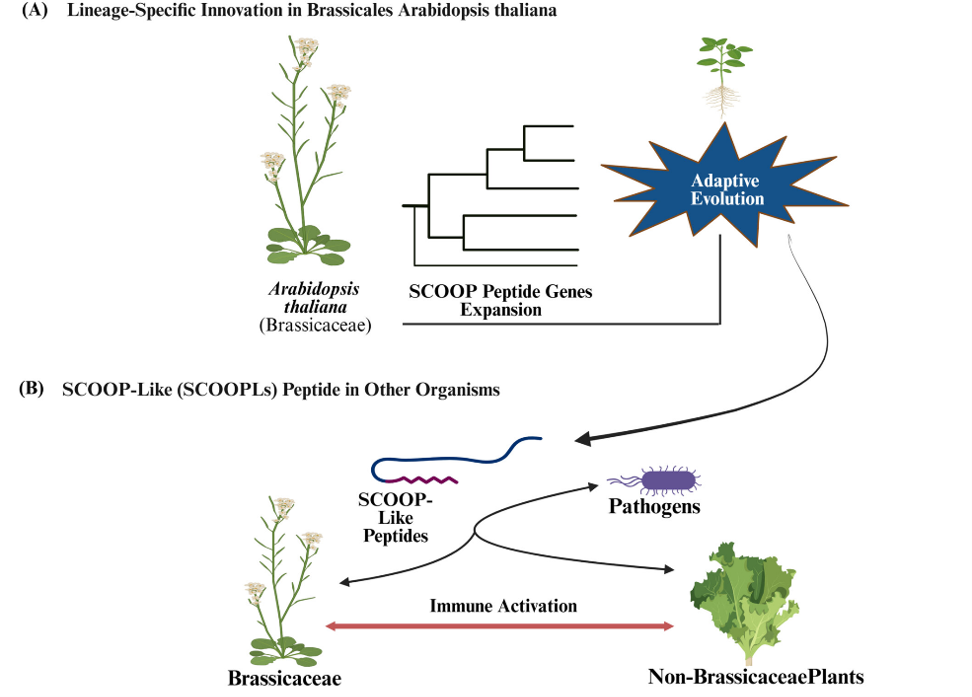 Plants continuously monitor their environment through sophisticated defense systems that recognize microbe-associated molecular patterns and activate immune responses. Among the diverse signaling molecules involved, peptides have emerged as an important molecular language that coordinates communication within and between plant cells. Despite their significance, many aspects of peptide-mediated signaling remain poorly understood. In a recent review, Roy and colleagues highlight advances in our understanding of the Serine-rich endogenous peptide (SCOOP) family. Originally thought to be unique to Brassicales, SCOOP-like peptides have been identified in microbial pathogens and non-Brassicaceae plants, revealing a more complex evolutionary history. The authors discuss the evolution, diversification, and perception of SCOOP peptides by the receptor-like kinase MIK2. The SCOOP-MIK2 module functions as a key regulator of both immune and developmental signaling and, like the classical FLS2-BAK1 receptor complex, relies on BAK1 to trigger downstream responses, including MAPK activation and reactive oxygen species production, leading to immune activation, root growth arrest, and leaf senescence. Intriguingly, pathogen-derived SCOOP-like peptides may act as molecular mimics to manipulate host signaling. Looking ahead, understanding the functional diversity of SCOOP family members and their integration with other peptide signaling networks will provide important insights into plant communication and immunity. (Summary by Ching Chan @ntnuchanlab @ntnuchanlab.bsky.social) Plant, Cell & Environment 10.1111/pce.70641
Letter. OpenCRISPR-1 in rice: when AI meets plant genome editing
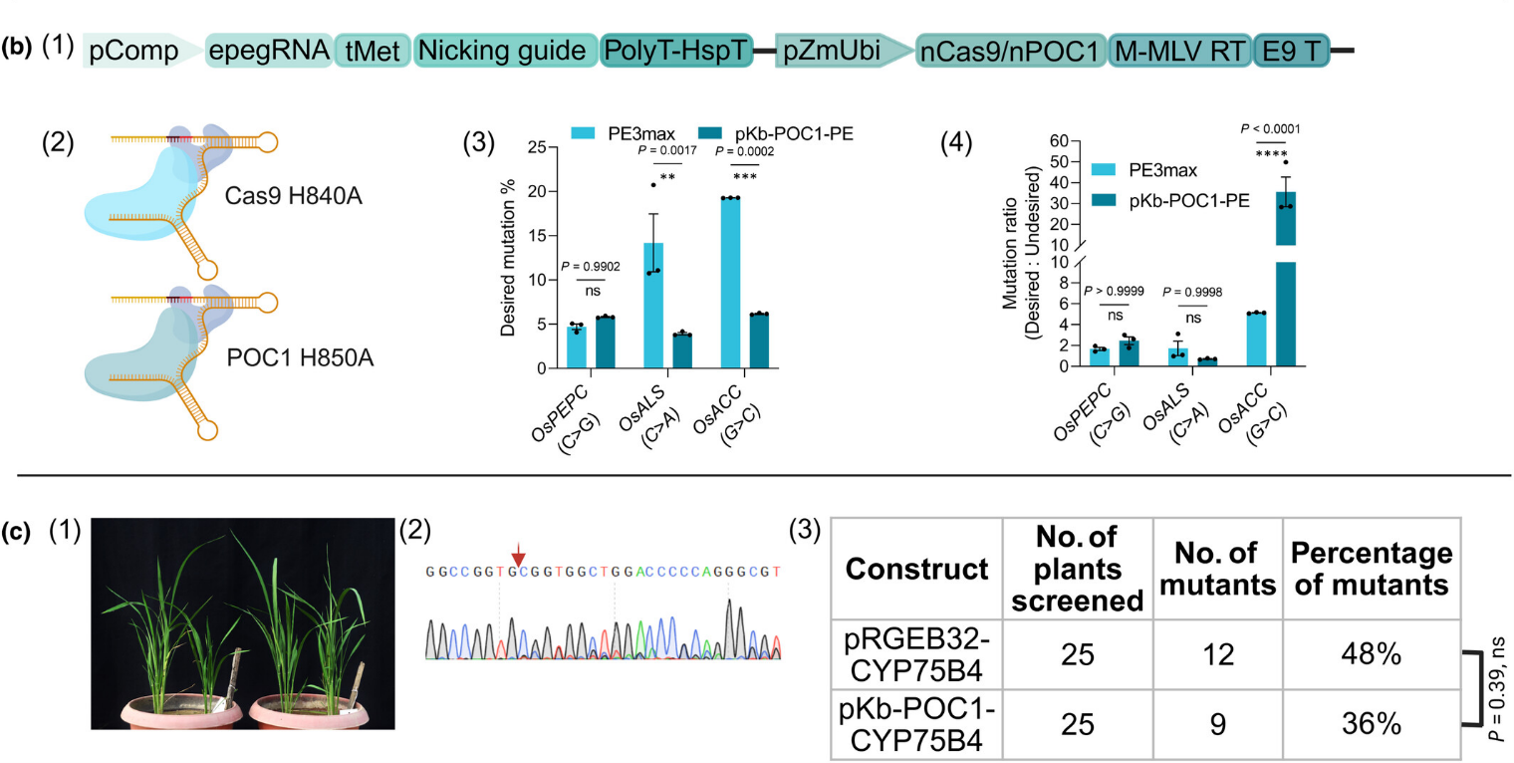 Genome editing has rapidly transformed biology, and Cas9 remains the most widely used tool for making targeted changes in DNA. Recently, a new AI-designed editor called OpenCRISPR-1 (OC1) which differs from prototypical SpCas by more than 400 amino acids has shown promise in human cells. Das and colleagues took the bold next step of testing it in rice, through a system they refer to as Plant OpenCRISPR1 (POC1). Their first experiment used rice protoplasts to create double-strand breaks at four target loci, with editing efficiencies ranging from 10.0% to 16.8%. These results were not significantly different from those of conventional SpCas9, suggesting that POC1 can perform comparably in plants. The authors then expanded the study to more precise editing modes. Base editing was used to induce specific single-base conversion, while prime editing allowed targeted sequence rewriting from an RNA template. They also assessed biallelic editing, where more than one gene is modified. In each case, POC1 could perform the edits, and its performance remained broadly comparable to that of established methods. Overall, the study shows that an AI-designed editor can function effectively in a crop species, opening the door to more flexible and potentially more powerful genome-editing tools for future plant improvement. (Summary by Ching Chan @ntnuchanlab @ntnuchanlab.bsky.social) New Phytologist 10.1111/nph.71272
Coordinating plant growth and stress resistance via N-terminal protein acetylation
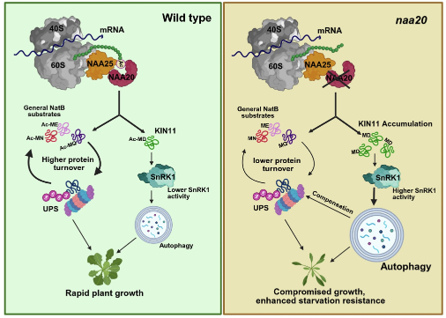 The mechanisms by which plants switch between growth and stress survival remain somewhat enigmatic. Following on from previous studies, Gong et al. revealed that the conserved N-terminal acetyltransferase B (NatB) helps regulate this balance. Arabidopsis mutants lacking the catalytic subunit of NatB, NAA20, show disrupted N-terminal acetylation of NatB substrates, and these plants exhibited slower growth but unexpectedly improved tolerance to nutrient limitation. The authors found out that NatB-mediated acetylation normally promotes the degradation of its target proteins through the ubiquitin–proteasome system (UPS). However, when this acetylation is disrupted, plants shift toward autophagy-mediated recycling. The trigger for these events in natb mutants was the loss of KIN11’s acetylation, a catalytic subunit of the autophagy-regulating energy sensor SnRK1. As a result, KIN11 became more stable and accumulated, leading to activation of stress-response signaling. This enhanced autophagy, the cellular recycling pathway activated during nutrient limitation, thereby improving the ability of plants to cope with stress. This study gives us new insight into how plants coordinate growth and stress responses through protein acetylation and protein turnover. (Summary by Fengoula Avgeri, https://x.com/AvgeriF) Nature Comms. 10.1038/s41467-026-71208-2
Altering a nucleotide base to escape from heat
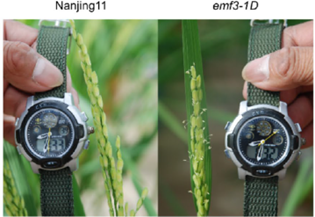
Compared to the Nanjing11 parent (left panel), its hybrid progeny carrying the emf3-1D allele (right panel) flowers earlier in the morning, as indicated by the hanging out anthers.
Crops such as rice usually flower in the late morning when the ambient temperature rises. Rice plants briefly open their flowers so the mature anthers hang out. However, heat stress can trigger abnormal anther dehiscence, flower infertility, and subsequent yield reduction. Early-morning flowering has been proposed as a strategy to escape from heat and maintain yield. A previous study in rice reported qEMF3 as the quantitative trait locus regulating the early-morning flowering trait. In the current follow-up study, Ishizaki et al. identified EMF3 as the causal gene of qEMF3. EMF3 encodes a plasma membrane protein without known functional domains specifically expressed in anthers on the flowering day. Two forms, namely EMF3 and emf3-1D, are associated with late-morning and early-morning flowering respectively. Compared to EMF3, emf3-1D has a C-to-T nucleotide substitution, resulting in a Leu (L) to Phe (F) amino acid substitution. Transcriptomic analysis of the anthers reveals the association between emf3-1D and elevated expressions of genes related to cell osmolality and cell-wall remodelling during the late-night and early morning hours. The team suggest this as a novel mechanism of anther-controlled early-morning flowering. Using two near-isogenic lines with different genetic backgrounds, they further show that emf3-1D promotes seed setting rate under heat stress. The study reports a novel heat escape mechanism regulated by emf3-1D expressed in anthers, highlighting the significance of single nucleotide polymorphism in environmental adaptations. (Summary by Yee-Shan Ku @Yee-Shan Ku) Plant Biotechnol. J. 10.1111/pbi.70653
How selective autophagy protects plants from self-damage upon infection
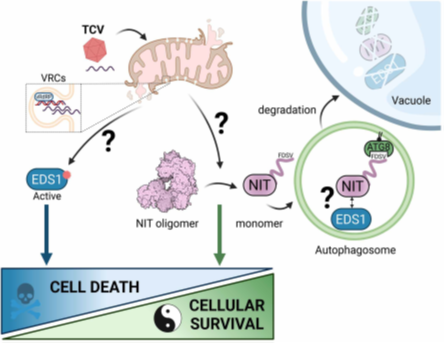
Autophagy is a conserved cellular recycling process that clears unwanted components and helps maintain balance under stress. In plants, immunity protects against invading pathogens, but how autophagy regulates this defense system has remained unclear. To address this question, Clavel and colleagues challenged a panel of autophagy-deficient Arabidopsis mutants with RNA viruses and found that all mutants exhibited more severe symptoms than wild-type. Although quantitative proteomics did not reveal obvious virus-specific cargoes, transcriptomics of the atg2 mutant showed enrichment of immune regulators, suggesting that autophagy normally helps restrain hyperactive immunity during infection. A key discovery was that EDS1, a central immune regulator that promotes defense signaling and cell death, is a critical cargo for autophagy during viral infection. By selectively removing excess EDS1, autophagy finetunes immune activation and limits self-damaging responses that would otherwise compromise plant survival. The study also suggests that certain metabolic pathways act as selective autophagy switch, linking antiviral defense to broader metabolic control in balancing plant stress resilience. (Summary by Ching Chan @ntnuchanlab @ntnuchanlab.bsky.social) Science 10.1126/science.adu9554
Letter: Extrinsic and intrinsic contributors to identity in cells and people
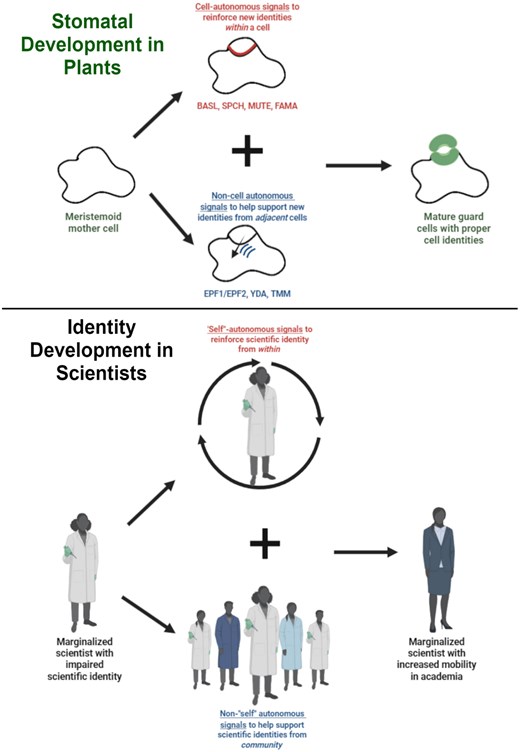 In this interesting Letter to the Editor, Drew and Nagel explore the concept of how identities are established, and draw a comparison between the scientific identity of a person and the cellular identity of a developing guard cell. The article starts by briefly describing the cell autonomous and non-cell autonomous cues that control the differentiation of the stomatal complex. They then turn to the question of how a scientific identity is established. They observe that although the number of students from historically marginalized groups has been growing, this has not been replicated by an increase in their representation in tenure-track university positions. The authors observe that, especially for people with marginalized identities, the establishment of the scientific identity, both as recognized by peers and self-identification, is critical to their persistence in science. They then lay out several ways that individuals and organizations can promote support the establishment of the scientific identity and a more inclusive concept of a “successful scientist.” (Summary by Mary Williams @PlantTeaching.bsky.social) Plant Cell 10.1093/plcell/koag141

