Plant Physiology Spotlights June, July, and August 2025 First Authors
Behind the Plant Physiology manuscripts are researchers, professors, professionals and students dedicated to advancing the field of plant science. You’ve seen our First Authors on Bluesky, Facebook, and Twitter — now, read more about why they chose to pursue plant sciences and click on the links below to read their articles.
 Hui Zheng
Hui Zheng (she) is the First Author of the manuscript Live-cell imaging of a plant virus replicase during infection using a genetically encoded, antibody-based probe published 06 June 2025.
She is a Ph.D at Nanjing University. Education background includes: 2018-2025 Ph.D botany at Nanjing University;2014-2018 biology teacher education at Nanjing Normal university. Research interests include Plastid development, plant metabolism. Personal interests include photography.
“How were you drawn to plants and science? Plants possess a quiet power. The study of botany can immerse one in tranquility, allowing one to achieve a state of calm. The exploration of natural laws can simultaneously reflect and reveal the laws of human beings and society.”
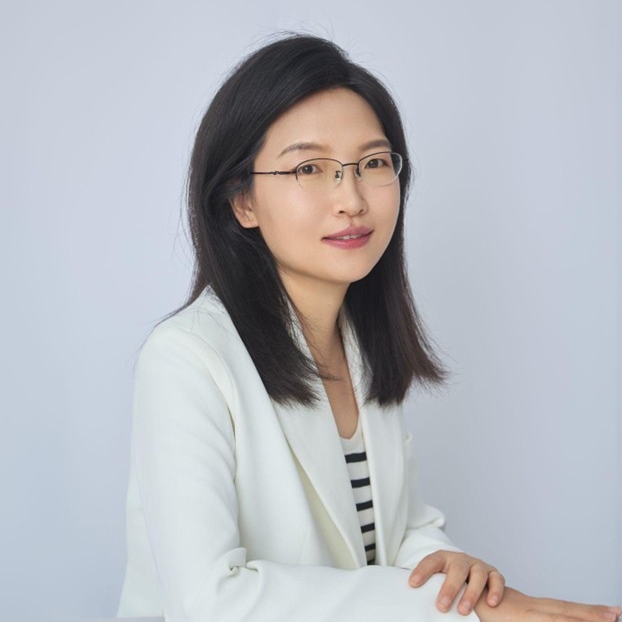 Liping Zeng
Liping Zeng is the First Author of the manuscript Mutations in HUA2 restore flowering in the Arabidopsis trehalose 6-phosphate synthase1 (tps1) mutant published 05 June 2025. Zeng is a lecturer, School of Grassland Science, Beijing Forestry University.
Education background includes: 2019 Ph.D in Bioinformatics, Chinese Academy of Sciences; 2011 MS in Crop Genetics and Breeding, Huazhong Agricultural University;2008 BS in Agronomy, Gansu Agricultural University. Research interests include plant genetics. Personal interests include reading novels and running.
“The beautiful flowers make our life colorful. My curiosity has been focused on exploring the flowering transition in Brassica napus, rice, Arabidopsis thaliana, and grass. Going forward, I also hope to reveal interesting mechanisms behind plant transition. “
 Jae-Hyung Lee
Jae-Hyung Lee (he/him) is the First Author of the manuscript Light-regulated dual-targeting of NUCLEAR CONTROL OF PEP ACTIVITY establishes photomorphogenesis via interorganellar communication published 30 June 2025. He is a Postdoctoral research associate at the University of Utah. Education background includes: 2018 Integrated MSc Ph.D Plant Molecular Biology at Seoul National University 2010 BSc Biochemistry at Myong Ji University.
Research interests include Abiotic stress, plant organelle communication, photomorphogenesis. Personal interests include Movie watching, Hiking.
“My decision to major in biochemistry and plant molecular biology stems from one influential person: my high school biology teacher, Mrs. Geun-hwa Lee. Her passion for teaching inspired my own enthusiasm for the biological sciences and shaped my career.”
 Xianjun Zhang
Xianjun Zhang (he/him) is the First Author of the manuscript Revealing the diversity of in vivo photosystem I light-harvesting antennae published 18 June 2025. Zhang is a Postdoctoral researcher at the Massachusetts Institute of Technology. Education background includes: 2024 Ph.D Spectroscopic Microscopies at Tohoku University; 2021 MSc in Single-cell Microscopic Spectroscopy at Tohoku University; 2017 BSc in Catalysis Chemistry at Northeast Forestry University. Research interests include Advanced spectroscopic techniques, real-time measurements, energu regulation of photosynthesis. Personal interests include Fitness, Metal music, and snooker.
“Initially, the logic of energy migration within photosynthetic supercomplexes made me feel curious, which drives me to study the mechanism underlying energy transfer networks until now. However, recently I have been thinking about an interesting question: do plants have autonomous awareness? If it exsits how do we communicate with plants?”
 Habiba
Habiba(She/her) is the First Author of the manuscript The rice transcription factor S40-14 regulates chloroplast and reactive oxygen species–related gene networks and promotes dark-induced leaf senescence published 07 July 2025. Postdoctoral Research Associate, Lehman College, City University of New York.
Education background includes: 2021 PhD in Plant Biology, Fujian Agriculture and Forestry University, China; 2013 M.S. in Genetic Engineering and Biotechnology, University of Rajshahi, Bangladesh; 2011 B.S. in Genetic Engineering and Biotechnology, University of Rajshahi, Bangladesh. Research interests include Leaf senescence, Transcriptional regulation, plant molecular biology, plastid dynamics, stress responses, plant exosome biology, neurobiology.
Personal interests include creative writing, travel. “My interest in plant science began during my childhood in Bangladesh, where rice is a staple crop and a part of everyday life. I was fascinated by how plants respond ti environmental changes. This curiosity grew into a passion during my university years, especially when I learned how genetic engineering could improve crop resilience and sustainability. Overtime, I became interested in how molecular communication-such as exosome signaling-bridges plant biology with broader systems, including neuroscience. My research now spans both plant exosome signaling and neurobiology, aiming to uncover novel cross-kingdom mechanisms.”
 Ling Wu
Ling Wu is the First Author of the manuscript Generation of transgene-free homozygous early-flowering poplar via cytosine base editing published 15 July 2025. Wu is a PhD student at Nanjing Forestry University. Education background includes: 2023 MSc in Forest Genetics and Breeding at Nanjing Forestry University ; 2020 BSc in Biotechnology at Nanjing Forestry University.Research interests include Gene editing, Flowering regulation.Personal interests include Traveling, fitness.
“I became fascinated by biology in high school when I first learned about Mendel’s laws of inheritance. That moment sparked my interest in genetics and led me to pursue plant science, where I explore gene functions and aim to contribute to sustainable agriculture.”
 Alicja Bukat
Alicja Bukat (she/her) is the First Author of the manuscript GRANA: An AI–based tool for accelerating chloroplast grana nanomorphology analysis using hybrid intelligence published 23 May 2025. Bukat is a PhD student at the Faculty of Biology, University of Warsaw.
Education background includes: 2023-present Ph.D. in Biological Sciences, University of Warsaw; 2023 M.Sc. in Molecular Biology, University of Warsaw; 2021 B.Sc. Biology, University of Warsaw. Research interests include plastid nanomorphology, structural composition of plastid membranes, cubic membranes, electron microscopy. Personal interests include glass art, jewelry making, watercolor painting, photographing bizarre objects.
“With a growing interest in plant cell biology and an appreciation for patterns and structural complexity, my academic path has gradually focused on the nanoscale architecture of plastid membranes. During my Ph.D. research, I have been particularly focused on the prolamellar body (PLB) — a highly ordered cubic membrane structure that forms in etioplasts during plant development in darkness. My work aims to understand the structural organization and formation mechanisms of the PLB by combining electron microscopy, image analysis, and biochemical approaches. This integrative perspective — merging structural biology with visual insight — reflects my broader interest in how nature constructs complexity from molecular building blocks.”
Talitha Soares Pereira
Talitha Soares Pereira is the First Author of the manuscript Divergent pathways across vascular plant lineages drive reduced nighttime transpiration during drought published
She is a Visiting Researcher at Purdue University. Education background includes: 2024 Ph.D in Plant Physiology at Federal University of Vicosa. 2019 MSc in Plant Physiology at Federal University of Vicosa. 2017 BSc in Agronomy at Federal Rural University of Amazonia.
Research interests include Abiotic stress, water deficit, plant hydraulics, gas exchange. Personal interests include Traveling, coffee chat, rom-coms.
“My interest in plant science started during the second semester of my bachelor’s degree in Agronomy, inspired by the determination and passion for teaching science of my first mentor, who introduced me to the scientific world (we even built our first greenhouse). Then, what started as an academic internship grew throughout my Master’s and PhD studies and continues to guide my professional journey, which I dedicate to understanding how plants respond, adapt, and survive under abiotic stress, mainly water deficit. I have had the honor and privilege of working with researchers whose commitment continues to inspire me to build the knowledge and experience to become a good and meaningful plant scientist.”
 Dylan Ziegler
Dylan Ziegler (he/him) is the First Author of the An N-terminal transport-deficient module of CATION EXCHANGER1 is sufficient to trigger anoxia stress responses manuscript published 28 June 2025. Education background includes: 2024, PhD Biology — University of Manitoba, 2017, BSc (Hons.) General Biology — Thompson Rivers University. Research interests include Polyploid genetics, plant genome evolution, seed development. Personal interests include gardening.
“The modular and regenerative body of plants has led to the development of fascinating structures throughout evolutionary history, including the flower itself. I am captivated by how plants create complex structures (like the seed!) and how their genetics allows them to — I love plant science because it allows me to dive into these questions directly and tell a portion of the beautiful story of plants.”
 Dimitris Templalexis
Dimitris Templalexis (he/him) is the First Author of the manuscript Cellular pH homeostasis shapes root system architecture by modulating auxin-mediated developmental responses published 24 July 2025. He is a PostDoc at Agricultural University of Athens (AUA), Greece. Education background includes: 2023 Ph.D Plant Developmental Biology at Agricultural University of Athens, 2017 Msc Systems Biology at Agricultural University of Athens, 2015 BSc Agricultural Biotechnology at Agricultural University of Athens. Research interests include plant adaptation processes that shape root system architecture, with an emphasis on elucidating the molecular pathways that modulate root plasticity in response to environmental stress. Personal interests include Reading, Travelling.
“Raised in a family that always adored nature, farming, and gardening, so from a small age, I was acquainted with the therapeutic nature of observing and caring for plant life. Growing up, I also developed a passion for learning and reading so it was almost natural that I chose to be involved in studying plant biology and the finer details of plant life.”
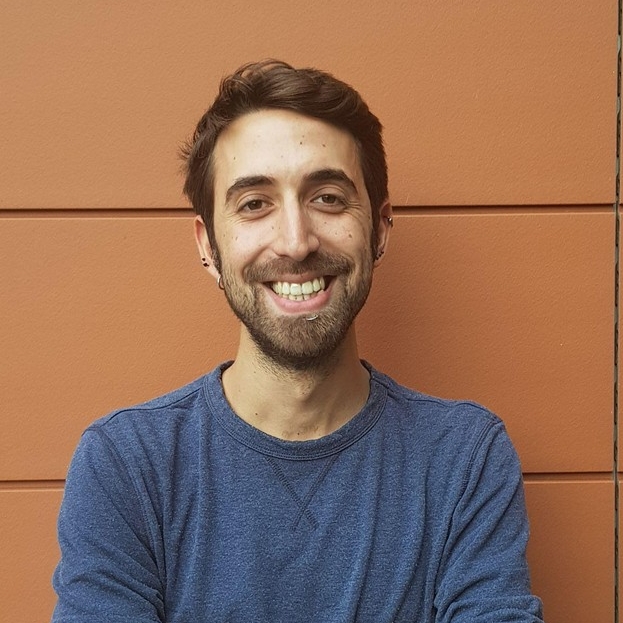
Libero Gurrieri
Libero Gurrieri is the First Author of the manuscript Dynamic regulation of Arabidopsis β-amylase1 by glutathione and thioredoxins affects starch in guard cells published 01 August 2025. He is a Junior Assistant Professor. Educational background includes: 2019 Ph.D Cellular and Molecular Biology at the University of Bologna; 2015 MSc in Molecular and Cell Biology at the University of Bologna; 2013 BSc in Biological Sciences at the University of Bologna. Research interests include Carbon metabolism, redox regulation, starch, carbon fixation, thioredoxin, and glutathione. Personal interests include Playing drums, punk music, and film photography.
“What fascinates me most is how plants have evolved sophisticated redox networks that intricately interact to modulate physiological functions in ways we’re still working to understand. Being able to study this by going from single enzymes to whole-plant metabolism is what excites me most as a researcher.”
 Junhua Kong
Junhua Kong (she/her) is the First Author of the manuscript Epiallelic variation at the transcription factor MYBA1 promoter contributes to color differences of berry flesh in grapevine published 06 August 2025. She is an Associate Researcher at Institute of Botany, the Chinese Academy of Sciences. Education background includes: 2015 Ph.D Plant biology at University of Bordeaux; 2012 MSc in Genetics at Hangzhou Normal University; 2008 BSc Biological Sciences at Hangzhou Normal University. Research interests include Plant metabolism, Epigenetics, Fruit. Personal interests include Reading, Hiking.
“In 2019, I joined the laboratory of Dr. Zhanwu Dai at the Institute of Botany, Chinese Academy of Sciences, to investigate the mechanisms underlying anthocyanin accumulation in the flesh of teinturier grape cultivars, in which most varieties accumulate pigments only in the skin. Through multi-omics analysis, we found that DNA methylation levels in the promoter region of MYBA1—a key transcription factor regulating anthocyanin biosynthesis—are negatively correlated with anthocyanin accumulation in the grape flesh. Further investigation revealed that this epigenetic difference is consistent across tissues and can be stably inherited across generations. Subsequently, by using transgenic approaches to specifically enhance DNA methylation in the MYBA1 promoter region, we observed a significant reduction in MYBA1 expression and anthocyanin accumulation, thereby confirming the regulatory role of this epigenetic modification in anthocyanin synthesis. This study elucidates the molecular mechanism of anthocyanin accumulation in the grape flesh and identifies an epigenetic marker for the early prediction of flesh color, providing a valuable tool for molecular breeding in grapes.”
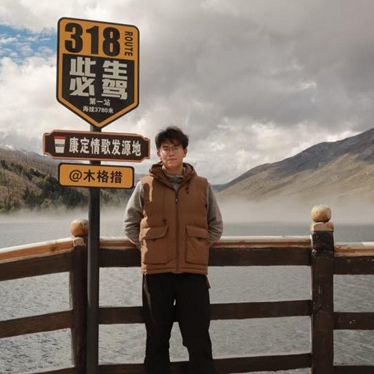 Xiaobo Xu
Xiaobo Xu(he/his) is the First Author of the manuscript Epiallelic variation at the transcription factor MYBA1 promoter contributes to color differences of berry flesh in grapevine published 06 August 2025. Education background includes: 2012.08-2016.07 Shandong Agricultural University — Bioengineering Bachelor; 2017.09-2019.06 Nankai University — Bioengineering Master; 2021.09-Present Institute Of Botany,The Chinese Academy Of Sciences — Cell Biology Ph.D. Student. Research interests include Bioinformatics, Cell Biology, Molecular Biology. Personal interests include Travel and Photography.
“I initially planned to pursue a career in microbiology, but things took an unexpected turn, leading me into research in plant science. It was through this journey that I discovered the captivating allure of plant science.”
 David A. Russo
David A. Russo (he/him) is the First Author of the manuscript Library-free data-independent acquisition mass spectrometry enables comprehensive coverage of the cyanobacterial proteome published 12 August 2025. He is a Senior Scientist at Friedrich Schiller University Jena. Education background includes: 2016 Ph.D in Chemical and Biological Engineering University of Sheffield 2011 MSc in Energy and Bioenergy NOVA FCT 2008 BSc in Biology University of Aveiro. Research interests include Cyanobacteria, Proteomics, Biotechnology.
Personal interests include Reading, Video Games. David has been interested in “green” microbes since his early university years. He initially worked with eukaryotic algae for bioremediation. With a little sprinkle of ‘omics he now focuses on exploring the new frontier of protein secretion in cyanobacteria.
 Melissa Uribe-Acosta
Melissa Uribe-Acosta (she/her) is the First Author of the manuscript Roots: metabolic architects of beneficial microbiome assembly published 05 August 2025. She is a Postdoctoral researcher at Wageningen University and Research. Education background includes: Expected graduation 2025 Ph.D Environmental Biology, 2020 MSc. Biology, 2017 BSc. Environmental and Industrial Microbiology. Research interests include Microbiome, Plant immunity, Biotic stress, Genomics, Data science, Metabolomics. Personal interests include Singing, running.
“To me, plants are captivating because in their seemingly simple life they hide multiple complex secrets that sometimes remain invisible to us. Beyond their key contributions of oxygen and energy, plants are constantly communicating with each other, their associated microbiota and pollinators. I think these complex interactions are fascinating, and, at the same time, key to create a more sustainable world.”
 Han-Qing Wang
Han-Qing Wang (he/him) is the First Author of the manuscript OsPIN1b, OsPIN1c and OsPIN9 mediate shoot-to-root auxin transport to activate cutting-induced compensatory root growth published 29 August 2025. He s a Postdoc at University of California, Berkeley.
Education background includes: 2024 Ph.D at Nanjing Agricultural University,2018 Bachelor of agriculture at Nanjing Agricultural University. Research interests include Plant development, Plasticity, Signaling. Personal interests include Singing, Paiting and Cooking.
“Who inspires you or mentors you in your research? Someone who inspired me in my research and is my PhD supervisor, Professor Fang-Jie Zhao. He dedicates himself to scientific research and always shows an extremely high enthusiasm for the unknown. Also, I believe that his desire to guide and help students made him a great mentor, and I’d like to be a scientist and mentor like him. One of my favorite quotes by him is, “never stay in your comfortable zone.”

Chiara Giossi
Chiara Giossi (she/her) is the First Author of the manuscript Both major xanthophyll cycles present in nature promote nonphotochemical quenching in a model diatom published 23 August 2025. Giossi is a Research Fellow at Heinrich Heine University Düsseldorf, Germany.
Education background includes: 2025 Ph.D in Biological Sciences at University of Konstanz, Germany (still not completed). 2020 MSc in Marine Biology at the University of Bologna, Ravenna, Italy. 2017 BSc in Biological Sciences at the University of Milan, Italy. Research interests include Photoprotection, Non-Photochemical Quenching, Aquatic photosynthesis. Personal interests include Literature, Boardgames, Cooking.
“My interest in biology comes from a lifelong fascination with the wilderness and from my mum, who would show me around and teach me interesting things about plants. During my undergraduate studies I was intrigued by plant physiology and photoprotection and I have been following this path ever since. I later decided I wanted to dive into the complex world of aquatic photosynthesis, and I am excited to keep exploring it!”
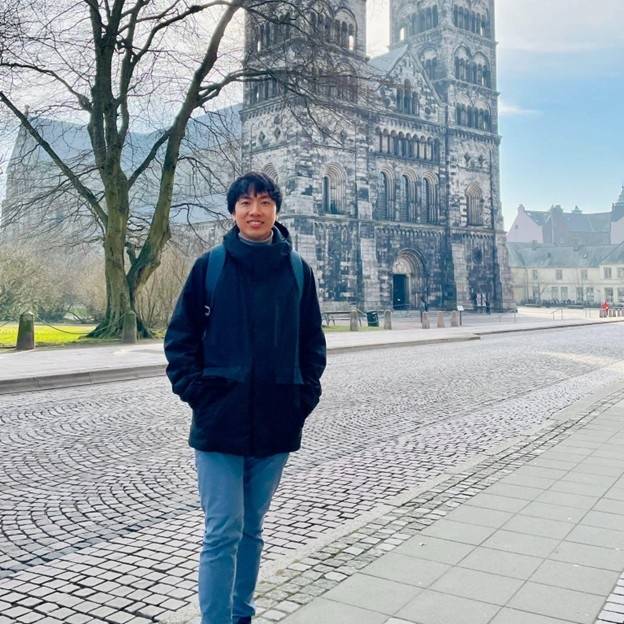 Mai Duy Luu Trinh
Mai Duy Luu Trinh (he/him) is the First Author of the manuscript Chloroplast envelope-localized DLDG1 modulates H+ translocation across thylakoid membranes via plastidial ATP synthase published 26 August 2025. He is a Assistant Professor at University of Copenhagen, Denmark.
Education background includes: 2020 D.Sc. in Life Science and Technology at Tokyo Institute of Technology, Japan; 2017 M.Sc. in Biological Science, Tokyo Institute of Technology, Japan; 2013 M.Sc. in Biochemistry, VNUHCM – University of Science, Vietnam; 2010 B.Sc. in Biology, VNUHCM – University of Science, Vietnam. Research interests include Abiotic stress, Plant metabolism, Photosynthesis, Biotic stress. Personal interests include Reading books, painting, mountain and forest hiking, gardening, and enjoying new cuisines.
“Inspiring stories about scientists and their discoveries, primarily in physics and chemistry, were a significant part of my colorful childhood. My curiosity about the natural world had been growing since my elementary and high school years, especially in the field of biology.
I earned a Bachelor’s degree in Biology from VNUHCM – University of Science, Vietnam, in 2010, which provided me with a comprehensive understanding of the broad scientific field of biology, with a focus on the study of living organisms.
Inspired by my supervisor, Professor Dai-Nghiep Ngo, my first choice for pursuing my master’s degree was Biochemistry, which intersects various areas of biology and organic chemistry. I completed this degree in 2013 at VNUHCM – University of Science, Vietnam.
To delve deeper into the molecular aspects of living organisms, I attended the Tokyo Institute of Technology (now the Institute of Science Tokyo) in Japan, where I studied molecular biology in plant science, thanks to the financial support of the Japanese Government’s Monbukagakusho (MEXT) Scholarship. Inspired by my supervisor, Professor Shinji Masuda, I concentrated on research in photosynthetic regulation, adhering to the principle that “no photosynthesis, no life,” during my second master’s and Ph.D. studies in Japan. My Ph.D. research focused on the physiological characterization of novel photosynthetic regulatory proteins (TCR, FLAP1, DLDG1, and its plastid-encoded homolog, Ycf10) in Arabidopsis thaliana.
Recognizing the importance of crops for food security, I traveled to Denmark after receiving my D.Sc. degree in 2020 to join the Exploring P-type Pumps and Novel Crops research group, led by Professor Michael Palmgren. Together, we are working to accelerate the breeding process of quinoa, an indigenous crop from the Andes region. Our research aims to contribute to the diversification of future crops, ensuring secure food production in the face of challenges posed by climate change. Recently, we reported the regulation of saponin biosynthesis in quinoa seeds via a key bHLH transcription factor TSARL1.
Currently, I am keen to understand the molecular basis of how plants tolerate various abiotic stress conditions, such as extreme and fluctuating light, salinity, and drought, as well as the synthesis and biological functions of secondary compounds against biotic stresses.”
 Gulab Chand Arya
Gulab Chand Arya is the First Author of the manuscript Exocarp-specific expression of a fungal cutinase in tomato fruits alters cuticle ultrastructure, chemistry and nanomechanics published 30 August 2025. Assistant Professor at School of Biotechnology, Kalinga Institute of Industrial Technology, Bhubaneswar, India. Education background includes: 2022 Postdoctoral Fellow at Agricultural Research Organization. 2017 Ph. D. National Institute of Plant Genome Research, New Delhi, India . Research interests include Plant Surface Pathogen Interaction, Fungal Biology, Cell Signalling. Personal interests include Trekking, Cooking, Reading, Running.
“I received my Ph.D. in Plant Biology and Biotechnology from the National Institute of Plant Genome Research, New Delhi, India. During this time, I have developed a strong background in plant molecular biology, cell signalling and plant-related fungal pathogens. With this background I got the opportunity to work as a Postdoctoral fellow at the Agricultural Research Organization (ARO), Volcani Institute, Israel under the laboratory of Dr. Hagai Cohen who specializes in the metabolic pathways leading to the formation of plant lipophilic barriers in plants (i.e. cutin, waxes, suberin and lignin), and their roles during plant-environment interactions. During my postdoctoral project, I explored how different classes of fungal pathogens release a plethora of hydrolytic enzymes upon the host plant surface during early stages of invasion. I used one of these enzymes – a cutinase from the fungal pathogen Fusarium oxysporum lycopersici, and expressed it heterologously in the exocarp of tomato fruits in order to study the consequential structural, biochemical and nanomechanical properties of the fruit cuticle. I am currently an early-career investigator at the School of Biotechnology, KIIT University, Bhubaneswar, India, where I am exploring how fungal pathogens use an array of effectors to invade the plant surface and cause severe losses worldwide. I am deeply grateful to my mentor, Dr. Hagai Cohen, for providing me with the opportunity to conduct research in the scientific field of plant-pathogen interactions and fruit metabolism. His critical insights and unwavering support have been decisive in shaping my scientific perspective.”
 Bo Li
Bo Li
Bo Li(he/him)is the First Author of the manuscript A calcium-decoding module translates volatile DMNT into jasmonic acid-mediated herbivore resistance in Camellia sinensis published 29 August 2025. He is a Ph.D in Agriculture, National Key laboratory for tea Plant Germplasm innovation and Resource Utilization, Anhui Agricultural University. Education background includes: 2023 Ph.D in Agriculture at Anhui Agricultural University; 2020 MSc in Agriculture at Qingdao Agricultural University; 2015 BScin Agriculture at Henan Agricultural University.
Research interests include Plant signal transduction. Personal interests include Running, Painting. “I was fascinated by the resilient vitality of my father’s succulent plants as a child. Later, learning about photosynthesis in biology class completely captivated me with the ingenious energy conversion mechanisms of plants.
Plants can quietly perform photosynthesis while developing complex defense systems, and this combination of stillness and dynamism is mesmerizing. Studying plants is like deciphering a silent epic of life, where every discovery brings new excitement.
My undergraduate advisor, Professor Wang, always reveals profound botanical principles through simple experiments. Darwin also inspires me—his research on plant phototropism continues to motivate me to stay curious.
During a field trip, observing how the same tree species exhibited different morphologies at varying altitudes made me realize plants are nature’s perfect laboratory. Since then, I’ve been enthralled by exploring these green wonders using scientific methods.”
 Jackson Khedia
Jackson Khedia (he/him) is the First Author of the manuscript MADS-BOX PROTEIN3 acts cooperatively with AGAMOUS-like6 and MADS-BOX PROTEIN22 to suppress parthenocarpy in tomato published 21 August 2025. He is a Postdoctoral researcher at Agricultural Research Organization (ARO), Volcani Institute, Israel. Education background includes: 2019 Ph.D. Biological sciences at CSIR-CSMCRI, India; 2010 M.Sc. in Biotechnology at Sardar Patel University; 2008 B.Sc. in Biotechnology at Sardar Patel University. Research interests include Plant molecular biology, Plant physiology, Plant reproductive biology, Abiotic stress. Personal interests include Drawing, Digital art, and traveling.
“My fascination with the world of biotechnology began in high school, where the single book chapter first sparked my curiosity. This early interest led me to pursue undergraduate and postgraduate studies in Biotechnology. I was particularly fascinated by the hidden and intricate mechanisms that direct the growth, adaptation, and survival of plants in changing environments—this curiosity became the driving force behind my decision to pursue a Ph.D. in plant biotechnology and molecular biology. I am currently a postdoctoral researcher at the Agricultural Research Organization (ARO) – Volcani Institute in Israel, where I focus on uncovering the molecular mechanisms in plant reproductive biology.”
 Hawi Deressa Kenea
Hawi Deressa Kenea is the First Author of the manuscript MADS-BOX PROTEIN3 acts cooperatively with AGAMOUS-like6 and MADS-BOX PROTEIN22 to suppress parthenocarpy in tomato published 21 August 2025. Kenea is a Ph.D. student, Plant-Biotic Interactions Group, University of Göttingen, Germany. Educational background includes: M.Sc. in Plant Sciences, The Hebrew University of Jerusalem, Israel; B.Sc. in Plant Sciences, Jimma University, Ethiopia.
Research interests include plant-plant communication, Plant genetics and molecular biology, and biotic stress. Personal interests include Gardening, Hiking.
“I have always been fascinated by plants and their potential to improve food production. My interest in plant science, particularly molecular biology, began in high school, sparked by the idea that plant genes could influence crop traits, and it deepened during my M.Sc. under the mentorship of Dr. Tzahi Arazi, where I functionally characterized SlAGL6 MADS-box interactors in tomato ovules. Currently, as part of the IRTG 2172: PRoTECT program, I am in the research group of Dr. Thomas Spallek, studying how parasitic plants communicate through chemical signals to regulate haustorium formation. Outside the lab, I enjoy hiking and gardening, which help me relax and stay connected to the plants and natural world that have long fascinated me.”