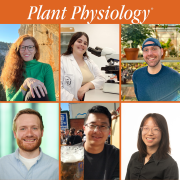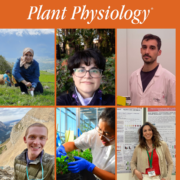

Plant Physiology Spotlights January and February 2025 First Authors
Behind the Plant Physiology manuscripts are researchers, professors, professionals and students dedicated to advancing the field of plant science. You’ve seen our First Authors on Bluesky, Facebook, and Twitter — now, read more about why they chose to pursue plant sciences and click on the links below to read their articles.
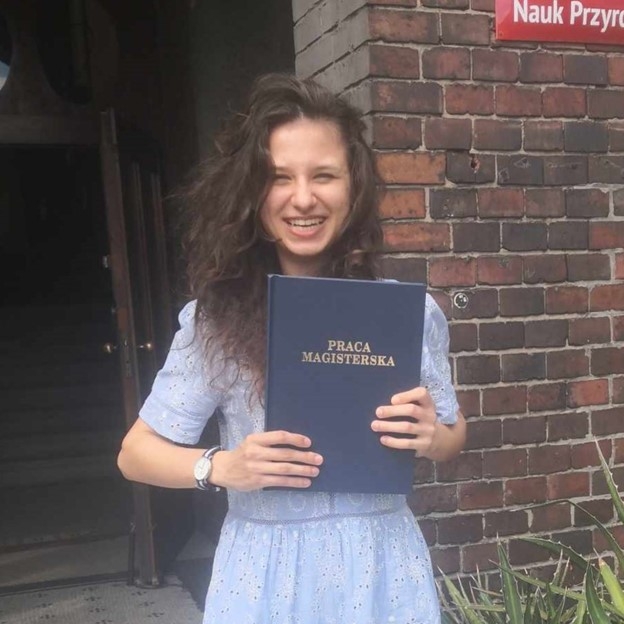 Karolina Zolkiewicz
Karolina Zolkiewicz (she/her) is the First Author of Take a Deep BReath: Manipulating brassinosteroid homeostasis helps cereals adapt to environmental stress published 06 January 2025. She is a PhD Student at the University of Silesia. Education background includes: 2023 MSc Experimental Biology (University of Silesia), 2022 BSc Biotechnology (University of Silesia), 2021 BSc Biology (University of Silesia). Research interests include Bioinformatics, Plant abiotic stress response, Brassinosteroids, Agricultural Plant Science. Personal interests include Cycling, Travelling, Crocheting, Reading, and Gardening.
“Becoming a scientist has been my dream since childhood, however I’ve never expected to develop such a passion for the incredible field of plant genetics which has so much to offer!”
Yin Xin
Yin Xin (he) is the First Author of The NAC transcription factor LpNAC48 promotes trichome formation in Lilium pumilum published 06 January 2025. Xin is a PhD Student at the Institute of Genetics and Developmental Biology, China Academy of Sciences. Education background includes: 2020-2023 MSc China Agricultural University; 2016-2020 BSc Shandong Agricultural University. Research interests include Plant architecture formation. Personal interests include singing and running.
“Plants are vibrant, and studying their life mysteries is exciting. During my master studying, I focused on trichome in plant buds, which are crucial for resisting stress. Analyzing their formation and molecular mechanisms can enhance agricultural practices.”
 Yafei Li
Yafei Li (he/his) is the First Author of Protein phosphatase PP2C2 dephosphorylates transcription factor ZAT5 and modulates tomato fruit ripening published 11 January 2025. He is a Hami-melon Research Center, Xinjiang Academy of Agricultural Sciences. Education background includes: 2024 Ph.D Olericulture at China Agricultural University; 2019 MSc.Ag Crop Science at Henan Agricultural University;2016 BSc Agronomy at Henan Agricultural University. Research interests include Fruit ripening. Personal interests include Travel and reading.
“Professors Yang-Dong Guo and Na Zhang’s academic rigor, love of scientific research, and seriousness of work have deeply influenced me and attracted me to plants and science.”
 Mohammad Fazel Soltani Gishini
Mohammad Fazel Soltani Gishini is the First Author of Fatty acid desaturase 3-mediated α-linolenic acid biosynthesis in plants published 17 January 2025. Gishini is a Postdoc at University of Kentucky. Education background includes: 2020 Visiting Scholar in Genetic Engineering and Molecular Genetic at the University of Kentucky; 2019 Ph.D in Genetic Engineering and Molecular Genetic at Razi University; 2013 MSc in Plant Breeding at Shiraz University; 2010 BSc in Crop Production and Plant Breeding at Shahid Bahonar University of Kerman. Research interests include Host-pathogen interaction and signaling pathways.
Personal interests include Swimming, table tennis, and Basketball.
“My interest in plant science grew during my undergraduate studies, where I became fascinated by plants’ genetics and molecular mechanisms, especially signaling pathways, pathogen interactions, including the roles of lipids, fatty acids, and light in resistance and defense signaling.”
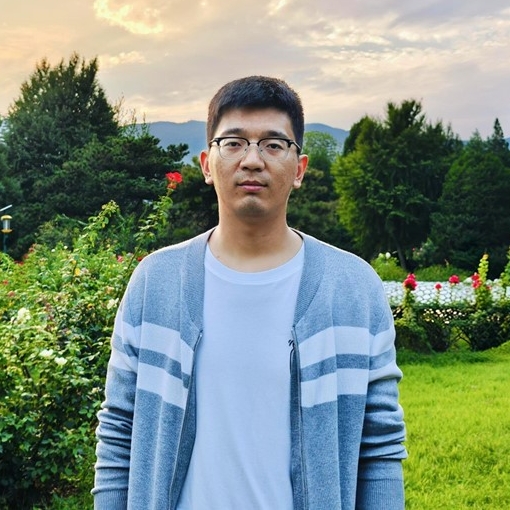 Jialong Zhang
Jialong Zhang (he/his) is the First Author of The transcription factor SlLBD40 regulates seed germination by inhibiting cell wall remodeling enzymes during endosperm weakening published 17 January 2025. He is a PhD candidate at China Agricultural University.
Education background includes: 2019 Ph.D Vegetable Science, College of Horticulture, China Agricultural University;2015 BSc Northeast Agricultural University.Research interests include Biological stress and seed germination. Personal interests include playing basketball.
“When I was a child, I often observed the growth of plants in the garden, from the germination of seeds to the blooming of flowers. Each process fascinated me and sparked my curiosity about the complex biological principles behind them. After entering university, I chose a major related to plants and systematically studied courses such as plant physiology, genetics, and ecology. In the classroom, I learned how plants convert sunlight into energy through photosynthesis and how they survive and reproduce under various environmental stresses. This knowledge deepened my admiration for the adaptability and vitality of plants.”
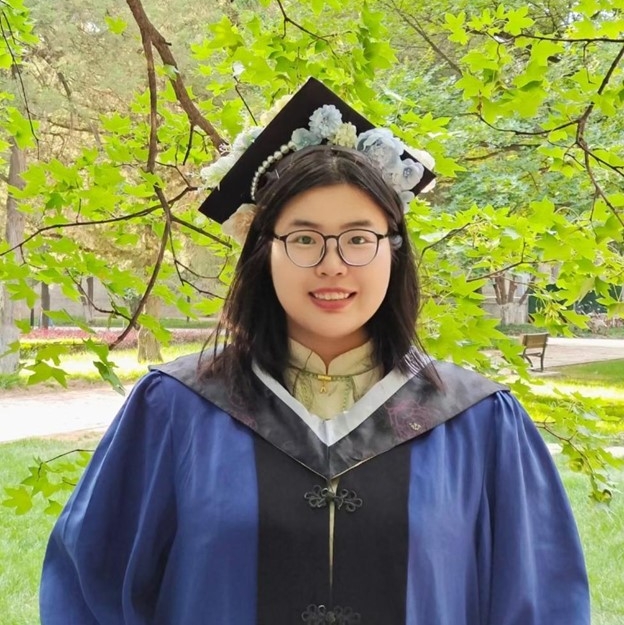 Lin Liu
Lin Liu (she) is the First Author of ELONGATED HYPOCOTYL 5 promotes root growth by maintaining redox homeostasis and repressing oxidative stress response published 27 January 2025. She is a doctoral candidate. Education background includes: 2021-2024 MsC in College of Life Sciences, Northwest Agriculture and Forestry University;2020 Visiting BSc at Northwest Agriculture and Forestry University, 2017-2021 BSc in the College of Life Sciences, Shanxi Agricultural University. Research interests include Antioxidant Mechanism of Plant Roots.
Personal interests include reading and making handicrafts, such as the graduation cap in the picture.
“Life will find its own way. In the face of the inevitability of oxidation, plants have antioxidant mechanisms that help them survive. Inspired by this, I’m fond of it and committed to researching it.”
Xinxing Zhu
Xinxing Zhu (He) is the First Author of ELONGATED HYPOCOTYL 5 promotes root growth by maintaining redox homeostasis and repressing oxidative stress response published 27 January 2025. He is a Engineer of Shenzhen New Industries Biomedical Engineering Co., Ltd.
Education background includes: 2019.9- 2022.6 MsC in College of Life Sciences, Northwest A&F University; 2017.9- 2021.7 BSc in the College of Life Sciences, Shanxi Agricultural University. Research interests include The mechanism of plant root growth and development.
Personal interests include Gardening, Badminton, Photography.
“Since I was a child, I have been very interested in plants, enjoying observing their growth and recording each process of their life cycle. This is one of the reasons why I later chose to study botany. Studying the growth and development of plant roots is a challenging and fascinating thing. The delicate plant roots are very strong and respond to different environmental changes. How the genes are regulated in this process deeply attracts me.”
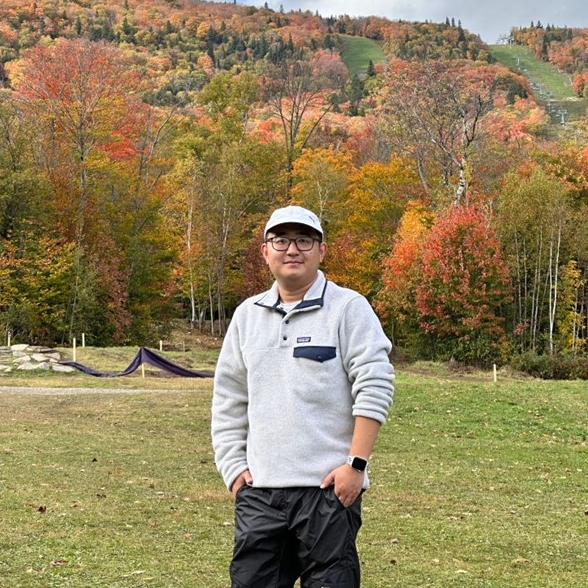 Jiaxu Wu
Jiaxu Wu (he/him) is the First Author of Refinement of the Brassica napus NLRome using RenSeq published 28 November 2024. Wu is a PhD candidate at Université Laval.
Education background includes: 2019-2022 MSc in Agricultural Sciences at Memorial University of Newfoundland; 2014-2018 BSc in Horticulture at Henan University of Science and Technology. Research interests include Plant pathology, Abiotic stress, Bioinformatics.
Personal interests include Hiking, Squash, Running.
“I became interested in plant science when I enrolled in the Horticulture department during my undergraduate. How to enhance crop yield in the face of climate change and a growing population is an important topic in plant science. Currently, I am working with Prof. Edel Pérez-López, and my lab focuses on understanding the clubroot resistance in canola through a multidisciplinary approach encompassing genetics, biochemistry, and bioinformatics. Our primary objective is to assist the Canadian canola industry in effectively managing clubroot disease while maintaining sustainability.”
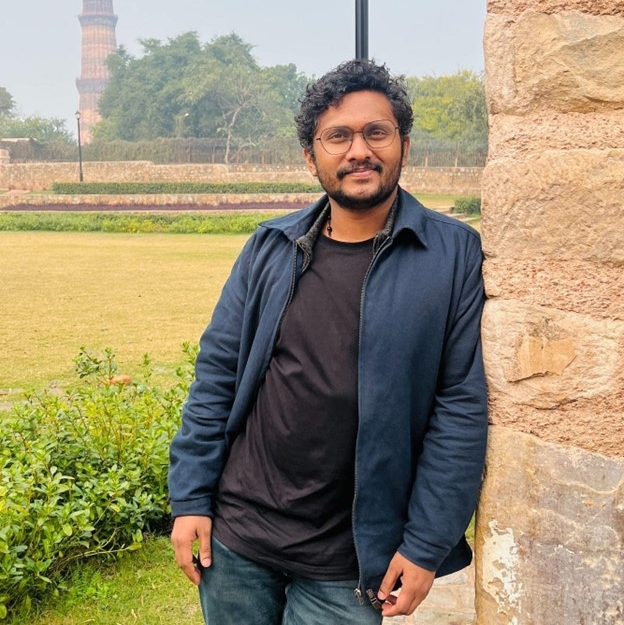
Mohan Varghese
Mohan Varghese (He/Him) is the First Author of Isopropylmalate synthase regulatory domain removal abolishes feedback regulation at the expense of leucine homeostasis in plants published 27 January 2025. He is a Ph.D. student at the National Institute of Plant Genome Research (NIPGR). Education background includes:2016 M.Sc in Agricultural Biotechnology at Tamil Nadu Agricultural University (TNAU), Coimbatore; 2014 B.Sc Agriculture at Mahatma Phule Krishi Vidyapeeth (MPKV), Rahuri. Research interests include Plant evolutionary biochemistry and synthetic biology of amino acids. Personal interests include Yoga and Reading.
“I used to spend my school vacation days in my grandparents’ fields, where I was always fascinated by the adaptability of plant species, especially given their sessile nature. Later, during my undergraduate studies, when I learned that this adaptability and diversity in plant species are encoded and regulated by just four genetic letters, I developed a deep interest in plant science at the molecular level.”
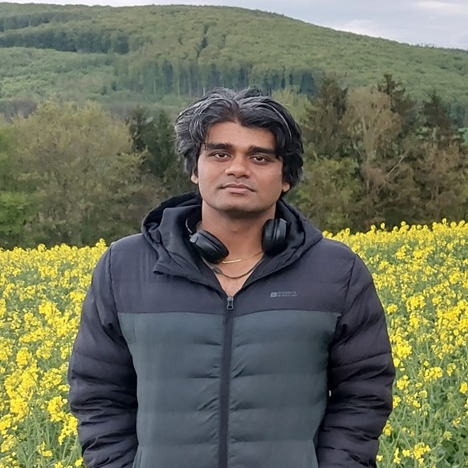 Roshan Kumar
Roshan Kumar (He/His) is the First Author of Isopropylmalate synthase regulatory domain removal abolishes feedback regulation at the expense of leucine homeostasis in plants published 27 January 2025. He is a Post-Doctoral Research Associate at University of Nottingham, UK. Education background includes: 2017 PhD in Plant Molecular Biology and Biotechnology from Dr. Naveen C. Bisht Laboratory at National Institute of Plant Genome Research, New Delhi, India; 2009 MSc in Life Sciences from Devi Ahilya Vishwavidyalaya, Indore, India; 2007 BSc in Botany from University of Delhi, India. Research interests include Water and nutrient sensing in plants, plant metabolism . Personal interests include Exercise, cooking.
“Growing up close to the Indian Agricultural Research Institute (IARI) in New Delhi, India, I was constantly surrounded by various crops and frequently exposed to discussions about research and related activities. This early exposure to plants, especially crops, sparked my interest in plants and inspired me to pursue a career in plant biology. Furthermore, I am very grateful for the mentors who have guided and encouraged me along the way.”

Andrea Fuentes-Terrón
Andrea Fuentes-Terrón (she/her) is the First Author of “Destined for Destruction: The Role of Methionine Aminopeptidases and Plant Cysteine Oxidases in N-Degron Formation” published 28 January 2025. She is a Predoctoral Researcher at the Institute for Agribiotechnology Research (CIALE) at the University of Salamanca. Education background includes: 2021 MSc in Agrobiotechnology; 2020 BSc in Biotechnology. Research interests include plant hormones, signal transduction pathways, stress physiology, protein-protein interactions, genetic engineering, crop improvement, synthetic biology, oxygen sensing mechanisms, hypoxia responses, flooding tolerance, and more. Personal interests include I enjoy arts and crafts, board games, hiking, climbing, and reading.
“On the one hand, I have always loved plants. As a child, I remember begging my mum to let me have a pansy flower on the terrace, and I used to give it a name. On the other hand, my favourite subject in high school was ‘biology and geology,’ and I became very attracted to lab work when I enrolled in a subject called ‘Laboratory.’ I was interested in biology, genetics, and lab work, but I wasn’t sure what to do with my career, so… I decided to enrol in a Biotechnology degree. I enjoyed many of the subjects, and I was particularly interested in plant biotechnology, as well as food science and marine biology. However, once I got in touch with plant science during my academic internship at the end of my degree, a decision was made in my heart. Just as my co-tutor does, I love finding art in my experiments: in the colour of cPTIO (a nitric oxide scavenger), a curious pattern in fluorescence microscopy images, or the beauty of seedlings recovering in soil. I also enjoy learning new lab techniques and designing new experiments.”
Wenjuan Ji
Wenjuan Ji is the First Author of At5g63290 does not encode coproporphyrinogen III oxidase published 29 January 2025. Ji is a Research Associate at Shanghai Jiao Tong University.
Education background includes: 2021 Ph.D Chemical Biology at Fudan University; 2011 MSc in Agricultural Pharmacy at Zhejiang University of Technology; 2008 MSc in Pharmaceutical Engineering (Agrochemicals) at Shandong Agricultural University. Research interests include Natural product biosynthesis, Mechanistic enzymology and Plant chemistry. Personal interests include Cycling, Cooking, Music.
“Plants are the master chemists on earth. Plant-derived natural products are a specific class of active substances with numerous applications in the medical, energy, and industrial fields. I fascinated by the novel structures of plant natural products and aimed to use the synthetic biology to produce plant-derived natural products.”
Junbao Pu
Junbao Pu is the First Author of Atomic force microscopy imaging of plant cell walls published 10 February 2025. Pu works at the Wuhan Botanical Garden, Chinese Academy of Sciences.
Education background includes: 2022 Ph.D Plant Nutrition at Huazhong Agricultural University. Research interests include AFM imaging, plant cell wall, salt stress. Personal interests include calligraphy.
 Yuyang Zhong
Yuyang Zhong is the First Author of Mitochondrial DNA and the largest nuclear-mitochondrial DNA in Arabidopsis can be separated by their methylation levels published 20 February 2025. She is a PhD student at the university of Tokyo. Education background includes:2017 MSc Sichuan Agricultural University; 2013 BSc Sichuan Agricultural University. Research interests include epigenetics, plant organelle. Personal interests include cooking, sports, music, art.
“With the advancement of science, plant breeding has entered the era of molecular breeding. To explore more efficient ways to improve crops, I joined Professor Arimura’s lab at the University of Tokyo. I am deeply grateful to be mentored by such an inspiring professor. Whenever my reasoning or logic is imprecise, he encourages me to think more critically through thought-provoking questions. Over time, I’ve come to realize that even when the truth appears clear and simple, proving it requires meticulous reasoning and rigorous thought. This training in scientific thinking has profoundly changed my perspective, teaching me to approach the ever-evolving world with an open mind. This ability to continuously learn and adapt is what makes scientific research so fascinating to me.”
 Yaming Yang
Yaming Yang (she/her) is the First Author of The transcription factors AdNAC3 and AdMYB19 regulate kiwifruit ripening through brassinosteroid and ethylene signaling networks published 20 February 2025. Yang is a PhD candidate at Northwest A&F University.
Education background includes: 2021 Ph.D. in Northwest A&F University; 2014 BSc in Henan Agricultural University. Research interests include Transcriptional regulation, protein interaction, hormone signaling networks. Personal interests include Travel, reading, and watching movies.
“My interest in plant science began during a biology course in college. I learned about how plants respond to environmental changes through complex signaling mechanisms between cells. This discovery made me realize the wonder and complexity of the plant world. As I delved deeper, I found that plants not only hold biological mysteries but also have extensive applications in agriculture, environmental protection, and more, which sparked my desire to research further.
I love plant science because it allows me to be at the forefront of nature, unraveling the mysteries behind plant growth and development. I am particularly fascinated by how plants adapt to external changes through precise molecular mechanisms. These discoveries not only expand the boundaries of science but also offer new solutions for agricultural production.
Throughout my research, I have been inspired and supported by many mentors and colleagues. Especially my supervisor, who has always encouraged me to view molecular events in plant growth from an innovative perspective and combine basic research with practical applications. It is this interdisciplinary thinking that keeps me passionate and motivated in my plant science research.”
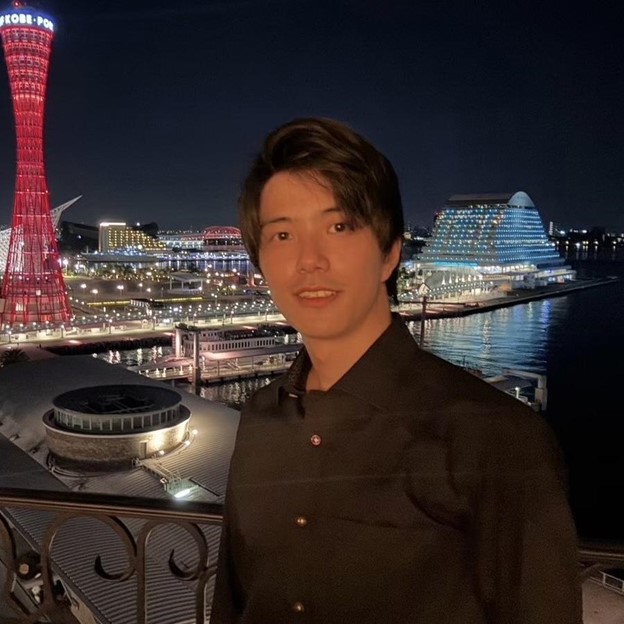
Ko Imaizumi
Ko Imaizumi (he/him) is the First Author of Antimycin A induces light hypersensitivity of photosystem II in the presence of QB-site binding herbicides published 20 February 2025. He is a PhD student at Kyoto University,. Education background includes: 2023 MSc in Integrated Life Science at Kyoto University, 2021 BSc in Applied Life Sciences at Kyoto University. Research interests include Photosynthesis, Photosystem II. Personal interests include reading and traveling.
“I’ve been fascinated by photosynthesis since my childhood.”
 Devlina Sarkar
Devlina Sarkar (she/her) is the First Author of Water-saving GC-MC model captures temporally differential enzymatic and transporter activities during C3-CAM transition published 21 Febraury 2025. She is a Junior Research Fellow at University of Calcutta. Education background includes: 2021 MSc in Biophysics and Molecular Biology at University of Calcutta, 2019 BSc in Physics at University of Calcutta. Research interests include Plant metabolic modeling. Personal interests include playing ukulele, singing, art crafting, and cooking.
“Plants have always captivated me with their diversity, remarkable adaptability to changing environments, and intricate interactions. My fascination with plant biology deepened during my master’s studies. Studying plant metabolism, their interactions with the environment, and adaptation to various ecophysiological conditions is not only intellectually stimulating but also vital in addressing pressing global challenges such as food security and climate change. Understanding these processes from the cellular and metabolic label allows us to work towards sustainable solutions, making this field both profoundly fascinating and impactful.”
 Yogeswari Rajarathinam
Yogeswari Rajarathinam (she/her) is the First Author of Dynamic photosynthetic labeling and carbon-positional mass spectrometry monitor in vivo Rubisco carbon assimilation rates published 21 January 2025. She is a Research Scientist, James Hutton Institute, Scotland.
Education background includes: 2025 PhD in Biochemistry (under completion) at University of Potsdam, Germany, 2015 MSc in Biochemistry and Molecular Biology at University of Bremen, Germany, 2015 B. Tech in Industrial Biotechnology at Government College of Technnology, Anna University, India. Research interests include Physiology of autotrophs, method development, GCMS, LCMS, using science for a sustainable future. Personal interests include playing and enjoying time with my toddler.
“I am fascinated by how plants, photoautotrophs in general, can assimilate such large amounts of CO2, transforming it into essential organic compounds that sustain life on Earth.”
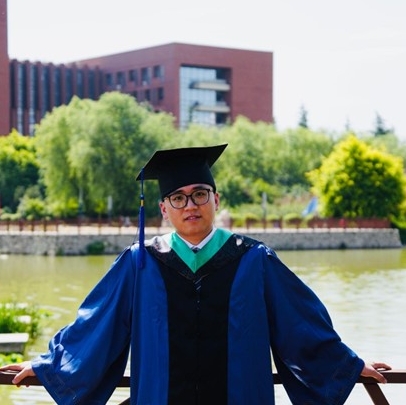 Yunxiao Liu
Yunxiao Liu (he/his) is the First Author of S-RNase Evolution in Self-Incompatibility: Phylogenomic Insights into Synteny with Class I T2 RNase Genes published 20 February 2025.
He is a PhD, College of Horticulture, Northwest A&F University, China. Education background includes: 2023 Northwest A&F University (Master); 2020 Shanxi Agricultural University (Bachelor). Research interests include Evolutionary Biology, Phylogeny.
Personal interests include Playing table tennis, Running.
“In 2020, I had the honor of joining the Comparative and Evolutionary Genomics team of Horticultural Plants, led by Professor Tao Zhao at the College of Horticulture, Northwest A & F University. Professor Tao Zhao is my master’s and doctoral supervisor. My research primarily focuses on the origin and evolution of S-RNases in eudicots, particularly in the context of gametophytic self-incompatibility (GSI).
Self-incompatibility (SI) is an evolutionary phenomenon in flowering plants that prevents self-pollination and fertilization. GSI systems based on S-RNases are widespread in eudicots, including Rosaceae, Solanaceae, and Rutaceae families. Through large-scale phylogentic and microsynteny network analysis across 130 angiosperm genomes, I have systematically investigated the evolutionary origin, lineage-specific transposition, and evolutionary pathways of the S-RNases in eudicots, providing a solid foundation for further functional studies.”
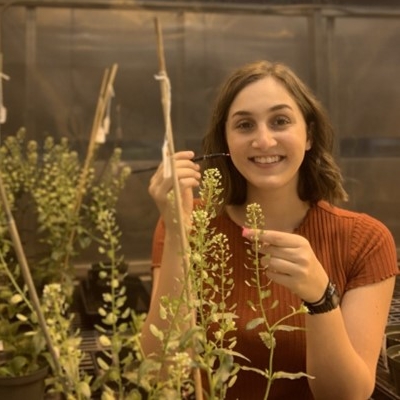 Amira Rasoul
Amira Rasoul (she/her) is the First Author of Propelling sustainable energy: Multi-omics analysis of pennycress FATTY ACID ELONGATION1 knockout for biofuel production published 09 December 2024. She is a Graduate Student at the University of North Texas.
Education background includes: 2019 B.S. in Biology, University of North Texas. Research interests include Plant metabolism and lipids . Personal interests include advocating for marginalized communities, cooking and creating new recipes, and spending quality time exploring outdoors with friends.
“My love for the outdoors is what first drew me to plant science. I’ve always been fascinated by how plants grow, adapt, and contribute to the ecosystems we all share. I appreciate their central role in addressing challenges like food insecurity and global climate instability; issues that deeply impact communities everywhere. I’ve been fortunate to learn from incredible mentors, especially Dr. Ana Paula Alonso, whose guidance and dedication continue to inspire me. Exploring how plants work and how they can support a more sustainable and equitable future has been one of the most fulfilling parts of my journey.”
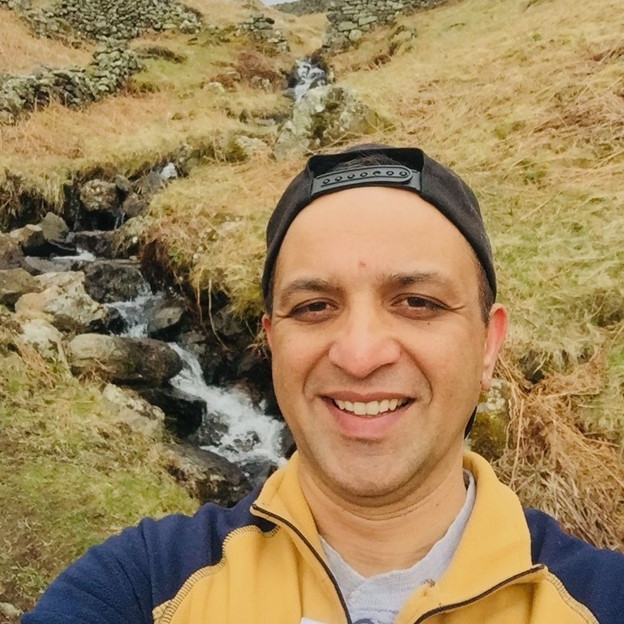 Rajiv Sharma
Rajiv Sharma (he/him) is the First Author of Integrating molecular genetics with plant breeding to deliver impact published 28 February 2025. Sharma is a Bioinformatician Fellow at Scotland’s Rural College Scotland. Education background includes: 2013 PhD. Agriculturarum Institute of Plant Genetics and Crop Plant Research (IPK) Germany; 2006 MSc. in Plant Breeding & Genetics, Punjab Agriculture University, Punjab India; 2004 BSc. Agriculture Honors in Crop Science, Punjab Agriculture University, Punjab, India. Research interests include Crop plant genetics, genetic diversity, domestication of crops. Personal interests include running.
“My interest in plant science can be traced back to my early fascination with DNA. I vividly remember my school days when I would build DNA models for science projects, captivated by the complexity and beauty of genetic structures. This curiosity only deepened over time. Growing up in a town at the foothills of the Himalayas, I was surrounded by a rich diversity of plant life. The sheer variety of plants—each with unique forms, adaptations, and ecological significance—sparked my early attraction toward plant science, and, more specifically, genetics.
Punjab, my home state, has an economy deeply rooted in agriculture, and one of the pioneering institutions driving agricultural innovation is Punjab Agricultural University (PAU). When I enrolled at PAU for my undergraduate studies, I witnessed firsthand how genetics played a crucial role in shaping agriculture. I was particularly fascinated by the Kisan Melas (farmers’ fairs), where a sea of farmers would gather to collect seeds, observe demonstration plots of unreleased varieties, and provide feedback on new germplasm. These events underscored the real-world impact of plant breeding and genetics, reinforcing the immense value of genetic diversity.
During my undergraduate years, my passion for plant breeding and genetics was further nurtured by my seniors, who were engaged in breeding projects. Eager to learn, I volunteered to assist them, and this hands-on experience solidified my love for plant science. However, what truly shaped my perspective was the mentorship I received from some of the most inspiring scientists in the field.
One of my earliest mentors was Prof. Navtej Singh Bains, a renowned plant breeder and an exceptional storyteller. His ability to narrate the history of the Green Revolution, the interplay of disease resistance, and the principles of quantitative genetics made plant breeding come alive like never before. His humility and passion for teaching left a lasting impression on me. Another great influence was Prof. Kuldeep Singh, whose relentless energy and deep expertise in wheat genomics in India further broadened my scientific outlook.
As I progressed in my academic journey, my research took me to Germany, where I had the privilege of working with leading scientists at the IPK Genebank. Dr. Benjamin Kilian, Prof. Nils Stein, and Prof. Andreas Graner and later in Dundee and Edinburgh, Prof. Andy Flavell and Prof. Wayne Powell played a crucial role in shaping my understanding of plant genetics, particularly in cereal genetics and genomics. Their mentorship helped refine my skills and strengthened my research focus on understanding genetic diversity and its applications in crop improvement.
What makes plant science so exciting to me is its direct impact on food security, sustainability, and agricultural innovation. It is a field where scientific discoveries translate into real-world solutions—whether in developing climate-resilient crops, improving disease resistance, or enhancing yields to feed a growing population. The ability to work with nature at the genetic level and contribute to solutions that can benefit both farmers and consumers is deeply fulfilling.
My journey into plant science has been driven by a combination of early curiosity, real-world agricultural experiences, and inspiring mentors who have guided me along the way. Looking ahead, I remain passionate about plant breeding and genetics, eager to contribute to the development of resilient crops and sustainable agricultural systems.”