


Divide to heal: auxin regulates wound-induced cell division in roots (PNAS)
Plant Science Research WeeklyAmong the stresses that sessile plants face, wounding is peculiar as it can be caused by both biotic and abiotic sources. While studies of wounding in animal systems have largely focused on the repair mechanisms, less is known about wound healing in plants. In an attempt to throw light on this, Hoermayer…
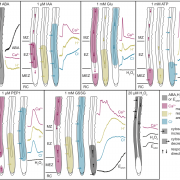
Dual-sensing genetically encoded fluorescent indicators, ABA and second messenger dynamics (Plant Cell)
Plant Science Research WeeklyResponses to a changing environment require an interplay between primary and secondary messengers. Hormones like abscisic acid (ABA), auxin etc. act as a primary messengers, whereas molecules like Ca2+, reactive oxygen species (ROS), other cations and anions act as a secondary messenger. In this paper,…
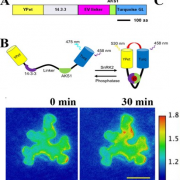
A FRET sensor reports kinase activity in planta (eLIFE)
Plant Science Research WeeklyAbscisic acid (ABA) is a phytohormone involved in imparting tolerance to a variety of stress conditions. Importantly, ABA is involved in stomatal closure, mediated by the sucrose non-fermenting1-related protein kinase 2 (SnRK2) family of proteins. To report SnRK2 activity in vivo, Zhang and co-workers…
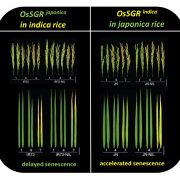
Natural variations at the Stay-Green gene promoter control lifespan and yield in rice cultivars (Nature Comms)
Plant Science Research WeeklyCrop production is greatly influenced by the duration of the last stage of plant life cycle, senescence, through degradation of resources in leaves and remobilization of nutrients to developing seeds. Indeed, higher grain yield of important cereals such as maize and sorghum can be achieved by using stay-green…
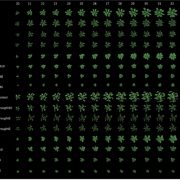
Robotic Assay for Drought (RoAD): An automated phenotyping system for brassinosteroid and drought response (bioRxiv)
Plant Science Research Weekly
Developing drought tolerant plants is an important challenge in agriculture. Drought responses and plant growth are regulated by several signaling pathways, one of which is activated by brassinosteroids (BRs), a group of plant steroid hormones. In order to better understand the crosstalk…

Co‐catabolism of arginine and succinate drives symbiotic nitrogen fixation (Mol Sys Biol)
Plant Science Research WeeklySymbiotic nitrogen fixation is a mutualistic relationship between plants and microbes in which plants supply fixed carbon to bacteria in exchange for nitrogen. During this process, the microbes use nitrogenase enzyme to convert atmospheric nitrogen into a plant-usable form, but the metabolic interaction…

Influential neighbours: Seeds of dominant species affect the germination of common grassland species (J. Veg. Sci.)
Plant Science Research WeeklySeed-seed interactions can control the germination of grassland species. The result of this interaction (i.e., germination being inhibited or promoted) presumably depends on the dominance and taxonomic relatedness of interacting species. However, the relative importance of these factors is poorly explored.…
An aphid RNA transcript migrates systemically within plants and is a virulence factor (PNAS)
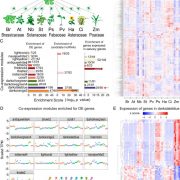
Plant Science Research WeeklyAphids are an important insect pest that can cause significant yield loss to crops, particularly through feeding damage and as vector for devasting plant pathogens. How aphids and other sap-feeding insects use their stylet to penetrate the plant vascular tissues is well studied but the factors involved…
Flowering plant composition shapes pathogen infection intensity and reproduction in bumble bee colonies (PNAS)
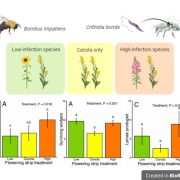
Plant Science Research WeeklyPathogens are one of many factors underlying pollinator decline. Diseases can be transmitted from commercial honeybees to wild bees through flowers. Bumble bees (Bombus impatiens) are infected by the gut pathogen Crithidia bombi which is contracted at flowers by fecal-oral transmission. However, not…