

Consistency is key: Shaping a sepal
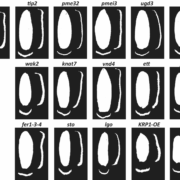
Plant Science Research WeeklyThe development of the 3D shape of an is complex, and the contributions of underlying pathways are difficult to untangle. Battu et al. decouple the organ size and organ shape by conducting a thorough quantification of organ geometry in 3D together with Principle Component Analysis (PCA), and using the…
A viral master plan: TYLCV reprograms tomato scent and whitefly senses for maximum spread
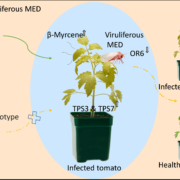
Plant Science Research WeeklyViruses spreading to crops via tiny insects is one of agriculture’s biggest problems. Liang et al. uncovered the two-part strategy used by the tomato yellow leaf curl virus (TYLCV) to hijack the whitefly, Bemisia tabaci. It’s a double dose of manipulation designed to guarantee infection. The virus…
How parasitic plants avoid being parasitized
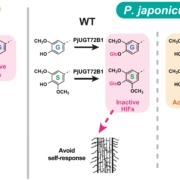
Plant Science Research WeeklyIt’s not too difficult to envision how a plant recognizes something very different from itself, like a bacterium, oomycete, or fungus. It’s a bit less obvious how a plant recognizes another plant as different from itself. This self-recognition is important when you think about parasitic plants, which…
Plant Science Research Weekly: November 14, 2025
WWR Full PostReview.When the sun becomes too hot: Non-photochemical quenching in plants
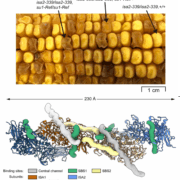
Plant photosynthetic machinery can easily be overwhelmed by strong sunlight. Therefore, plants developed a set of processes called Non-Photochemical Quenching, a safety valve that dissipates excess light energy as heat. In…

Announcing the 2026 ASPB Plantae Fellows
Blog, Community0 Comments
/
The American Society of Plant Biologists (ASPB) is please to announce the 2026 Plantae Fellows, an impressive group ready to bring their best to this resource for the global plant science community. Fellows are selected for their interest in and enthusiasm for growing the plant science community,…
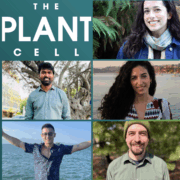
The Plant Cell Features March and April 2025 First Authors
Blog, Community, The Plant Cell: Author ProfilesBehind the manuscripts are researchers, professors, professionals and students dedicated to advancing the field of plant science. You’ve seen our First Authors on Bluesky, Twitter and Facebook— now, read more about why they chose to pursue plant sciences and click on the links to read their articles.
Srinivas…

ASPB Introduces the 2026 Plantae Editors
Blog, Community
Returning in 2026, ASPB has appointed its new group of Plantae Editors to further support Plantae's growth and goal to serve as a community resource for plant biologists, by plant biologists. The Plantae Editors all served as Plantae Fellows in previous program years and are returning ready to support…

Promoting Science Communication Through Community Engagement
Blog, CommunityPlant science has always been at the heart of human progress as it involves feeding our communities, sustaining our ecosystem, and offering solutions to global challenges like climate change and food insecurity. Yet, its impact may go unnoticed beyond the lab or academic circles. Hence, scientists need…