The Plant Cell Features March and April 2025 First Authors
Behind the manuscripts are researchers, professors, professionals and students dedicated to advancing the field of plant science. You’ve seen our First Authors on Bluesky, Twitter and Facebook— now, read more about why they chose to pursue plant sciences and click on the links to read their articles.
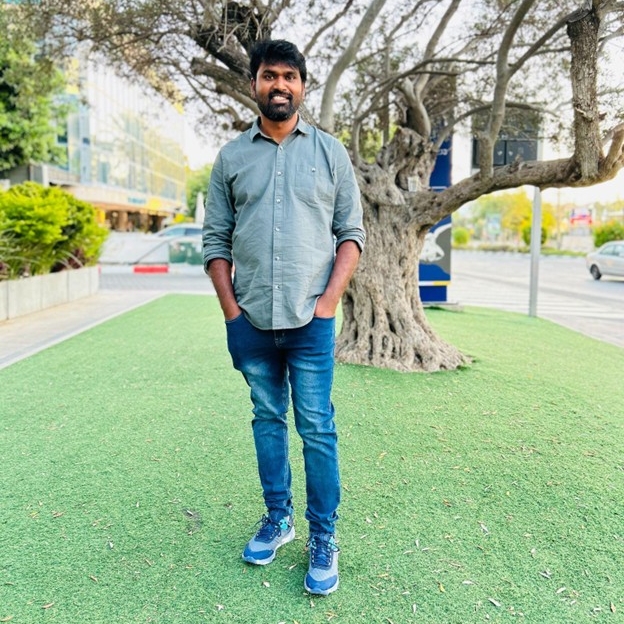
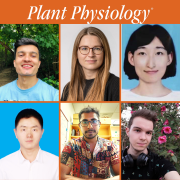
Srinivas Kunta
Srinivas Kunta (He/him/his) is the First Author of TOCHROME-INTERACTING FACTOR utilization in the plant morphogenetic response to environmental stimuli published 14 March 2025. He is a Postdoctoral researcher and Volcani Institute Agricultural Research Organization, Israel. Education background includes: 2024 PhD Genetics and Breeding at The Hebrew University of Jerusalem; 2017 MSc in Agriculture at The Hebrew University of Jerusalem; 2014 MTech in Biotechnology at Jawaharlal Nehru Technological University Hyderabad ; 2012 BTech in Biotechnology at Jawaharlal Nehru Technological University Hyderabad. Research interests include genetics & breeding, plant development. Personal interests include cooking and traveling.
“I grew up in the city but spent my summer holidays visiting my village, where I had my first experience with agriculture, enjoying time in the fields. Over the years, this exposure sparked a deep interest in plants and a growing passion for agriculture. This passion took root early on and led me to pursue a Master’s degree in Biotechnology from JNTUH Hyderabad, India. I then earned a second Master’s in Agriculture from The Hebrew University of Jerusalem, Israel. I then pursued a PhD in Genetics and Breeding and am currently advancing my career in Plant Sciences through a Postdoctoral research position.”
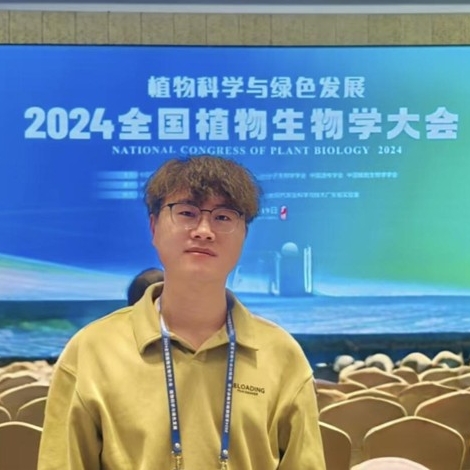
Zhichong Huang
Zhichong Huang is the First Author of Nitrate attenuates abscisic acid signaling via NIN-LIKE PROTEIN8 in Arabidopsis seed germination published 24 March 2025. Huang is a Ph.D at the University of Science and Technology of China. Education background includes: 2019 Ph.D and MSc Molecular Biology at the University of Science and Technology of China, 2015 BSc Guangxi University. Research interests include Plant signal, Environmental adaptability. Personal interests include running,LoL and travelling.
“My interest in this field is deeply rooted in the pivotal role that plants play within ecosystems and the intricate biological mechanisms that underpin their functions. Plants serve as a fundamental source of sustenance and resources for humanity, while their complex genomes and physiological processes offer vast potential for scientific exploration. By elucidating the mechanisms governing plant growth, development, and stress responses, I aspire to contribute innovative solutions that can enhance sustainable agricultural practices and promote ecological conservation.”

Xu Han
Xu Han (he/his) is the First Author of Genetic and transcriptome analyses of the effect of genotype-by-environment interactions on Brassica napus seed oil content, published 26 March 2025. His educational background includes a 2020 Ph.D in Crop Genetics and Breeding at Huazhong Agricultural University, and a 2014 BSc in Plant Science and Technology at Huazhong Agricultural University. Research interests include genotype-by-environment interactions and phenotypic plasticity. Personal interests include Skateboarding and fitness.
“No Farmers, No Food, No Future.” When I was a child, I dreamed of being a farmer. Growing up, I became fascinated with genetics, genomics, and computation, received extensive training, and chose to become a bioinformatics researcher in agriculture. Prof. Liang Guo inspires me in my research. When we conducted our rapeseed multi-field trials, the same rapeseed population was planted in different locations, but the phenotypic differences between locations surprised me. After that, Prof. Guo and I started to study the genotype-environment interactions!”
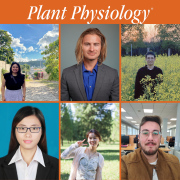
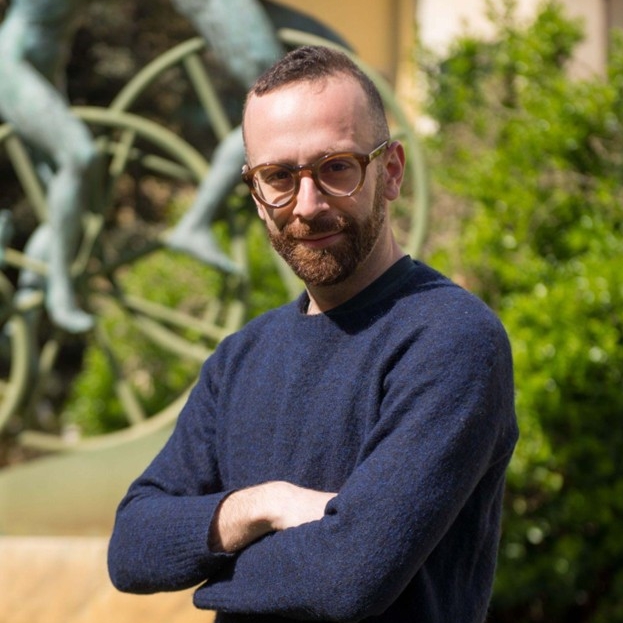 Leonardo Caproni
Leonardo Caproni is the First Author of A deficient CP24 allele defines variation for dynamic non-photochemical quenching and photosystem II efficiency in maize published 25 March 2025. Caproni is an Assistant Professor at Sant’Anna School of Advanced Studies. Educational background includes a 2019 Ph.D in Agricultural Genetics at the University of Perugia. Research interests include Plant genomics and quantitative genetics. Personal interests include Swimming, Mountain Biking, Theatre, and Travelling.
“My interest in plant science began in my childhood, spending countless hours on my grandparents’ farm. I vividly remember the excitement of the harvest seasons, which were thrilling moments for me. This curiosity about plant science stayed with me through my school years and led me to study agriculture and agricultural biotechnologies at university. During these years, I developed a deep fascination with plant genetic resources, which ultimately led me to pursue a PhD in agricultural genetics.”

Magali Grison
Magali Grison is the First Author of Root expansion microscopy: A robust method for super resolution imaging in Arabidopsis published 10 April 2025. Grison is a Research Engineer. Education background includes 2018 PhD in Plant Biology at Bordeaux University, 2013 MSc in Heart and Life Sciences at EPHE Paris-Sorbonne. Research interests include super-resolution microscopy, nanoscopy. Personal interests include climbing, hiking, scuba diving, drawing, and painting.
“I like to keep moving and learning. I started my career in hospital before moving into research, where I discovered plant biology and microscopy in particular. What I find incredible and wonderful is to see cellular processes taking place in front of my eyes in a living seedling. I always get very emotional when I see a dividing cell; it’s the basis of life.”
Jiao Wang
Jiao Wang (she/her) is the First Author of The G-protein β subunit SlGB1 regulates tyramine-derived phenolamide metabolism for shoot apex growth and development in tomato published 27 March 2025. She is an Associate Researcher at Zhejiang University. Education background includes: 2021 Postdoctor Crop Science at Zhejiang University; 2016 Ph.D Olericulture at Zhejiang University; 2012 BSc Horticulture at Zhejiang University. Research interests include Plant growth and development, stress regulation. Personal interests include outdoor sports and reading.
“After generating a batch of tomato mutant materials, I observed developmental phenotypes such as shoot apex necrosis or altered yield, which led me to investigate the underlying mechanisms. By utilizing multi-omics sequencing and other approaches, I identified potential regulatory pathways involved. Through extensive literature review and molecular biology techniques such as screening for interacting proteins and transcriptional regulation, I further dissected the regulatory mechanisms.
As I delved deeper into unraveling these mechanisms, I experienced the fascination of plant science: observing a phenomenon, uncovering its underlying principles through dedicated effort, and potentially applying this knowledge to agricultural production.”
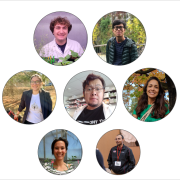
Eric Patterson
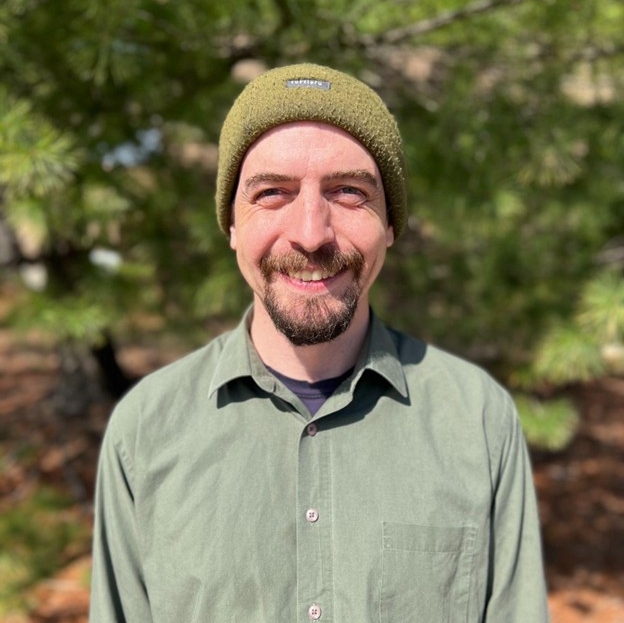
Eric Patterson is the First Author of A rearranged Amaranthus palmeri extrachromosomal circular DNA confers resistance to glyphosate and glufosinat published 27 March 2025. Patterson is an Assistant Professor, Michigan State University. Education background includes 2018 PhD, Bioagricultural Sciences, Weed Science. Colorado State University. 2013 MS, Botany. Colorado State University. 2009 BS, Evolutionary Biology; BS, Zoology. Research interests include Weed Genomics. Personal interests include Dungeons and Dragons, Guitar.
“I fell into plant science after not getting into veterinarian school. I was offered a scholarship to study plant molecular biology after working in a plant diagnostics clinic as a work study for four years in college. After I got my Masters, I went to teach community college, but one day I met Dr. Todd Gains at CSU, and he hired me to be his lab manager. He inspired me to go back to school as a PhD and the rest is history. He introduced me to weed science, and I fell in love with the discipline and how it blends together applied weed management and basic biology principles. I love how my work can be highly basic, assembling weed genomes, but this work directly translates to services and information for growers.”
Sunnyjoy Dupuis
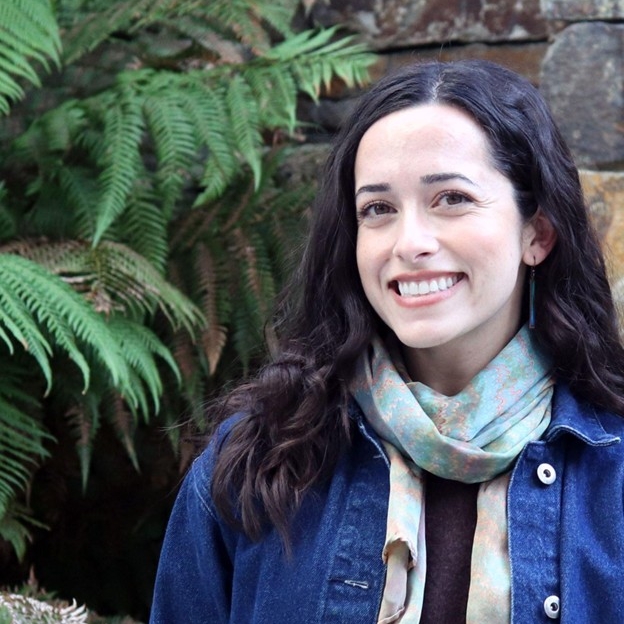
Sunnyjoy Dupuis (she/her) is the First Author of Too dim, too bright, and just right: Systems analysis of the Chlamydomonas diurnal program under limiting and excess light published 19 April 2025. She is a Graduate Student Researcher at the University of California, Berkeley. Education background includes: 2025 PhD Candidate in Microbiology at University of California, Berkeley; 2017 BS in Microbiology with Minor of Environmental Studies at California Polytechnic Institute, San Luis Obispo. Research interests include Systems biology, functional genomics, photosynthesis, and microbial ecology. Personal interests include Music and yoga.
“In the Fall of 2014 I took “American and Californian Government” at California Polytechnic Institute in San Luis Obispo as a general education requirement for my undergraduate degree in Microbiology. The professor who taught this course (whose name I sadly cannot recall) took it upon himself to focus the curriculum on climate change and the desertification of our natural resources. Having grown up inhaling smoke from California’s worsening fires, I was familiar with the impacts of increasing emissions and land-use changes. But the impacts became more pressing with each lecture. Every powerpoint was filled with upwards-trending greenhouse gas graphs and images of cleared rainforests, bleached corals, hurricane footprints– stark reminders of the grim path that our society was on.
In one of his lectures, the professor briefly touched on carbon capture as a promising mitigation strategy. Having just delved into microbial photosynthesis in another class, I thought to myself, “if only every human being on Earth was mandated to grow just 1 bucket of algae on their roof, we could stop climate change!” Obviously, it is a little more complicated than that. But nevertheless, I was moved to begin research in algae. These tiny photosynthesizers are excellent at what they do: estimates suggest that photosynthetic microbes make up only 1% of plant biomass on Earth, but are responsible for around 50% of all photosynthetic carbon fixation. So, they are not only major players in natural biogeochemical cycles, they are also an attractive chassis for the production of biofuels and other commodities. Understanding algal biology is critically important for understanding and potentially regulating global carbon cycling.
As I have progressed in my career, my amazement with algal photosynthesis has only grown. Nothing is more beautiful than witnessing how hundreds of proteins, pigments, cofactors, and lipids encoded by multiple genomes in disparate compartments come together to harvest the Sun’s energy, rip the electrons out of water, and use them to turn carbon dioxide into biomass.”
Valle Ojeda
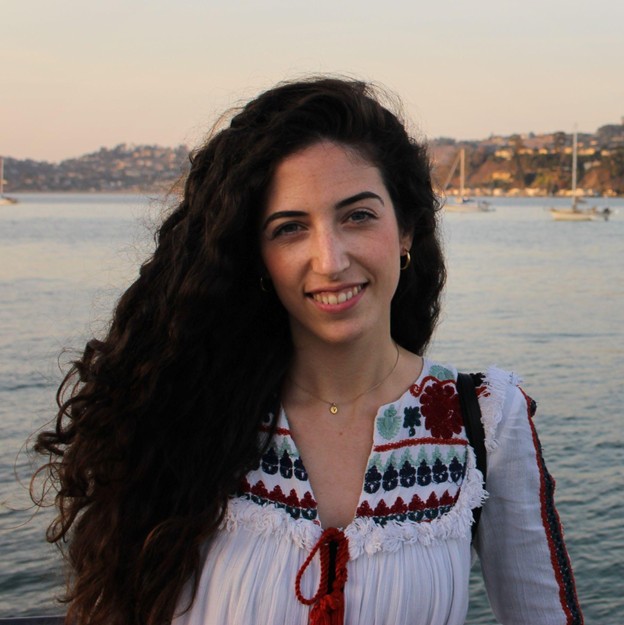
Valle Ojeda (she/her) is the First Author of Too dim, too bright, and just right: Systems analysis of the Chlamydomonas diurnal program under limiting and excess light published 19 April 2025. Ojeda is a Profesora Permanente Laboral (Assistant Professor) and the University of Seville. Educational background includes a 2019 Ph.D in Biology at University of Seville; a 2014 MSc in Molecular Genetics and Biotechnology at the University of Seville; 2013 BSc in Biology at the University of Seville. Research interests include Redox regulation, Photosynthesis, and Plant metabolism. Personal interests include Traveling, Photography, Hiking, Music.
“I grew up in Moriles, a small village in the south of Spain, known for its wine and olive oil. Ever since I was a child, I’ve been fascinated by life, especially plants, whose beauty always captivated me. I was constantly asking questions, whether to teachers, relatives, or friends, trying to understand the natural world around me. That curiosity has always been my greatest motivation, and it naturally led me to research as a way to contribute to scientific discovery. While studying Biology, I joined the research group “Redox Signaling and Response to Environmental Stress in Plants”, led by Prof. Francisco Javier Cejudo and Prof. Juan Manuel Pérez-Ruiz at the Institute of Plant Biochemistry and Photosynthesis in Seville. There, I began working with plants, particularly Arabidopsis, and developed a strong interest in the molecular biology and biochemistry of photosynthetic organisms. Eager to expand my research beyond higher plants, I explored the world of algae during my postdoctoral work in Prof. Sabeeha Merchant’s lab at UC Berkeley. My focus was on Chlamydomonas studying its diurnal cycle, which allowed me to broaden my understanding of photosynthetic systems and appreciate their incredible diversity.”