

ASPB Introduces the 2026 Plantae Editors

Returning in 2026, ASPB has appointed its new group of Plantae Editors to further support Plantae’s growth and goal to serve as a community resource for plant biologists, by plant biologists. The Plantae Editors all served as Plantae Fellows in previous program years and are returning ready to support the 2026 Plantae Fellows.
About Plantae Editors
Plantae Editors are appointed for a two-year term and work alongside the Plantae Fellows to engage and grow the Plantae community. Plantae Editors have shown exceptional creativity and skill in content development and organization. In their roles, Plantae Editors help nurture these skills in others while also shaping the content of Plantae. They serve as a resource for Plantae Fellows as they plan and produce their content for Plantae, facilitate connections across the global plant science community, lead and organize a dedicated team of Plantae Fellows, and assist with the curation of Plant Science Research Weekly (PSRW) articles. Plantae Editors also receive an inside view of the technology roadmap for the Plantae platform and provide feedback and direction as needed.
Meet the 2026 ASPB Plantae Editors
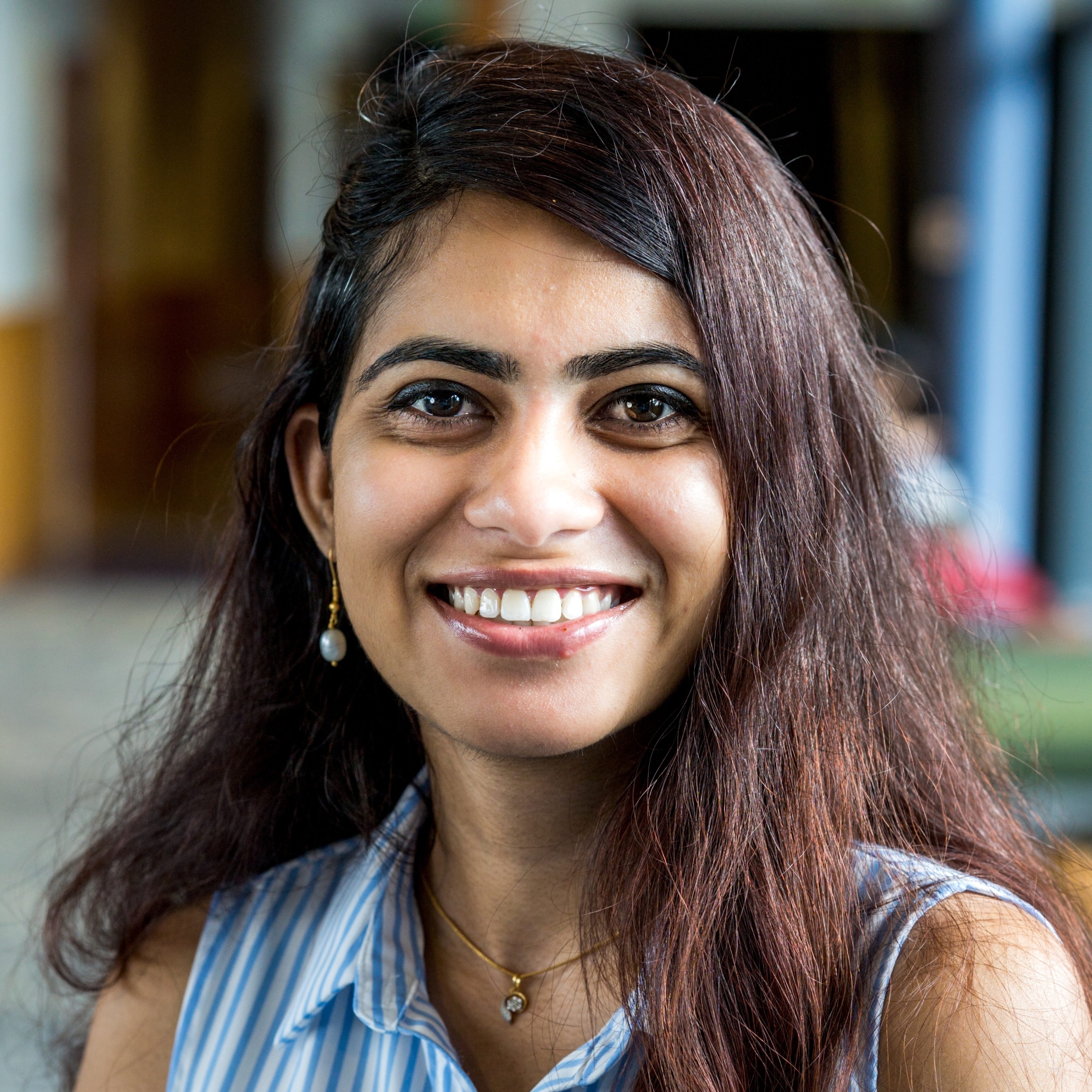 Aditi Bhat
Aditi is a postdoctoral researcher in Cara Haney’s lab at University of Pittsburgh, where she studies the role of receptor-like kinases in shaping the plant microbiome. As a 2025 Plantae Fellow, she absolutely loved organizing webinars that made plant science broadly accessible, and now she’s back as a 2026 Plantae Editor to write more, mentor more, and give more back to ASPB’s global community. X: @jumpy_botanist
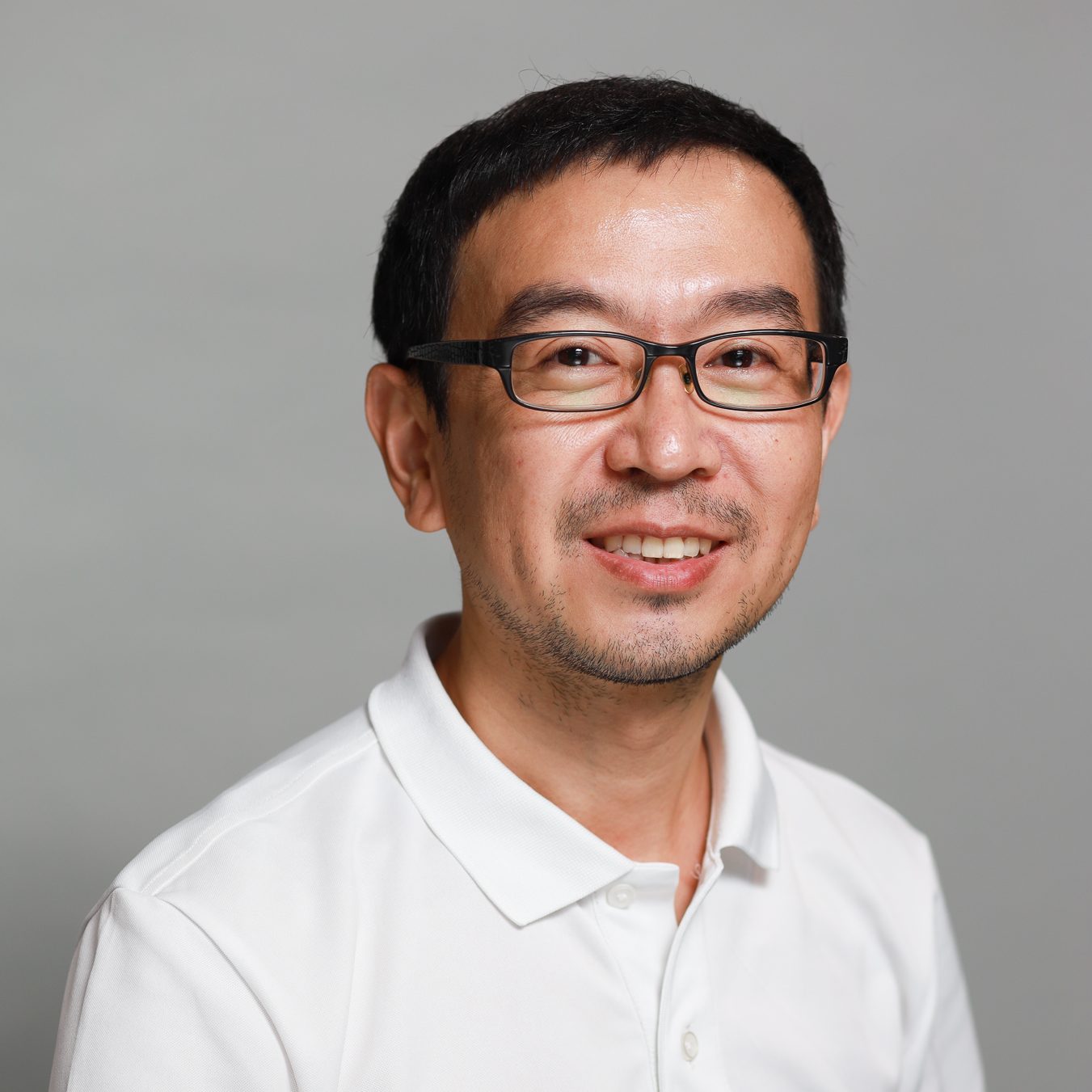 Ching Chan
Ching is broadly interested in plant-microbe interactions under different environmental conditions and the application of this knowledge to crop improvement. Using the model plant Arabidopsis thaliana, he explored the fundamental mechanisms of membrane receptors and ion channels in modulating plant immune response against bacterial and fungal pathogens. To extend the application potential of these genes, their homologs in crop plants are also under investigation! X: @ntnuchanlab
 Indrani Kakati
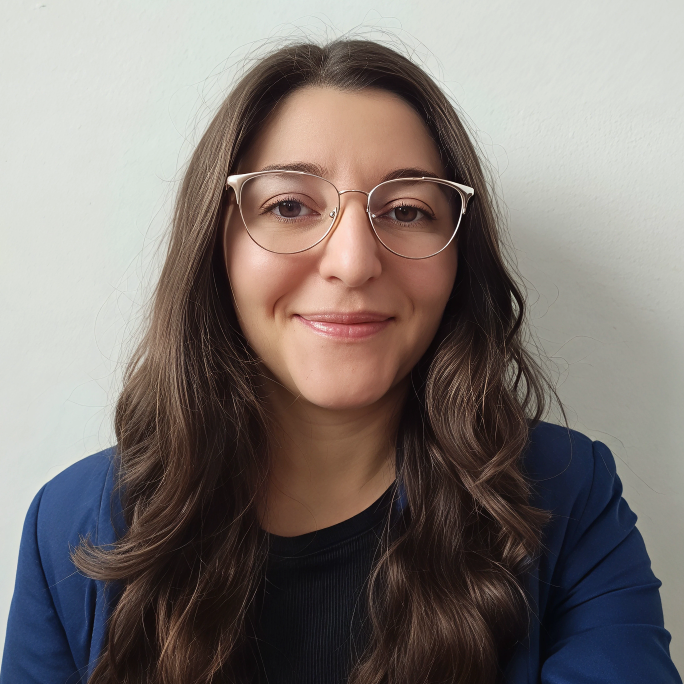
Katarina Kurtović
Katarina is a Postdoctoral fellow at Centre Algatech, Institute of Microbiology, Czech Republic. She studies High light inducible proteins (Hlips) in the cyanobacteria and explores the reprogramming of regulatory pathways of cyanobacteria to improve the photosynthesis efficiency. Outside of the lab she teaches yoga, enjoys hiking, and a good book with a cup of tea and her senior cat. X: @kat_kurtovic
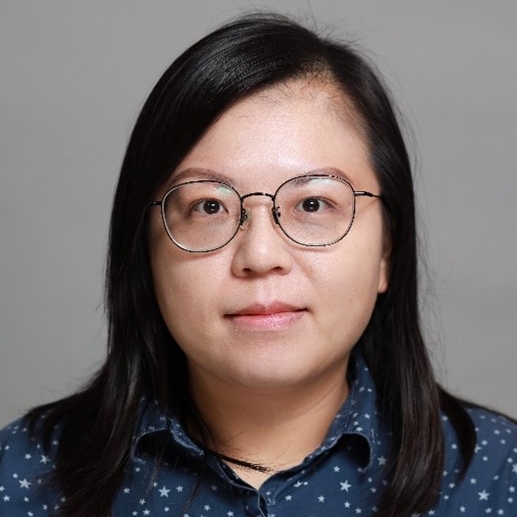
Yee-Shan Ku
Yee-Shan is a postdoctoral researcher at State Key Laboratory of Agrobiotechnology, The Chinese University of Hong Kong. She is interested in comprehending life sciences at the molecular level. Her research focuses on plant metabolites, plant-microbe interaction, and agricultural biotechnology for crop improvement. X: @YeeShanKu1


Leave a Reply
Want to join the discussion?Feel free to contribute!