Consistency is key: Shaping a sepal
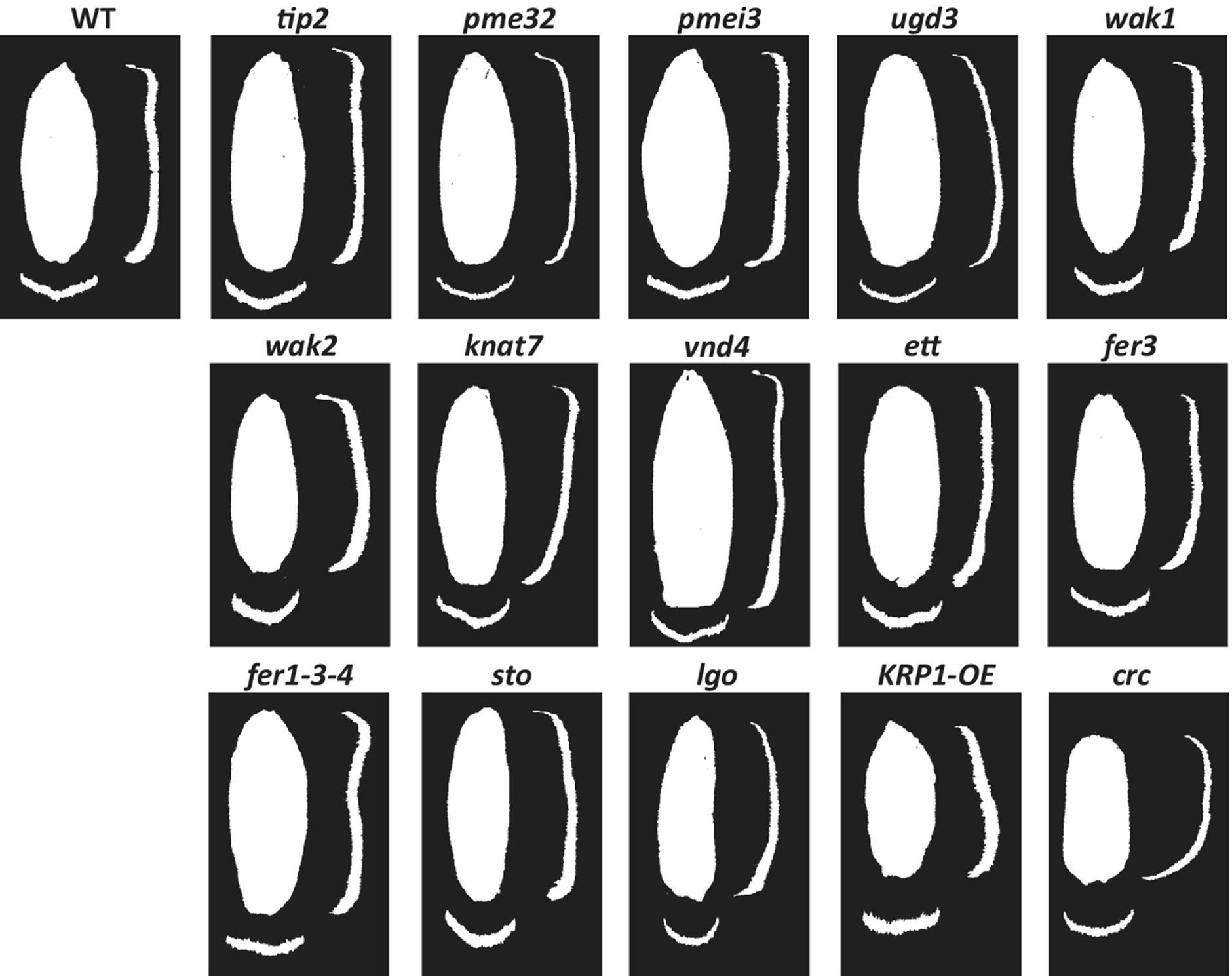 The development of the 3D shape of an is complex, and the contributions of underlying pathways are difficult to untangle. Battu et al. decouple the organ size and organ shape by conducting a thorough quantification of organ geometry in 3D together with Principle Component Analysis (PCA), and using the sepal of the Arabidopsis thaliana flower as a model. They quantified the 3D morphology from 15 mutant sepals (along with wild type), using confocal microscopy, and recovered descriptors for size (length, width, area) and shape (aspect ratio, curvature). This 3D data reveals that curvature (a shape descriptor) explains most of the variation in sepal morphology. This paper describes a pipeline that can be used as an unbiased approach to identify key components in robust organ development, and it emphasizes the importance of considering the 3D nature of organs when studying their development. (Summary by Kes Maio @kesmaio.bsky.social) Quant Plant Bio 10.1017/qpb.2025.5