

Plant Science Research Weekly: November 14, 2025
Review.When the sun becomes too hot: Non-photochemical quenching in plants
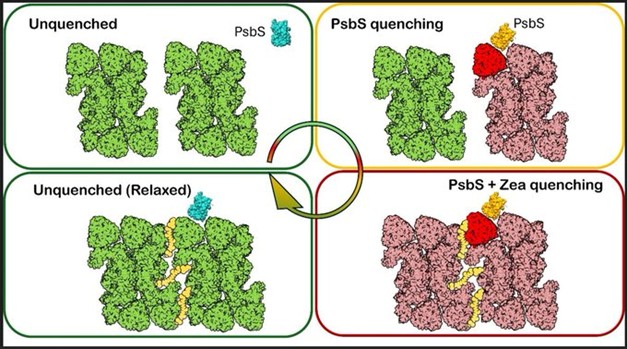 Plant photosynthetic machinery can easily be overwhelmed by strong sunlight. Therefore, plants developed a set of processes called Non-Photochemical Quenching, a safety valve that dissipates excess light energy as heat. In a recent review, van Amerongen and Croce synthesize decades of often contradictory research to clarify how this vital photoprotective process works. The authors focus on qE, the fastest and most dynamic quenching component, triggered within seconds of excess light exposure. Central to qE are two key players: the pH-sensitive protein PsbS, which detects lumen acidification and induces conformational shifts in light-harvesting complexes, and zeaxanthin, a xanthophyll pigment that enhances energy dissipation and expands the quenching domain. Contrary to earlier views that minor antennae like CP29 are primary quenching sites, new evidence points to LHCII as the main locus of quenching activity. The authors propose a model where only a few antenna complexes switch into a “quenched” state through PsbS activation, while zeaxanthin improves inter-complex connectivity, creating what they call “economic photoprotection.” This refined framework not only reconciles competing hypotheses but also highlights the potential of optimizing non-photochemical quenching regulation to boost photosynthetic efficiency and crop yields. (Summary by Katarina Kurtović, katarinakurtovic.bsky.social) The Plant Cell 10.1093/plcell/koaf240
Review. When water runs short: How plant hydraulic traits function and matter most
 Long-standing puzzles have perplexed scientists about the physiological tradeoff between drought resistance and crop production, and this review brings the pieces together. What, exactly, allows a crop to keep producing when water runs short? Should breeding focus on early stomatal closure and limited transpiration? Does stronger sensitivity to high vapor pressure deficit conserve soil water without reducing yield? When do tolerance traits such as osmotic adjustment, resistance to xylem embolism, or hydraulic refilling make a real difference? Cardoso and colleagues explain how plant hydraulics, including root and leaf conductance, stomatal traits, and water storage capacity, shape both drought avoidance and drought tolerance. Avoidance conserves water by lowering stomatal density and conductance, strengthening responses to soil drying and high vapor pressure deficit, and reducing nighttime and residual water loss. Tolerance keeps plants functional at lower water potentials through osmotic adjustment and by preventing or refilling xylem embolism. The authors propose an integrated measure, the “time for hydraulic failure,” that combines both strategies. They conclude that avoidance is often most important under moderate drought, while tolerance becomes essential as stress intensifies beyond turgor loss. Genetic differences and nutrient management can shift the point where plants begin to limit transpiration, and some genotypes naturally cap transpiration once the air becomes sufficiently dry. Because photosynthesis responds nonlinearly to stomatal conductance, modest reductions in conductance can improve intrinsic water-use efficiency with little penalty to carbon gain. The review also highlights nighttime and residual leaf conductance as overlooked sources of water loss that could be addressed through breeding. Although many crops have xylem that are less resistant to embolism than wild relatives, useful variation exists, root pressure may help restore water transport after drought, and the direct effect of embolism on yield remains uncertain. (Summary by Dr. Hao Chen @ Auburn CFWE) Plant Physiol. 10.1093/plphys/kiaf521
Cracking the oat code: A comprehensive pangenome and pantranscriptome resource
 Oat (Avena sativa) is a globally cultivated cereal for its rich dietary fiber and health-promoting benefits. Yet, despite its nutritional importance, oat genomics has long lagged behind other cereals due to its large, repeat-rich, and allohexaploid genome which does not generally recombine. In a recent landmark study, Avni and colleagues tackled this complexity by assembling 33 oat lines, including both wild and domesticated varieties, and profiling gene expression across six tissues and multiple developmental stages in 23 of them. The result is a comprehensive pangenome and pantranscriptome of hexaploid oat, predicting between 107,847 and 136,836 genes, with 60.5% showing expression. The team further characterized gene presence–absence variation and copy number variation, revealing a structured genomic landscape: a core genome (present in all lines) enriched in essential functions such as flowering, nutrient uptake, and cell wall organization; a shell genome (present in many lines) associated with defense, seed storage, and transcriptional regulation; and a cloud genome (present in single lines) containing genes for signaling and stress responses. Importantly, they linked structural variations to agronomic traits, including an inversion on chromosome 7D linked to early heading and an QTL on chromosome 6D for the semi-dwarf phenotype Dw6. Intriguingly, they showed that synthetic-derived oat lines exhibiting extensive genomic rearrangements maintained strong agronomic performance, suggesting that such variation is not detrimental but potentially advantageous. As oat research enters the pangenomic era, these variations form another resource for precision breeding and the sustainable improvement of crop. (Summary by Ching Chan @ntnuchanlab) Nature 10.1038/s41586-025-09676-7
Master of non-enzymatic functions: ISOAMYLASE complex structure reveals additional metabolic roles
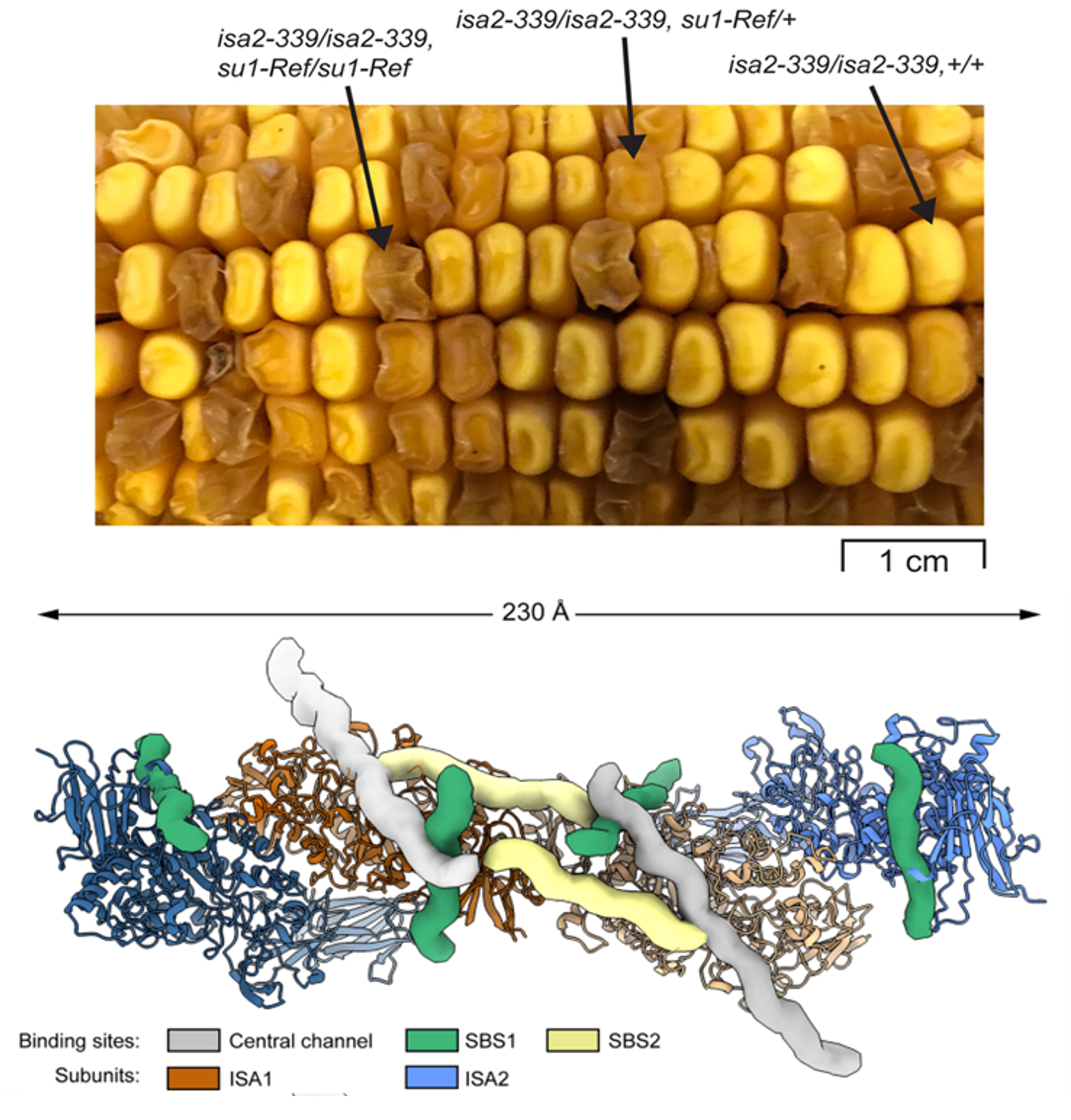 Plants store glucose polymers in semicrystalline starch granules. Starch debranching enzymes, including isoamylases (ISAs), are involved in maintaining starch’s crystalline organization. In maize, sugary1 (su1) mutants with impaired ISA1 enzymatic activity accumulate soluble polyglucan chains (phytoglycogen). Unlike ISA1, ISA2 is enzymatically inactive. However, it remains selected for in plants, and is structurally conserved including an additional β-sandwich domain not present in ISA1. Hennen-Bierwagen and colleagues investigated the non-enzymatic functions of the maize ISA1-ISA2 complex, using non-catalytic ISA1 alleles that accumulate varying starch/phytoglycogen ratios. Removing ISA2 exacerbated the ISA1 phenotypes, demonstrating it has non-enzymatic functionality. AlphaFold3 models revealed 8 glucan binding sites in the ISA1-ISA2 heterotetramer, with the point mutations clustering in the border lobe, affecting polyglucan binding. The non-enzymatic functions of the ISA complex may include recruitment of binding-partners to these glucans, or shielding them from other proteins. Bringing these glucan chains into proximity with one another may promote helix formation, which gives starch its crystallinity. Crucially, this paper highlights the importance of considering the non-enzymatic functions of proteins, and how structural modelling can shed light on these roles. (Summary by Ciara O’Brien @ciara-obrien.bsky.social) Plant Cell 10.1093/plcell/koaf220
Consistency is key: Shaping a sepal
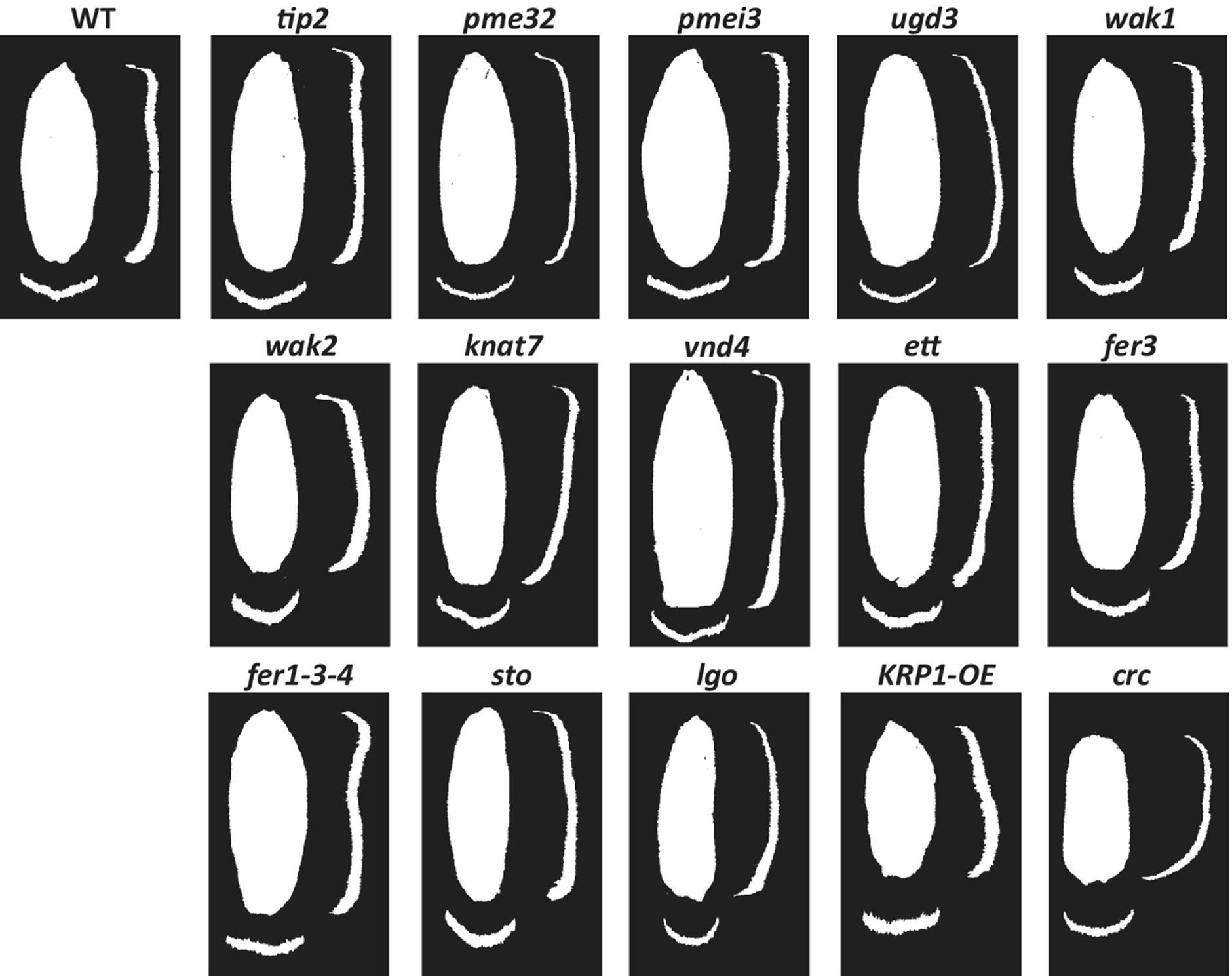 The development of the 3D shape of an is complex, and the contributions of underlying pathways are difficult to untangle. Battu et al. decouple the organ size and organ shape by conducting a thorough quantification of organ geometry in 3D together with Principle Component Analysis (PCA), and using the sepal of the Arabidopsis thaliana flower as a model. They quantified the 3D morphology from 15 mutant sepals (along with wild type), using confocal microscopy, and recovered descriptors for size (length, width, area) and shape (aspect ratio, curvature). This 3D data reveals that curvature (a shape descriptor) explains most of the variation in sepal morphology. This paper describes a pipeline that can be used as an unbiased approach to identify key components in robust organ development, and it emphasizes the importance of considering the 3D nature of organs when studying their development. (Summary by Kes Miao @kesmaio.bsky.social) Quant Plant Bio 10.1017/qpb.2025.5
Feeling the heat: SP6A links heat tolerance and defense in potato
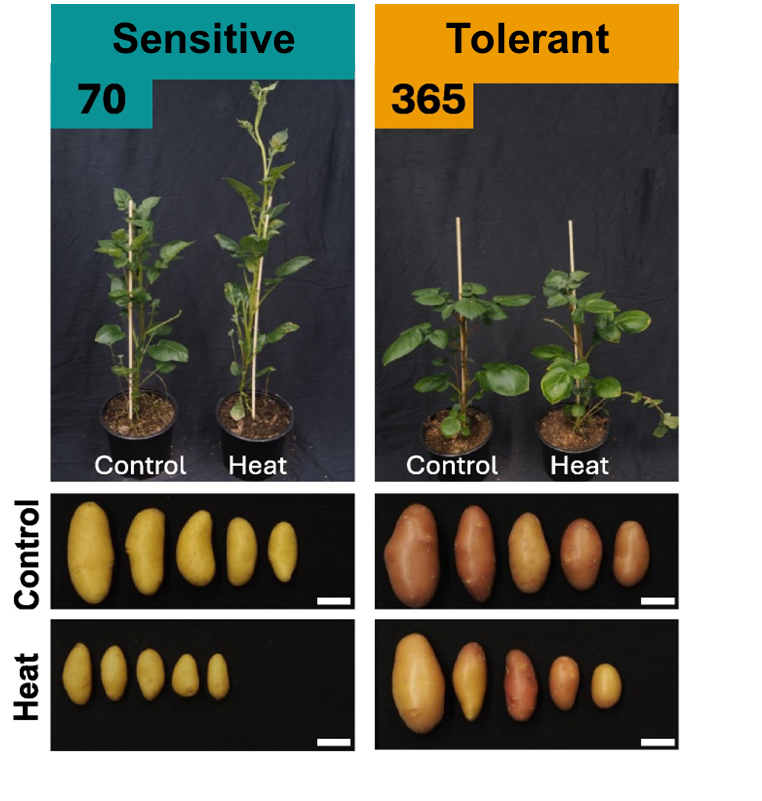 Climate change is a major threat to potato, as high temperatures inhibit tuberization and reduce yield. A recent study by Yeo and colleagues screened for heat-tolerance in offspring from one tolerant and one sensitive parent potato cultivar. SELF-PRUNING 6A (SP6A), encoding a phloem-mobile tuberization signal, was upregulated in heat-tolerant offspring, which formed tubers earlier than their heat-sensitive counterparts. Plants overexpressing SP6A (SP6A-OE), which also have accelerated tuber formation, were previously characterised as high-yielding and heat-tolerant. However, both heat-tolerant offspring and SP6A-OEs showed downregulation of defense-related genes. These plants showed reduced accumulation of a range of sesquiterpene compounds relative to their wild types or parents, while each cultivar had a notably different terpene profile. SP6A-OEs also showed a dampened response to bacterial PAMP flgII-28. Late-tuberization has been previously correlated with increased disease resistance, but this work is the first to provide a molecular cause for these observations. The pathway linking SP6A and defense is yet to be elucidated, although jasmonic acid signalling was implicated by downregulation of related genes in SP6A-OEs. Going forward, this work provides valuable insight into critical areas for breeders, and gives a cautionary example of unintended side effects from crop improvement, exemplifying growth and defense trade-offs. (Summary by Ciara O’Brien @ciara-obrien.bsky.social) J. Exp. Bot. 10.1093/jxb/eraf393
A viral master plan: TYLCV reprograms tomato scent and whitefly senses for maximum spread
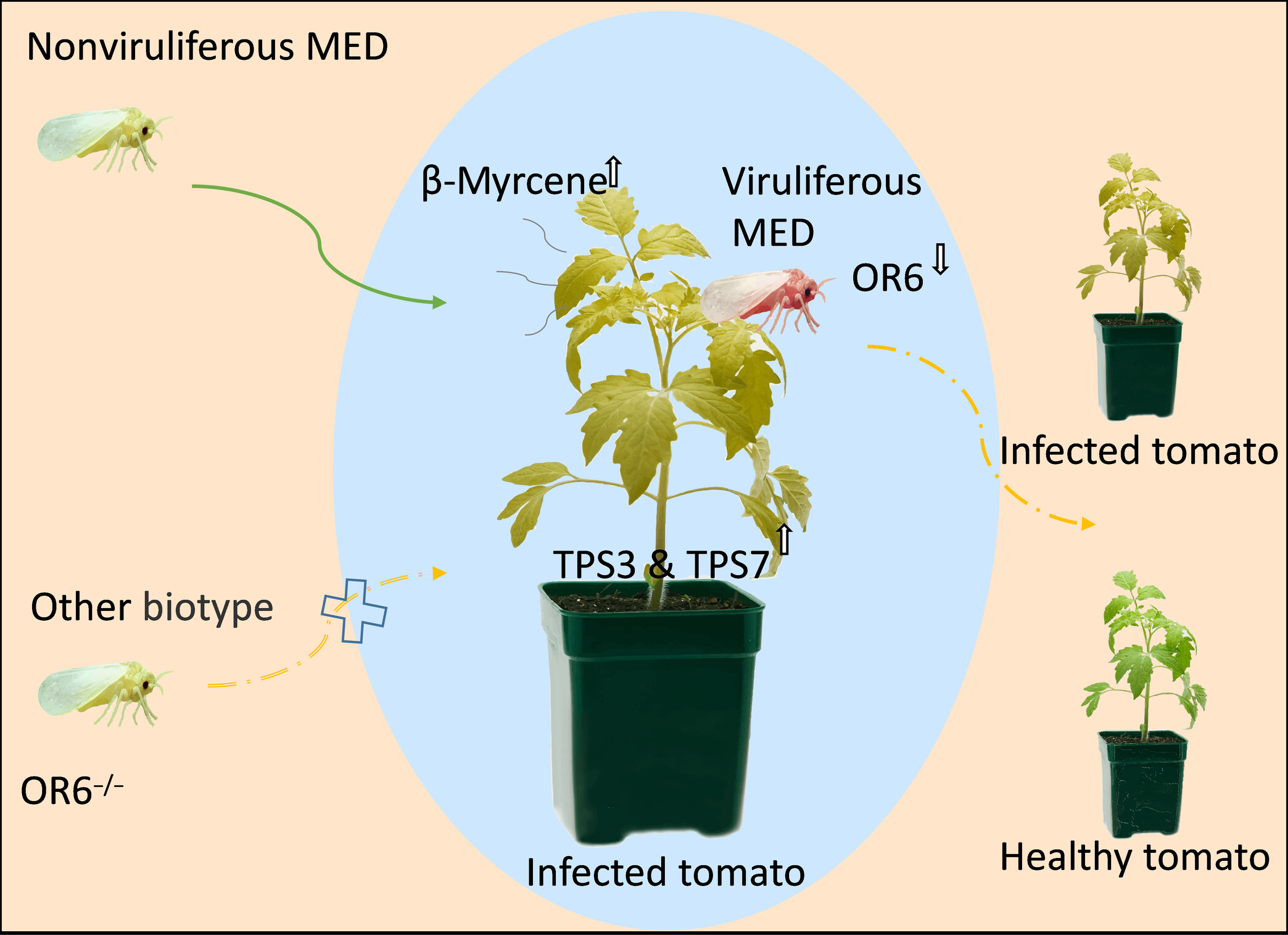 Viruses spreading to crops via tiny insects is one of agriculture’s biggest problems. Liang et al. uncovered the two-part strategy used by the tomato yellow leaf curl virus (TYLCV) to hijack the whitefly, Bemisia tabaci. It’s a double dose of manipulation designed to guarantee infection. The virus manipulates the host and vector by mastering two distinct steps. Phase 1, Acquisition: TYLCV induces the tomato plant to boost the production of β-myrcene. This strong scent is attracts non-virus carrying (nonviruliferous) whiteflies, which feed on the infected plant and acquire the virus. Phase 2, Transmission: Once a whitefly is viruliferous with TYLCV, the virus inhibits the expression of a fly olfactory receptor (BtMEDOR6) that is responsible for smelling β-myrcene. By making the infected plant suddenly seem unappealing, the virus indirectly induces the whitefly to leave the old, infected plant and fly off to a new, healthy one, making sure the virus successfully infects a new and healthy host. TYLCV essentially uses scent to attract its ride, then blinds that ride’s sense of smell to cause it to disperse. Understanding this manipulation gives scientists powerful new clues for developing better ways to block whiteflies or engineer crops with enhanced defenses. (Summary by Ved Prakash @vedjiwan) Science Advances 10.1126/sciadv.adr4563
How parasitic plants avoid being parasitized
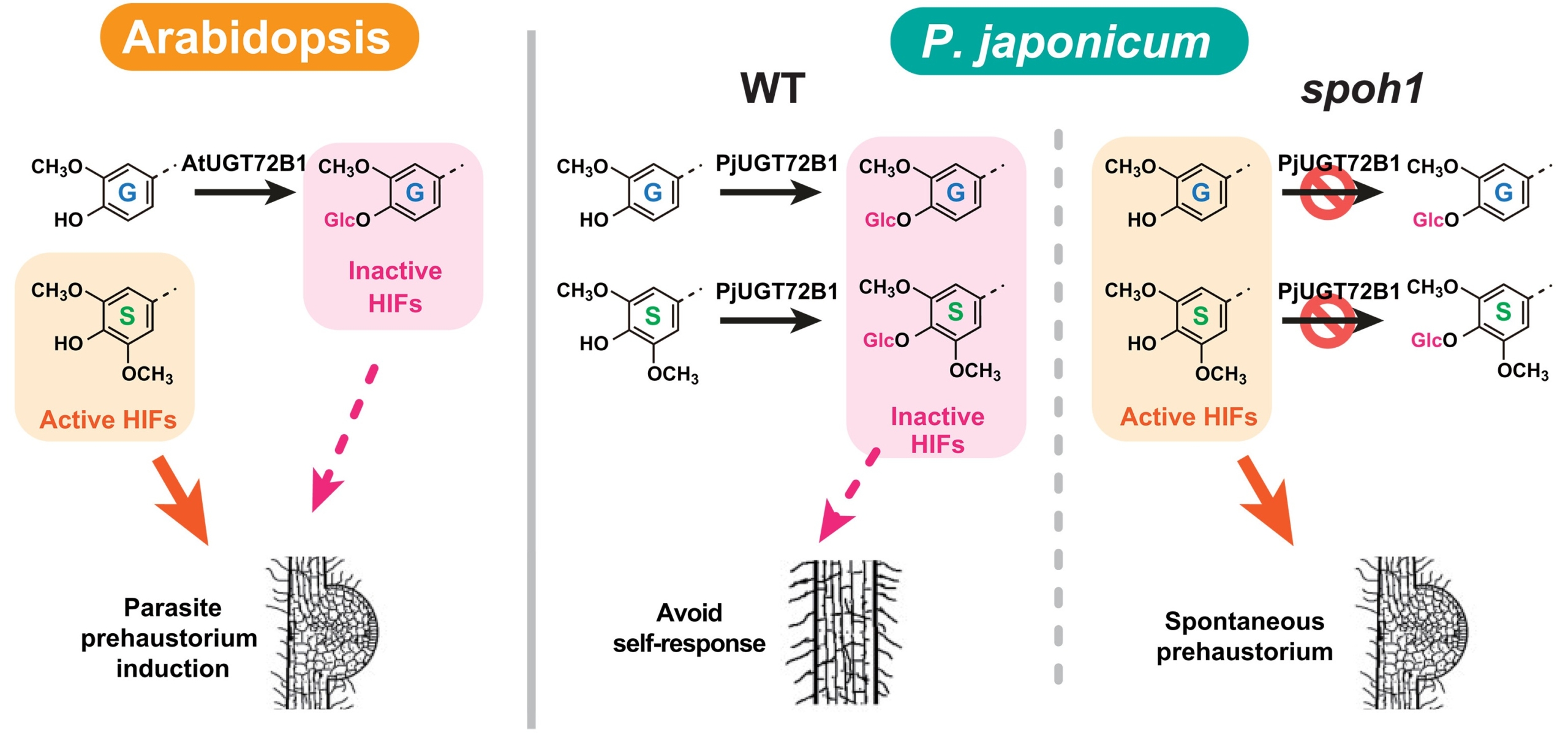 It’s not too difficult to envision how a plant recognizes something very different from itself, like a bacterium, oomycete, or fungus. It’s a bit less obvious how a plant recognizes another plant as different from itself. This self-recognition is important when you think about parasitic plants, which break into their hosts through structures called haustoria and extract nutrients from them. Previously, lignin-like factors called haustorium-inducing factors (HIFs) produced by host plants have been identified that stimulate parasitic plants to form prehaustorial structures, preparing them to invade. Interestingly, many parasitic plants seem to be insensitive to such exudates from other parasitic plants. To investigate how this recognition occurs, Xiang et al. identified a mutant of the model parasitic plant Phtheirospermum japonicum that they named spontaneous prehaustorium 1 (spoh1), that constitutively produces prehaustoria in the absence of exogenous HIFs. The authors found that exudates from spoh1 mutant but not wild-type P. japonicum plants promoted prehaustoria formation in another type of parasitic plant. The affected gene encodes a glycosyltransferase, which is able to glycosylate and therefore inactivate HIFs. Wild-type parasitic plants avoid self-parasitism by inactivating their own potential HIFs, whereas in the spoh1 mutant, loss of this gene activity means that the plants produce active HIFS that they then respond to. This study hints at the exciting possibility that introducing the P. japonicum glycosyltransferase into crops such as sorghum could shield them from their devastating parasites. (Summary by Mary Williams @PlantTeaching.bsky.social) Science 10.1126/science.adx8220

