

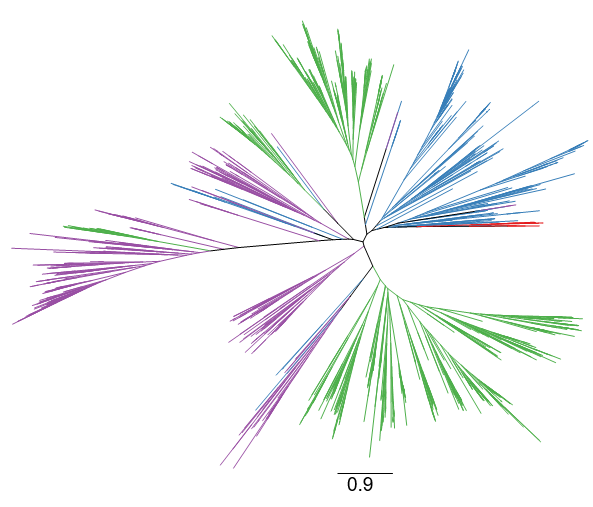
The Terpene Synthases of Red Algae Have a Bacterial Origin
Plant Physiology, Plant Physiology: On The InsideThe red algae (Rhodophyta), encompassing over 8,000 species, are the richest source of marine secondary metabolites. Among red algae, many genera produce terpenes, which constitute the largest class of secondary metabolites. Despite the rich diversity of terpenes in red algae, little is known about how…
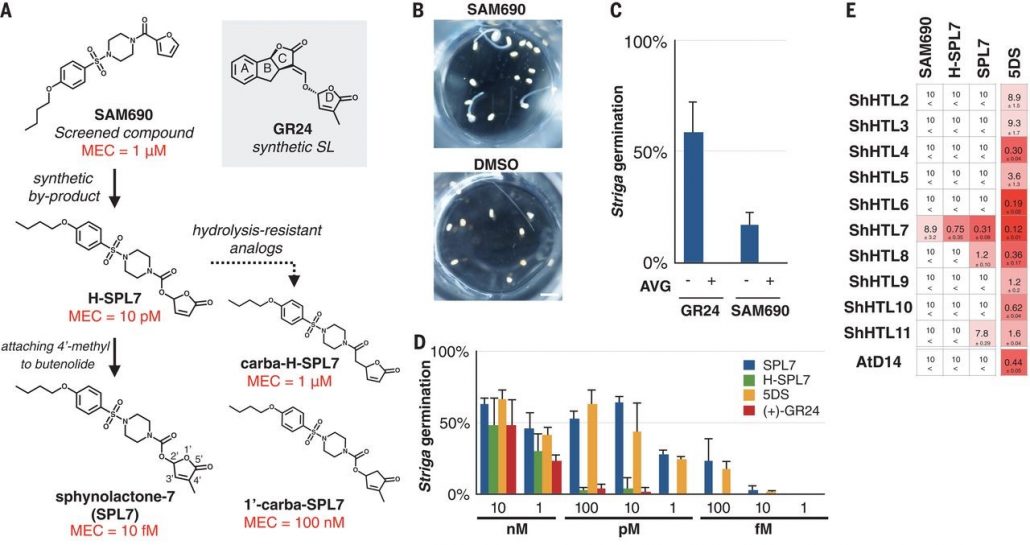
A femtomolar-range suicide germination stimulant for the parasitic plant Striga hermonthica (Science)($)
Plant Science Research WeeklyStriga hermonthica (Striga) parasitizes a wide range of crops including sorghum and rice, mainly in sub-Saharan Africa. This parasite decreases crop yields and results in billions of dollars in economic damage. Striga seeds are numerous and remain dormant in the soil until prompted to germinate by…
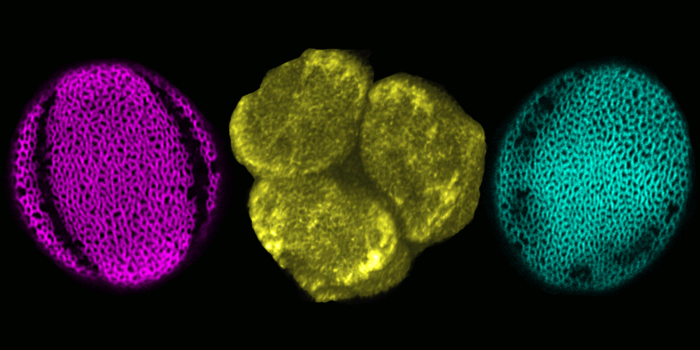
Exploring Pollen Patterns to Learn How Cells Create Distinct Domains
Research, The Plant Cell, The Plant Cell: In a NutshellLee et al. identify a protein involved in pollen aperture development and the formation of distinct membrane domains in microspores. https://doi.org/10.1105/tpc.18.00442
By Byung Ha Lee and Anna Dobritsa
Background: Pollen grains are famous for their ability to develop various intricate patterns…
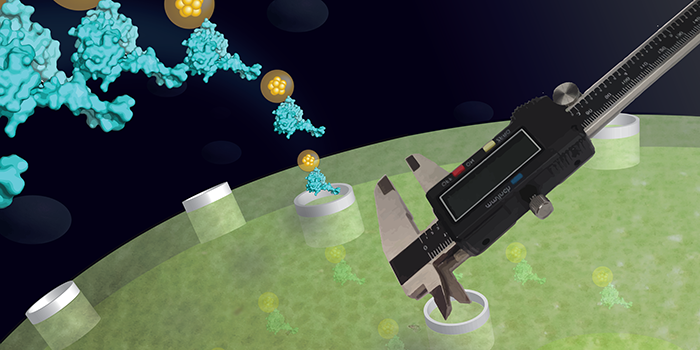
Chloroplasts can Import Folded Proteins
Research, The Plant Cell, The Plant Cell: In a NutshellGanesan et al. investigate protein import into chloroplasts The Plant Cell (2018).
By Iniyan Ganesan and Steven Theg
Background: Chloroplasts are the green compartment in plant cells that carry out photosynthesis. Most plant proteins are made in the cytoplasm and many need to cross different…
Special Issue - Plant Biotechnology, focus on lignin (Curr Opin Biotechnol) ($)
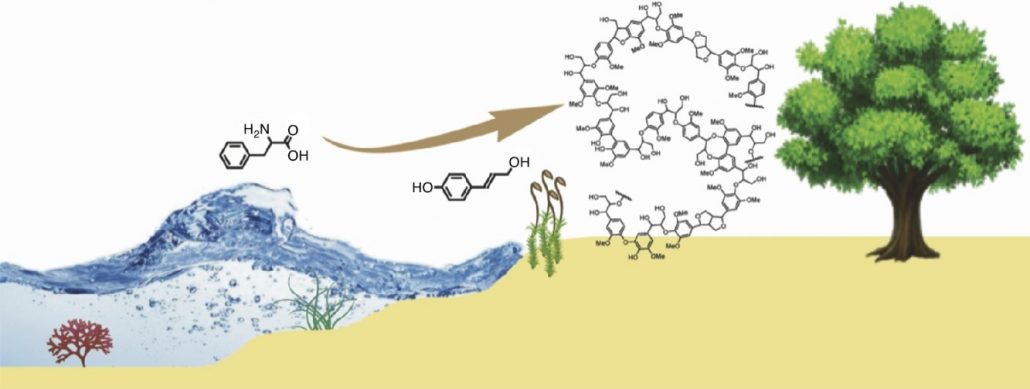
Plant Science Research WeeklyA forthcoming issue of Current Opinion in Biotechnology features a set of reviews on the topic of lignin, particularly its chemistry and applications. Lignin is a complex set of polymers that provide structural support to vascular plants (See Renault et al. for insights into lignin's evolutionary origins).…
Questions about Coenzyme Q? A New Genetic/Metabolic Study Has Answers
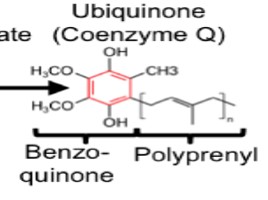
The Plant Cell, The Plant Cell: In BriefAnyone who works on plants should be dazzled by the complexity and versatility of plant metabolism. In fact, why restrict this to plant biologists? We all love plant metabolites, whether we’re enjoying the caffeine in our morning cup of tea, or the capsaicin heat in the pepper flakes on our lunchtime…

New Insights into Carboxysomes
Plant Physiology, Plant Physiology: On The InsideDespite its essential role in photosynthetic carbon fixation, ribulose 1,5 bisphosphate carboxylase/oxygenase (Rubisco) is a relatively inefficient enzyme, due in part to its inability to discriminate between CO2 and O2 as substrates. To suppress the oxygenase reaction and enhance the carboxylase activity…
Setting and Diffusing the Cyanide Bomb in Plant Defense
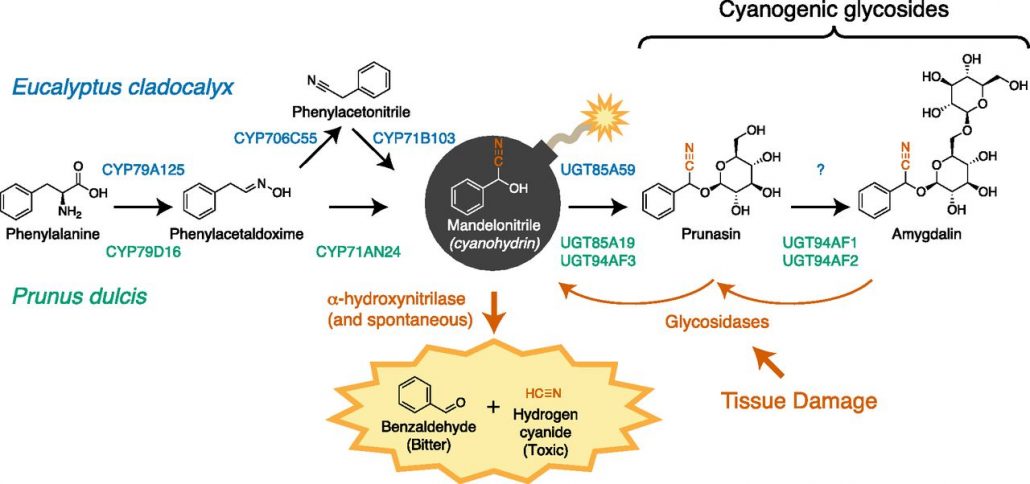
Blog, Plant Physiology, Plant Physiology: News and ViewsHydrogen cyanide (HCN) is a potent inhibitor of cytochrome c oxidase, a conserved component of the respiratory electron transport chain in all aerobic life. Thus, HCN is well suited to serve as a broad-spectrum chemical defense, and indeed it plays such a role in many interactions between plants and…
Update: Engineering of metabolic pathways using synthetic enzyme complexes
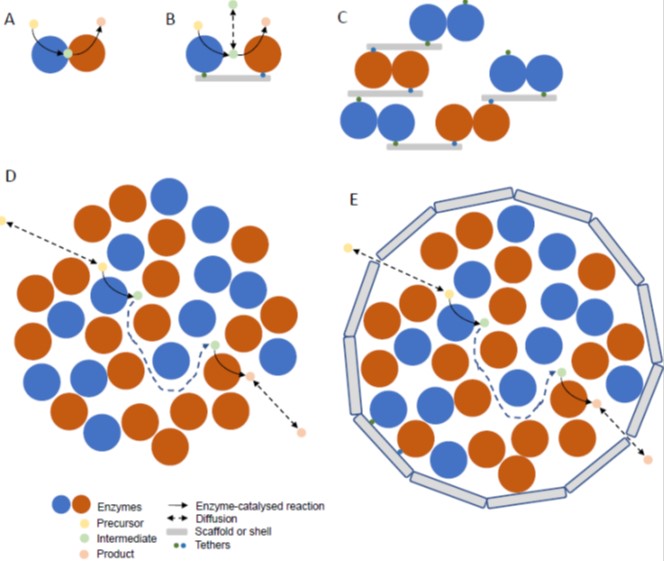
Blog, Plant Physiology, Plant Physiology: UpdatesBy Nicholas Smirnoff, University of Exeter. This article is part of the forthcoming Synthetic Biology focus issue.
Plants provide a source of enzymes for metabolic engineering to produce valuable or useful products in micro-organisms or can themselves be engineered (Andre et al., 2016; Vickery et…