

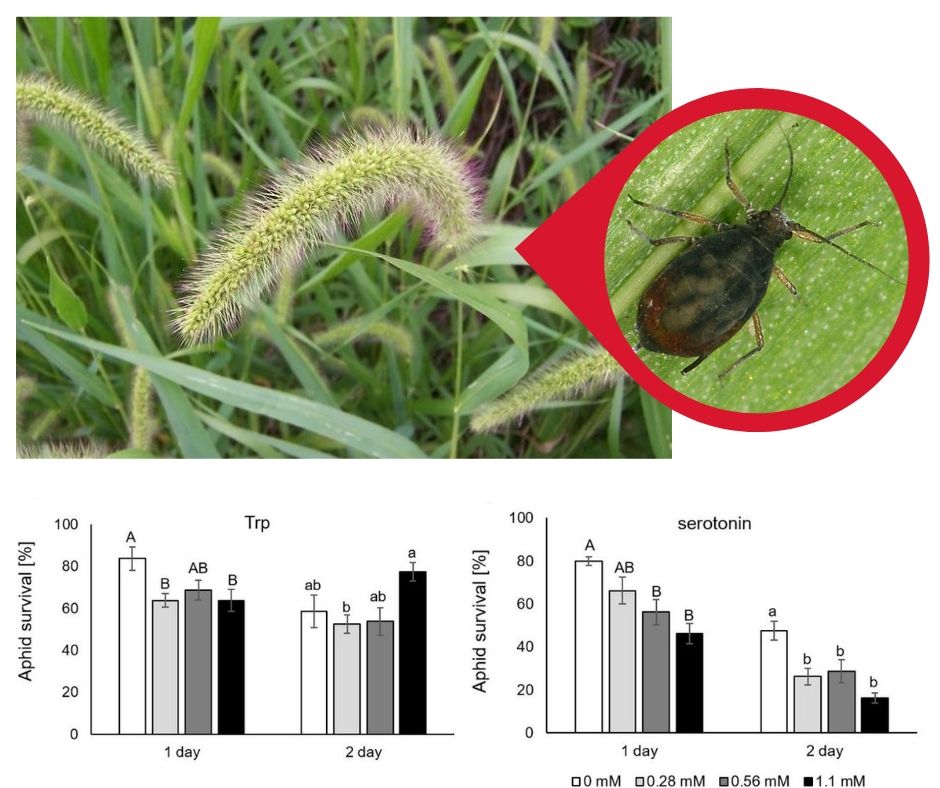
Characterizing the serotonin biosynthesis pathway upon aphid infestation in Setaria viridis leaves (bioRxiv)
Plant Science Research WeeklyIn response to biotic stresses, plants produce chemical defenses to reduce damage. Adaptations to insect infestation involve synthesis of Trp-derived metabolites, leading to metabolome alterations. Here, Dangol et al. analyzed the transcriptomic and metabolomic effects after herbivore feeding in Setaria…
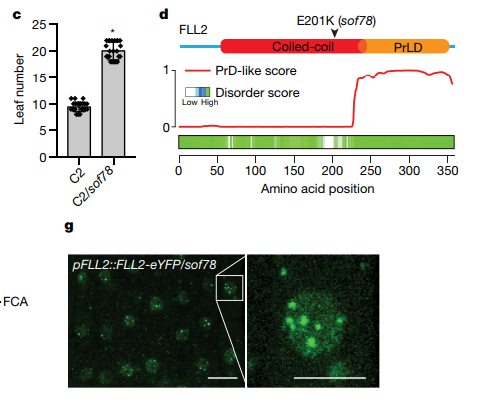
Arabidopsis FLL2 promotes liquid–liquid phase separation of polyadenylation complexes ($) (Nature)
Plant Science Research WeeklyThe nucleus of plants cells, like other eukaryotes, is full of non-membranous compartments separated by liquid-liquid phases. These complexes are often called nuclear bodies and concentrate proteins and nucleic acids. Disordered protein domains play a critical in their formation. Here, Fang et al. aimed…
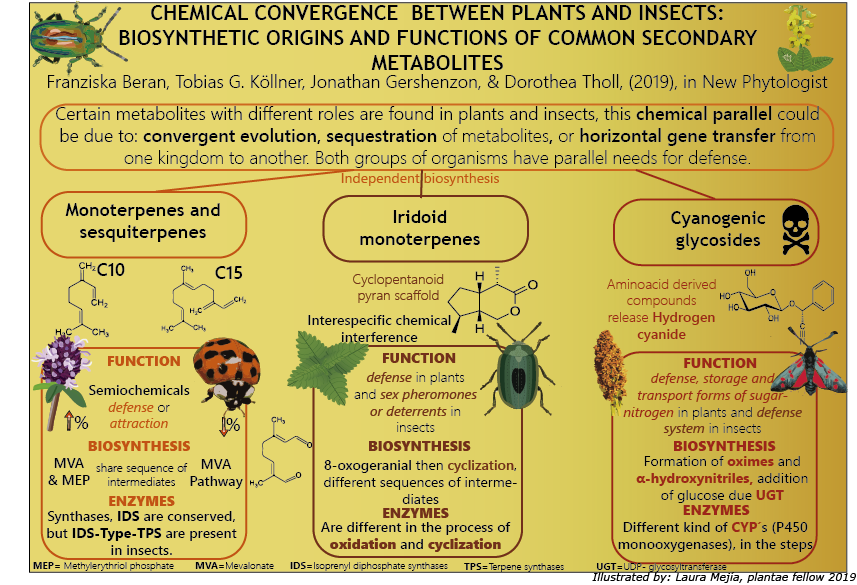
Review. Chemical convergence between plants and insects: biosynthetic origins and functions of common secondary metabolites (New Phytol)
Plant Science Research Weekly
Plants and insects aren't closely related, but they have a plethora of similar chemical weapons used for their interactions (defense, attraction, etc.). Beran et al. describe the function and biosynthesis of secondary metabolites that are shared in both insects and plants.
The monoterpenes and…
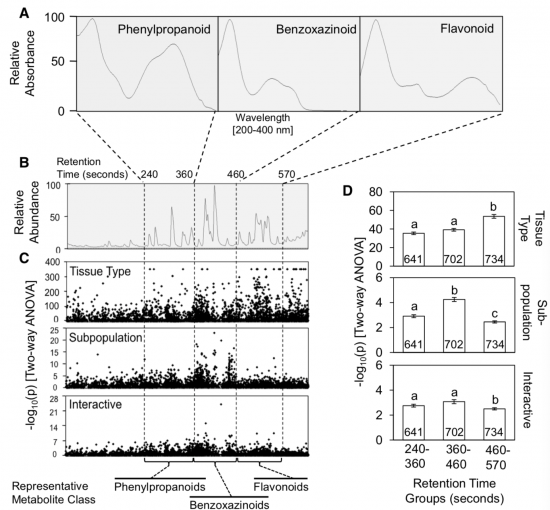
Diverse metabolites across maize GWAS panel for dissecting maize genetic architecture (Plant Cell)
Plant Science Research WeeklyPlants can produce metabolites that are directly involved in various biological pathways. Identifying variations of specific metabolites in different genotypes would facilitate the understanding underlying complex genetic architecture of maize. One of most representative natural diversity panels, the…
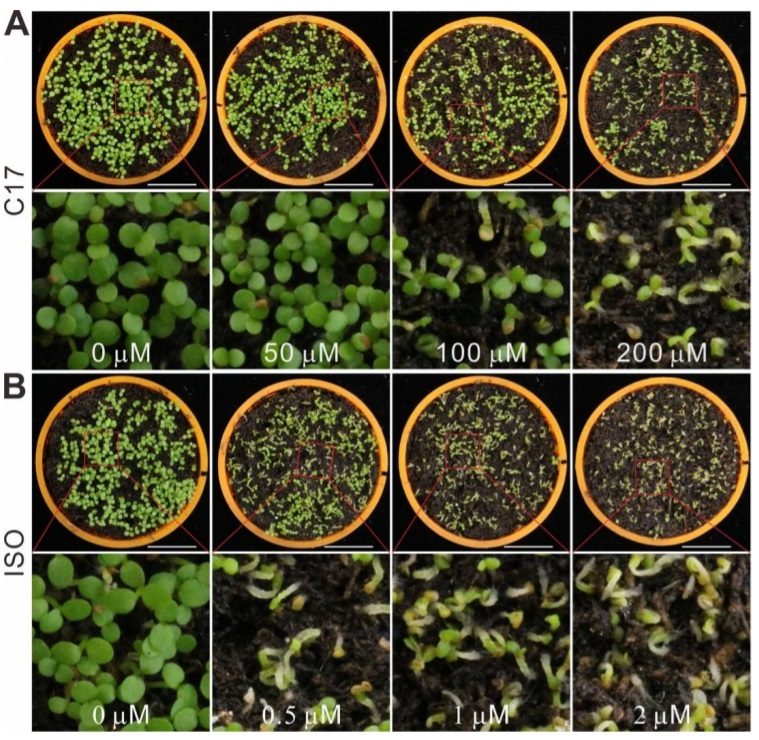
Generating novel, dual herbicide-resistant crops using CRISPR-mediated gene editing (Plant Physiol)
Plant Science Research WeeklyThere is an ever-growing need for novel herbicides as more weeds are becoming resistant to commonly used herbicides. In a recent report from Hu et al., the authors identified that a previously described cellulose biosynthesis-inhibiting chemical, C17, possesses an herbicidal quality. The authors showed…
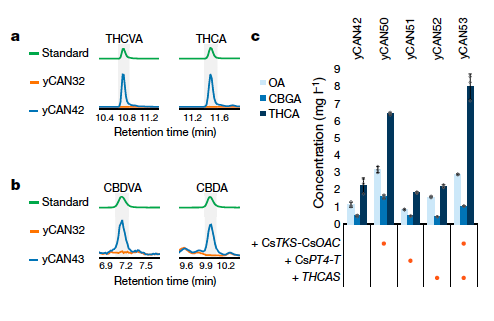
Complete biosynthesis of cannabinoids and their unnatural analogues in yeast (Nature) ($)
Plant Science Research WeeklyCannabis sativa L. produces cannabinoid compounds that interest the medical community for the treatment of symptoms that may be difficult to suppress with common medical treatments. Research on cannabinoids is limited by their low abundance in plant tissue and structurally complex chemical synthesis.…
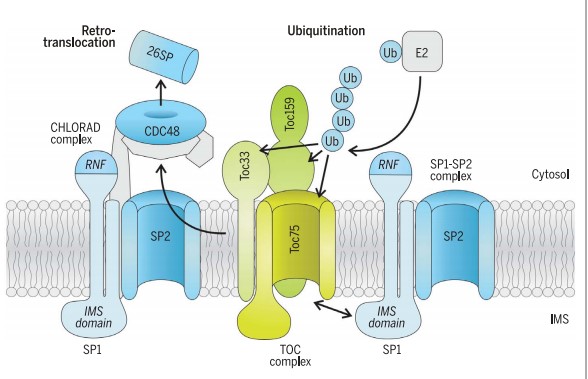
Ubiquitin-dependent chloroplast-associated protein degradation in plants (Science) ($)
Plant Science Research WeeklyThe fidelity of the chloroplast proteome is a major factor in the functional efficiency of photosynthesis. A RING-type ubiquitin E3 ligase, SP1, is an outer envelope localized protein in the chloroplast which ubiquitinates the protein import translocases (TOC proteins) and thus target them to 26S mediated…
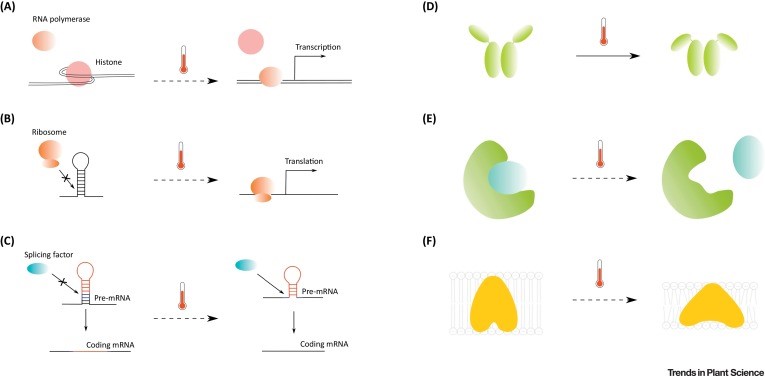
Opinion. Feeling the heat: Searching for plant thermosensors (Trends Plant Sci)
Plant Science Research WeeklyHow does a plant sense the elevation in atmospheric temperature? What are the missing links betweena rise in atmospheric temperature, its sensing, and responses triggered? Vu et al. discuss how conformational and structural changes of DNA, RNA and proteins could be the sensors to temperature change.…

Rubisco condensate formation by CcmM in β-carboxysome biogenesis (Nature) ($)
Plant Science Research WeeklyCyanobacterial carbon-dioxide concentrating mechanisms elevate intracellular inorganic carbon as bicarbonate, and then concentrate it as carbon-dioxide around the enzyme Rubisco in specialized protein micro-compartments called carboxysomes. The formation of B-carboxysomes involves an aggregation between…