
Review: How the extracellular matrix of streptophyte algae contributed to plant terrestrialization
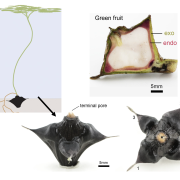
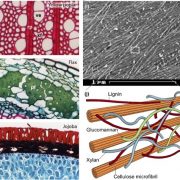
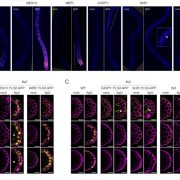
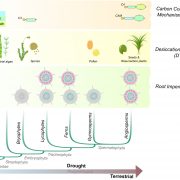
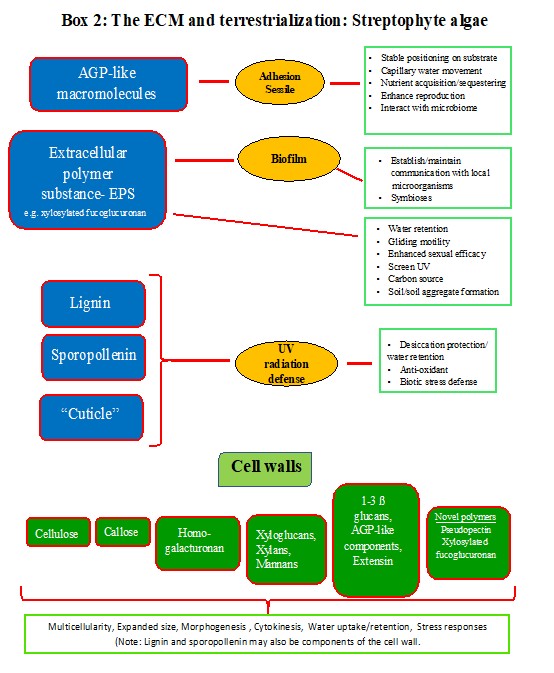 Compared to their aquatic relatives, early land plants faced many challenges, such as a lack of buoyancy, harmful UV light, the challenge of nutrient uptake, and the need to avoid desiccation. In a fascinating review (part of the Plant Physiology focus collection on early land plant evolution), Domozych describes the structure and function of the extracellular matrix of streptophyte algae (the closest extant relatives of land plants) and how it might have contributed to the successful transition to land. The review addresses the molecular composition of the extracellular matrix of both plants and the closely related algal species, and how they contribute to the survival of both taxa. It’s clear from reading this that these structures have similar roles in algae and plants, and provided critical functions that enabled plants to adapt to their terrestrial home. (Summary by Mary Williams @PlantTeaching.bsky.social) Plant Phys. 10.1093/plphys/kiag307