

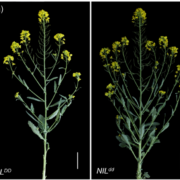
A distal SNP downstream to SHOOT APICAL MERISTEM ENLARGER1 regulates its expression to promote branch and silique numbers in rapeseed
Plant Science Research WeeklyRapeseed (Brassica napus) is an important crop providing vegetable oil. Yield is positively correlated with increased numbers of seeds, siliques, and branches. In a previous study, a rapeseed germplasm having normal branch and silique numbers was crossed with another germplasm having higher branch and…
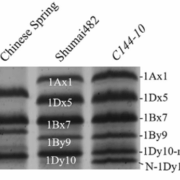
Regulation of gluten strength by vacuolar processing enzymes targeting a wheat glutenin subunit
Plant Science Research WeeklyWheat is rich in gluten proteins which provide texture and structure to many foods such as breads. The abundance of low molecular weight glutenin subunits (LMW-GSs) and high molecular weight glutenin subunits (HMW-GSs) determines gluten strength and dough quality. Wheat cultivars commonly contain three…
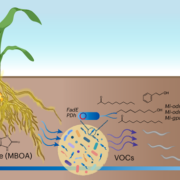
Secondary metabolites from plants can affect nematode behavior via microbial volatile signaling cues
Plant Science Research WeeklyPlant parasitic nematodes such as root-knot nematodes (RKNs) are thought to use chemical cues from the plant to locate their favorable hosts. These chemical cues can code for host specificity and can drive the attraction or repulsion of nematodes. Recently, Wu et al. investigated the role of benzoxazinoids…
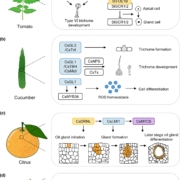
Review: Epidermis-derived secretory structures
Plant Science Research WeeklyI’d never thought about the fact that there are two distinct types of epidermal-derived secretory structures, both mainly involved in stress responses and defense. Glandular trichomes (GTs) are well known structures that protrude outwards, but they are joined by subcutaneous secretory cavities (SCs)…
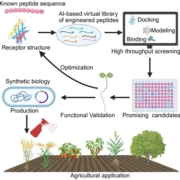
Commentary. Peptide-based biostimulants in sustainable agriculture: opportunities and innovations
Plant Science Research WeeklyNaturally occurring biostimulants have emerged as promising tools for promoting sustainable agriculture and horticulture by enhancing plant performance while reducing reliance on chemical inputs. Among these, peptide-based biostimulants stand out for their high specificity, biodegradability, and overall…
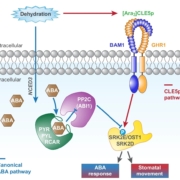
Local CLE peptides promotes rapid, ABA-independent stomatal closure
Plant Science Research WeeklyGuard cells might be some of the most well-characterized plant cells due to their accessibility, their importance in land plant survival, and their easily measured responses. Guard cells respond to several signals including light, CO2, vapor pressure deficit, ROS, and abscisic acid (ABA), which acts…
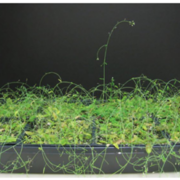
The last one standing: A point mutation that suppresses the lazy quadruple mutant phenotype
Plant Science Research WeeklyGravity is perceived by amyloplast sedimentation in gravity-sensing cells, a process relying on the relocalization of LAZY proteins from the amyloplast to the plasma membrane. Increasing evidence has emerged on this new aspect of gravity sensing, and in this recent publication, Yoshihara and Spalding…
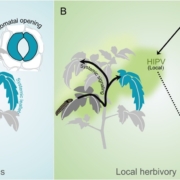
When plants feel the bite: Mechanoperception and systemic defense signaling
Plant Science Research WeeklyPlants may appear silent, yet they can rapidly perceive and respond to environmental challenges. Despite lacking sensory nerve cells like animals, plants rely on mechanoperception to detect stimuli such as touch, wind, and herbivore attack. This framework has led researchers to uncover how mechanical…
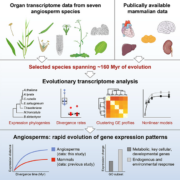
Rapid shifts in the patterns of gene expression shapes flowering plant diversity
Plant Science Research WeeklyFlowering plants are the most widespread group of plants, occupying almost every environment on our planet. They play important roles in maintaining the earth’s biodiversity and have a remarkably high rate of diversification. What’s always puzzled scientists is how they became so incredibly diverse.…