
Review: Epidermis-derived secretory structures
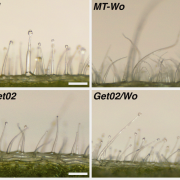
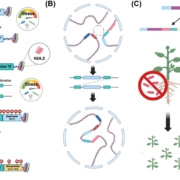
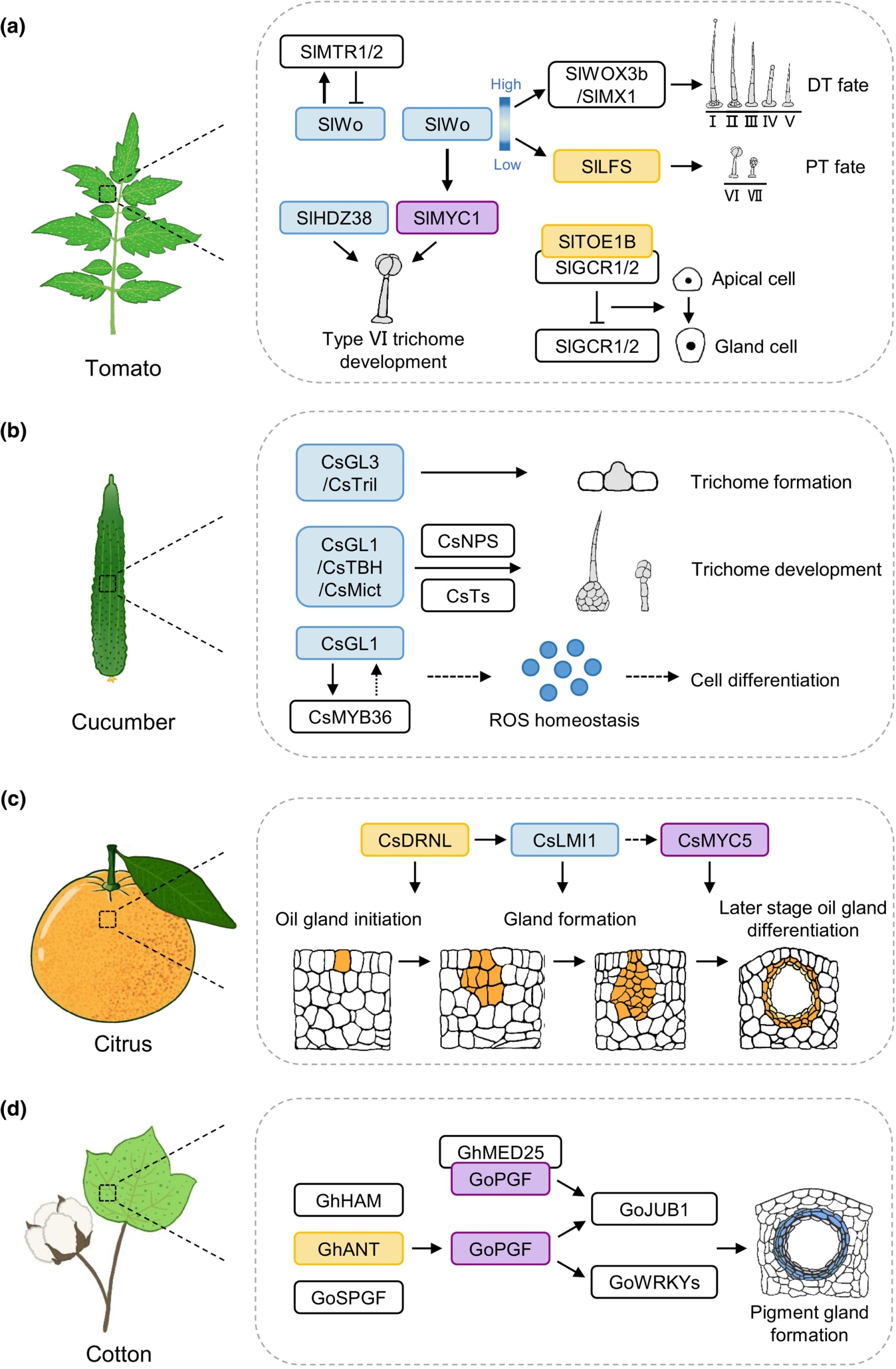 I’d never thought about the fact that there are two distinct types of epidermal-derived secretory structures, both mainly involved in stress responses and defense. Glandular trichomes (GTs) are well known structures that protrude outwards, but they are joined by subcutaneous secretory cavities (SCs) that also produce, store, and secrete substances, such as citrus oil glands. This interesting review by Xiang et al. describes these structures in terms of development and function, focusing on four species: tomato and cucumber (GT), and citrus and cotton (SC). As the authors summarize, their developmental pathways are similar, with some common gene families required for the formation of both structures. Similarly, jasmonic acid (JA) and its downstream MYC transcription factors are involved in the production of the specialized metabolites in both GT and SC. The authors conclude that understanding these unique “chemical factories” provides opportunities to engineer them for enhanced production of target metabolites. (Summary by Mary Williams @PlantTeaching.bsky.social) New Phytologist 10.1111/nph.70892