


The biosynthetic gene cluster for the active compound of a widely used medicinal plant, ashwagandha
Plant Science Research WeeklyWithania somnifera (ashwagandha) is popularly known for its most prominent bioactive compound called withanolide. This natural product has enormous medicinal potential and has traditionally been used in the Indian Ayurvedic system for more than 3000 years to treat various illnesses. However, the industrial…

Quinine, deconstructed ✅
Plant Science Research WeeklyFor more than two centuries, quinine from Cinchona bark has stood as one of the best-known plant-derived medicines for malaria treatment, but the enzymes that build its distinctive scaffold were unknown. Lombe et al. have now resolved the core logic of cinchona alkaloid biosynthesis in Cinchona pubescens,…
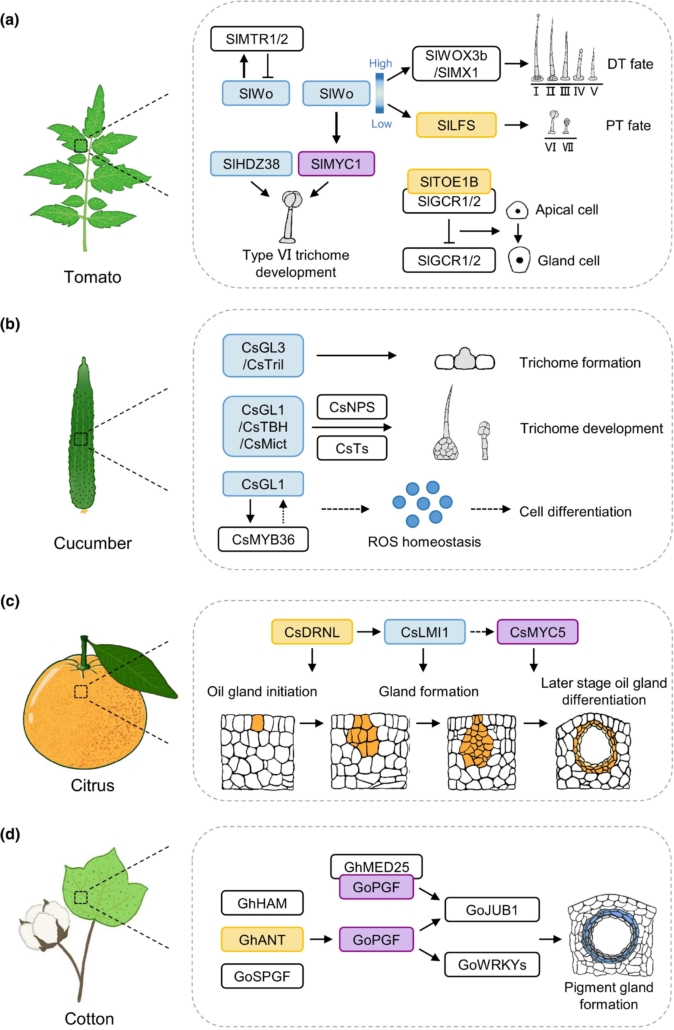
Review: Epidermis-derived secretory structures
Plant Science Research WeeklyI’d never thought about the fact that there are two distinct types of epidermal-derived secretory structures, both mainly involved in stress responses and defense. Glandular trichomes (GTs) are well known structures that protrude outwards, but they are joined by subcutaneous secretory cavities (SCs)…
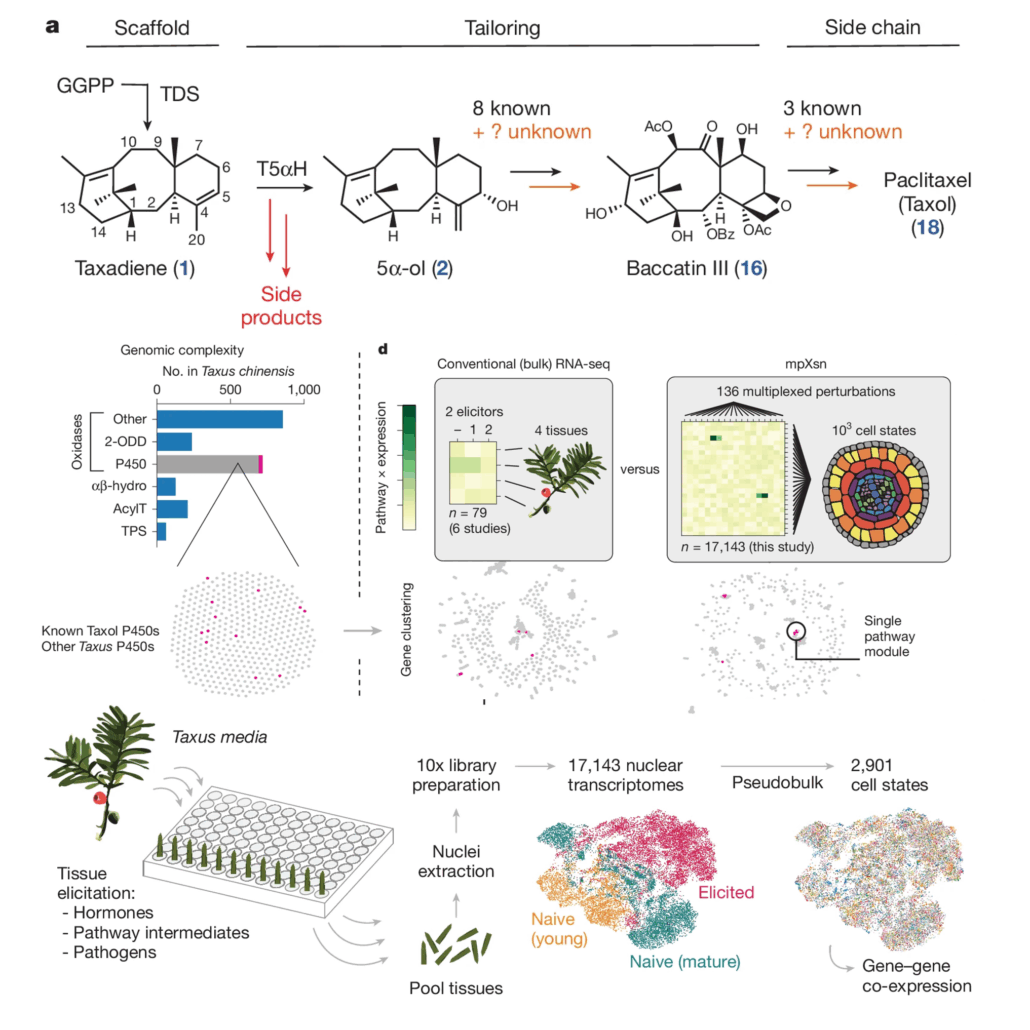
Elucidation and recreation of the biosynthetic pathway for taxol
Plant Science Research WeeklyPaclitaxel (sold as Taxol) is taxane diterpene natural product of yew trees (Taxus spp.) and a potent stabilizer of microtubules that is effective in treatment of cancers. However, it has proven difficult to elucidate its biosynthetic pathway, and commercial production still relies on extracting an…
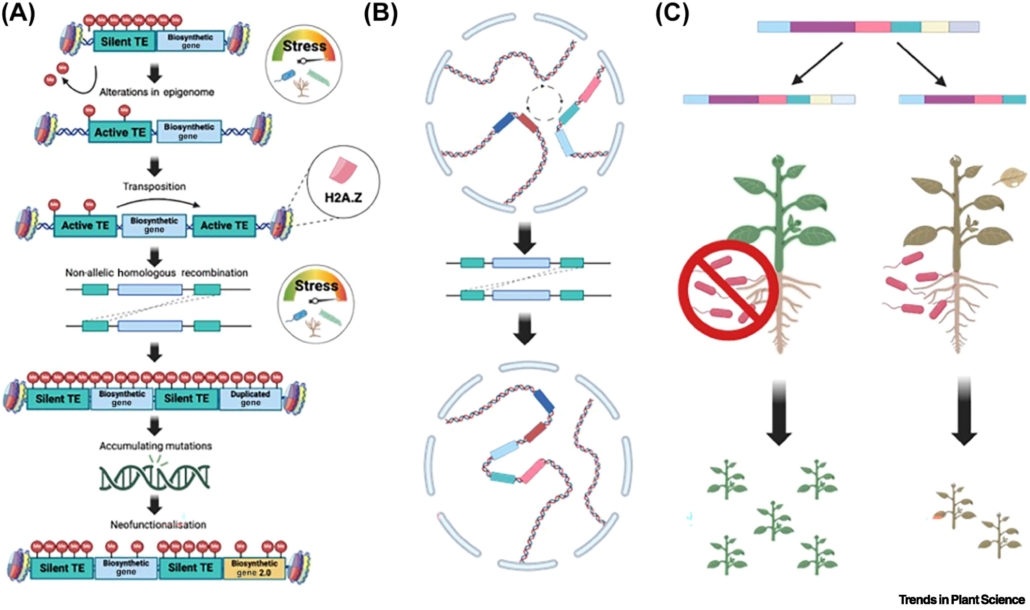
Review. Decoding resilience: Ecology, regulation, and evolution of biosynthetic gene clusters
Plant Science Research WeeklyAlthough clusters of functionally related genes are common in prokaryotes, until recently it was thought that they were not a feature of eukaryotic genomes. However, several studies have identified biosynthetic gene clusters (BGCs) in plants. Many of these gene clusters include sets of enzymes that act…
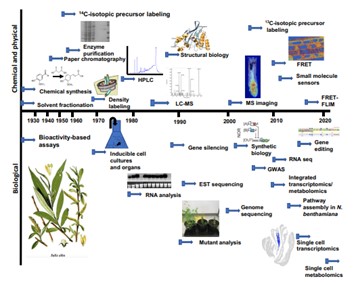
Review: A century of studying plant secondary metabolism—From “what?” to “where, how, and why?”
Plant Science Research WeeklyPhytochemicals, also known as plant secondary metabolites, play primary roles in plant development, structure, and response to the environment. Their metabolism has been studied for over a century. In a new review, Dixon and Dickinson discuss past and recent advances in understanding the identity, localization,…
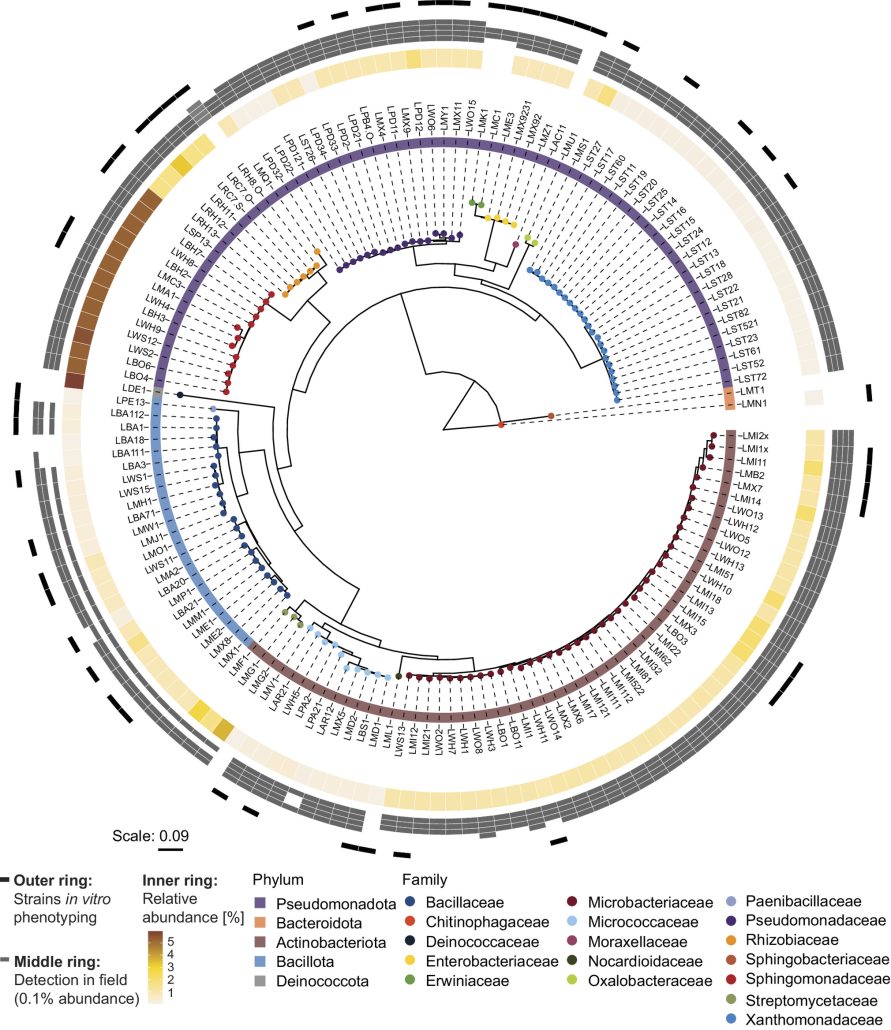
Bacterial tolerance to host-exuded specialized metabolites structures the maize root microbiome
Plant Science Research WeeklyBenzoxazinoids (BXs) are alkaloid specialized metabolites produced by important crops like maize. Their role in shaping the root and rhizosphere microbiomes and in plant defense against pest and pathogens is well known, although the mechanism remains unknown. One of the major BXs produced by maize is…
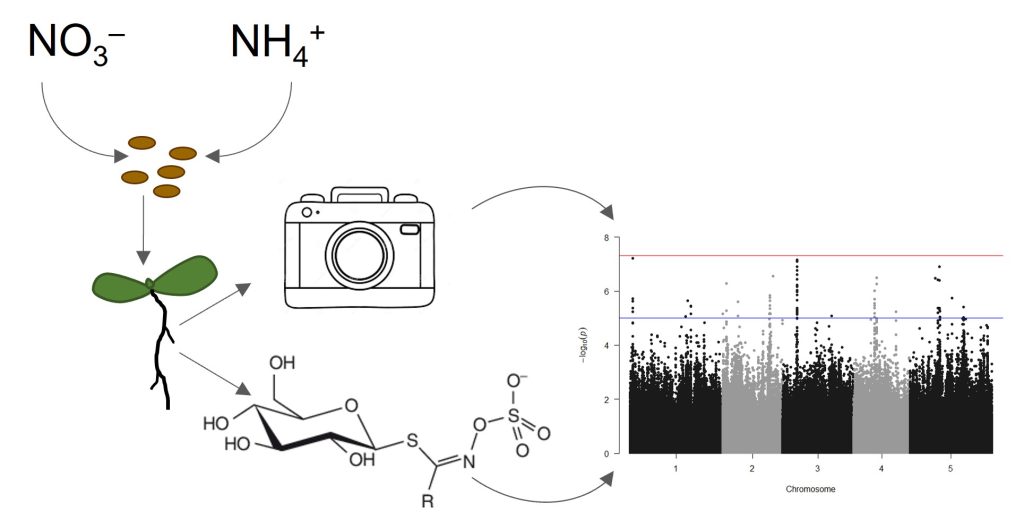
The genetic basis of nitrogen responses in Arabidopsis thaliana
The Plant Cell: In a NutshellElla Katz1 and Dan J. Kliebenstein1,2.
1Department of Plant Sciences, University of California Davis, Davis, CA, USA
2DynaMo Center of Excellence, University of Copenhagen, Denmark
Background: Nitrogen is an essential element for plant growth and development. Nitrogen availability and form…