


Nicotinamide Mononucleotide and Related Metabolites Induce Disease Resistance Against Fungal Phytopathogens in Arabidopsis and Barley (OA)
Blog, Plant Science Research Weekly, ResearchSci. Rep. Plant defense activators are organic molecules that do not possess antimicrobial activity but have been shown to enhance plant disease resistance mechanisms. A comparison of some Fusarium-resistant and -susceptible barely cultivars suggested that NMN may act as a plant defense activator.
RNAseq…
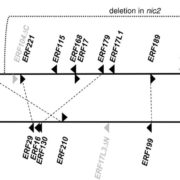
Genomic Insights into the Evolution of the Nicotine Biosynthesis Pathway in Tobacco (OA)
Blog, Plant Science Research Weekly, ResearchPlant Physiol. Nicotine is a NAD-related secondary alkaloid found in high concentration in the leaves of the tetraploid tobacco plant (Nicotiana tabacum).
The recent sequencing of the N. tabacum genome allowed a comprehensive analysis of genes involved in NAD and nicotine biosynthesis. The analysis…
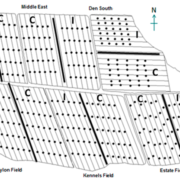
Impact of Conventional and Integrated Management Systems on the Water-Soluble Vitamin Content in Potatoes, Field Beans, and Cereals ($)
Blog, Plant Science Research Weekly, ResearchJ. Agric. Food Chem. Agriculture in the EU is shifting towards a more sustainable use of resources and preservation of the biodiversity. This process requires a careful assessment of the balance between economic and environmental demands. To achieve this goal, the James Hutton Institute set up a long-term…

Review: Medicine Is not Health Care, Food Is Health Care: Plant Metabolic Engineering, Diet and Human Health (OA)
Plant Science Research WeeklyNew Phytol. One of the consequences of the green revolution has been the increasing dependence on few staple crops, which provide calories but often lack the right amount of micronutrients such as vitamins and minerals. The consequences are collectively called “hidden hunger” and concern not only…
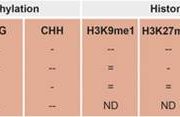
Powering Epigenetics through the 1C Pathway
Plant Physiology, Plant Physiology: News and ViewsBy Lisa Smith and Nathan Butler
Epigenetic modifications in plants repress transposable elements to maintain genome stability and facilitate adaptation to changing environmental conditions by regulating the expression of some genes. Furthermore, conditions such as disease stress can alter the epigenetic…
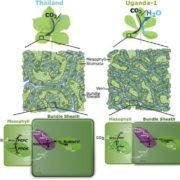
Natural Variation Reveals Interplay between C4 Biology and Water Use Efficiency
Plant Physiology, Plant Physiology: News and ViewsThe year 2016 marked a half-century since the discovery of C4 photosynthesis, yet we still seek to elucidate many of the mechanisms underpinning the C4 cycle. Although C4 and C3 plants share molecular units involved in photosynthesis (Miyao, 2003; Kellogg, 2013), C4 plants have unique morphological traits…
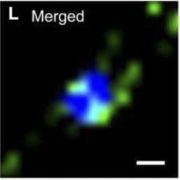
Live-Cell Imaging of Mobile RNAs in Plants
Plant Physiology, Plant Physiology: News and ViewsOne of the most exciting findings in the past few decades is the discovery that individual mRNAs and noncoding RNAs can act as long-distance signaling messengers traveling cell to cell to distant sites in the plant. Numerous examples unveiled the involvement of endogenous RNAs as non-cell-autonomous…
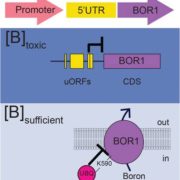
Adjusting Boron Transport by Two-Step Tuning of Levels of the Efflux Transporter BOR1
Plant Physiology, Plant Physiology: News and ViewsBoron is an essential plant micronutrient with the narrowest optimal range in the soil of any micronutrient. At neutral pH, boron is present as uncharged boric acid, B(OH)3, which can freely penetrate membranes. Boron plays an important role in cross-linking cell wall components, but boron starvation…
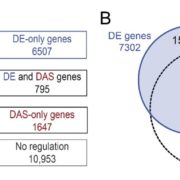
Alternative Splicing Plays a Major Role in Plant Response to Cold Temperatures
The Plant Cell, The Plant Cell: In BriefPlants in temperate regions experience near-freezing temperatures that allow them to develop a cold response prior to freezing. This cold acclimation process involves changes to chromatin structure, transcription, RNA processing, translation, post-translational modifications and protein stability. Genome-wide…