

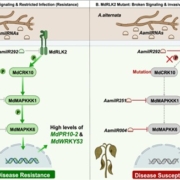
Extracellular vesicle-mediated small RNAs: Emerging effectors in fungal pathogenesis
Plant Science Research WeeklyPlant pathogens are skilled manipulators, using specialized molecular weapons to weaken plant defenses and establish infection. Traditionally, scientists have focused on secreted proteins, known as effectors, that help pathogens suppress plant immune responses. But recent discoveries show that fungal…
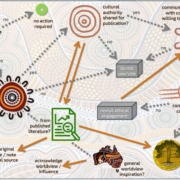
Perspective: Crediting Indigenous Knowledges
Plant Science Research WeeklyThis is a very interesting Perspective article by Barry et al. that should be of interest to anyone who has benefitted from Indigenous Knowledges or who teaches about scientific writing. The authors, a group of Indigenous and non-Indigenous scholars in Australia, explore how Indigenous Knowledges should…
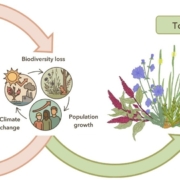
Review. Beyond elite crops: Designing resilient agriculture from wild plant diversity
Plant Science Research WeeklyWhen looking at the foods that fill our supermarkets, it can be hard to imagine we are relying on just a handful of domesticated plant species. Thousands of wild plants, each with its own unique strengths, remain overlooked and underused. For years, plant breeders have tried to borrow these unique traits…
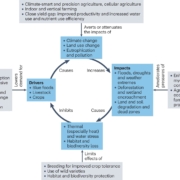
Review. How food production impacts the environment, and vice versa
Plant Science Research WeeklyThis comprehensive review by Mogollón et al. would be a great starting point to help students think about the pressing challenge of feeding growing numbers of people in the face of climate change. The article begins with the impact of food production on the environment; the release of greenhouse gasses,…
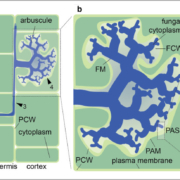
Review: Apoplastic signaling during arbuscular mycorrhizal symbiosis
Plant Science Research WeeklyPlants rely on microbes to aid their uptake of nutrients. Most plants from an intimate association with mycorrhizal fungi, in which both partners benefit through the exchange of nutrients and photosynthate. In the most common form, arbuscular mycorrhizal symbiosis, the fungus forms branched structures…

The biosynthetic gene cluster for the active compound of a widely used medicinal plant, ashwagandha
Plant Science Research WeeklyWithania somnifera (ashwagandha) is popularly known for its most prominent bioactive compound called withanolide. This natural product has enormous medicinal potential and has traditionally been used in the Indian Ayurvedic system for more than 3000 years to treat various illnesses. However, the industrial…
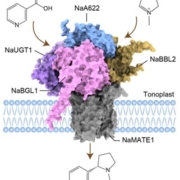
The last piece of the nicotine puzzle
Plant Science Research WeeklyNo other alkaloid has received as much scientific attention as nicotine. For better or for worse, tobacco has been used by humans for at least 12,000 years, yet the final steps of nicotine biosynthesis have remained stubbornly unresolved until now. A new paper in Cell by Chang et al. (2026) reveals that…
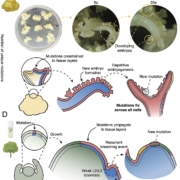
Elevated mutation rates in tissue-culture derived plant tissues
Plant Science Research WeeklyThe totipotency of plant tissues makes them very amenable to propagation through somatic tissues. Tissue culture propagation is used to regenerate gene edited plants from single cells and to cultivate plants that are difficult to propagate sexually. In a recent paper, Davis et al. investigated the genomic…
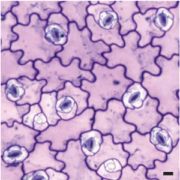
Arabidopsis is not always enough: What a succulent taught us about stomatal development
Plant Science Research WeeklySome species are more studied than others, and it is common to assume that what happens in a model plant like Arabidopsis applies to all other plant species. This is far from true. Recently, Cheng et al. explored stomatal development in the CAM succulent Kalanchoë laxiflora. Stomata are epidermal pores…