

A vision for plant science education
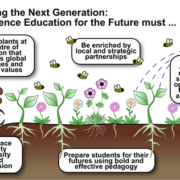
Plant Science Research WeeklyThe urgent need to support and sustain plant research is indisputable, but sometimes plant education, the foundation upon which research rests, doesn’t get the same support. In January 2025, a group of dedicated educators (mostly higher education and outreach) spent two days together to strategize…
Review: Beautiful mutations
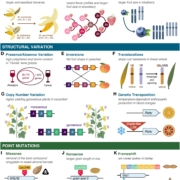
Plant Science Research WeeklyThis is an interesting and engaging review article, written by a team from Bayer US Crop Science, on how mutations (broadly defined) have benefited plant domestication and breeding. While it briefly covers the basics, such as population genetics, it really focuses on demystifying and normalizing the…
Review: The plant chemical defense arsenal
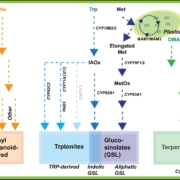
Plant Science Research WeeklyThis review by Somssich et al., part of a forthcoming Focus Collection on Metabolites, provides an overview of the chemical arsenal of defense compounds in plants. Playfully titled “Guns in Rosettes”, it focuses on the well-characterized model plant Arabidopsis. The article discusses defense metabolites…
Review: The what, how and why of symptom development in viral disease
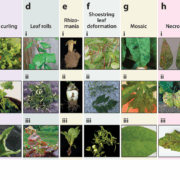
Plant Science Research WeeklyI was initially drawn to this review by curiosity about its title; I realized I hadn’t ever wondered how and why viral infections cause symptoms in plants. I’m so glad I looked into it! This is a compelling and fascinating review that takes a broad look at plant-virus interactions. It starts with…
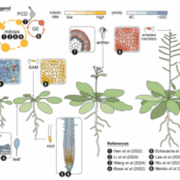
Review. How plant cells decide their fate: Balancing growth and specialization
Plant Science Research Weekly, UncategorizedEvery plant begins its life as a single cell, which divides, differentiates, and gradually gives rise to the intricate tissues and organs we see. Initially, plant cells are highly versatile, able to divide and give rise to many other cell types. During development, cells receive signals that control…
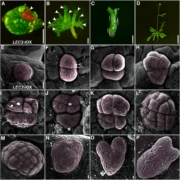
How do plants attain totipotency? Reprogramming somatic cells into embryos
Plant Science Research WeeklyPlants have an extraordinary ability to regenerate entire organs or even embryos from a single somatic cell, a phenomenon known as totipotency. Remarkably, differentiated cells can reacquire totipotency and form embryos through somatic embryogenesis, however molecular mechanisms behind this developmental…
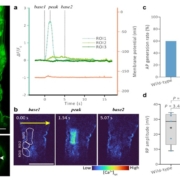
MSL10 and the Prey: A high-sensitivity mechanosensor in Venus flytrap
Plant Science Research WeeklyPlants are sessile and must sense and adapt to environmental stresses, including mechanical forces from wind or physical contact. Mechanosensitive genes, such as those in the Mechanosensitive channel of Small conductance-Like (MSL) family, prevent cell rupture by acting as osmotic safety valves under…
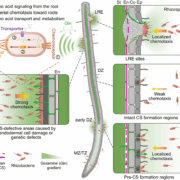
When roots call, microbes answer: Glutamine as a key signal for microbial attraction
Plant Science Research WeeklyPlants don’t grow alone. They cultivate vibrant microbial communities around their roots that shape their growth, health, and resilience. Root exudates, cocktails of secreted metabolites, play a key role in selectively recruiting beneficial soil bacteria. Yet when, where, and how these exudates are…
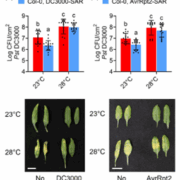
Under attack: One reason why plants struggle in a warmer world
Plant Science Research WeeklyPlants, like animals, have a natural immune system that helps them defend against diseases. They not only fight local pathogens but can also alert distant, non-infected tissues to prepare for infection, a process called systemic acquired resistance (SAR). All these mechanisms can be threatened by climate…