

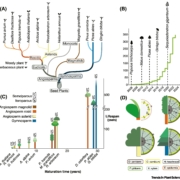
Opinion: Genomic studies hint at what makes a tree a tree
Plant Science Research WeeklyThis is such an engaging and though-provoking review article. I’d love to ask a group of students to think about what makes a tree a tree, including such questions as: How do we define trees? Do woody plants share a single origin? How many angiosperms are woody? The answer to those questions and more…

A new shade of photosynthesis: The missing chlorophyll f found in action
Plant Science Research WeeklyPhotosynthetic organisms were long believed to only use visible light for energy capture, until the discovery of far-red photosynthesis challenged this view. Far-red photosynthesis is thought to be enabled by the presence of the pigment chlorophyll f. Although previous studies have identified chlorophyll…
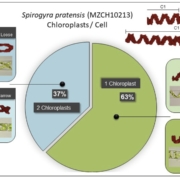
The Spirogyra genome and the origin of that spiral chloroplast
Plant Science Research WeeklyI expect we’ve all been captivated by images of the beautiful spiral chloroplasts in the Spirogyra genus of filamentous algae, and who could forget that name? A new paper by Goldbecker et al. presents the genome of Spirogyra pratensis, uncovering not only some insights into this remarkable structure,…
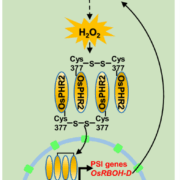
Hydrogen peroxide: A new messenger in the phosphate starvation response
Plant Science Research WeeklyPhosphorus (P) is one of the indispensable macronutrients that fuel plant growth and development. However, most soil P is locked in insoluble complexes with heavy metals, making it largely inaccessible to plants. In rice, the MYB transcription factor PHOSPHATE STARVATION RESPONSE 2 (OsPHR2) acts as a…
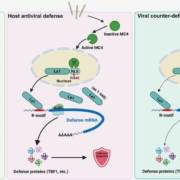
A plant virus uses plant metacaspase for its own benefit
Plant Science Research WeeklyA recent study by Pi et al. decoded previously unknown mechanism through which a virus manipulates the plant defense pathway for successful infection. Focusing on the interaction between barley and the devastating barley stripe mosaic virus (BSMV), researchers identified a critical regulatory hub centered…
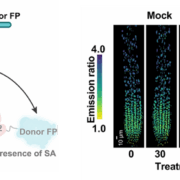
Illuminating plant immunity: A live sensor to watch salicylic acid in action
Plant Science Research WeeklySalicylic acid (SA) is best known as a central hormone orchestrating plant immune response, including the hypersensitive reaction and systemic acquired resistance. Beyond defense, SA also influences plant growth and development, highlighting a delicate role in balancing the trade-off between immunity…
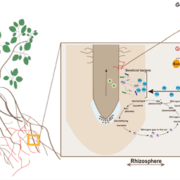
The sweet connection between plants, fungi, and soil life
Plant Science Research WeeklyThrough their roots, plants live in close association with many soil microorganisms, including fungi and bacteria that help them grow. Beneficial fungi help plants cope with stress, and in return, the plants provide them with nutrients. A key part of this exchange is the movement of sucrose, a sugar…
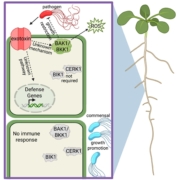
Late ROS burst as a signature of exotoxin-triggered immunity in plants
Plant Science Research WeeklyPlants depend on innate immune systems to recognize microbial invaders or damages that signal danger. This discrimination must be extremely precise: they must welcome beneficial microbes that support nutrient uptake and growth while defending against pathogens that threaten survival. A long-standing…
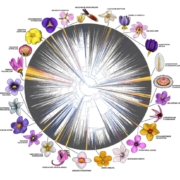
Repeated evolution of flowers specialized for buzz pollination
Plant Science Research WeeklyIf you’ve ever looked closely at a tomato flower, you might have noticed that its anthers cluster together in the center of the flower, making the pollen inaccessible to most insects. Tomato flowers are an example of a buzz pollinated flower, in which the pollen is released by the physical shaking…