Hydrogen peroxide: A new messenger in the phosphate starvation response
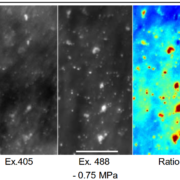
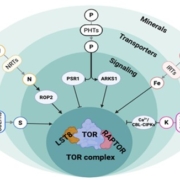
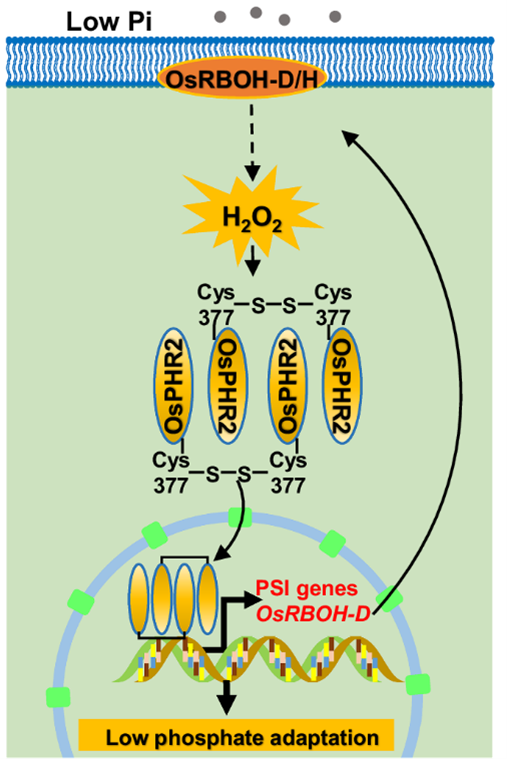 Phosphorus (P) is one of the indispensable macronutrients that fuel plant growth and development. However, most soil P is locked in insoluble complexes with heavy metals, making it largely inaccessible to plants. In rice, the MYB transcription factor PHOSPHATE STARVATION RESPONSE 2 (OsPHR2) acts as a central regulator of phosphate starvation-induced (PSI) genes to promote P uptake. Its activity is fine-tuned through intricate post-translational modifications and protein-protein interactions involving SPX proteins, inositol pyrophosphates (PP-InsPs), and SUMOylation. Intriguingly, Meng and colleagues uncovered a new messenger in phosphate starvation signaling: hydrogen peroxide (H₂O₂). Phosphate deficiency triggers H₂O₂ production, which in turn activates PSI gene expression. Loss of RBOH-D/H, enzymes responsible for H₂O₂ generation, impairs H₂O₂ accumulation, phosphate uptake, and plant biomass. Through BIAM labeling and site-directed mutagenesis, the team identified Cys377 of OsPHR2 as the key oxidation site mediating its oligomerization, nuclear translocation and DNA-binding activity. Moreover, OsPHR2 directly activates OsRBOH-D, establishing a positive feedback loop that amplifies phosphate starvation responses. This discovery not only redefines H₂O₂ as a pivotal messenger linking redox signaling to nutrient regulation but also opens new avenues for engineering crops with enhanced phosphate-use efficiency in the face of global resource constraints. (Summary by Ching Chan @ntnuchanlab) Nature Comms. 10.1038/s41467-025-63841-0