

What We're Reading: October 27th
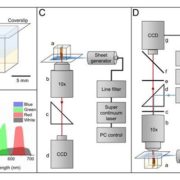
Blog, Research, Research Blog, WWR Full PostReview: Outer, inner and planar polarity in the Arabidopsis root
Despite vast differences across all living organisms, most eukaryotes display some form of cellular polarity which enables them to carry out specialized functions. The coordination of cell polarity within a single tissue layer is known…
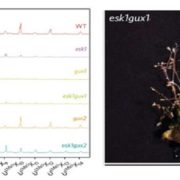
An even pattern of xylan substitution is critical for interaction with cellulose in plant cell walls
Blog, Plant Science Research Weekly, Research, Research BlogPlant cell wall architecture is a very complex specific design and the interaction between xylan and cellulose is believed to be that way too. Grantham et al. reveal the details of the association between xylan and cellulose using mass spectrometry and NMR in Arabidopsis. ESKIMO1 (ESK1) is a xylan-specific…
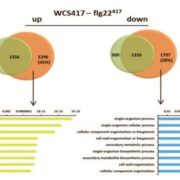
Signatures of adaptation to mutualists revealed by root transcriptional dynamics
Blog, Plant Science Research Weekly, Research, Research BlogA plant's rhizosphere consists of a huge array of pathogenic microbes many of which can trigger defense responses, leading to decreased growth. On the other hand, beneficial microbes such as rhizobacteria promote growth and can induce systemic resistance while suppressing local immune responses. A recent…
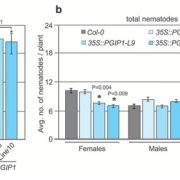
Damage-associated signals differentially impact nematode parasitism
Blog, Plant Science Research Weekly, Research, Research BlogRoots must protect themselves from a diverse range of microbial and animal pests. To accomplish this, plants have evolved sophisticated signalling machinery to detect the presence of these pests or to quickly react to the damage that they cause. In a recent study, Shah et al. identified host receptor…
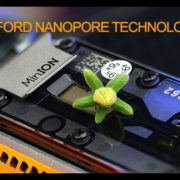
Tomato Genome Goes Nano
Research, The Plant Cell, The Plant Cell: In a NutshellSchmidt et al. demonstrate that nanopore technology can be applied to plant genomes https://doi.org/10.1105/tpc.17.00521
By Schmidt, M. H.-W., Vogel, A., Denton, A. K., Bolger, A. M., Bolger, M. E., and Usadel, B.
Background: An organism’s genome contains all the necessary information for its…
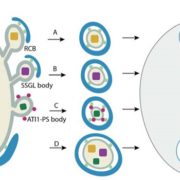
Update on autophagy: Dynamics of autophagosome formation
Blog, Plant Physiology, Plant Physiology: Updates, Research, Research BlogBy Junmarie Soto-Burgos, Xiao-Hong Zhuang, Liwen Jiang, and Diane C. Bassham
Autophagy, literally defined as “self-eating”, functions as a degradation process by recycling cytoplasmic contents under stress conditions or during development. Upon activation of autophagy, a membrane structure known…
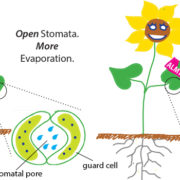
An Ion Channel Active in Plant Drought Response
Research, The Plant Cell, The Plant Cell: In a NutshellEisenach et al. discover A new ion channel of the plant vacuole helps plants react to drought https://doi.org/10.1105/tpc.17.00452
By Cornelia Eisenach
Background: Stomata are small pores on plant surfaces that facilitate diffusion of CO2, O2 and water vapor between plant and atmosphere. During…

Photosynthesis in Desert Plants: It’s About Time
Research, The Plant Cell, The Plant Cell: In a NutshellBoxall et al. investigate CAM photosynthesis in Kalanchoë fedtschenkoi The Plant Cell (2017). https://doi.org/10.1105/tpc.17.00301
Background: During photosynthesis, most plants use the enzyme Rubisco to capture CO2 during the day. Crassulacean acid metabolism (CAM) plants such as prickly pears,…
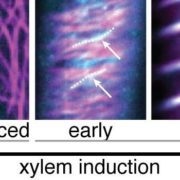
Keeping Walls on Track
Research, The Plant Cell, The Plant Cell: In a NutshellSchneider et al. explore how secondary cell walls are made. The Plant Cell 2017. https://doi.org/10.1105/tpc.17.00309
Background: Plant cells are surrounded by robust cell walls that function as dynamic extracellular skeletons and protect plants against their environment. The cell walls make up…