


Saying No in Academia: Setting Boundaries Without Guilt
Blog, CommunityIn research, work never really ends
“Happy to give this presentation.” “Sure, I can take on teaching hours.”
“I can do an extra side project.” “I’ll take care of this experiment over the weekend.”
Do phrases like that sound familiar?
Whether it comes from enthusiasm or guilt,…
Review: Revisiting endophyte-mediated plant protection across diverse host systems
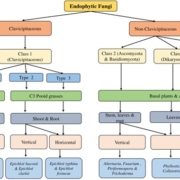
Plant Science Research WeeklyEndophytic bacteria and fungi, the invisible allies within plant tissues, are emerging as powerful contributors to sustainable agriculture. They can enhance plant defense through multiple mechanisms, including antibiosis, niche competition, and the induction of systemic resistance, thereby reducing reliance…
Opinion: Non-model plants as windows into complex epigenetic adaptation
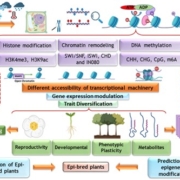
Plant Science Research WeeklyPlants thrive in constantly changing environments through remarkable trait plasticity, enabling rapid physiological and developmental adaptation to stress. Beyond immediate responses, chromatin regulation provides a mechanism for long-term stress memory via epigenetic changes, allowing plants to “remember”…
Perspective: Twenty-five years of discovery and innovation on the plant circadian clock
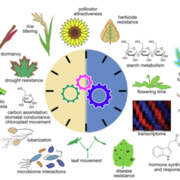
Plant Science Research WeeklyIn this Perspective article, Stacey Harmer reflects on plant gene regulation driven by the circadian cycle, using a thoughtful approachable tone to describe technological milestones that advanced our understanding of this complex mechanism of gene expression, as well as the work carried out by various…
Perspective: PLANeT, an exciting plan to fill the knowledge gaps in plant phylogenomics
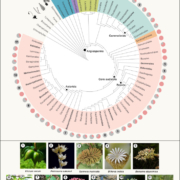
Plant Science Research WeeklyWe are living at a time where insights into plant diversity, function, and evolution are being revealed at an unprecedented rate, thanks largely to the ability to readily sequence and assemble genomes. A new Perspective by Want, along with a large, international group of co-authors, sets out an exciting…
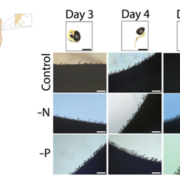
Hooked hairs: A new cell type aiding seedling survival in common bean
Plant Science Research WeeklyRoots play a critical role in determining seedling resilience mechanisms to abiotic stress conditions. Despite advancements in the characterization of root systems at phenotypic and cellular levels, the diversity of belowground epidermal microstructures remains poorly understood, particularly prior…
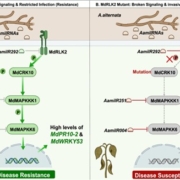
Extracellular vesicle-mediated small RNAs: Emerging effectors in fungal pathogenesis
Plant Science Research WeeklyPlant pathogens are skilled manipulators, using specialized molecular weapons to weaken plant defenses and establish infection. Traditionally, scientists have focused on secreted proteins, known as effectors, that help pathogens suppress plant immune responses. But recent discoveries show that fungal…
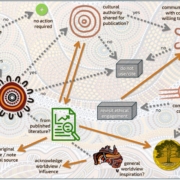
Perspective: Crediting Indigenous Knowledges
Plant Science Research WeeklyThis is a very interesting Perspective article by Barry et al. that should be of interest to anyone who has benefitted from Indigenous Knowledges or who teaches about scientific writing. The authors, a group of Indigenous and non-Indigenous scholars in Australia, explore how Indigenous Knowledges should…
Plant Science Research Weekly: May 15, 2026
WWR Full PostReview: Revisiting endophyte-mediated plant protection across diverse host systems
Endophytic bacteria and fungi, the invisible allies within plant tissues, are emerging as powerful contributors to sustainable agriculture. They can enhance plant defense through multiple mechanisms, including antibiosis,…