

Plant Science Research Weekly: May 15, 2026
Review: Revisiting endophyte-mediated plant protection across diverse host systems
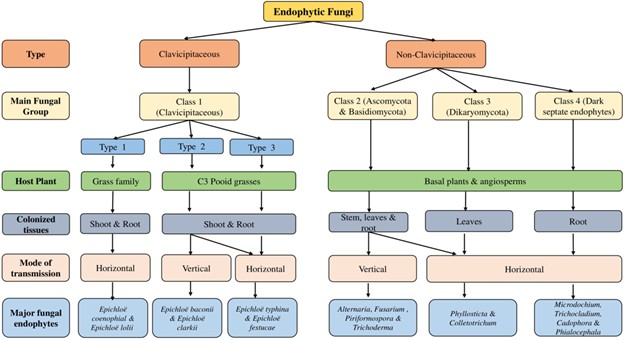 Endophytic bacteria and fungi, the invisible allies within plant tissues, are emerging as powerful contributors to sustainable agriculture. They can enhance plant defense through multiple mechanisms, including antibiosis, niche competition, and the induction of systemic resistance, thereby reducing reliance on chemical pesticides. Noor and colleagues highlight the remarkable diversity of plant endophytes, classifying them by life-history traits and host plant families, and comparing defense outcomes across diverse crop systems. Yet, despite promising applications in endophyte-based biocontrol, field performance often remains inconsistent due to environmental variability, unstable colonization, formulation and delivery challenges, and strong host-genotype specificity. Methodological limitations further complicate interpretation and generalization. Culture-based isolation captures only a small fraction of naturally occurring endophytes. In contrast, culture-independent approaches such as metagenomics and amplicon sequencing introduce biases linked to primer design and incomplete reference databases. Moreover, strain-level variation within the same species can also alter metabolite production and host responses. Moving forward, integrating improved strain selection, advanced formulation technologies, and rigorous field validation will be essential for translating endophyte research into reliable agricultural solutions. (Summary by Ching Chan @ntnuchanlab @ntnuchanlab.bsky.social) Plant Cell Environ. 10.1111/pce.70572
Opinion: Non-model plants as windows into complex epigenetic adaptation
 Plants thrive in constantly changing environments through remarkable trait plasticity, enabling rapid physiological and developmental adaptation to stress. Beyond immediate responses, chromatin regulation provides a mechanism for long-term stress memory via epigenetic changes, allowing plants to “remember” previous environmental challenges. These discoveries have inspired the development of epi-bred and epi-trained plants, in which stable or heritable epigenetic modifications are selected or induced to enhance adaptive traits without altering DNA sequences. Central to these processes are chromatin-based mechanisms, including histone post-translational modifications, ATP-dependent chromatin remodeling complexes, and histone-modifying enzymes that dynamically regulate chromatin accessibility and transcriptional responses in response to fluctuating environmental conditions. Gadri and colleagues emphasized that most current knowledge derives from model diploid species and does not fully capture the genomic complexity, polyploidy, and ecological diversity of non-model plants, where phenotypic plasticity is often highly polygenic. Recent advances in artificial intelligence, particularly machine learning models integrating epigenomic and histone modification datasets, now provide powerful tools to predict chromatin remodeling events and uncover regulatory patterns in non-model species, opening new opportunities to decode adaptive plasticity and accelerate climate-resilient crop improvement. (Summary by Ching Chan @ntnuchanlab @ntnuchanlab.bsky.social) Plant Cell Environ. 10.1111/pce.70584
Perspective: Twenty-five years of discovery and innovation on the plant circadian clock
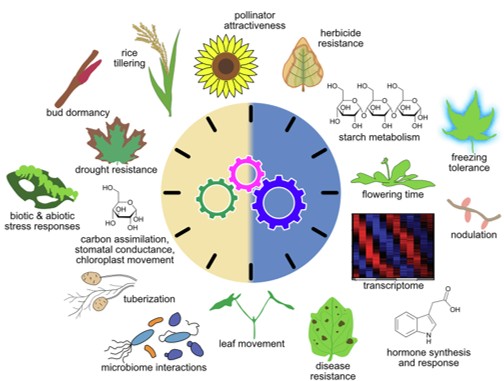 In this Perspective article, Stacey Harmer reflects on plant gene regulation driven by the circadian cycle, using a thoughtful approachable tone to describe technological milestones that advanced our understanding of this complex mechanism of gene expression, as well as the work carried out by various laboratories over the past 25 years. Around the early 2000s, Arabidopsis thaliana became cemented as the primary model plant, as its genome had just been sequenced at that time. Only five clock genes had been identified in the species. The development of T-DNA collections, which facilitated access to mutant lines, together with the widespread use of DNA microarrays and the establishment of mathematical models, generated new insights and workflows in this research area. After 25 years, it is now clear that the circadian cycle regulates overall plant physiology through clock genes that function differently across tissues and even within individual cells within the same plant. To study differences in gene expression between individual cells, techniques such as single-cell RNA sequencing have emerged as the main available tools, enabling researchers to extend these studies to crop plants. Among the physiological processes affected by circadian clock genes are hormone signaling, stress responses, metabolism, and plant immune responses. The article concludes by highlighting the importance of understanding the circadian clock to address the challenges of crop adaptation under climate change. (Summary by Montserrat López-Coria). NPJ Biol Timing Sleep 10.1038/s44323-026-00076-2
Perspective: PLANeT, an exciting plan to fill the knowledge gaps in plant phylogenomics
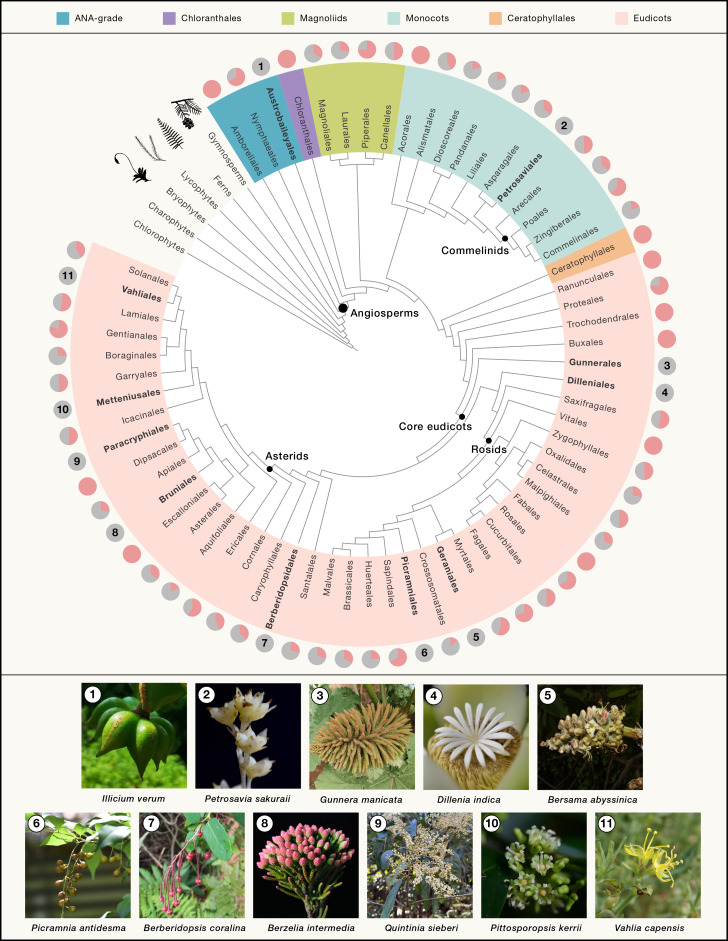 We are living at a time where insights into plant diversity, function, and evolution are being revealed at an unprecedented rate, thanks largely to the ability to readily sequence and assemble genomes. A new Perspective by Want, along with a large, international group of co-authors, sets out an exciting and ambitious proposal the fill in the knowledge gaps in the plant phylogeny, first by developing reference genomes for species in orders that have no such reference genome, then continuing to the family and genus levels. Building this reference library will support efforts across the spectrum of plant science, from crop improvement to natural-product inspired drug discovery to biodiversity conservation to addressing questions in fundamental plant biology. The authors stress their commitment to the principles of open science and their desire to democratize knowledge. They also address how they will develop AI tools to aid in the interpretation of these vast databases. They observe that their target completion date of 2036 is the 200th anniversary of the conclusion of the voyage of the HMS Beagle. Wouldn’t Darwin be amazed at what we are learning today? (Summary by Mary Williams @PlantTeaching.bsky.social) Cell 10.1016/j.cell.2026.01.026
Hooked hairs: A new cell type aiding seedling survival in common bean
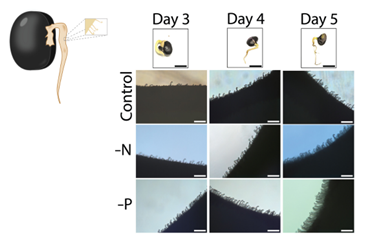 Roots play a critical role in determining seedling resilience mechanisms to abiotic stress conditions. Despite advancements in the characterization of root systems at phenotypic and cellular levels, the diversity of belowground epidermal microstructures remains poorly understood, particularly prior to root hair emergence. A recent study by Cervantes-Pérez et al. describes the “hooked hair”, a previously unrecognized unicellular epidermal microstructure in Phaseolus vulgaris that emerges 1 to 3 days post-germination, well before root hairs develop. Using an integrated approach combining image-based phenotyping with single-cell transcriptomics and weighted gene coexpression network analysis (WGCNA), the authors show that hooked hairs are morphologically and transcriptionally distinct from root hairs and trichomes. Hooked hairs elongate significantly under phosphorus and nitrogen limitation. Their transcriptomes are enriched for nitrate transporters (NRT1, NRG2), suberin biosynthesis genes, and hydrogen peroxide transport functions. Physiological assays confirmed phosphatase activity, suberin deposition, and ROS accumulation, supporting roles in nutrient acquisition, water retention, and biotic stress defense. The irreversible nature of suberin biosynthesis argues that hooked hairs constitute a discrete cell type rather than a transient state. The findings expand the known diversity of plant epidermal cells and identify a candidate target for engineering climate-resilient seedlings in nutrient-limited and drought-affected soils. (Summary by Sonia Balyan) Sci. Adv. 10.1126/sciadv.adz6873
Extracellular vesicle-mediated small RNAs: Emerging effectors in fungal pathogenesis
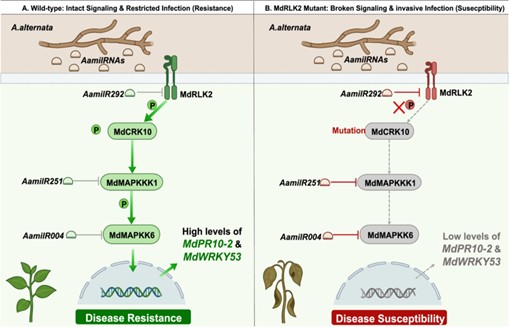 Plant pathogens are skilled manipulators, using specialized molecular weapons to weaken plant defenses and establish infection. Traditionally, scientists have focused on secreted proteins, known as effectors, that help pathogens suppress plant immune responses. But recent discoveries show that fungal pathogens have another trick: they produce small RNAs (sRNAs) that can cross from the fungus into the plant and reprogram plant genes. A key aspect of this process involves extracellular vesicles (EVs), tiny, evolutionarily conserved vesicles that shuttle important molecules between cells. These EVs are now recognized as important vehicles for delivering sRNAs during infection. In a recent study, Tang and colleagues explored how EV-associated sRNAs behave in apples infected by the fungus Alternaria. By isolating EVs and sequencing their sRNA content, they pinpointed 28 microRNA-like RNAs (milRNAs) that might play a role in disease. The authors predicted and confirmed that several of these milRNAs target critical components of the plant immune system, such as MAP kinases and receptor-like kinases. Functional analyses further demonstrated that knockout mutants of these milRNAs exhibited reduced virulence, whereas overexpression of their target genes enhanced host resistance. Together, this work highlights EV-mediated sRNA trafficking as a sophisticated pathogenic strategy and opens new opportunities for developing RNA-based disease resistance in crops. (Summary by Ching Chan @ntnuchanlab @ntnuchanlab.bsky.social) Plant Cell Environ. 10.1111/pce.70573
Perspective: Crediting Indigenous Knowledges
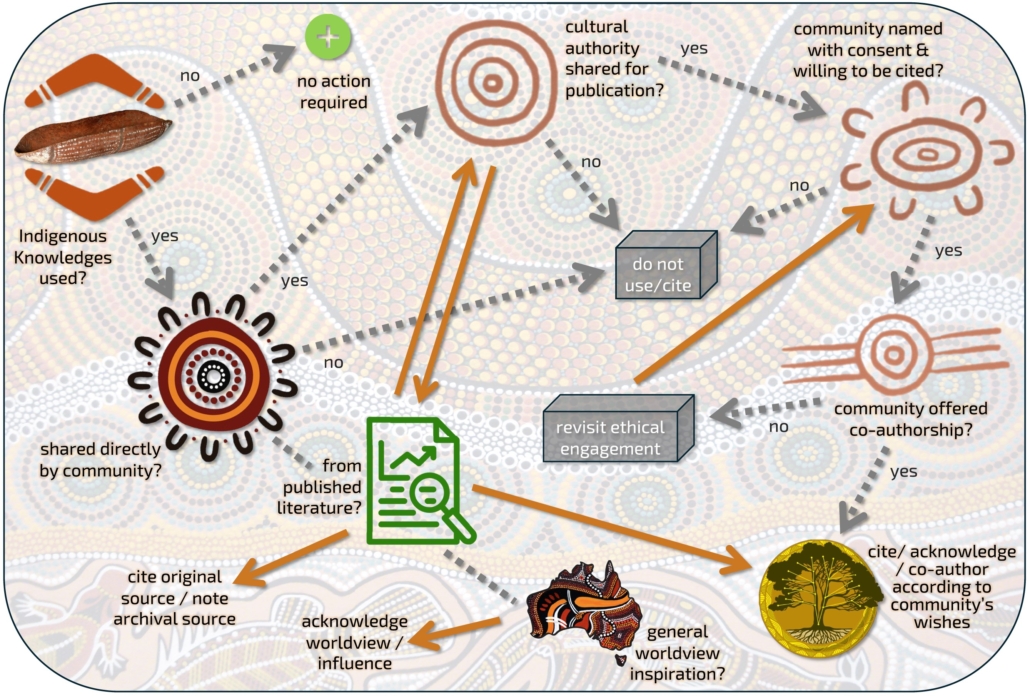
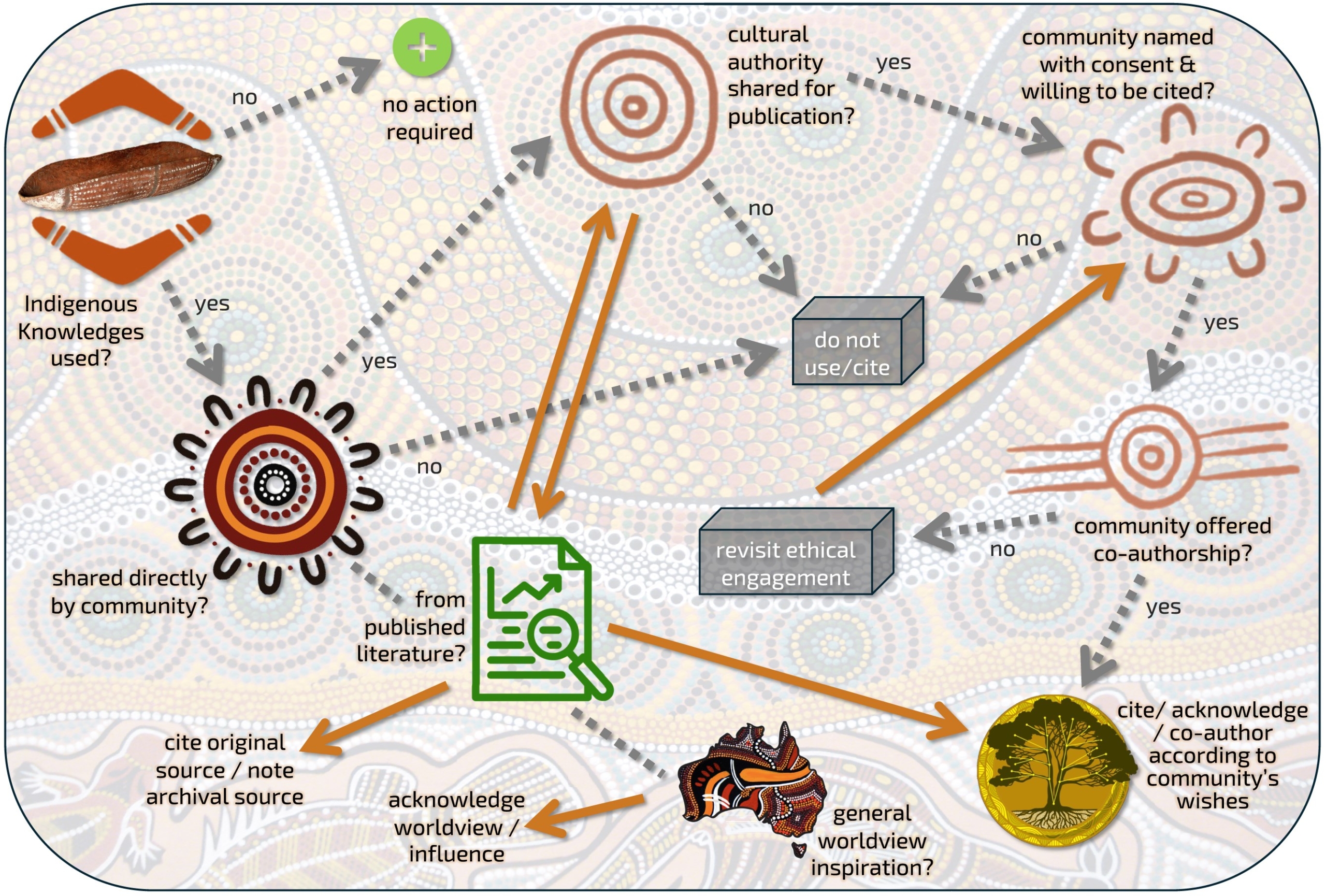 This is a very interesting Perspective article by Barry et al. that should be of interest to anyone who has benefitted from Indigenous Knowledges or who teaches about scientific writing. The authors, a group of Indigenous and non-Indigenous scholars in Australia, explore how Indigenous Knowledges should be cited. While they stress the importance of formally acknowledging these sources, they observe that doing so properly and respectfully is complex, with no one-size-fits all approach feasible. The article starts with a glossary of useful terms, including which terms should be capitalized as proper nouns (including Indigenous people and Indigenous Knowledges). They emphasize the importance of establishing trust “where knowledge can be freely exchanged without fear of exploitation or reprisal,” and establishing a transparent citation process that includes the right to say “no”. Finally, they observe that “citing Indigenous Knowledges in the peer-reviewed literature amplifies the pre-existing (and at times, subliminal) acceptance of Indigenous Knowledges within non-Indigenous research,” which is something we should all strive to do. (Summary by Mary Williams @PlantTeaching.bsky.social) BioScience 10.1093/biosci/biag009

