

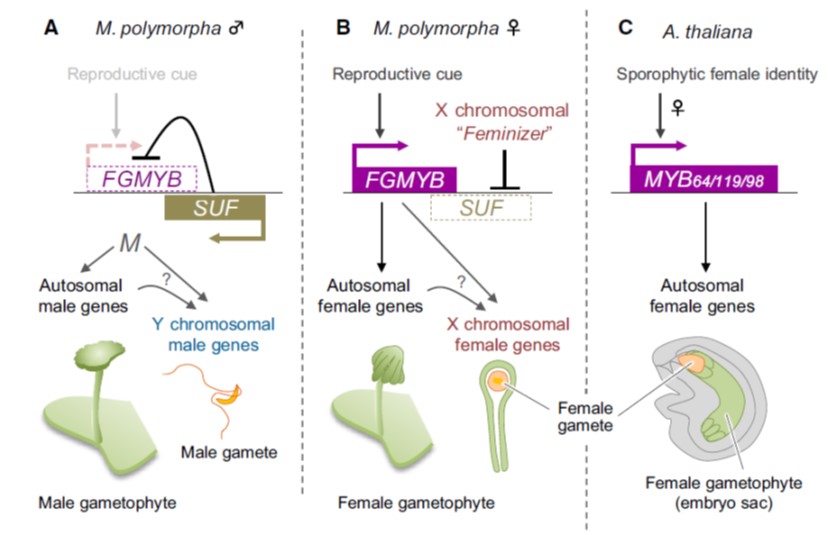
A bidirectional switch controls sexual dimorphism in the liverwort (EMBO J)
Plant Science Research WeeklyBryophytes spend most of their lifecycle in the haploid, gametophytic form, of which there are two types, male (sperm forming) and female (egg forming). Hisanaga et al. investigated the genetic basis that determines sex in the model liverwort Marchantia polymorpha. Their findings are fascinating. A single…
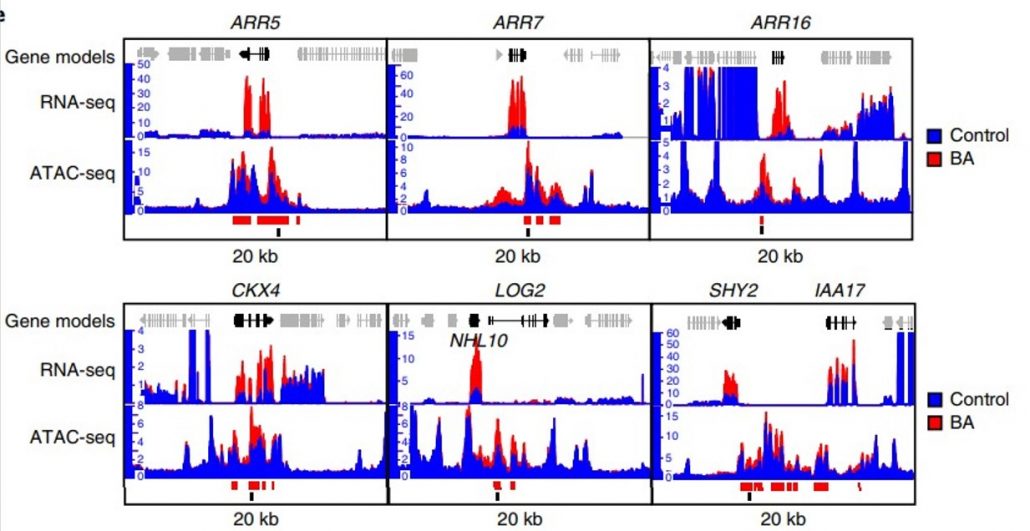
Cytokinin modulates context-dependent chromatin accessibility through the type-B response regulators ($) (Nature Plants)
Plant Science Research WeeklyThe cytokinin-based response is assumed to be achieved through context-dependent transcriptional regulatory mechanisms. Potter et al. analyzed cytokinin-induced alterations in chromatin accessibility using ATAC-seq (Assay for Transposase-Accessible Chromatin using Sequencing) and combined these results…

Advances in Understanding Root Hair Formation
Plant Physiology, Plant Physiology: On The InsideRoot hairs greatly increase the surface area of roots, thereby facilitating the uptake of nutrients and water from the rhizosphere. They also serve as sites for plant interactions with soil microorganisms. Thus, elucidation of the molecular pathway for their development is important for potential modification…
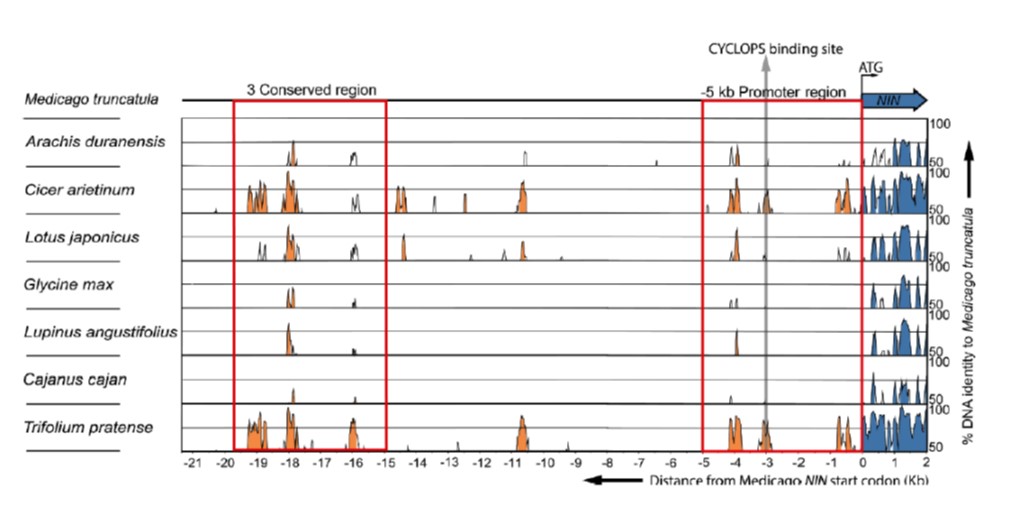
The secret of NIN (Nodule Inception) ($) (Plant Cell)
Plant Science Research WeeklyTwenty years ago, a genetic screen of Lotus japonicas identified NIN (NODULE INCEPTION), a transcription factor required for both early (infection thread) and late (nodule primordium development) stages of nodule formation. In daphne (a weak allele of NIN), infection threads form but not nodule primordia,…

APE2 Acts in DNA Demethylation
Research, The Plant Cell, The Plant Cell: In a NutshellLi et al. demonstrate that APE2 and the DNA 3′ phosphatase ZDP play overlapping roles in active DNA demethylation in Arabidopsis thaliana. The Plant Cell (2018).
By Jinchao Li and Weiqiang Qian
Background: DNA methylation, the addition of a methyl group to the C-5 position of cytosine, is a…
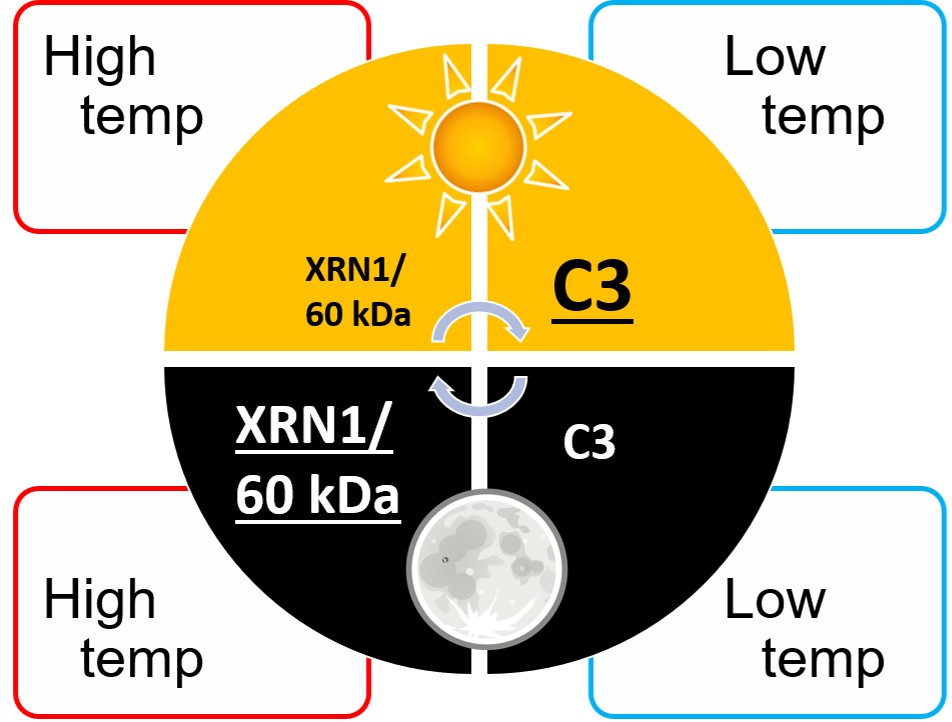
Alternative Splice Variant Sheds Light on Temperature Acclimation in Algae
Plant Physiology, Plant Physiology: News and ViewsClimate change is a potent environmental force that all living organisms must contend with. This is especially true for photosynthetic, microalgae that are forced to acclimate to ever changing water temperatures and coordinate changes in their physiology and growth rates (Singh and Singh, 2015). These…

R gene-miRNA-phasiRNA regulatory module (Nature Comms)
Plant Science Research WeeklyIn plants, like people, having an overactive immune response is just as bad as having an underactive one. R genes in plants are key immune components that need to be kept quiet until needed. Previous studies have shown that miRNAs are involved in suppressing R gene expression, in a process that is amplified…
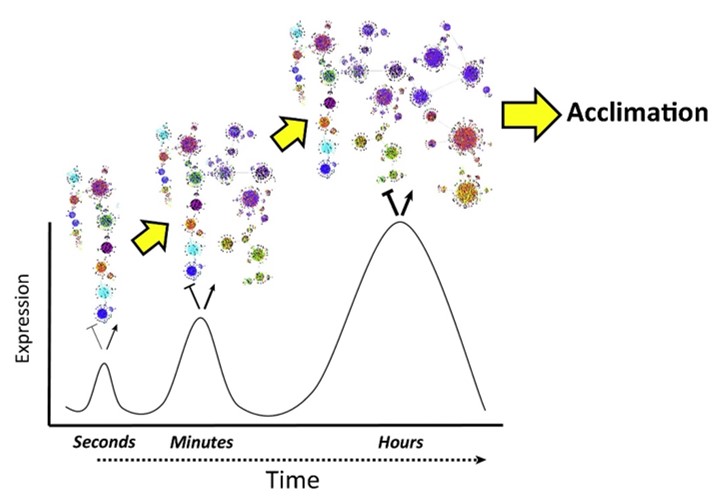
Opinion: Rapid responses to abiotic stress (TIPS)
Plant Science Research WeeklySeveral recent studies have demonstrated that plants are able to respond to environmental challenges within minutes, through electrical signals, calcium oscillations, hydraulic changes, metabolites such as glutamate, and reactive oxygen species. Kollist et al. review studies of rapid responses that control…

Regulation of Apical Hook Development: A Dual-Core Processes Complex Information
Research, The Plant Cell, The Plant Cell: In a NutshellZhang et al. investigate the regulation of apical hook development in Arabidopsis thaliana. The Plant Cell (2018). https://doi.org/10.1105/tpc.18.00018.
By Xing Zhang, Yichuan Wang and Hongwei Guo.
Background: For sessile plants, survival in dynamic nature is never easy! The very first challenge…