

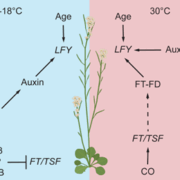
Florigen takes the heat: Flower production under fluctuating temperatures
Plant Science Research WeeklyFlowers are not only a source of beauty and awe but also an important agronomical trait, since many crop yields depend on the proper timing of flowering. With increasing fluctuations in temperature, plants must finely tune the flowering process. In Arabidopsis thaliana, flower primordia formation at…

GIG1-based in vivo haploid induction offers a rapid breeding strategy in rapeseed
Plant Science Research WeeklyProducing completely homozygous lines in a single generation is crucial for accelerating hybrid breeding in crops like rapeseed (Brassica napus), yet conventional in vitro methods are time-consuming and genotype-sensitive. In this study, Bakhsh et al. developed an efficient in vivo haploid induction…
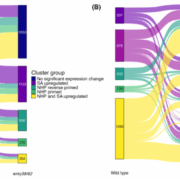
Priming and reverse priming: A new twist in plant immunity
Plant Science Research WeeklyPlants have their own version of an immune system—and it’s smarter than you might think. Through a process called Systemic Acquired Resistance (SAR), plants can “remember” an attack and prepare for the next one, arming themselves with long-lasting, broad-spectrum immunity. When one leaf is infected,…

Review: Harnessing the power of gene regulatory networks for crop improvement
Plant Science Research WeeklyThe number of large molecular plant datasets seems to be growing exponentially. With this growth comes an urgent need for researchers to understand how these datasets should be analyzed and integrated to get accurate understandings of what they represent. This fine article by Leong et al. is a good place…
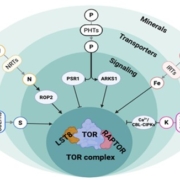
Review. Root growth under phosphorus deficiency: Revisiting the role of TOR signaling
Plant Science Research WeeklyWhile phosphorus (P) ranks the second most essential mineral nutrient for plant growth, its availability in natural soils is often very low. To cope with this limitation, plant roots have evolved sophisticated molecular mechanisms and phenotypic plasticity to maximize root surface area and enhance P…
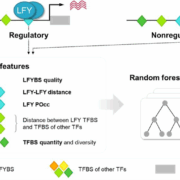
When binding isn’t enough: Predicting TF activity through genomic neighborhoods
Plant Science Research WeeklyTranscriptional regulation is fundamental for coordinating cellular activities in response to developmental programs and environmental cues. Certain transcription factors (TFs) control the expression of hundreds of genes and are thus considered especially important — these are referred to as master…
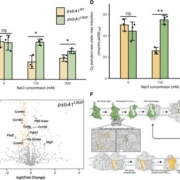
Directed evolution reveals pD1 mutations that boost photosynthesis under salt stress
Plant Science Research WeeklyImproving photosynthesis under abiotic stress is essential for enhancing crop productivity. Here, Jiang et al. used short-term accelerated evolution in the cyanobacterium Synechococcus elongatus to uncover genetic mutations that enhance photosynthesis under salt and light stress without compromising…

Put your best root forward: How hydrotropism cannibalizes gravitropism to orient root growth towards moisture
Plant Science Research WeeklyWhile root gravitropism (growth towards gravity) has an extended history of in-depth research, less is known about root hydrotropism (growth towards water) and about how these two potentially conflicting processes interact with each other. Since soil water distribution is often heterogeneous, plant roots…
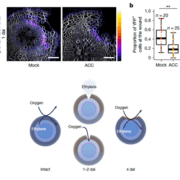
Gas as a messenger: How plants monitor their barriers
Plant Science Research WeeklyThe periderm is a protective outer tissue formed during secondary growth in many seed plants, serving as a barrier against water loss and pathogen invasion. When damaged, it can regenerate to restore its protective function. However, the molecular and cellular mechanisms underlying periderm regeneration…