


The Terpene Synthases of Red Algae Have a Bacterial Origin
Plant Physiology, Plant Physiology: On The InsideThe red algae (Rhodophyta), encompassing over 8,000 species, are the richest source of marine secondary metabolites. Among red algae, many genera produce terpenes, which constitute the largest class of secondary metabolites. Despite the rich diversity of terpenes in red algae, little is known about how…
CRISPR Mutants Shed Light on Pectin’s Role in Tomato Fruit Softening
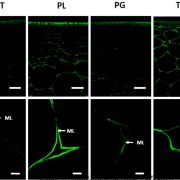
Plant Physiology, Plant Physiology: On The InsideTomato (Solanum lycopersicum) fruits undergo pronounced softening during ripening. Softening is important for flavor development and overall palatability, but also impacts fruit storage, transportability, and shelf life. Shelf life is a particularly important quality trait of tomato fruits affected by…

Master MYCs: MYC2, the jasmonate signaling ‘master switch’
The Plant Cell, The Plant Cell: In BriefTo optimize their fitness in the field, plants need to respond rapidly, specifically and dynamically to an ever-changing and often hostile environment. By integrating external environmental cues with endogenous developmental programs, phytohormones play a critical role in the cross-talk between signal…

Recognizing Plant Physiology first authors: Clay Wright
Plant Physiology, Plant Physiology: Author ProfilesClay Wright, first author of Plant Synthetic Biology: Quantifying the Known Unknowns and Discovering the Unknown Unknowns
Current Position: Assistant Professor, Biological Systems Engineering, Translational Plant Science Program, Virginia Tech, Blacksburg VA USA.
Education: Postdoctoral Fellow,…
Genetics of rose petal fragrance: RhPAAS and 2-phenylethanol (Plant Phys)
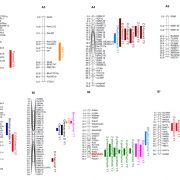
Plant Science Research WeeklyIn Romeo and Juliet, Shakespeare wrote, “that which we call a rose, by any other word would smell as sweet,” but the truth is, most roses today don’t smell as sweet as the ones Shakespeare described; selection for prolonged cut flower life has largely been at the expense of fragrance. Roccia seek…

Arabidopsis bioinformatics resources: Current state, challenges, and priorities for the future (Plant Direct)
Plant Science Research WeeklyFuture research success demands that data are reliable, accessible and shareable. This means that as types and magnitudes of data change, best practices for how data are collected and stored must be regularly updated. Following a focused workshop, the International Arabidopsis Informatics Consortium…

What We're Reading: January 11th
WWR Full PostThis week’s edition is guest edited by Arif Ashraf, a PhD student at Iwate University, Japan and Graduate Student Ambassador of ASPB (NOTE: Apply by January 15th to be an ASPB ambassador). His research interest is understanding the hormonal interplay in primary root development of Arabidopsis thaliana.…
The secret of NIN (Nodule Inception) ($) (Plant Cell)
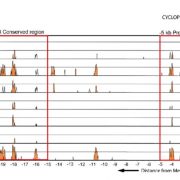
Plant Science Research WeeklyTwenty years ago, a genetic screen of Lotus japonicas identified NIN (NODULE INCEPTION), a transcription factor required for both early (infection thread) and late (nodule primordium development) stages of nodule formation. In daphne (a weak allele of NIN), infection threads form but not nodule primordia,…
Local auxin biosynthesis is a key regulator of plant development ($) (Devel Cell)
Plant Science Research WeeklyMorphogenic gradients of auxin are essential for plant phenotypic plasticity. Polar auxin transport plays a central role in auxin maxima generation. The exquisite spatiotemporal expression patterns of auxin biosynthesis genes suggested that local sources of auxin may contribute to the formation of auxin…