


Recognizing Plant Physiology authors: Wenfang Lin
Plant Physiology, Plant Physiology: Author ProfilesWenfang Lin, first author of Dual-localized WHIRLY1 affects salicylic acid biosynthesis via coordination of ISOCHORISMATE SYNTHASE1, PHENYLALANINE AMMONIA LYASE1 and S-ADENOSYL-L-METHIONINE-DEPENDENT METHYLTRANSFERASE1
Current Position: Fujian Agriculture and Forestry University, College of Life Science,…

Recognizing Plant Cell authors: Sara Izquierdo Zandalinas
The Plant Cell, The Plant Cell: Author ProfilesSara Izquierdo Zandalinas, first author of Vascular bundles mediate systemic reactive oxygen signaling during light stress in Arabidopsis
Current Position: Senior Research Assistant at the Bond Life Sciences Center, University of Missouri, USA
Education: PhD in Sciences at the University Jaume I…

State Transition Regulation in Chlamydomonas
Blog, Plant Physiology, Plant Physiology: News and Views, ResearchAnanya Mukherjee
University of Nebraska, Lincoln, Nebraska 68588
ORCID ID: 0000-0003-1802-1806
[email protected]
Photosynthetic organisms often face fluctuations in light quality and quantity. Green plants and algae have built-in mechanisms that allow them to adapt to such changes. One…

Recognizing Plant Physiology authors: Jose Pedro Fonseca
Plant Physiology, Plant Physiology: Author ProfilesJose Pedro Fonseca, first author of Iron-sulfur cluster protein NITROGEN FIXATION S-LIKE 1 and its interactor FRATAXIN function in plant immunity
Current Position: Postdoctoral Fellow
Education: BSc. Genetics (Honors.) - The University of Manchester 2002; Ph.D. in Genetics and Molecular Biology…
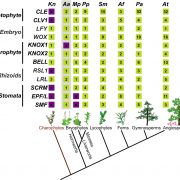
Review: The hornworts: morphology, evolution and development (New Phytol.)
Plant Science Research WeeklyBryophytes and vascular plants share a land plant as a common ancestor, but they have evolved independently for more than 400 million years. Recent genomic studies of model bryophytes, particularly mosses and liverworts, have provided insights into this ancient common ancestor. Here, Frangedakis et al.…

Review: La vie en roses, lilies, and other flowers: the floral microbiome (Annu. Rev. Ecol. Evol. Syst.)
Plant Science Research WeeklyBeyond their beautiful colors, fragrances and shapes, flowers also can host a great variety of life forms. A diverse community of bacteria, fungi, protozoa, and other organisms live in the flowers. A recent work by Rachel Vannette summarizes the current studies about the floral microbiome, highlighting…

Review: The pleurogram, an under-investigated functional trait in seeds (Ann. Bot.)
Plant Science Research WeeklyThe pleurogram is a depression on both sides of the seeds of some Fabaceae species. Surprisingly, although it is recognized as a specialized structure, little is known about its anatomical features or biological role. In this review, Rodrigues-Junior et al. synthesize the current knowledge about the…
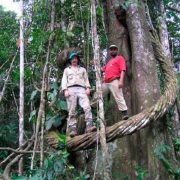
Opinion. We have been in lockdown, but deforestation has not (Proc. Natl. Acad. Sci. USA)
Plant Science Research WeeklyDouglas Daly is the B. A. Krukoff Curator of Amazonian Botany, Institute of Systematic Botany at the New York Botanic Garden, and a specialist in tropical tree systematics and the flora of the Amazon region. In this Opinion article, he reflects on how he and other field-based botanists have kept their…
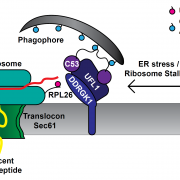
A cross-kingdom conserved ER-phagy receptor maintains ER homeostasis during stress (eLIFE)
Plant Science Research WeeklyQuality control of the protein folding mechanism in the endoplasmic reticulum (ER), which selectively eliminates or recycles unwanted cytoplasmic components, is recognized by specific autophagy receptors. Selective removal of certain ER domains by the autophagy pathway (termed as ER-phagy) is controlled…