


An inducible genome editing system for plants (bioRxiv)
Plant Science Research WeeklyMultiple approaches like T-DNA insertion and small RNA- and CRISPR-Cas9 mediated gene silencing/knockdown are used to alter the expression of specific genes. This allows researchers to understand gene function during plant development or under any physiological condition. The most challenging task in…

High-resolution expression profiling of selected gene sets during plant immune activation (bioRxiv)
Plant Science Research WeeklyThe problem with gene expression profiling is that it preferentially reports on the more highly-expressed genes. Capture sequencing uses targeted sequence libraries to pull out transcripts from genes of interest, including lowly expressed genes, so that their signals aren’t overwhelmed. To explore…

Carbon nanotube-mediated DNA delivery in intact plants (Nature Protocols)
Plant Science Research WeeklyOne promising use of nanomaterials is the delivery of biomolecules into cells. Demirer et al. report a detailed protocol for Carbon Nano Tube-mediated DNA delivery into intact plants, allowing transformation without transgene integration, that can be used in both model and crop species. In brief, carboxylated…

Chemical screening pipeline for identification of specific plant autophagy modulators ($) (Plant Physiol)
Plant Science Research WeeklyAutophagy is a recycling pathway that supports numerous processes, from nutrient remobilization to abiotic and biotic stress responses. Dauphinee, Cardoso et al. have developed a multi-step pathway that allows them to screen for inhibitors of autophagy in order to build a repertoire of new tools. For…

To be in Petri or in soil, that is the question (Mol Plant)
Plant Science Research WeeklyFrequently, research on root growth in Arabidopsis has been carried out in transparent Petri dishes, although in the natural environment the soil-buried root actually grows in complete darkness. It is an essential question to check if experimental results reflect the natural growth of plants. It is well-known…

A modular cloning toolkit for genome editing in plants (bioRxiv)
Plant Science Research WeeklyGenome editing with the CRISPR/Cas system is now widely used in functional studies across biological sciences including plant biology. Typically, this system involves a DNA nuclease and a guide RNA that directs the nuclease to a specific location in the genome. Golden Gate (GG) is a cloning method that…

All aboard the mentor-ship: making and using an Individual Development Plan
Blog, Plantae Webinars, Professional Development, WebinarsAll aboard the mentor-ship: making and using an Individual Development Plan
Recorded September 10, 2019
About This Webinar
Individual Development Plans (IDPs) are a tool to facilitate student-trainer relationships and help students and post-docs of all levels to evaluate their project and career…
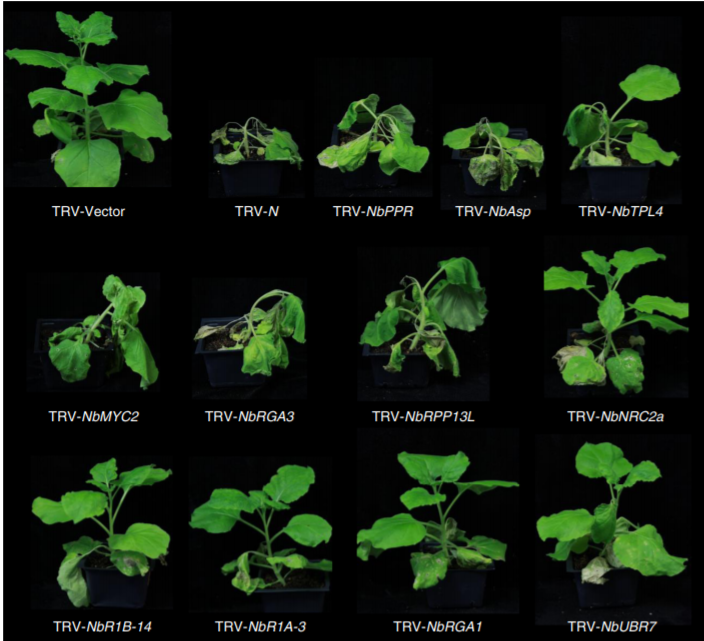
TurboID-based proximity labeling reveals that UBR7 is a regulator of N NLR immune receptor-mediated immunity (Nature Comms)
Plant Science Research WeeklyIdentification of protein- protein interactions helps understand the signaling cascade in multiple biological process including development, biotic and abiotic stress. Previously, a proximity-based labelling approach referred to as BioID had been used to identify proteins in close proximity to a protein…

Review: Methods to quantify primary plant cell wall mechanics ( J. Exp. Bot)
Plant Science Research WeeklyPlant growth and morphogenesis are linked to cell wall properties, so a deep understanding of cell wall biochemistry and mechanics is essential for studying plant development. In a recent review, Bidhendi and Geitmann describe current and emerging techniques for the analysis of cell wall mechanics. Classic…