

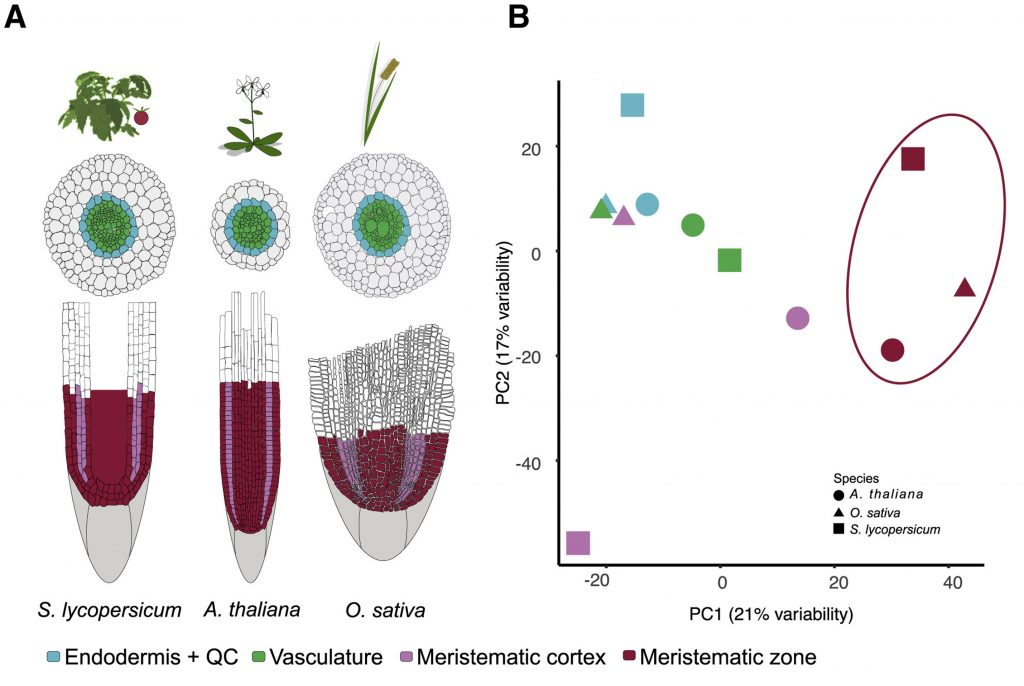
Innovation, conservation, and repurposing of gene function in root cell type development (Cell)
Plant Science Research WeeklyPlants demonstrate a gorgeous diversity in cell types to adapt to their unique environments. Certain cell types, such as the epidermal, cortex, and vascular cells within plant roots, or the classically-defined root developmental zones (meristematic, elongation, and maturation), are homologous in angiosperms.…
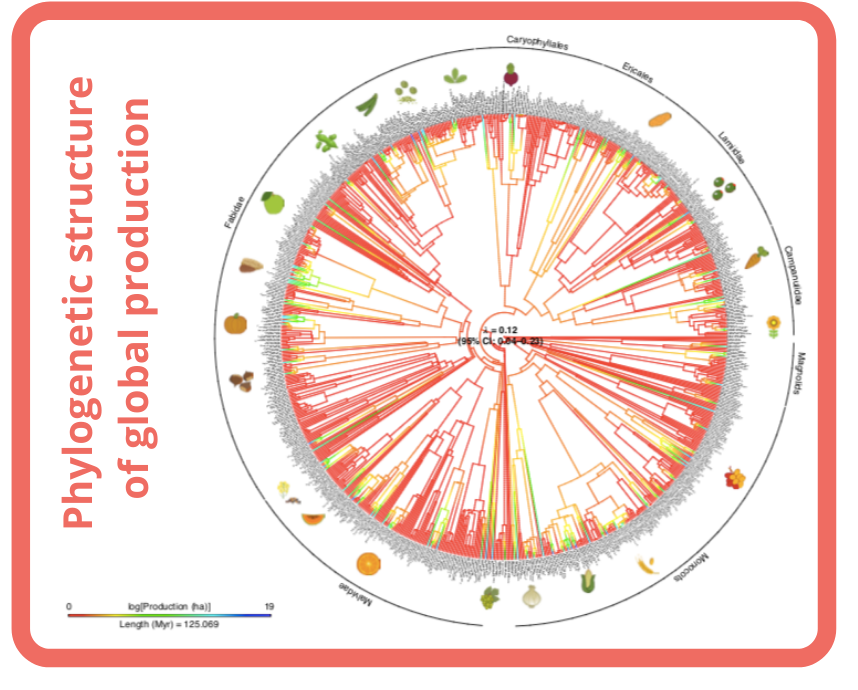
Crop origins explain variation in global agricultural relevance (Nature Plants)
Plant Science Research WeeklyAccording to FAO, only a hundred out of several thousands edible plants contribute to the global food system. Specifically, twelve species dominate food production worldwide; more than a half of our daily calorie intake comes from four seed crops (maize, soybean, rice and wheat). Although the agricultural…
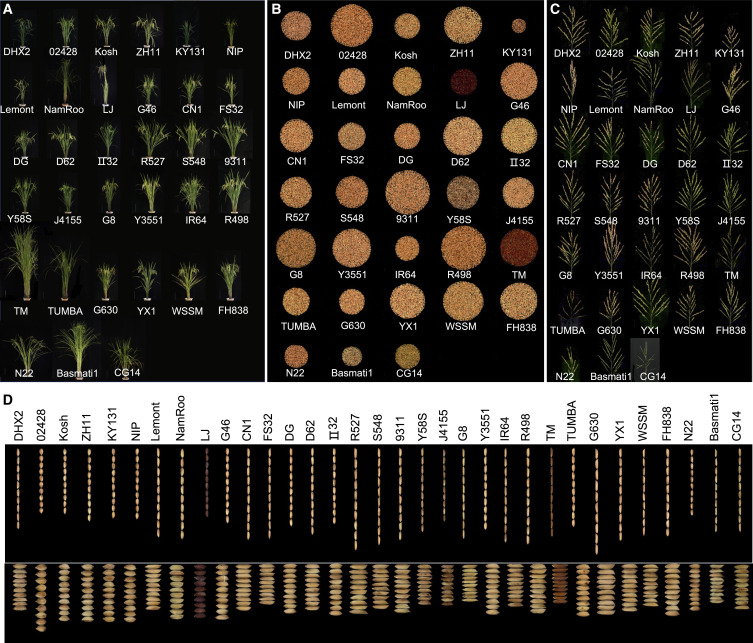
Pan-genome analysis of 33 genetically diverse rice accessions reveals hidden genomic variations (Cell)
Plant Science Research WeeklyIn spite of the considerable excitement that accompanies the first genomic sequence of a species, that sequence usually represents a single individual or inbred accession – the real excitement comes from comparisons between individuals or accessions. These pan-genomic analyses provide insights into…
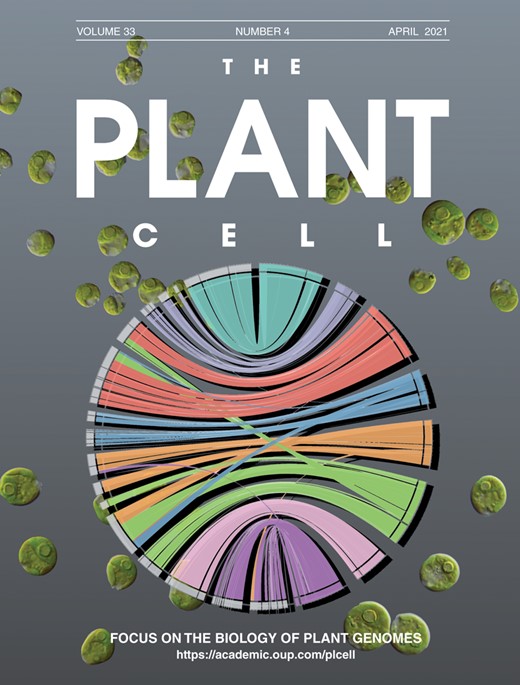
Focus Issue: Focus on the Biology of Plant Genomes (Plant Cell)
Plant Science Research WeeklyThe Plant Cell has published a Focus Issue on the Biology of Plant Genomes. This Focus Issue includes reviews and research articles that highlight some of the most important recent advances in plant genomics and foreshadow future discoveries. Although Arabidopsis is represented in this article collection…
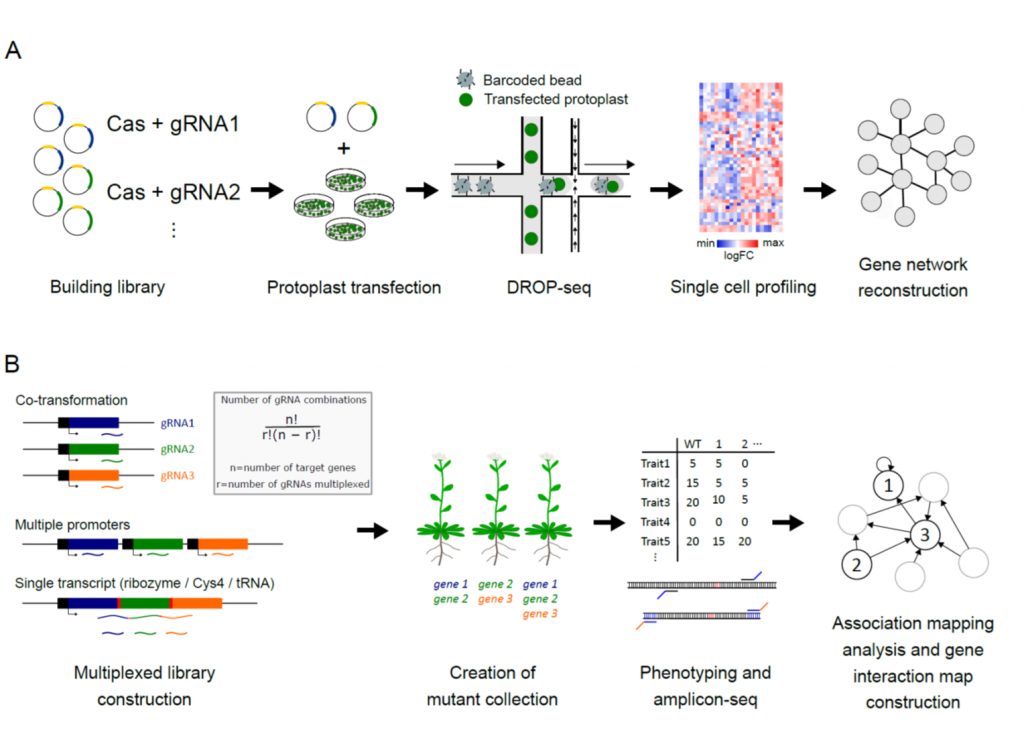
Review: CRISPR screens in plants: Approaches, guidelines, and future prospects (Plant Cell)
Plant Science Research WeeklyWe don’t need to remind you of the tremendous positive impact that CRISPR-based technologies have had on the life sciences through enabling any gene to be edited precisely. Here, Gaillochet et al. provide an up-to-date review of a lesser-known application of CRISPR, its use in large-scale screening…

Plant Cell Webinar: Highlighting Plant Cell Focus Issue on Biology of Plant Genomes (Part 1)
Blog, Plantae Presents, Research Skills0 Comments
/
Plantae Presents: Ksenia Krasileva, Christine Diepenbrock, and Rory Craig
Special Event: The Plant Cell Focus Issue on the Biology of Plant Genomes
Recorded Wed April 7th – 4 pm EDT, 1 pm PDT 9 pm BST, Thurs April 8th 8 am NZT
Advances in genome sequencing have yielded insights…
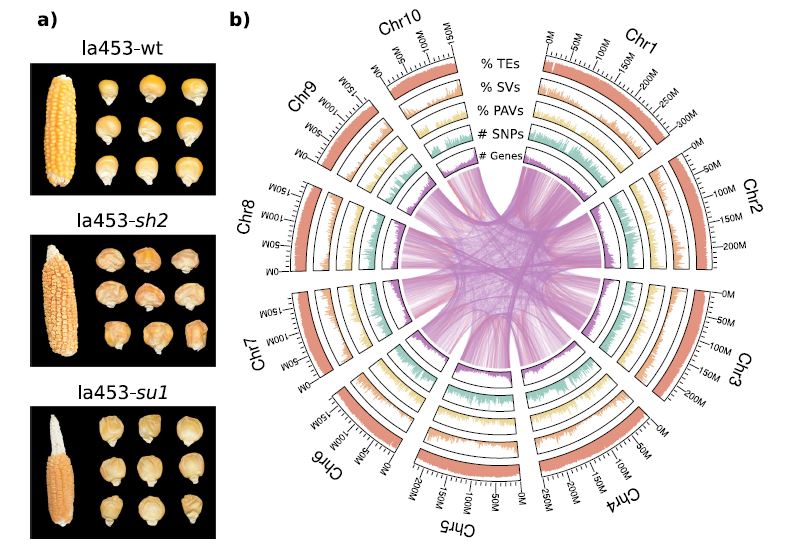
Genome assembly and population genomic analysis provide insights into the evolution of modern sweet corn (Nature Comms)
Plant Science Research WeeklyIn maize (Zea mays), loss of function mutations in genes involved in starch biosynthesis characterize sweet corn varieties that have increased sugar content in the kernel. Specifically, lines carrying the shrunken2 (sh2) allele revolutionized the corn industry in Northern America in the last 50 years…
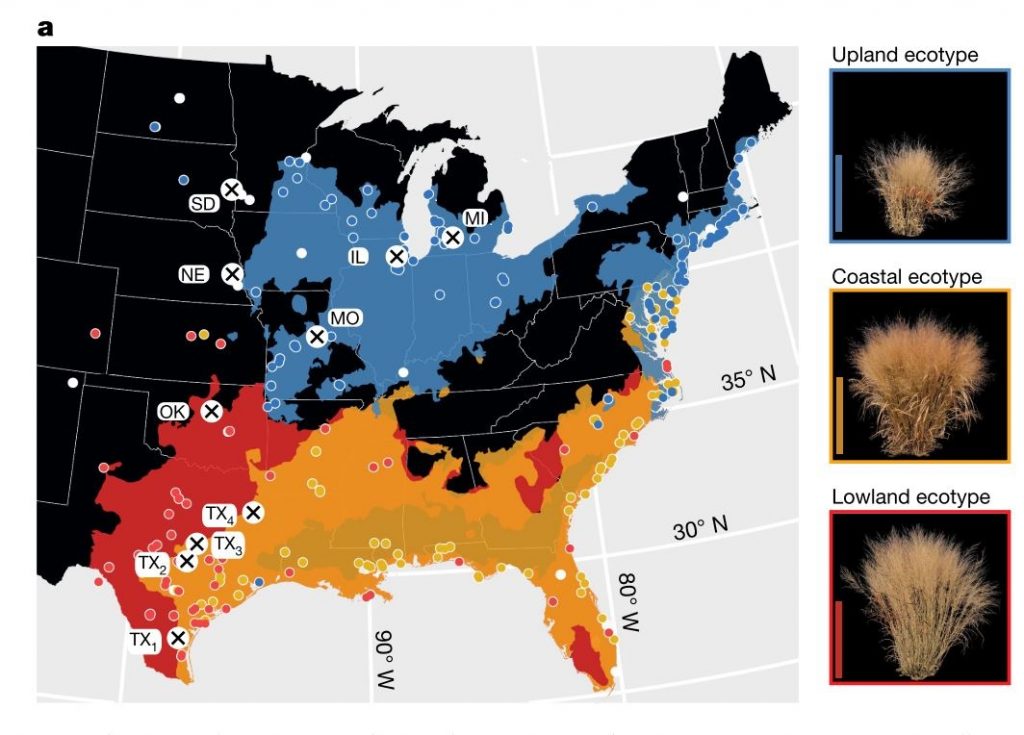
Genomic mechanisms of climate adaptation in polyploid bioenergy switchgrass (Nature)
Plant Science Research WeeklySwitchgrass (Panicum virgatum) is a tall, perennial species native to the prairies of North America. Switchgrass is well-known for its uses as a biofuel and forage crop. However, switchgrass is also a fascinating model to investigate how plants adapt to changing environments, as historical glacial cycles…
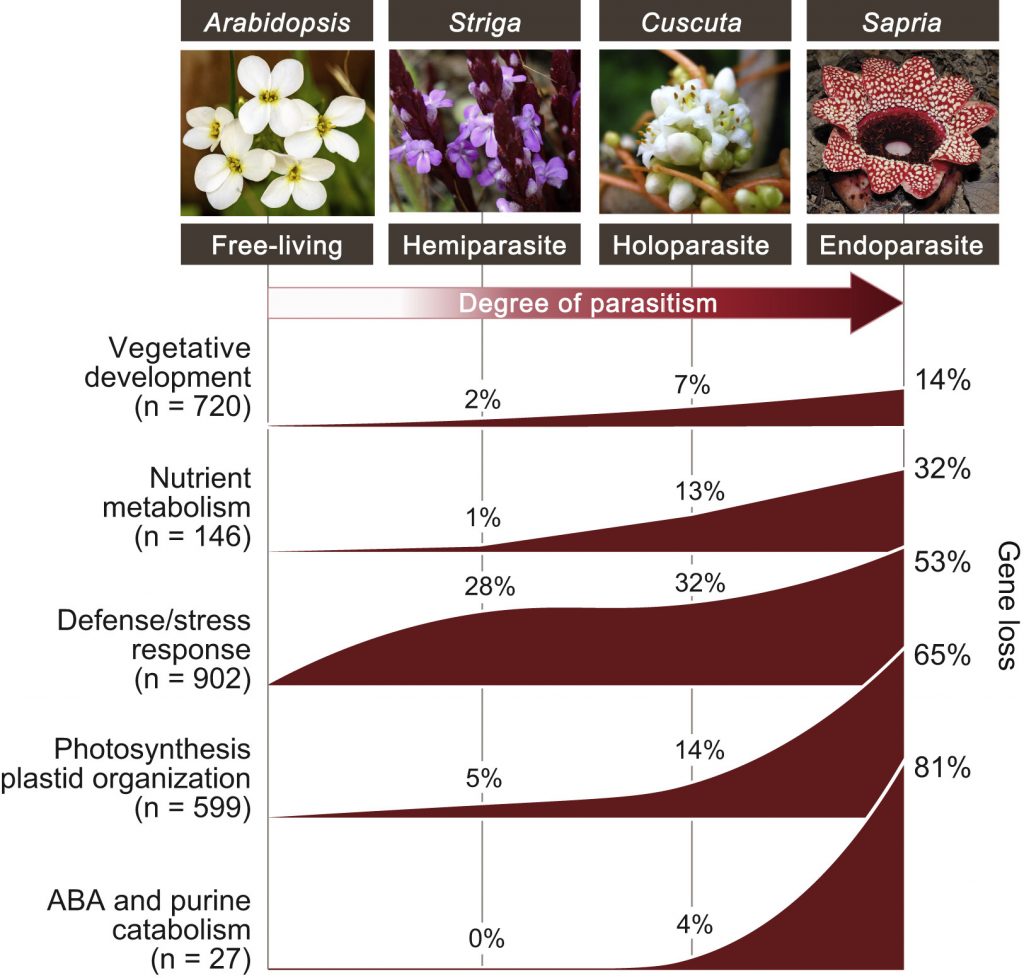
Deeply altered genome architecture in the endoparasitic flowering plant Sapria himalayana Griff. (Curr. Biol.)
Plant Science Research WeeklyIt’s one of those plants that gets noticed, so we’re excited to see the press associated with the genome sequence of the large endoparasitic plant Sapria himalayana. Everyone has seen pictures of this plant, which lives entirely underground except when it produces its large (20 cm diameter) blood…