

After all, mutations are not that random (Nature)
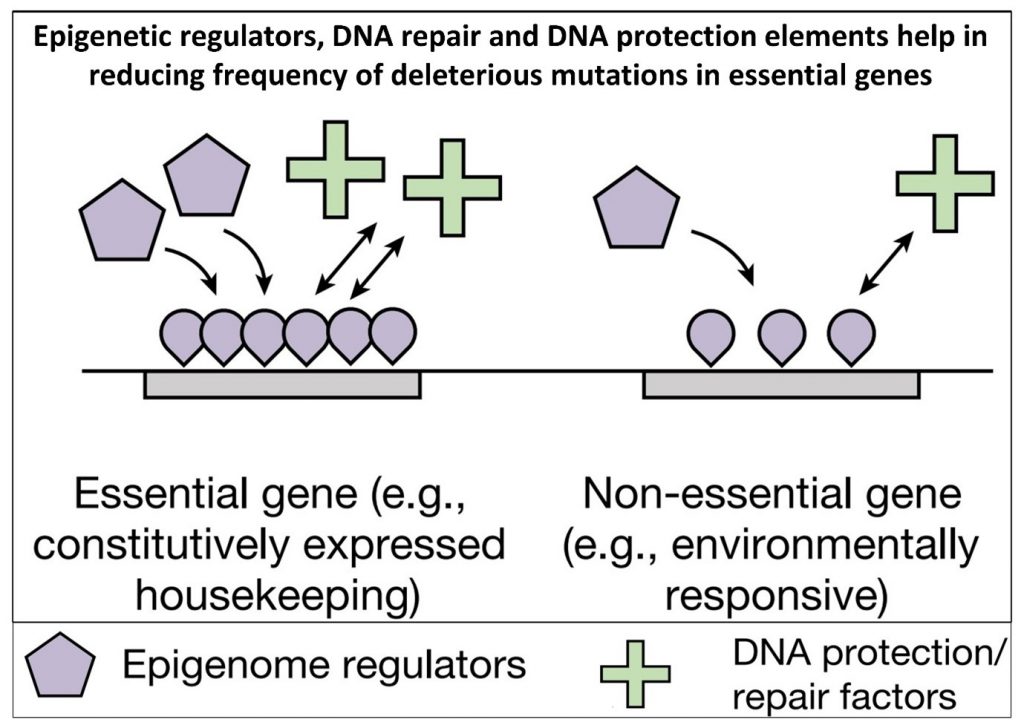
Plant Science Research WeeklyMutations, defined as changes in DNA sequence, have long been considered to be random. However, growing evidence suggests that maybe mutations are not random, but instead some loci in the genome are hot spots for mutations, while other loci rarely mutate. This effect is considered mutation bias. A recent…

The genomic ecosystem of transposable elements in maize (PLOS Genetics)
Plant Science Research WeeklyA new paper looking at transposable elements in maize uses the framework that genomes are similar to ecosystems, in that it is essential to study them comprehensively, from the level of each element to the global structure. Transposable elements (TEs) are dynamic and persistent within plant genomes.…
The evolutionary advantage of losing genes after endosymbiosis (Genome Biol)
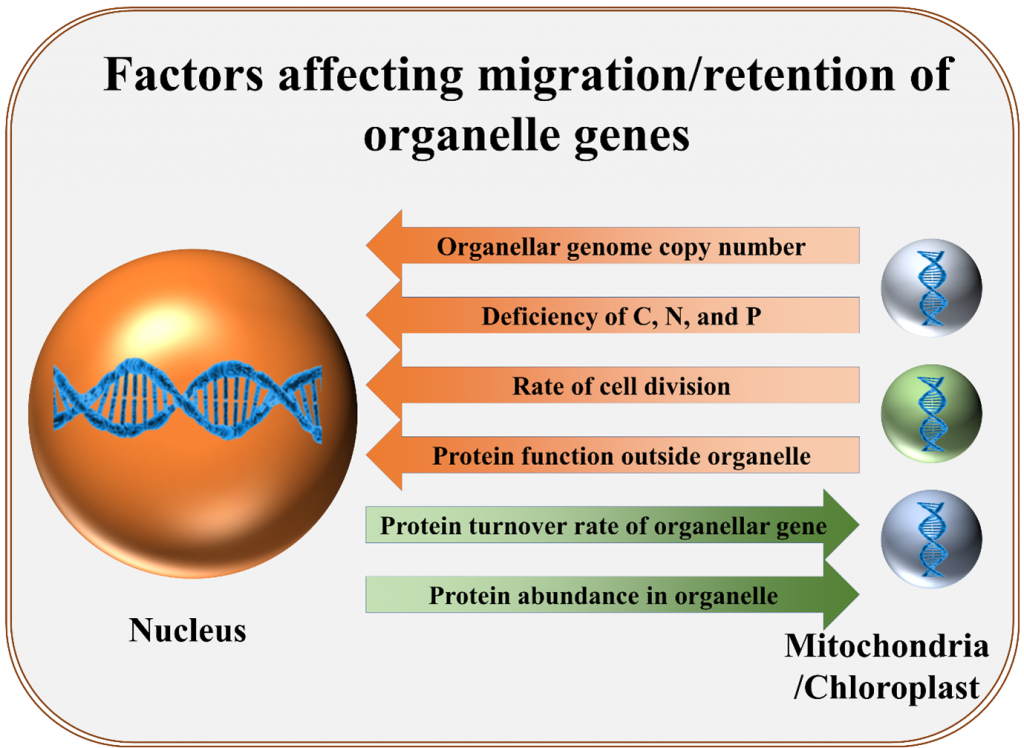
Plant Science Research WeeklyThe emergence of eukaryotes is associated with endosymbiosis of mitochondria and chloroplast. In the course of evolution, most of the genes from these organelles have either migrated to the nucleus or been lost. But why have a small but significant number of genes remained in these organelle genomes?…
Extensive genome study to boost yield and improve agronomic traits in chickpea (Nature)
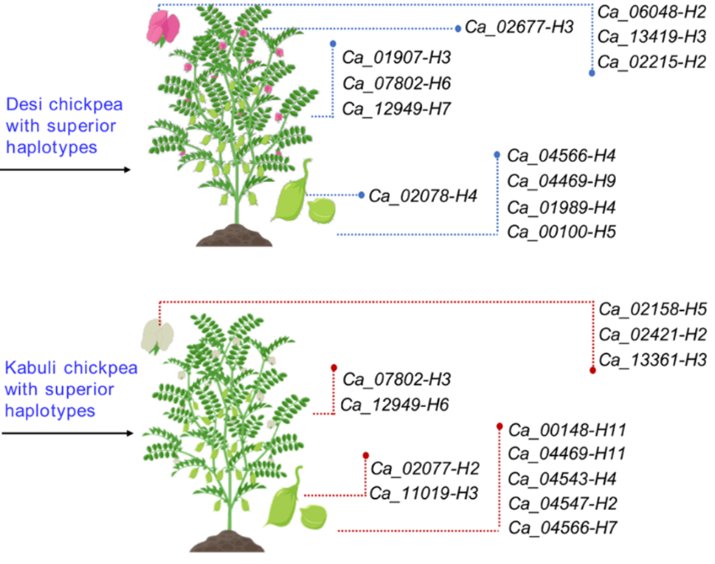
Plant Science Research WeeklyIn recent years, there has been increasing awareness about the environmental impact of animal-based protein sources. Legumes such as chickpea (Cicer arientinum) are relatively cheap and sustainable sources of proteins, dietary fibres and micronutrients. Although there is a vast chickpea germplasm collection,…
One assembly closer to understanding centromeric evolution in Arabidopsis thaliana (Science)
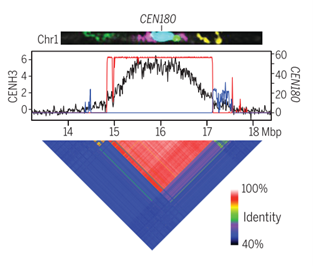
Plant Science Research WeeklyCentromeres are chromosome regions that consist of tandemly repeated “satellite arrays” and harbor CENH3 centromeric histones. Centromeres are present in every eukaryotic cell and are important for kinetochore assembly, so they ensure chromosome segregation during cell division. In spite of the importance…
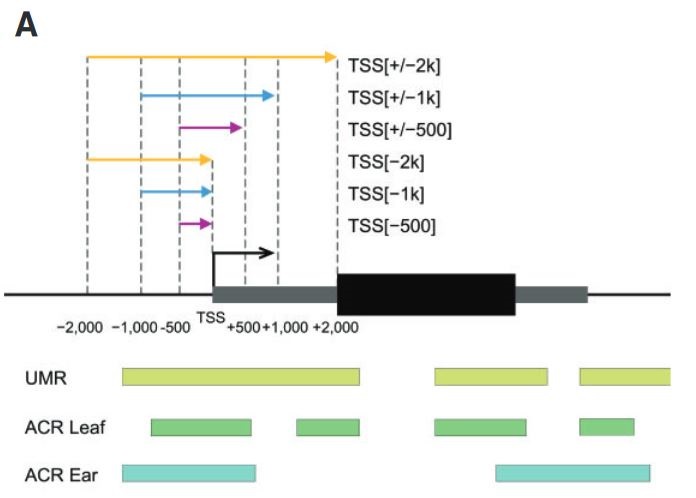
Prediction of conserved variable heat and cold stress response in maize using cis-regulatory information (Plant Cell)
Plant Science Research WeeklySeveral transcription factors (TFs) have been identified previously as responsive to cold and heat stresses in maize. Variation in TF binding sites (TFBS) determine changes in the expression of target genes in response to the aforementioned stresses. Traditionally, single varieties were used to study…
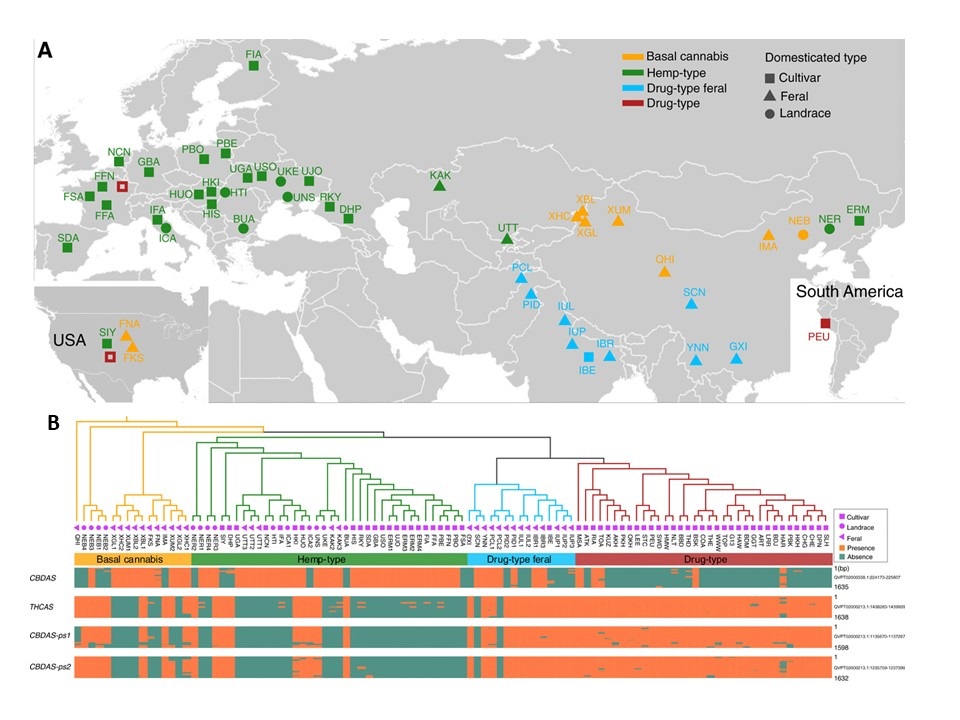
Large-scale whole-genome resequencing unravels the domestication history of Cannabis sativa (Science Advances)
Plant Science Research WeeklyThroughout history, many cultures have exploited the properties of Cannabis sativa, either as a source of fiber extracts (hemp) or as a medicinal and recreational drug (drug type). It is thought that cannabis was originally cultivated in Asia from where it spread to other regions around the globe, and…
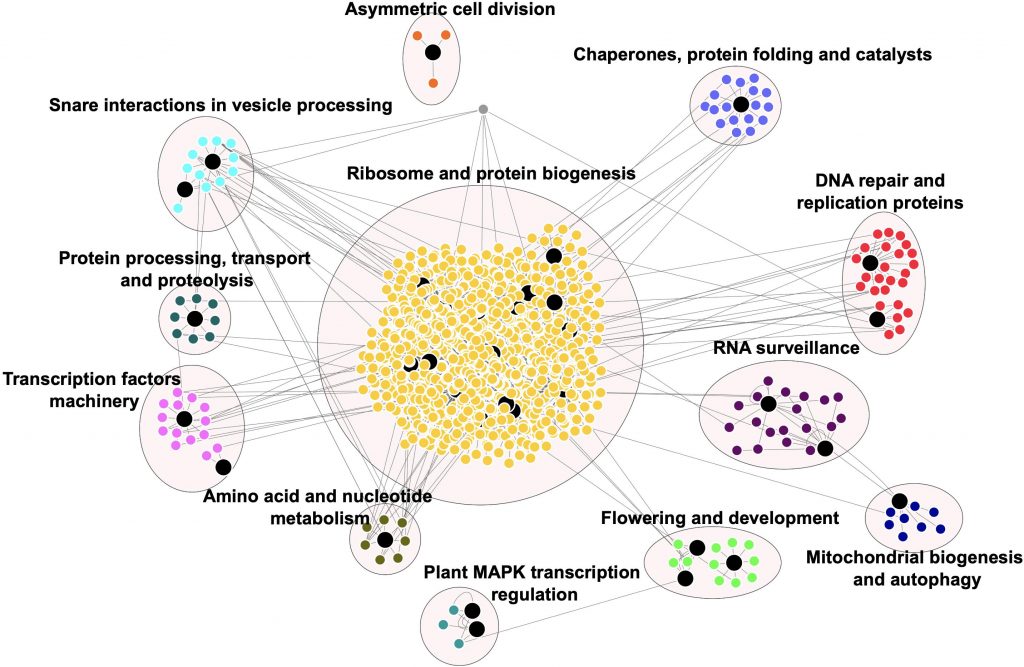
Complex networks of prion-like proteins reveal cross talk between stress and memory pathways in plants (Front. Plant Sci.)
Plant Science Research WeeklyPrions were first identified as the infectious protein agents causative of Creutzfeldt-Jakob disease or bovine spongiform encephalopathy (mad cow disease); when individuals eat something containing these prion proteins, the prion proteins induce conformational changes in their brains leading to neurological…
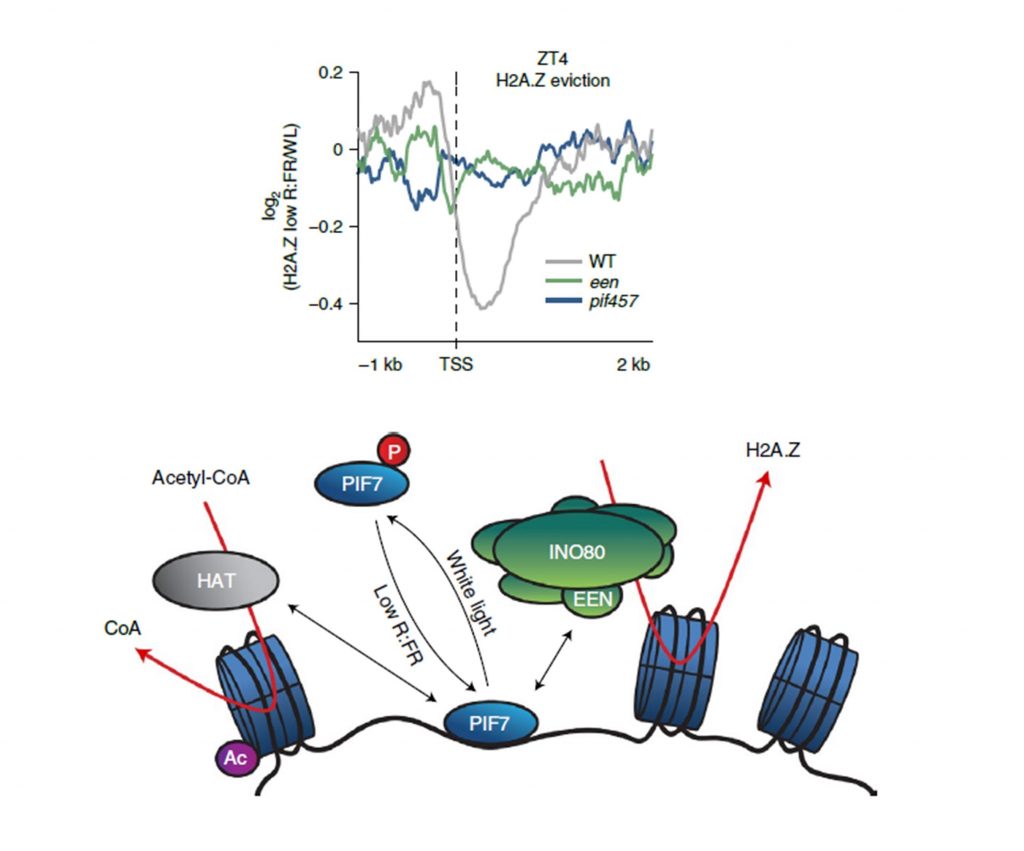
PIFs link environmental changes with chromatin dynamics (Nature Genetics)
Plant Science Research WeeklyPHYTOCHROME INTERACTING FACTORS (PIFs) play a pivotal role in mediating the responses of plants to various environmental stimuli. Although the importance of PIFs in shade avoidance response is well known, the relative contributions of different PIFs have not been discretely determined. In a recent study,…