

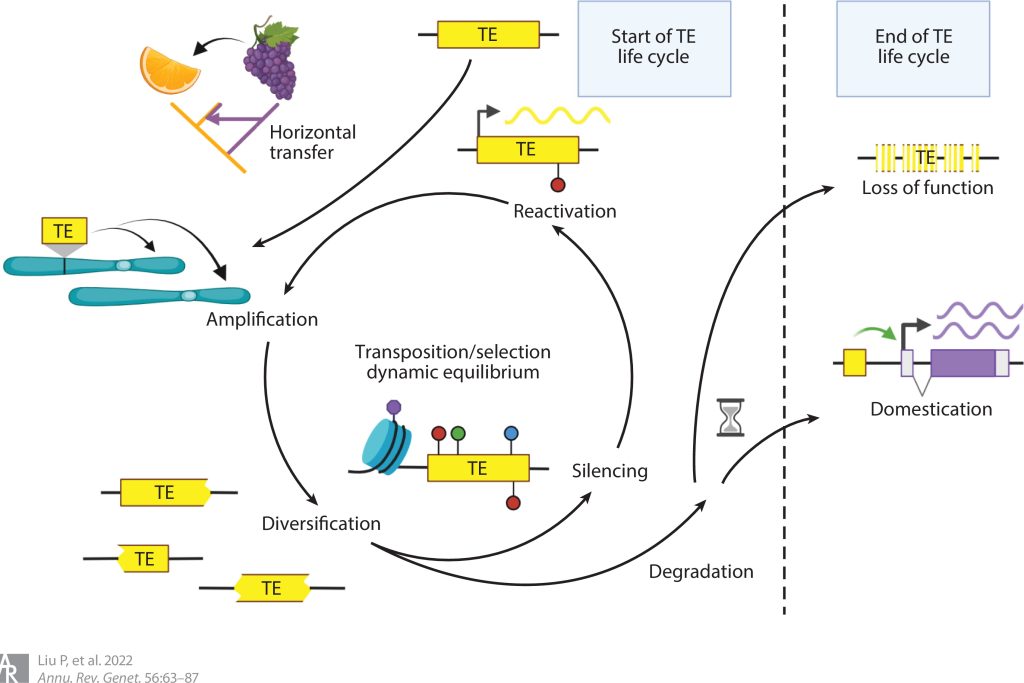
Review: Transposable element life cycles in plant genomes and beyond
Plant Science Research WeeklyWhat a wonderful review! As the title indicates, this review by Liu et al. looks at transposons, considering their “life cycle” – from introduction into a naïve genome, through amplification, diversification, silencing, reactivation, and ultimately domestication or loss-of-function. Besides this…
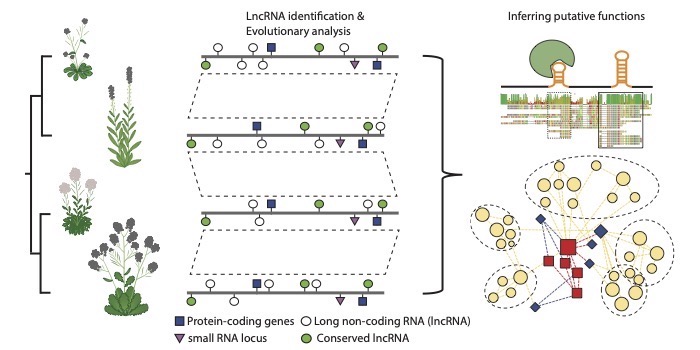
Identifying thousands of RNA genes in Brassicaceae
The Plant Cell: In a NutshellPalos et al. identify thousands of new long intergenic noncoding RNAs using public data.
By Kyle Palos and Andrew Nelson
Background: All plants have thousands of genes in their genomes that contribute to plant form and function. While the functional “end-state” of many of these genes are…
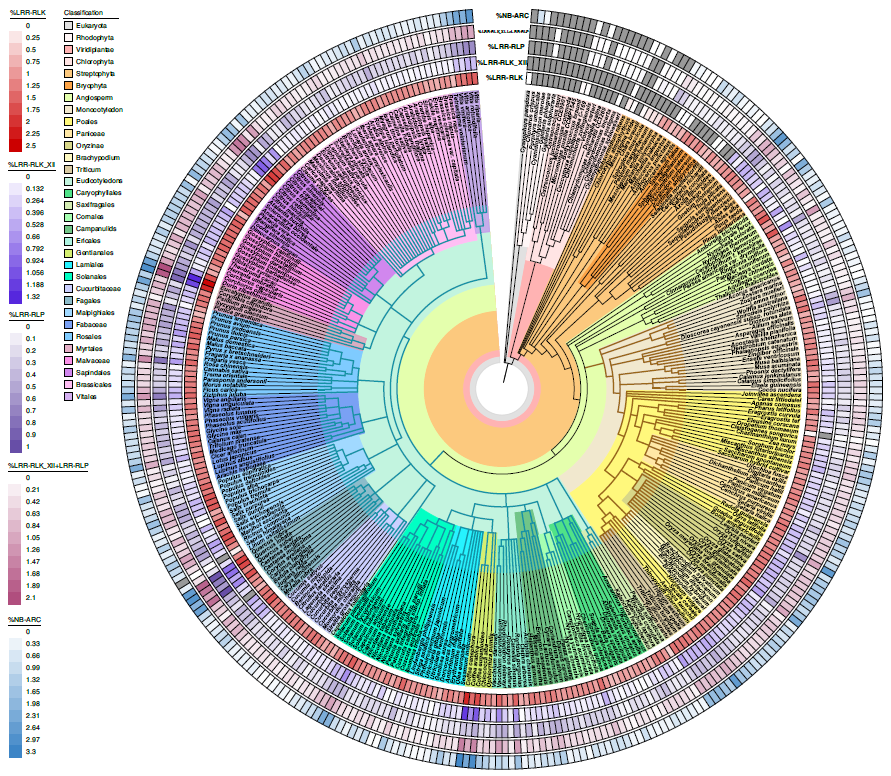
Concerted expansion and contraction of immune receptor gene repertoires in plant genomes (Nature Plants)
Plant Science Research WeeklyPlant immunity is crucial for adaptation to pathogen attack and subsequent survival. Two systems support plant immunity. Cell-surface pattern-recognition receptors (PRRs) recognize pathogen-associated molecular patterns (PAMPs) and prompt pattern-triggered immunity. Intracellular nucleotide-binding leucine-rich…
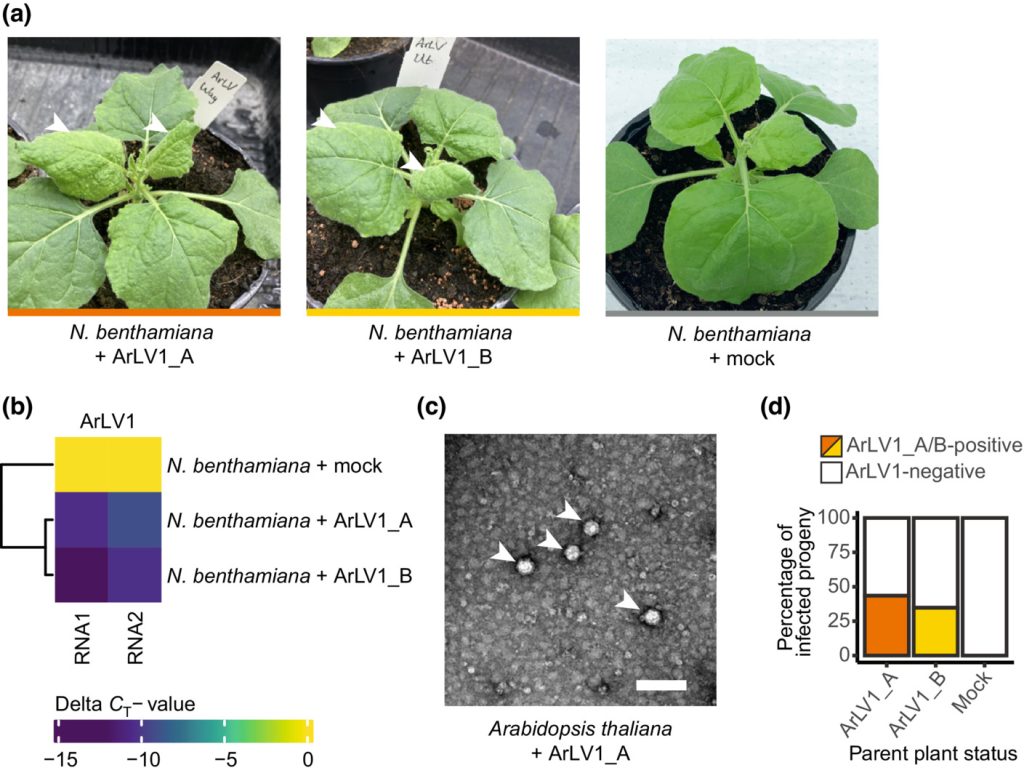
Arabidopsis latent virus 1, a comovirus widely spread in Arabidopsis thaliana collections (New Phytol)
Plant Science Research WeeklyArabidopsis thaliana has been established as a versatile and important model plant species, with abundant genetic and genomic resources. Through RNA sequencing, Verhoeven et al. identified an unexpected and previously unnoticed latent comovirus (the name “como” derives from cowpea mosaic virus) lurking…
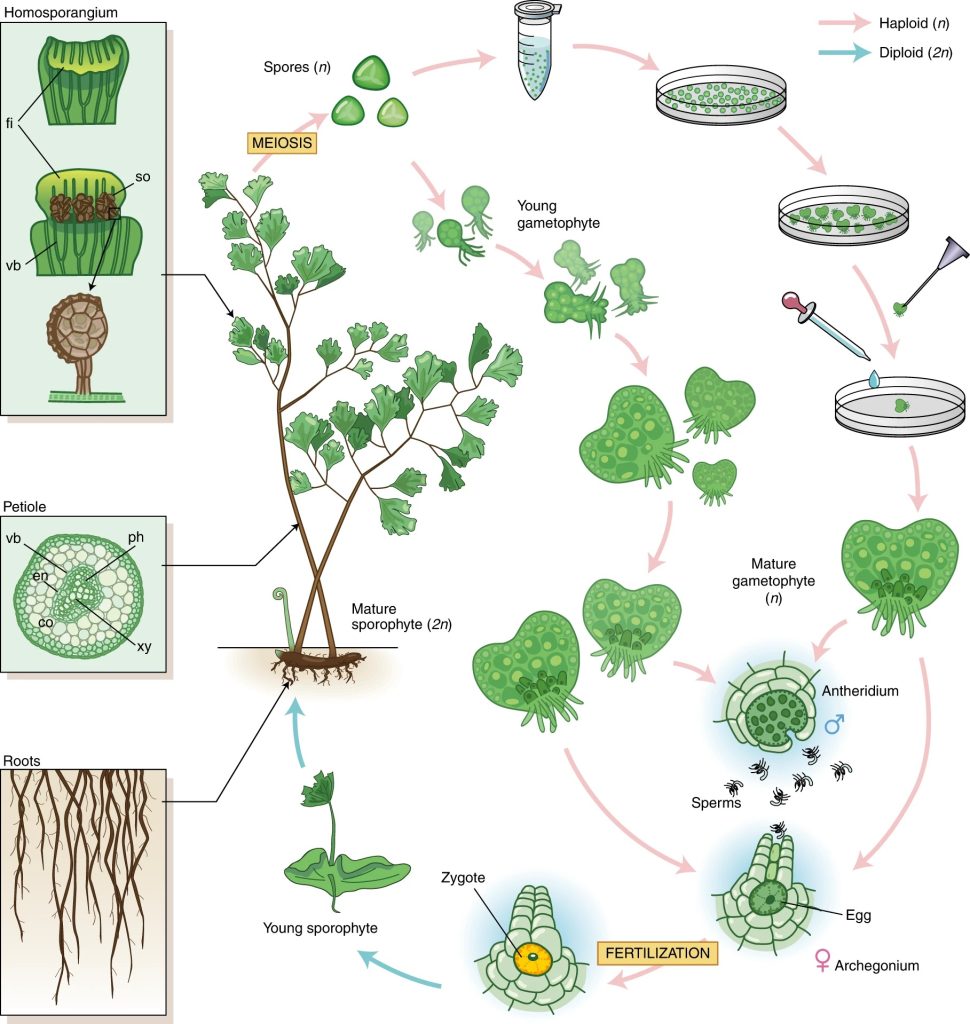
Two fern genome papers (Nature Plants)
Plant Science Research WeeklyThe September 2022 issue of Nature Plants includes two papers describing the analysis of homosporous fern genomes. Ferns are interesting for many reasons including the diversity of the clade, their typically very large genomes, their often free-living gametophytes, and in many cases, homospory (a single…
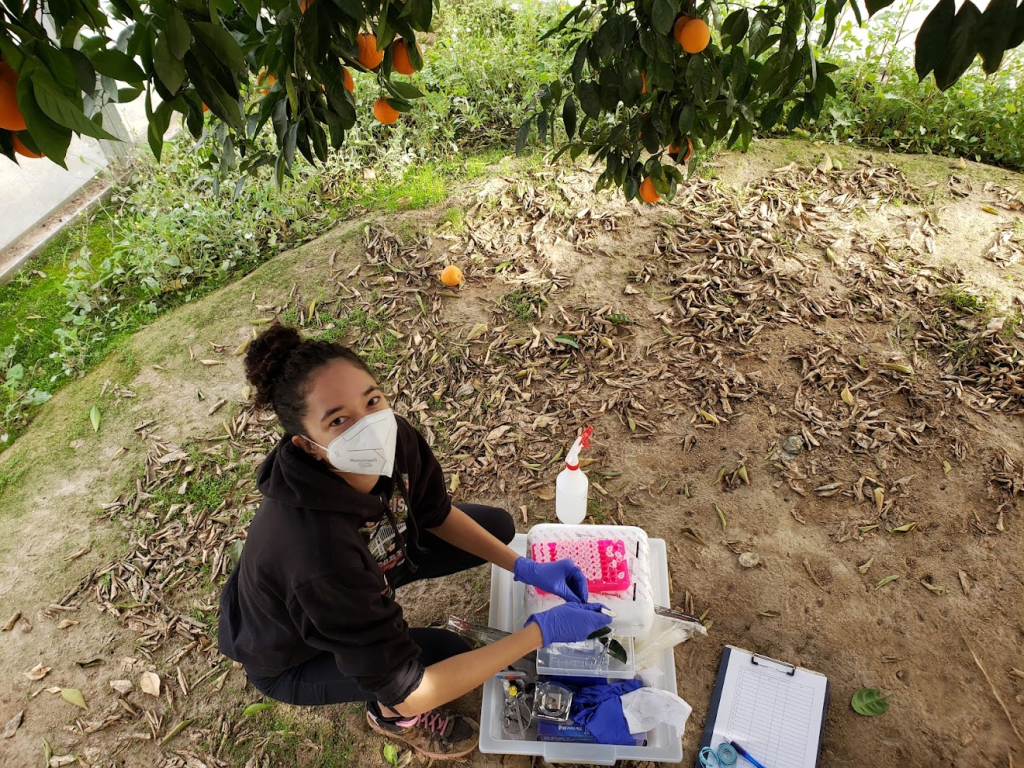
URM Plant Scientist Highlights - Taylor Beaulieu (she/her)
BlogTaylor Beaulieu (she/her) is currently a third year graduate student at UC-Riverside (UCR). She received her BS in Plant Biology from UCR and also received a minor in Education. She originally spent her undergraduate education training to become a K-12 science teacher which gave her training experience…

A conserved superlocus regulates above- and belowground root initiation (Science)
Plant Science Research WeeklyThe vascular plant body composed of root and shoot is specified during embryogenesis, but most flowering plants can also develop additional root systems post-embryonically: lateral roots, as a response to wounding, or shoot-borne roots (“adventitious” roots, literally meaning “in the wrong place”).…
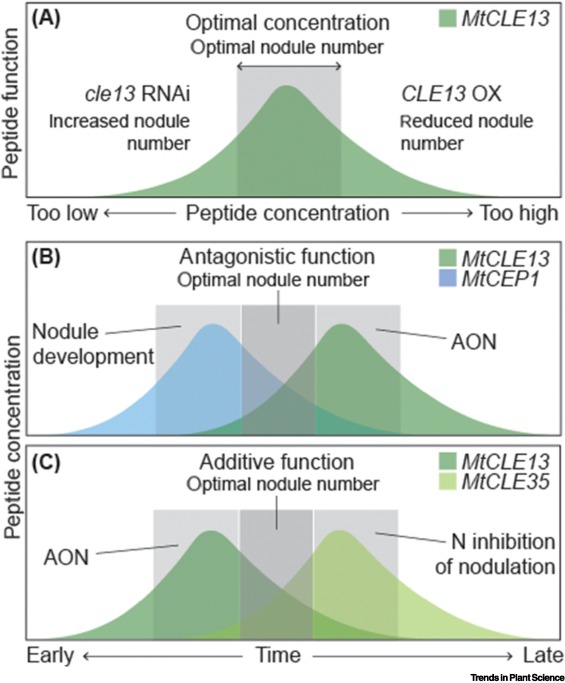
Review: A rulebook for peptide control of legume–microbe endosymbiosis (Trends in Plant Sci)
Plant Science Research WeeklySymbiotic associations with bacterial or fungal partners enhance nutrient uptake for most plants, and recent years have uncovered the very sophisticated means by which these associations are established and controlled. Peptides have emerged as key regulators of many facets of mycorrhizal and rhizobial…
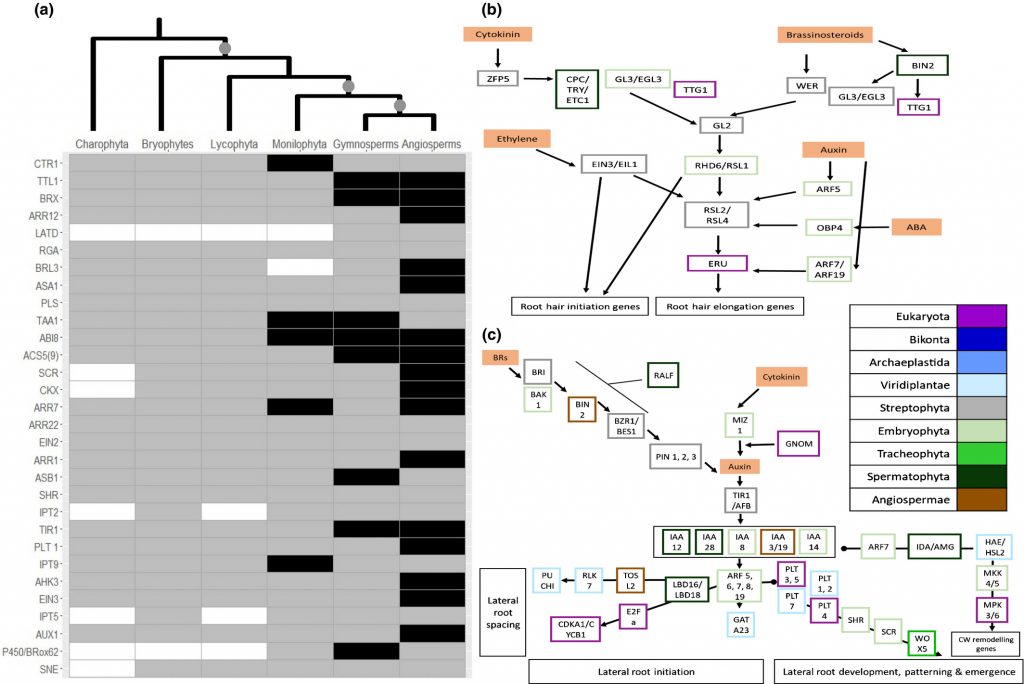
Water-related innovations in land plants evolved by different patterns of gene cooption and novelty (New Phytol)
Plant Science Research WeeklyThe availability of genome data from across the kingdom of plants has provided insights into plant evolution, and particularly the emergence of land plants. Here, Bowles et al. explore the genetic origins of three key innovations that supported the expansion of land plants: stomata, vascular tissues,…