

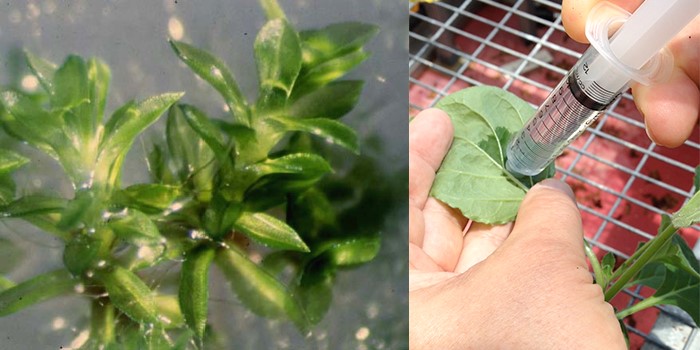
High Fiber Research: A Moss Arabinoglucan Synthase
Research, The Plant Cell, The Plant Cell: In a NutshellRoberts et al. investigate cell wall synthesis in Physcomitrella patens. The Plant Cell (2018). https://doi.org/10.1105/tpc.18.00082.
By Alison Roberts and Eric Roberts
Background: The health-promoting soluble fiber in whole grains is rich in mixed-linkage glucan (MLG), so called because it consists…
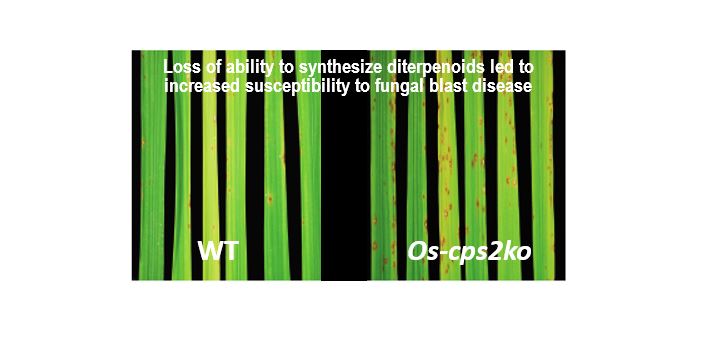
Diterpenoid Defense in Host- and Non-host Disease Resistance in Rice
Research, The Plant Cell, The Plant Cell: In a NutshellLu et al. show that diterpenoids contribute to disease resistance in rice. Plant Cell. (2018). https://doi.org/10.1105/tpc.18.00205
Background: Rice (Oryza sativa) is an important food crop. Diseases caused by the fungal blast pathogen Magnaporthe oryzae and bacterial leaf blight pathogen Xanthomonas…
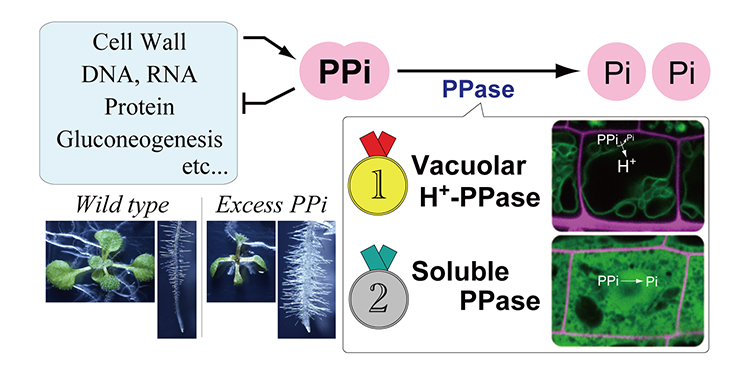
Maintaining Cellular Phosphate
Research, The Plant Cell, The Plant Cell: In a NutshellSegami et al. investigate cellular phosphate homeostasis in Arabidopsis. Plant Cell https://doi.org/10.1105/tpc.17.00911
Background: Many biological reactions, including the biosynthesis of DNA, RNA, proteins, and polysaccharides, produce inorganic pyrophosphate (PPi). However, accumulation of PPi…
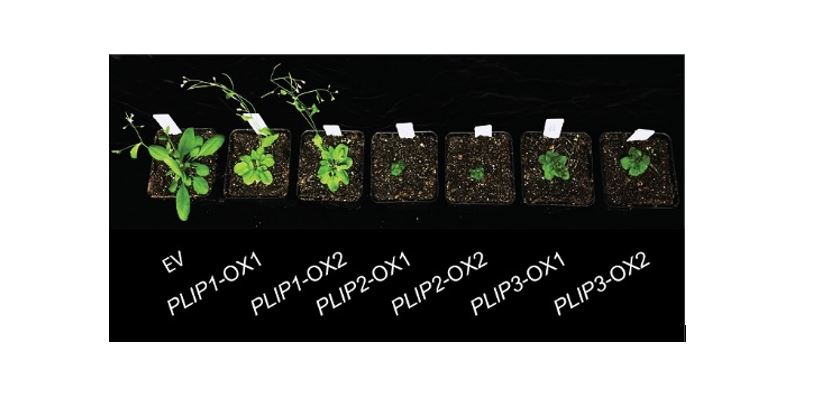
When Lipids Meet Hormones: Plants’ Answer to Complex Stresses
Research, The Plant Cell, The Plant Cell: In a NutshellWang et al. show that abscisic acid-inducible genes encode lipid degrading enzymes that release polyunsaturated fatty acids from chloroplast lipids as precursors for jasmonic acid production leading to biotic defenses in Arabidopsis. Plant Cell doi.org/10.1105/tpc.18.00250
By Kun Wang and Igor Houwat
Background:…

Cellulose Synthase Stoichiometry Varies among Species and Tissues
Blog, Plant Physiology, Plant Physiology: News and ViewsCellulose, the most abundant biopolymer on earth, is an important structural component of the primary and secondary cell wall of plant cells. It is also found in animals (tunicates), oomycetes, and bacteria (Kumar and Turner, 2015). Besides providing support and rigidity in living organisms, cellulose…
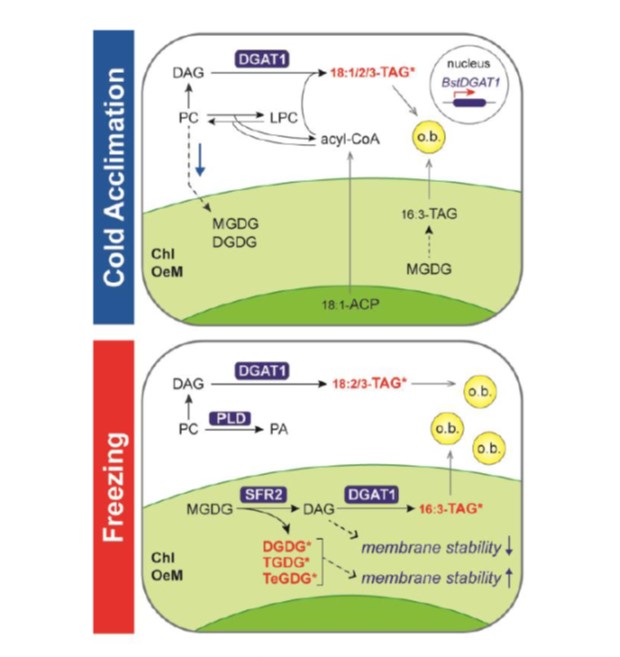
A Lipid Synthesis Enzyme Confers Freezing Tolerance
Blog, Plant Physiology, Plant Physiology: On The InsideDespite major advances in understanding cold signaling, cold acclimation, and freezing protection in model and crop species, and extensive studies of natural variation in freezing tolerance in Arabidopsis accessions, the question of which genes and mechanisms underlie freezing tolerance of wild species…
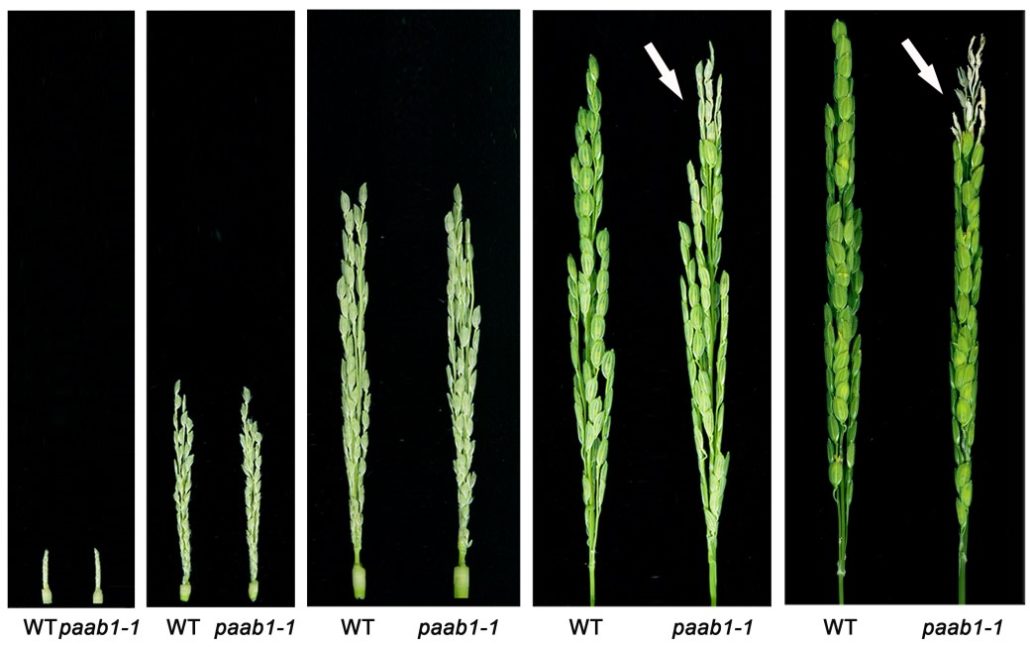
A Malate Transporter in Rice Panicles
Research, The Plant Cell, The Plant Cell: In a NutshellHeng et al. demonstrate a role of OsALMT7-mediated malate transport in panicle development and grain production of rice. The Plant Cell (2018). https://doi.org/10.1105/tpc.17.00998
By Yueqin Heng, Chuanyin Wu and Jianmin Wan
Background: Rice is a staple food for more than half of the world’s…

Protein Editing for Multi-Tasking
Research, The Plant Cell, The Plant Cell: In a NutshellZauner et al. investigate the mechanism of protein re-purposing. The Plant Cell (2018). https://doi.org/10.1105/tpc.17.00963.
By Florian B. Zauner, Elfriede Dall and Hans Brandstetter
Background: Plants cannot run away from herbivores, drought, or heat. To withstand adverse conditions, plants have…
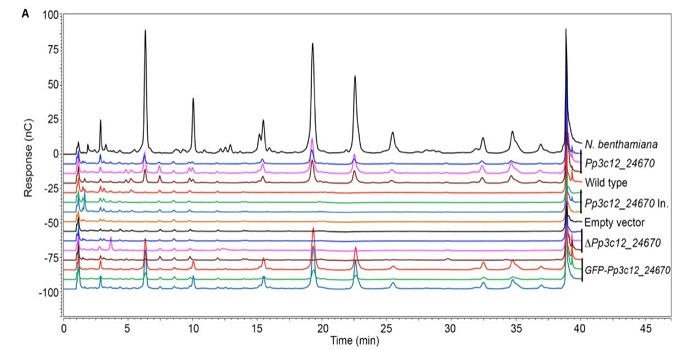
A moss glycosyltransferase produces a novel cell wall arabinoglucan ($) (Plant Cell)
Plant Science Research WeeklyPlants produce a wide range of polysaccharides in their cell walls, some of which are restricted to certain species. Roberts et al. investigated a moss gene encoding an enzyme that resembles a mixed-linkage (1,3;1,4)-β-glucan (MLG) synthase. When expressed in tobacco, this enzyme produces a novel unbranched,…