


Maintaining membrane integrity in the face of abiotic stress
The Plant Cell: In a NutshellRuiz-López & Pérez-Sancho et al describe a mechanism that control the homeostasis of diacylglycerol at the plasma membrane in plants after abiotic stress. Plant Cell. https://doi.org/10.1093/plcell/koab122
Miguel Ángel Botella Mesa – IHSM-UMA-CSIC, Málaga, Spain
Jessica Pérez Sancho…
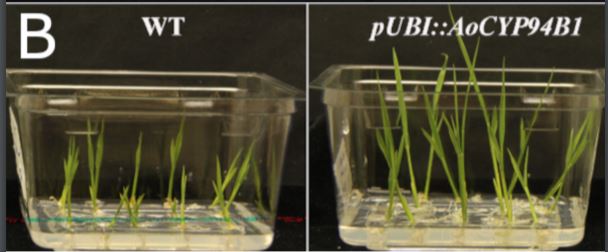
How a Mangrove tree can help to improve the salt tolerance of Arabidopsis and Rice
Blog, Plant Physiology, Plant Physiology: News and Views, ResearchAffiliation: University of Melbourne
ORCiD: 0000-0001-5092-6168
email: [email protected]
Mangrove trees live and thrive in intertidal zones, where they are regularly inundated with salt water. To survive such harsh environmental conditions, they have evolved several features to improve…
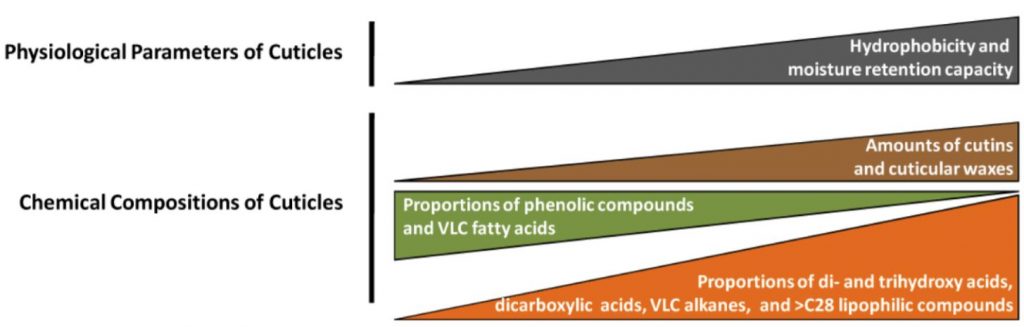
The fat of the land: cuticle formation in terrestrial plants
Blog, Plant Physiology, Plant Physiology: News and Views, ResearchMadeleine Seale
Department of Plant Sciences, University of Oxford, South Parks Road, Oxford, OX1 3RB, United Kingdom
[email protected]
ORCID: 0000-0002-8924-3943
In a world surrounded by a vast expanse of gaseous air, water is constantly evaporating from aqueous sources…
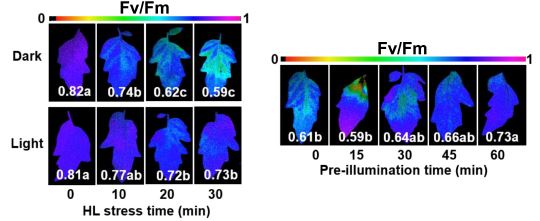
A high-five for high light protection
Blog, Plant Physiology, Plant Physiology: News and Views, ResearchKasper van Gelderen
Utrecht University
[email protected]
Plants cannot live without light, but they also cannot live with too much light. Beyond a certain threshold, a high light intensity will damage the photosynthetic apparatus directly. Furthermore, high light leads to the production of reactive…
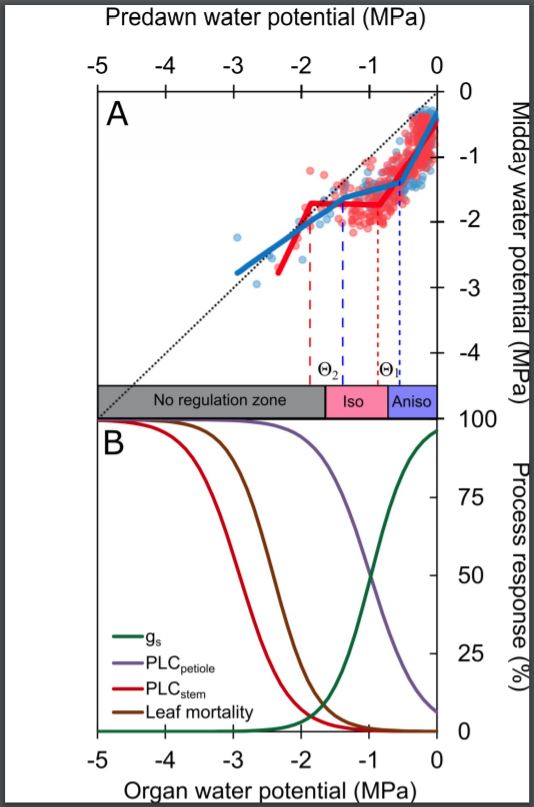
Extrapolating physiological response to drought through step-by-step analysis of water potential
Blog, Plant Physiology, Plant Physiology: News and Views, ResearchGuillaume Charrier
Université Clermont Auvergne, INRAE, PIAF, F-63000 Clermont-Ferrand, France.
[email protected]
Water potential (Ψ) defines the energy required to move water between the different compartments of a closed system. Water flows passively in the direction of decreasing…
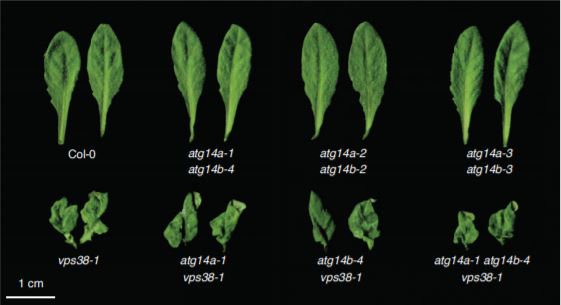
How to Eat One’s Feelings: Autophagy and Phosphatidylinositol 3-Phosphate
Blog, Research, The Plant Cell, The Plant Cell: In BriefMoving around taught me two essential skills, only one being relevant here: how to put up wallpaper, and how critical it is to label boxes to help the moving company drop them at their intended location. Now think of a cell: the boxes are vesicles, their contents are proteins and metabolites, and the…
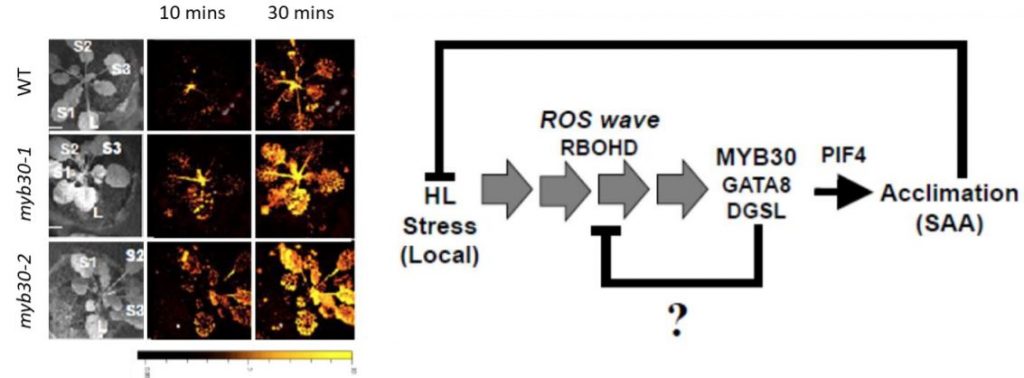
MYB30 links the ROS wave to systemic acclimation
Blog, Plant Physiology, Plant Physiology: News and Views, ResearchAmna Mhamdi
Ghent University, Department of Plant Biotechnology and Bioinformatics, and VIB Center for Plant Systems Biology, 9052 Ghent, Belgium
Address correspondence to [email protected]
Stress signals trigger systemic signaling and acclimation. The propagation of reactive oxygen species…

A DNA Methylation Reader with an Affinity for Salt Stress
Blog, Research, The Plant Cell, The Plant Cell: In BriefHigh levels of soil salinity lead to toxic accumulation of sodium (Na+) and chloride (Cl-) ions in plants, which adversely affect plant growth and yield. Plants use several strategies to cope with salt stress. These include removal and compartmentalization of toxic ions, and maintenance of growth and…
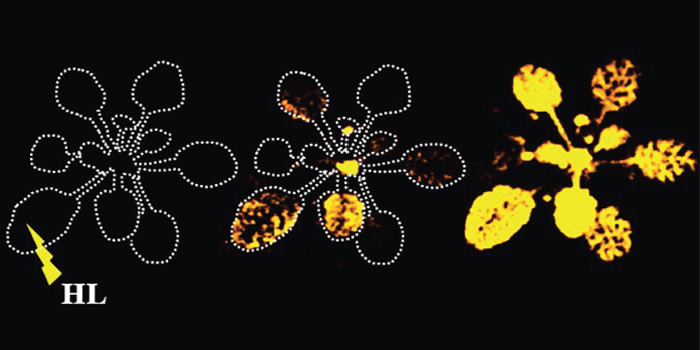
Mapping the Routes of Systemic Signaling in Arabidopsis
Blog, Research, The Plant Cell, The Plant Cell: In a NutshellZandalinas et al. identify the plant tissues that mediate systemic reactive oxygen signaling in response to high-light stress in Arabidopsis. Plant Cell https://doi.org/10.1105/tpc.20.00453
By Sara I Zandalinas and Ron Mittler
University of Missouri, Columbia, MO, USA
Background: Plants constantly…