

Plantae Presents: What to Keep in Mind When Starting in a New Lab
Plantae Presents: What to Keep in Mind When Starting in a New Lab
Featuring Fernando Guzmán-Chávez, Ilian Giordano Ponce-Pineda, Tatsuya Nobori, and Arsheed Sheik
When: Monday, February 23, 2026, at
7:00 AM PST | 10:00 AM EST | 3:00 PM GMT | 11:00 PM Beijing
About this Webinar
Although science is a global endeavor, one can feel overwhelmed when starting in a new lab. A new environment, new culture, a new career stage, all of these can be difficult to navigate through. In this webinar, speakers discuss the challenges that one faces when starting in a new lab. Speakers also talk about practical onboarding tips, some unwritten rules of labs, and suggestions to start your research work smoothly and without feeling burnt out.
Hosted by the 2026 Plantae Fellows.
SPEAKERS
Ilian Giordano Ponce-Pineda
Ilian Giordano Ponce-Pineda Postdoctoral researcher at the Umeå Plant Science Centre (UPSC) with a background in molecular plant biology, focusing on chloroplasts retrograde signaling during early seedling growth. His current research centers on GUN1 (GENOMES UNCOUPLED 1), a key plastid-localized regulator of this pathway in Arabidopsis thaliana. By combining different tools such as tandem mass spectrometry, protein–protein interaction predictions, mutant analysis, and gene expression studies, Dr. Ponce has identified two new candidate interaction partners of GUN1, both also involved in plastid RNA regulation. These proteins show partial functional overlap with GUN1 but also display distinct regulatory roles in plastid gene expression. Dr. Ponce recently presented his work at the New Phytologist Next Generation Scientists 2025, where it received great interest from the international plant research community. Ongoing work now focuses on validating these protein–protein interactions and further unraveling their roles in chloroplast development. Web page: https://www.umu.se/en/staff/giordano-ponce/ | LinkedIn: https://www.linkedin.com/in/giordano-ponce/.
Fernando Guzmán-Chávez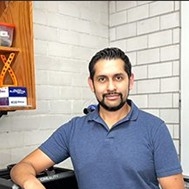
Fernando Guzmán-Chávez is a professor-researcher at the Faculty of Chemistry, UNAM. He completed his undergraduate and master’s studies at UNAM and earned a PhD in Biotechnology and Synthetic Biology from the University of Groningen in the Netherlands. He later held two postdoctoral positions at the University of Cambridge, where he worked on cell-free systems and chloroplast engineering. He joined research groups at UNAM focused on metabolic engineering of actinomycetes and developing novel platforms for vaccine production.
His current research centers on: biosynthetic pathways of bioactive peptides from microorganisms, biological engineering of filamentous fungi for high-value biologics, and the design of low-cost pathogen detection systems using cell-free and CRISPR-Cas technologies. LinkedIn: https://www.linkedin.com/in/fernando-guzman-chavez-8b7376120/.
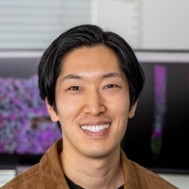 Tatsuya Nobori
Tatsuya Nobori is a Group Leader at The Sainsbury Laboratory (TSL) in Norwich, UK. Originally from Japan, he completed his bachelor’s and master’s degrees at the University of Tokyo and undertook a research internship at CEA Cadarache in France. He received his Ph.D. in 2019 from the Max Planck Institute for Plant Breeding Research in Cologne, Germany, and subsequently carried out postdoctoral research at the Salk Institute in San Diego. He joined TSL in 2024.
His laboratory investigates the molecular and spatiotemporal dynamics of individual cells within the holobiont—the integrated system of a host and its associated microbes—by developing and combining advanced genomics and imaging technologies for studying plant–microbe interactions. Twitter: @nobolly | Bluesky: @tatsuyanobori.bsky.social | Lab website: tatsuyanobori.com.
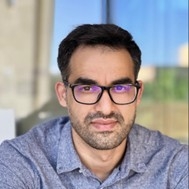 Arsheed Sheikh
Arsheed Sheikh is a molecular plant biologist whose research focuses on plant–microbe interactions and the regulation of plant immunity. He completed his PhD at the National Institute for Plant Genome Research (NIPGR), India, followed by postdoctoral research positions at University of Warwick, UK and King Abdullah University of Science and Technology (KAUST), Saudi Arabia. His work integrates signaling pathways, RNA biology, and epigenetic regulation to understand how plants respond to nutrient and biotic stress. He is currently an Assistant Professor at Utrecht University, where his research and teaching explore molecular mechanisms underlying plant immunity and adaptation. Twitter: @ArsheedSheikh | LinkedIn: https://www.linkedin.com/in/arsheed-h-sheikh-86679b24/.
MODERATORS
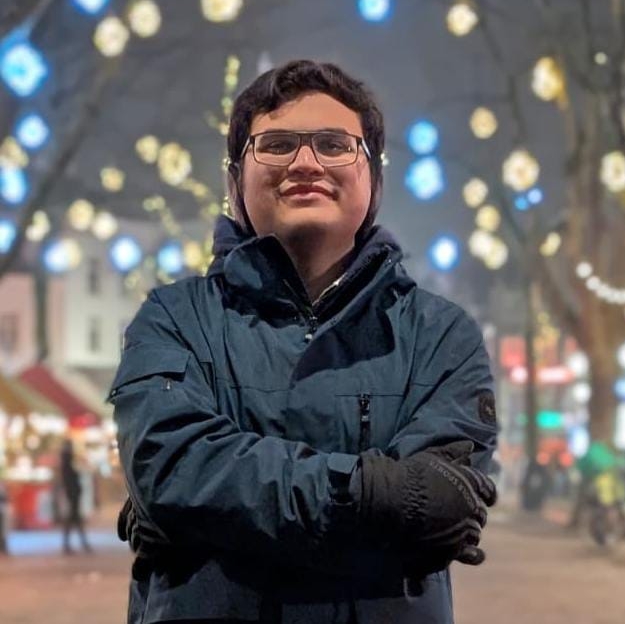 Atharv Ambekar
Atharv Ambekar is a second-year PhD student at the Swammerdam Institute of Life Sciences (SILS) in University of Amsterdam (UvA). His current research focusses on the metabolic dialogue between plants and microorganisms in the rhizosphere, and its role in orchestration of biotic interactions in the rhizosphere. Owing to his prior research, he is also interested in Plant Pathogen interactions, effector biology, and evolutionary origins of pathogenicity. X: @AtharvAmbekar2 | Bluesky: @atharvambekar2.bsky.social.
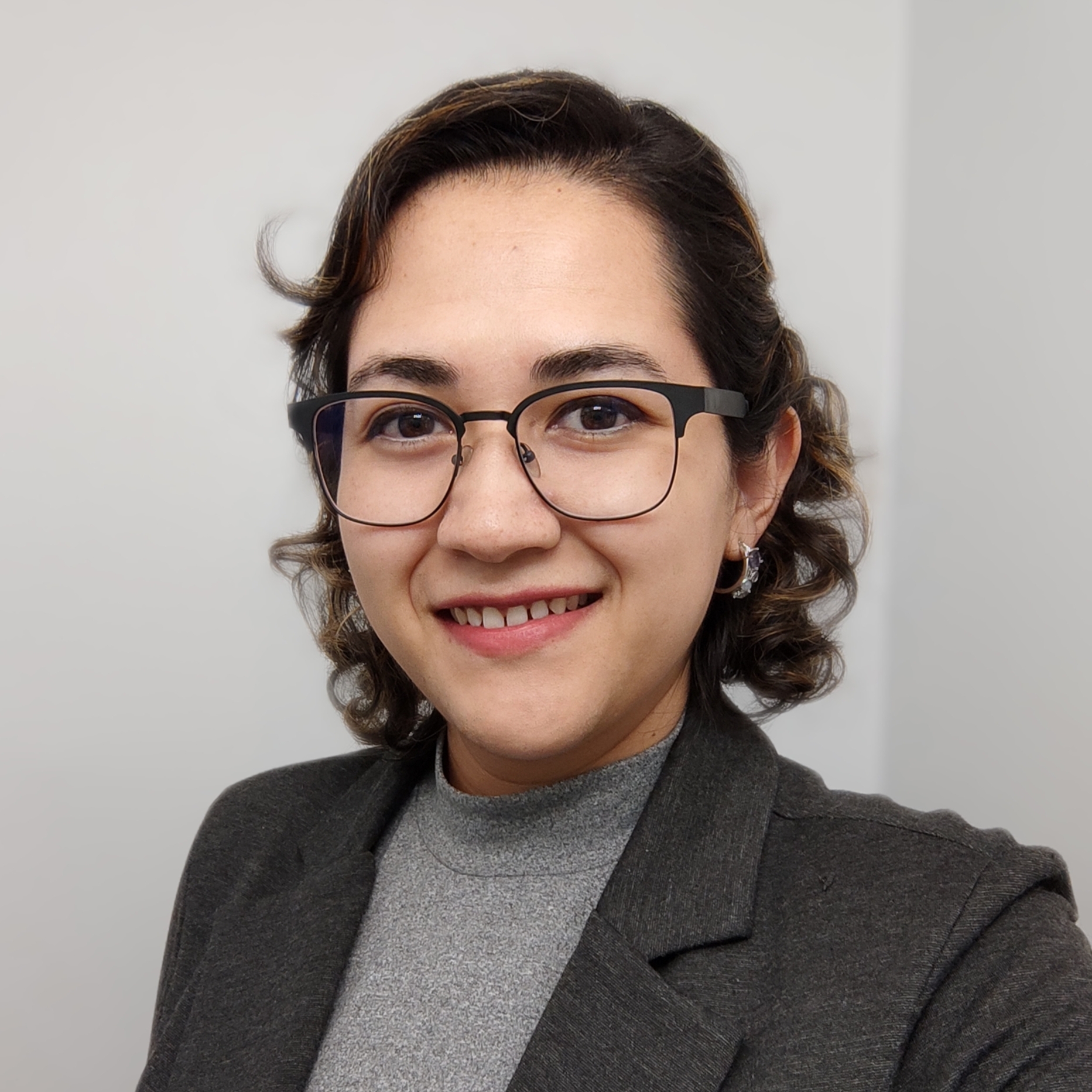
Montserrat Lopez-Coria
Montserrat Lopez-Coria is a Plant biology researcher with experience in industry and academia. She is passionate about science communication and education and is excited to contribute to the Plantae Fellows Program by creating accessible resources that connect diverse audiences with plant science. Bluesky:@m-lc.bsky.social | LinkedIn: https://www.linkedin.com/in/montserrat-lc/.

