
Plantae Presents: The Role of Open Science and Data Sharing in Advancing Plant Research
Plantae Presents: The Role of Open Science and Data Sharing in Advancing Plant Research
Featuring Kejing Fan, Claire Yik-Lok Chung, and Vittorio Tracanna
When: Monday, August 18, 2025, at
9:00 PM Tokyo | 8:00 AM EDT | 1:00 PM BST | 8:00 PM Beijing
About this Webinar
The accessibility of scientific data facilitates the reproducibility and further development of research. The rapid advancement of technologies enables the prevalence of multi-omic research, which involves a massive amount of data. The deposition, access, and integration of data will impact its usability. This webinar will discuss open science and data sharing in the context of plant science from different perspectives, including research, teaching, data management, and entrepreneurship. Researchers specialized in various aspects, including molecular biology, bioinformatics, and data management, will share their insights on the topic. By understanding the different expectations and needs, we hope to explore the potential and synergy of open science and data sharing.
Hosted by the 2025 Plantae Fellows.
SPEAKERS
Kejing Fan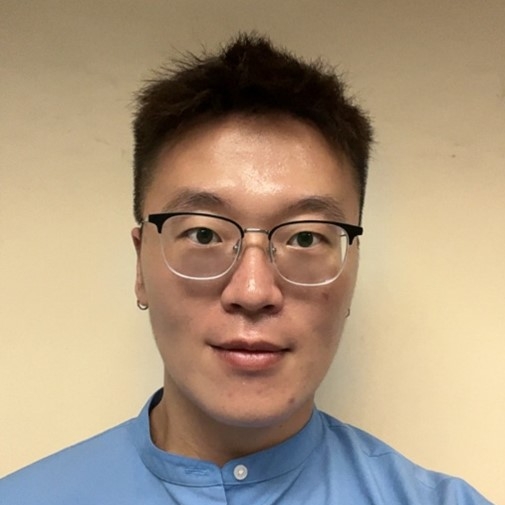
Dr. Kejing Fan is a Postdoctoral Fellow at State Key Laboratory of Agrobiotechnology (The Chinese University of Hong Kong). He received a BA in Horticulture with honors from the Jilin University and PhD degree in Molecular Biotechnology from The Chinese University of Hong Kong. Dr. Fan’s research focuses mainly on how non-coding RNAs, especially microRNAs, control soybean growth and the symbiosis with rhizobium.
 Claire Yik-Lok Chung
Dr. Claire Yik-Lok Chung obtained her PhD degree from The Chinese University of Hong Kong. She then moved to Japan for her post-doctoral research. She is now a Genomic Specialist at Hokkaido University and a Senior Agro Data Scientist at ListenField, an AgTech startup bridging genomics and agriculture through AI. Her PhD research focused on genome construction and large-scale structural variant analysis in soybean. Passionate about open science, she works at the intersection of genomics and data-driven agriculture, advocating for the effective use of public data and open tools to advance both scientific discovery and societal impact.
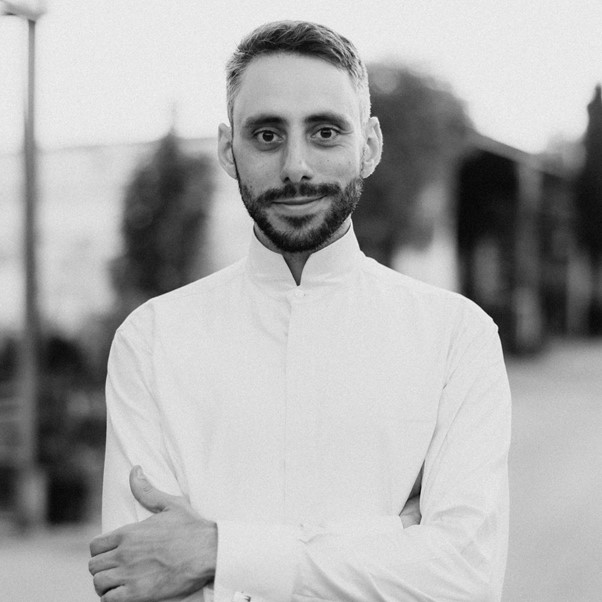 Vittorio Tracanna
Dr. Vittorio Tracanna holds a BSc in Biotechnology and an MSc in Bioinformatics from Wageningen University the Netherlands where he also completed his PhD in bioinformatics focusing on data analysis and software development for studying plant-associated microbial ecology and the role of suppressive soils against fungal plant pathogens. He continued as a postdoctoral researcher in microbial evolution investigating the nuclear organization of the Verticillium dahliaegenome. Currently he is an Academic Expert in Data Science and Data Management at CEPLAS (Cluster of Excellence on Plant Sciences) where he supports research teaches and organizes workshops on data science and data management.
MODERATORS
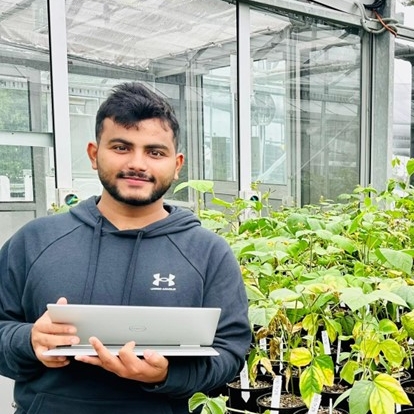 Krishna Alamuru
Krishna is a PhD candidate at the University of Southern Queensland, based at the Centre for Crop Health. His research focuses on disease resistance in mungbean, combining genome-wide association studies (GWAS), host range evaluation, and pathotyping of Curtobacterium flaccumfaciens and powdery mildew pathogens. He integrates field trials, controlled-environment experiments, and molecular diagnostics to identify resistance loci and support breeding efforts through genomics.
He is a Plantae Fellow with the American Society of Plant Biologists and co-leads Plantgenomia, an international initiative dedicated to fostering collaboration and knowledge exchange in plant science. Krishna enjoys traveling, gardening, and connecting with nature, which continuously fuel his curiosity and passion for agricultural research. X: @alamuru_krishna | LinkedIn: http://linkedin.com/in/alamuru02.
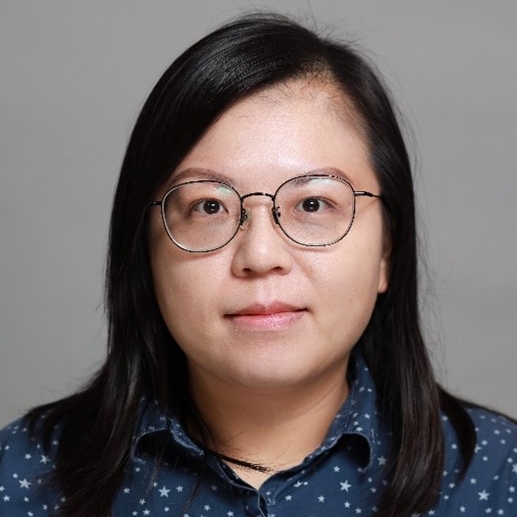
Yee-Shan Ku
Yee-Shan obtained her PhD degree from The Chinese University of Hong Kong (CUHK), majoring in Molecular Biotechnology. She is interested in comprehending life sciences at the molecular level. She is trained as a plant molecular biologist, carrying out functional studies on genes including those involved in signal transduction, hormonal regulation, and metabolite transportation. She is now a post-doctoral researcher at School of Life Sciences and Centre for Soybean Research of the State Key Laboratory of Agrobiotechnology (CUHK). Equipped with the capacity to study genes of different functions, her research focuses on plant-microbe interaction including the investigation on plant-interacting microbes and plant traits that facilitate the interaction. In addition to molecular biology, she also steps out of the laboratory to carry out field research. She enjoys research as well as scientific writing. X: @YeeShanKu1.
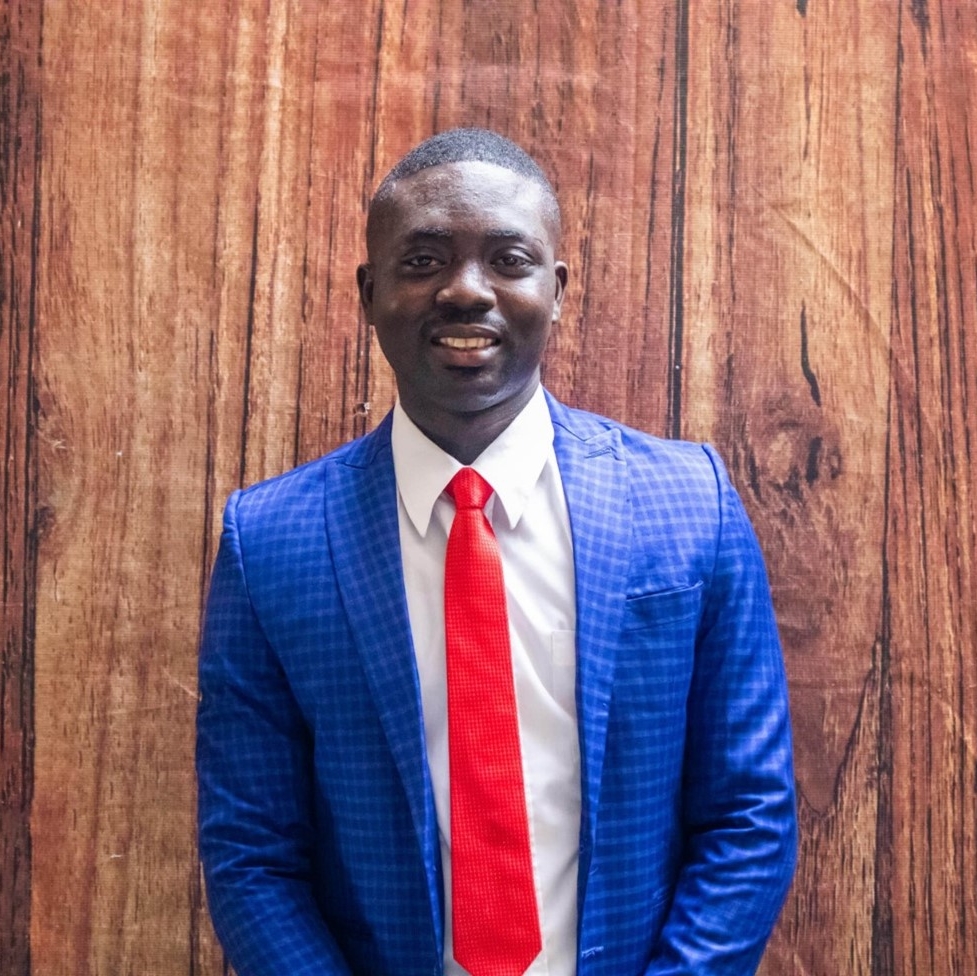
Nathaniel Oragbon
Nathaniel holds a bachelor’s from the University of Ibadan, Nigeria and he is currently a graduate student of Heinrich Heine University Düsseldorf, Germany and a member of Cluster of Excellence on Plant Sciences (CEPLAS) Graduate School, Germany. His previous research focused on plant-nematode interactions and insect-nematode interactions. Nathaniel is passionate about science communication and looks for opportunities to further develop this skill. In his free time, he loves to travel, and especially to see and learn about sea life. He also enjoys both watching and playing soccer. X: @NathanIgwe.
Ved Prakash
Ved is originally from Varanasi, India. He holds a Master’s degree in Applied Microbiology from Banaras Hindu University (BHU) and earned his Ph.D. from Jawaharlal Nehru University (JNU), India, under the supervision of Prof. Supriya Chakraborty. Ved’s research interests center around plant-virus-vector interactions, with a strong focus on understanding the molecular and ecological dynamics of virus transmission.
Currently, he is a postdoctoral fellow at The Ohio State University, working with Dr. Jennifer Wilson and Dr. Erik Ohlson. His research explores the seed transmission of High Plains wheat mosaic virus (HPWMoV) and Wheat streak mosaic virus (WSMV), focusing on their localization within seeds and the impact of co-infection on maize development.
Beyond the lab, Ved enjoys birdwatching and astrophotography, combining his passion for nature and science through the lens. X:@vedjiwan.

