
Plant Physiology Spotlights November and December 2024 First Authors
Behind the Plant Physiology manuscripts are researchers, professors, professionals and students dedicated to advancing the field of plant science. You’ve seen our First Authors on Bluesky, Facebook, and Twitter — now, read more about why they chose to pursue plant sciences and click on the links below to read their articles.
 Joaquin Felipe Roca Paixão
Joaquin Felipe Roca Paixão is the First Author of Epigenetic control of T-DNA during transgenesis and pathogenesis published 05 November 2024. Paixão is a former Post-doc at CNRS, and is open to opportunities! Education background includes:2018 Ph.D in Biotechnology at Universidade de Brasilia; 2013 MsC in Plant Biology at Sorbonne Universités, Paris 6; 2011 BsC in Biology at Sorbonne Universités, Paris 6. Research interests include Epigenetics, Plant biotech, and Response to stress. Personal interests include Surfing, Cultures, Travel, and video games.
“I became interested in plant science for its plasticity concerning genetic studies.
I love plant science because it is a wide Universe with different concerns, but at the same time, several similarities with other living beings, somehow set aside by our egocentric humanistic points of view.”
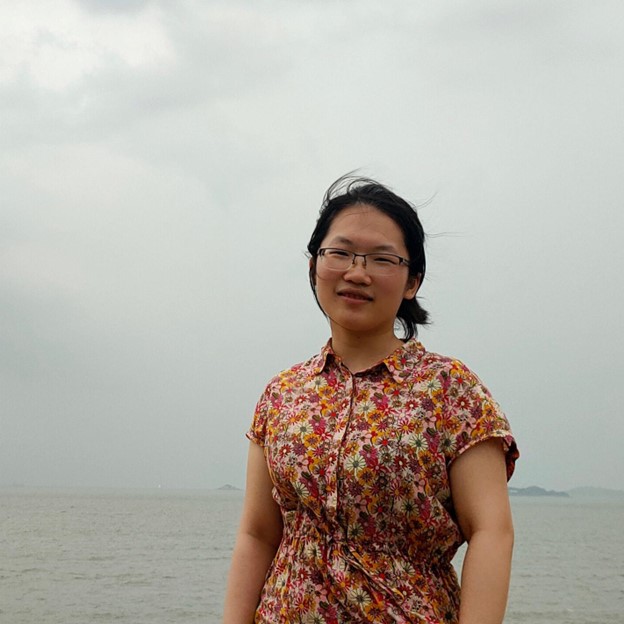 Liuyang Chu
Liuyang Chu (she) Is the First Author of Association of the benzoxazinoid pathway with boron homeostasis in maize published 08 November 2024. She is a PhD student at University of Bonn. Education background includes: 2021 Master of Agriculture, Plant Nutrition at Huazhong Agricultral University. 2018 BSc, Biotechnology at Huazhong University of Science and Technology. Research interests include Boron homeostasis. Personal interests include Reading, hiking, and crocheting.
“During my childhood, most of my spare time was spent in the vegetable garden and the woods, so it’s natural to get interested in botany.”
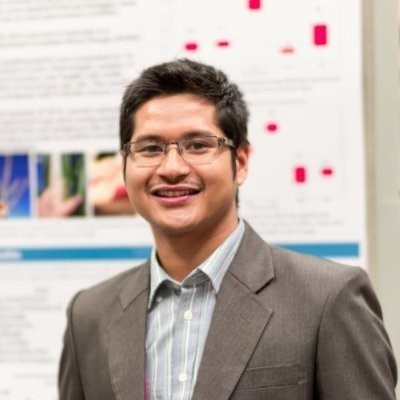 Vivek Shrestha
Vivek Shrestha (he/him) is the First Author of Association of the benzoxazinoid pathway with boron homeostasis in maize published 08 November 2024. He is a Genome Design Scientist at Bayer Crop Science, Chesterfield, MO, USA. Education background includes:Ph.D. Division of Biological Sciences, University of Missouri, Columbia, MO, USA; M.Sc Department of Biology and Microbiology, South Dakota State University, Brookings, SD, USA; B.Sc Agricultural Sciences, Tribhuvan University, Nepal. Research interests included deciphering the genetic basis of complex traits.Personal interests include playing soccer, music, reading ,and travelling.
“I came from a farming family in Nepal and agriculture has always been personal part of my life since my childhood. I was interested in plant biology more than physics and chemistry in my high school which led me to choose agriculture and plant science as my professional career. However, my passion for plant science, particularly plant genetics and breeding, got more intensified once I joined CIMMYT after my undergraduate and work in rural areas of Nepal. There, I saw firsthand how improved seeds and proper farming techniques were crucial in enhancing the livelihoods of smallholder farmers. This experience inspired me to further my education at South Dakota State University, where I completed my MS in Plant Biology with a focus on corn genetics. My commitment to this field has remained steadfast, and today, I continue this journey with Bayer, driven by an even greater mission: “Health for ALL, Hunger for None.”
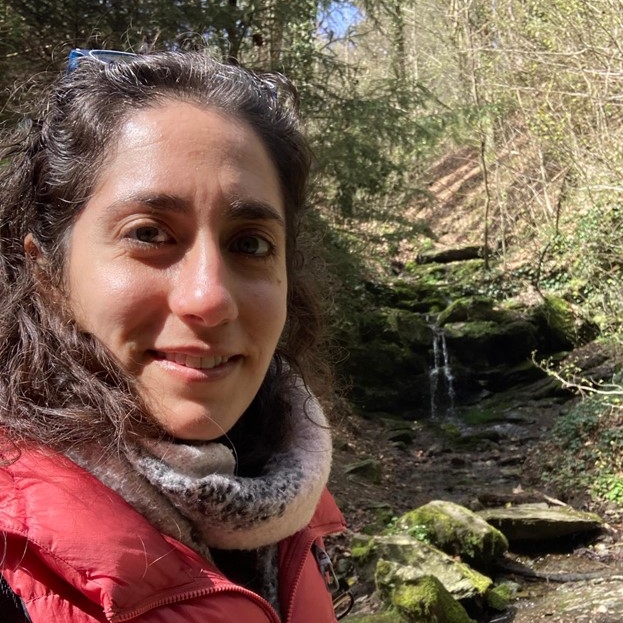 Dekel Cohen Hoch
Dekel Cohen Hoch is the First Author of Osmotic stress in roots drives lipoxygenase-dependent plastid remodeling through singlet oxygen production published 05 November 2024. Hoch is a Postdoc at Institute of Science and Technology Austria.
Education background includes:2023 PhD on Cell/Cellular and Molecular Biology of plants at the Weizmann Institute of Science; MSc in Plant Molecular Biology Tel Aviv University in 2017; BSc in Biology Tel Aviv University 2016. Research interests include Defense reactions in plants, signal transduction, and cellular biology in plants. Personal interests include writing poetry, pilates, and languages.
“I am excited to share my journey in choosing plant sciences and my aspirations for my future career. My journey began with a strong sense of curiosity. From high school, I knew I wanted to pursue a degree in life sciences because I was always fascinated by how the world works, the mechanisms behind various phenomena, and the logic that underpins them.
During the first year of my BSc in biology, only basic courses such as chemistry, mathematics, and physics were taught, and I missed biological courses. It was then that I took a biotechnology course focused on plants, where I encountered plant researchers for the first time. They introduced me to fascinating concepts, such as preventing self-fertilization machinery, regulating the hormone auxin via AUX/IAA, and inserting genes into the mitochondrial genome using a gold particle gun technique. These topics were entirely new and captivating, prompting me to start a project in plant science, which eventually led to pursuing a master’s degree.
In my master’s studies, the most valuable lesson I learned was handling the frustrations of failed experiments. By the end of my master’s degree, I knew that research suited me, that I could manage setbacks, and that discovering something new was worth the challenges. This realization led me to pursue a PhD and turn research into my profession. My passion for plants was a significant factor in choosing this field for specialization. Additionally, I sought a unique niche and decided to focus on active oxygen derivatives. These small molecules intrigued me because of their significant impact on their environment, the unique methods to study them, and the oxygen’s dual role in providing energy and posing risks.
The journey through my PhD was a fascinating and educational period. As I embark on the next career phase, I aim to broaden my research scope, integrating biochemistry, physics, mathematics, and computer science perspectives. I aim to become a plant researcher with a comprehensive field view.”
Tianen Zhang
Tianen Zhang (he) is the First Author of The E3 ubiquitin ligase COP1 and transcription factors HY5 and RHD6 integrate light signaling and root hair development published 19 November 2024.Zhang is a Doctoral student in Institute of Cotton Research, Chinese Academy of Agricultural Sciences.
Education background includes: 2024 Doctoral student in Institute of Cotton Research, Chinese Academy of Agricultural Sciences; 2021 MSc Agriculture Shandong Agricultural University ; 2018 BSc Agriculture Henan University of Science and Technology.
Research interests include Plant development; Light signaling; Plant hormone signaling. Personal interests include Mountaineering; Table tennis.
“Nature is full of magical colors, there are many strange differences between biological individuals, the exploration of biological science is interesting and full of challenges, perhaps our scientific discoveries will one day have a positive effect on human life and survival, which is my greatest motivation for science, especially for plant science research.”
 Ousmane Dao
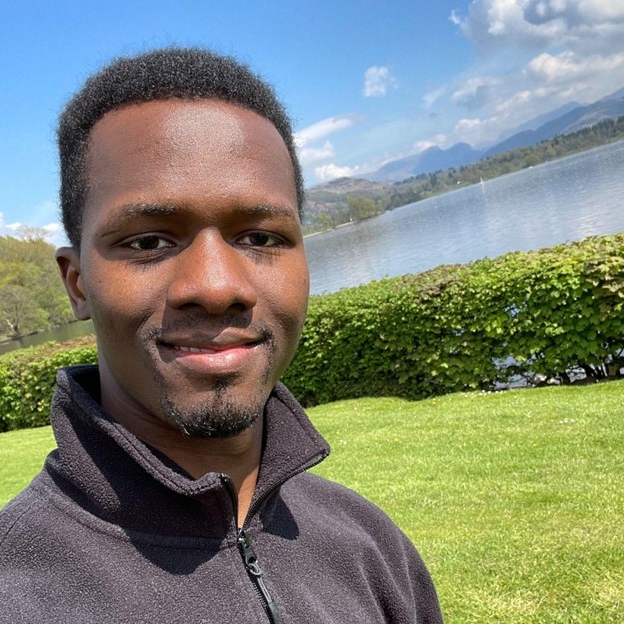
Ousmane Dao is the First Author of Cyclic and pseudo-cyclic electron pathways play antagonistic roles during nitrogen deficiency in Chlamydomonas reinhardtii published 19 November 2024.Dao is a Postdoctoral research associate at the University of York.
Education background includes: 2024 Ph.D Plant Biology at Aix-Marseille University; 2019 Msc in Plant Sciences at University Paris Saclay; 2017 BSc Microbial Biotechnologies. Research interests include Photosynthesis, carbon metabolism. Personal interests include Football.
Yonghua Li-Beisson inspires and mentors Ousmane Dao.
 Chenli Zhu
Chenli Zhu (he/him) is the First Author of WD40 protein OsTTG1 promotes anthocyanin accumulation and CBF transcription factor-dependent pathways for rice cold tolerance published 26 November 2024. He is a Postdoctoral Researcher at Guangxi Academy of Agricultural Sciences. Education background includes: 2021 Ph.D Biochemistry and Molecular Biology at Chinese Academy of Agricultural Sciences, 2017 MSc Cell Biology at Hebei Normal University, 2013 BSc Biotechnology at Jining Medical University.
Research interests include Cell signaling, Plant hormones, Plant growth and development, Abiotic stress. Personal interests include Basketball, Movies, Astronomy.
“In 2014, I joined the Key Laboratory of Molecular and Cell Biology at Hebei Normal University under the mentorship of Professor Ying Sun and Shengwei Zhang. There, I began systematic training and research on the model plants Arabidopsis thaliana and rice, which sparked my strong interest in exploring the molecular mechanisms underlying plant growth and development.”
 Jiaxu Wu
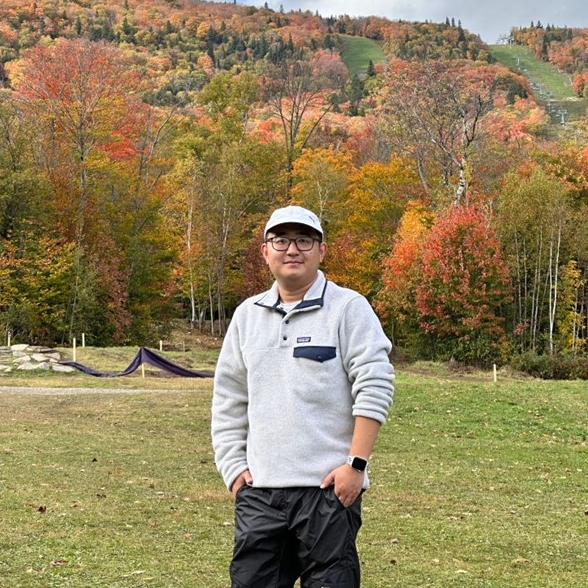
Jiaxu Wu (he/him) is the First Author of Refinement of the Brassica napus NLRome using RenSeq published 28 November 2024. Wu is a PhD candidate at Université Laval.
Education background includes: 2019-2022 MSc in Agricultural Sciences at Memorial University of Newfoundland; 2014-2018 BSc in Horticulture at Henan University of Science and Technology. Research interests include Plant pathology, Abiotic stress, Bioinformatics.
Personal interests include Hiking, Squash, Running.
“I became interested in plant science when I enrolled in the Horticulture department during my undergraduate. How to enhance crop yield in the face of climate change and a growing population is an important topic in plant science. Currently, I am working with Prof. Edel Pérez-López, and my lab focuses on understanding the clubroot resistance in canola through a multidisciplinary approach encompassing genetics, biochemistry, and bioinformatics. Our primary objective is to assist the Canadian canola industry in effectively managing clubroot disease while maintaining sustainability.”
Anita Ament
Anita Ament (she/her)is the First Author of Amide conjugates of the jasmonate precursor cis-OPDA regulate its homeostasis during plant stress responses published 28 November 2024.
She is a PhD candidate at Laboratory of Growth Regulators, Palacky University and Institute of Experimental Botany of the Czech Academy of Sciences. Education backlgrouynd includes: 2020 MSc in Biology at Josip Juraj Strossmayer University of Osijek; 2018 BSc in Biology at Juraj Strossmayer University of Osijek. Research interests include Plant hormone metabolism, abiotic and biotic stress.Personal interests include Nail art, folk dance, board games.
“Growing up in a small agricultural village in Croatia, I was surrounded by nature and saw firsthand the daily challenges local farmers face, including the impacts of climate change. These experiences inspired me to pursue plant science, hoping that my work will deepen our understanding of how the plant functions and, perhaps one day, contribute to reprogramming plant growth and bolstering their defenses against biotic and abiotic stresses – ultimately providing meaningful benefits to agriculture.”
 Nannan Zang
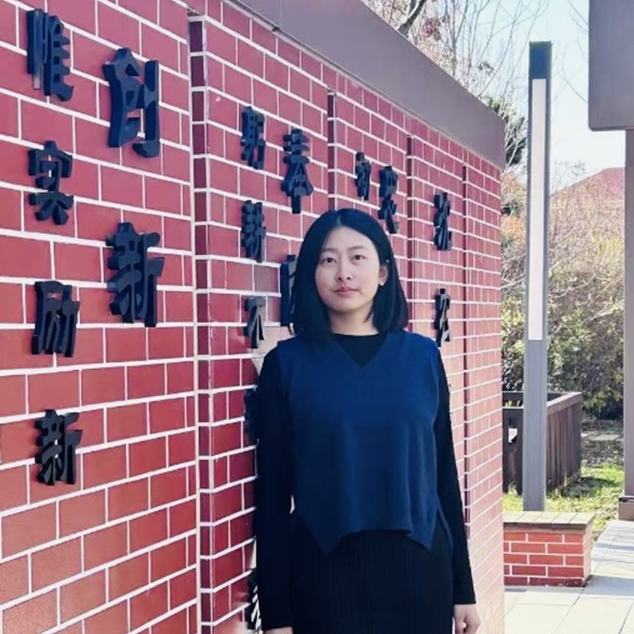
Nannan Zang (her) is the First Author of PuNAC37/PuWRKY74 and E3 ubiquitin ligase PuRDUF2 inhibit volatile ester synthesis in ‘Nanguo’ pear published 28 November 2024.
Zang is a Candidate PhD. Student, Shenyang Agricultural University, China. Education background includes: 2019.9-2021.6 Master, Pomology, Shenyang Agricultural University; 2015.9-2019.6 Bachelor, Grassland Science, Shenyang Agricultural University. Research interests include Fruit ripening and fruit quality. Personal interests include Reading, Movies, and Taekwondo.
“I was a postgraduate joined to the key laboratory of fruit postharvest biology of Shenyang Agricultural University in 2019 under the supervisor of Professor Aide Wang. Due to the excellent academic performance, I got the opportunity to doctoral studies in advance. Under the guidance of Professor Aide Wang and Associate Professor Zepeng Yin, I was mainly focused on the formation and regulation of fruit aroma. We found that transcription factors PuNAC37 and PuWRKY74, as well as an E3 ubiquitin ligase PuRDUF2, negatively regulate the transcription level and protein stability of alcohol acyltransferase PuAAT1, inhibiting the synthesis of volatile ester aroma during fruit storage. I will continue to explore mechanisms of the aroma formation in climacteric fruits, hoping to discover more exciting stories about fruit aroma quality.”
Xiaojing Li
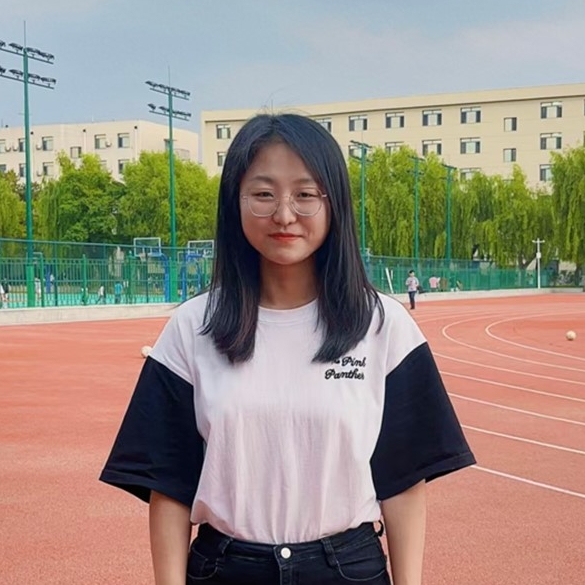
Xiaojing Li is the First Author of PuNAC37/PuWRKY74 and E3 ubiquitin ligase PuRDUF2 inhibit volatile ester synthesis in ‘Nanguo’ pear published 28 November 2024.LI is a Research Intern, Research Institute of Pomology, Chinese Academy of Agricultural Sciences, China.
Education background includes: 2020.9-2023.6 Master, Pomology, Shenyang Agricultural University 2016.9-2020.6 Bachelor, Horticulture, Shanxi Agricultural University.
Research interests include fruit quality formation and regulation. Personal interests include Cycling, Badminton.
“In 2020, I was fortunately joined the key laboratory of fruit postharvest biology of Shenyang Agricultural University, for my master’s degree under the supervisor of Associate Professor Zepeng Yin. During the graduate, I was focused on the mechanism of fruit aroma formation. In this study, we discovered that 1-MCP plays a role in the molecular mechanism of volatile ester synthesis in Nanguo pear through transcription factors PuNAC37/PuWRKY74 and E3 ubiquitin ligase PuRDUF2. In the future, we will continue to explore the biological functions of upstream transcription factors, elucidate the regulatory effects and mechanisms of fruit development and postharvest environmental factors on fruit tree quality, and conduct research on fruit tree quality formation and regulation at the genetic and epigenetic levels.”
 Soham Mukhopadhyay
Soham Mukhopadhyay (He/Him)is the First Author of Refinement of the Brassica napus NLRome using RenSeq published 28 November 2024. He is a Postodoctoral fellow at Université Laval, Canada. Education background includes:2022 Ph.D at Institute of Plant Genetics, Polish Academy of Sciences, Poland ; 2015 Msc in Biotechnology at St. Xavier’s College Kolkata, India. Research interests include Plant-pathogen interactions, genomics, transcriptomics, effector biology. Personal interests include Tech enthusiast, Aquascaping.
“My passion for plant science began with my introduction to the fascinating hobby of aquascaping. This practice involves cultivating aquatic plants in aquariums by carefully managing light, fertilizers, and CO2 levels. Experimenting with different parameters and observing the plants thrive sparked my curiosity and inspired me to pursue a career in plant science to unravel the mysteries of these remarkable photosynthetic organisms. My interest deepened as I explored plant immunity, a field that offers a way to study the evolutionary arms race between hosts and pathogens.”
 Mikel Lavilla-Puerta
Mikel Lavilla-Puerta (he/him) is the First Author of Designed to breathe: synthetic biology applications in plant hypoxia published 02 December 2024. He is a Postdoctoral Research Assistant at Oxford University. Education background includes: 2022 Ph.D in Agrobiosciences at Scuola Superiore Sant’Anna / 2018 MSc in Industrial and Environmental Biotechnology at Complutense University of Madrid / 2016 BSc in Biology at Complutense Univesrity of Madrid. Research interests include Synthetic Biology, Oxygen, Plant Physiology Personal interests include Reading, Music.
“I come from a rural area where agriculture and natural spaces coexist. First, I loved Botany during my BSc; identifying different species and understanding their habitats. Eventually, I shifted my curiosity towards the agricultural field, and how I, as a biologist, could find if not solutions, at least explanations on what was happening. There is beauty in the complexity of plant regulatory mechanisms, and I love the idea of finding the essential components orchestrating specific responses.
I have been lucky to have exceptional professors during my Undergrad studies, and supervisors that have fed my curiosity towards science during my PhD and further. During my bachelor I had excellent Plant Physiology professors that imbued me with passion for this topic. I eventually shifted towards synthetic biology and orthogonal systems, becoming more interested about how plants deal with low oxygen.”
Dong Danhui
Dong Danhui (She/her) is the First Author of Transcription factor SlSTOP1 regulates Small Auxin-Up RNA Genes for tomato root elongation under aluminum stress published 29 September 2024. She is currently at China Agriculture University. Education background includes: 2019 China Agriculture University, Olericulture Ph.D. candidate; 2015 Shenyang Agriculture University, Horticulture, Bachelors. Research interests include plant abiotic stress. Personal interests include singing, running.
“Plants are complex organisms with unique physiological processes, such as photosynthesis, which is the basis for life on our planet. Understanding these processes at a molecular level is not only scientifically intriguing but also essential for developing strategies to improve crop yields and sustainability.”
 Pei-Cheng Huang
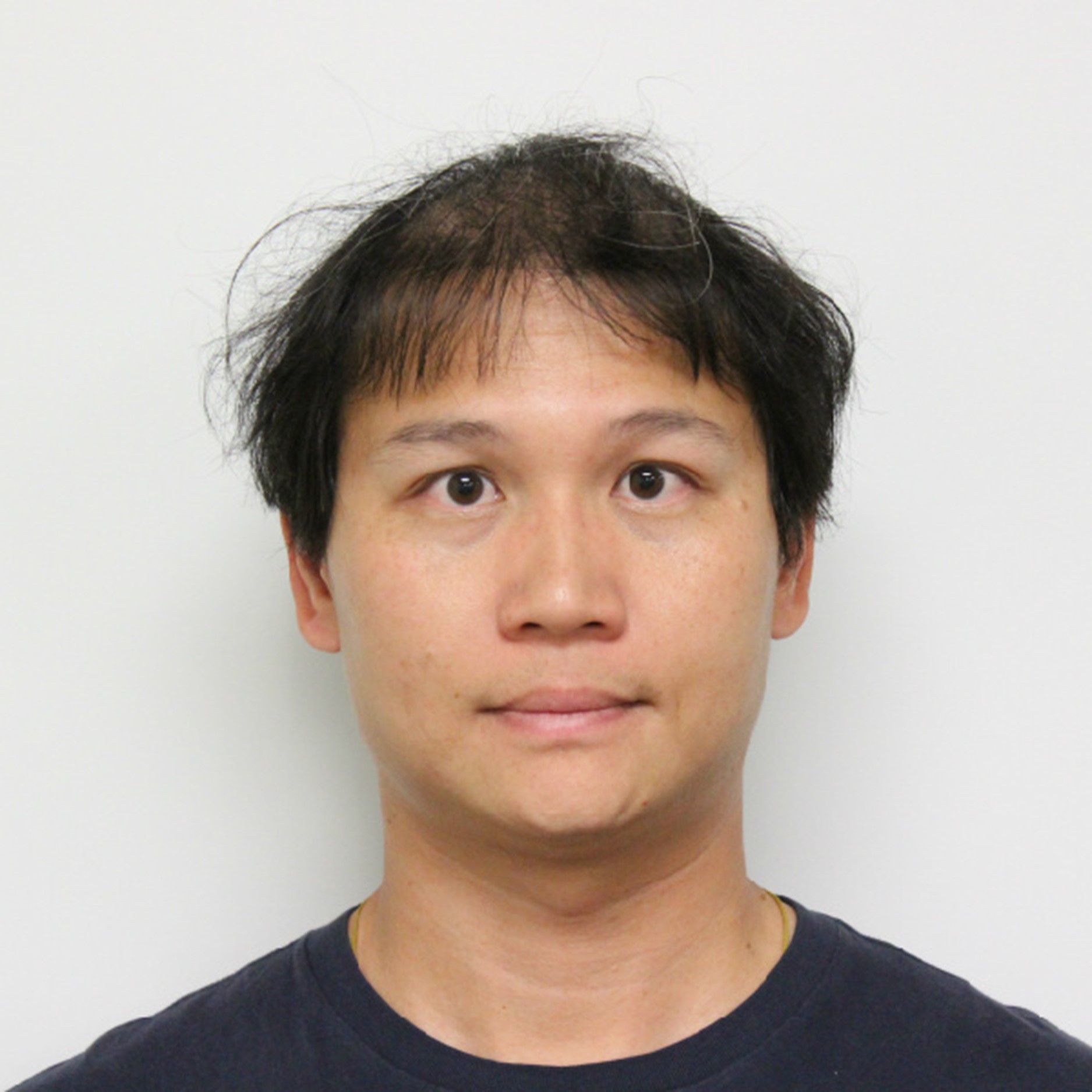
Pei-Cheng Huang is the First Author of Pentyl leaf volatiles promote insect and pathogen resistance via enhancing ketol-mediated defense responses published 10 December 2024. Huang is currently doing Postdoctoral Research Associate at Texas A&M University.
Education background includes: 2017 Ph.D. Plant Pathology and Microbiology at Texas A&M University, 2008 M.S. in Plant Biology at National Taiwan University, 2006 B.S. in Life Science at National Chung Hsing University. Research interests include Plant-Microbe Interaction, Insect Resistance, Abiotic stress, Lipoxygenase. Personal interests include Running, Volleyball, and Basketball.
“I love plant science with special interests in plant-microbe and plant-insect interactions!”

Arnaud Dannfald
Arnaud Dannfald (he/his) is the First Author of Plant response to intermittent heat stress involves modulation of mRNA translation efficiency published 17 December 2024. He is a Postdoctoral fellow at LGDP, Perpignan University. Education background includes:2023 PhD Plant Biology at Perpignan University; 2020 Double MSc degree in Plant Biology and Biotechnology at Bordeaux University and Pontifical Catholic University of Chile; 2018 Bsc in Plant Biolgy at Bordeaux University. Research interests include co-translational decay, translation, tRNA (modifications), and heat stress. Personal interests include cooking, dancing, music, zetetic, and politics.
“I began my biology studies at the University of Bordeaux, in a very dynamic scientific environment. I quickly focused on plant biology for two main reasons: after a practical session where we had to dissect a live mouse, I quickly realized that I wasn’t cut out for animal biology, and secondly, because I think plants are really astonishing organisms. I continued my studies with a Master’s degree between the University of Bordeaux and the Pontifical Catholic University of Chile in Santiago. It gave me my first opportunity to travel for science, expand my network, and discover new areas of research. I had the chance to start a project in the Plant Systems Biology Lab (Dr. Rodrigo Gutierrez) at the interface between nitrogen nutrition and epitranscriptomic modifications in Arabidopsis. This would be a key field for my Ph.D.
Then I went back to France to start a Ph.D. focused on the role of tRNA epitranscriptomic modifications dynamics and translational regulation in response to heat stress and plant memory (I told you that plants are incredible organisms; they have evolved memory capacities!) in Arabidopsis at the LGDP (Laboratoire Génome et Développement des Plantes) at the University of Perpignan, under the supervision of Dr. Jean-Marc Deragon and co-supervised by Dr. Jean-Jacques Favory. This Ph.D. has been a key experience for my research career as I developed many skills in molecular biology (from the wet lab to in silico analysis). Indeed, my research was fueled by the integration of many -omics analyses (from transcriptome and translatome to epitranscriptome), an approach that, I’m convinced, will be necessary in the future of molecular biology to properly understand the complex regulatory networks in complex organisms such as plants.
I successfully completed my Ph.D. in November 2023. Since then, I have decided to pursue a one-year postdoc in the same laboratory (LGDP) to work on a side project developed during my Ph.D. In this project, we focused on the crucial role of a key tRNA modification in decoding specific codons and the impact of this modification on protein production in Arabidopsis. In the following years, I intend to pursue another postdoc, where I hope I will still be able to combine wet lab and in silico analysis and share my research with the scientific community.
I am also very interested in sharing knowledge, both with my peers and with the general public. I think that nowadays it is of paramount importance for the scientific community to closely interact and share its knowledge with as many people as possible. I enjoy running workshops and meeting students to talk about science.
 Jitka Široká
Jitka Široká (she/her) is the First Author of Amide conjugates of the jasmonate precursor cis-OPDA regulate its homeostasis during plant stress responses published 28 November 2024. She is a Research Scientist at Laboratory of Growth Regulators, Palacký University and Institute of Experimental Botany of the Czech Academy of Sciences, Olomouc, Czech Republic.
Education background includes: 2015 postdoc Laboratory of metabolomics, Palacký University and University hospital Olomouc, Czech Republic; 2013 Ph.D. Pharmaceutical analysis Charles University in Prague, Czech Republic; 2007 MSc Pharmacy, Charles University in Prague, Czech Republic. Research interests include plant hormones, metabolomics, and mass spectrometry. Personal interests include hiking, skiing, travelling, and art.
“I became interested in plant science through my work in plant hormone analysis. I am passionate about this field due to the incredible diversity and ingenuity of plants and the numerous questions waiting to be answered. My colleagues in plant science, as well as those in other scientific fields e.g., metabolomics and drug analysis, inspire me.
I was drawn to science because it is creative and international, and when your experiments work, it is just beautiful.”
 João Guilherme Portugal Viei
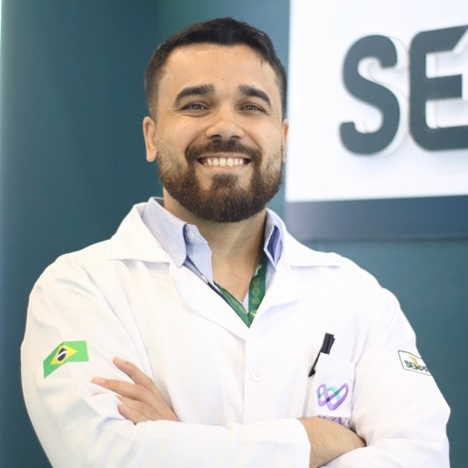
João Guilherme Portugal Vieira (he/him) is the First Author of Regulation of abscisic acid receptor mRNA stability: involvement of microRNA5628 in PYL6 transcript decay published 21 December 2024. He is a Researcher in Molecular Biology at SEMPRE AgTech.
Education background includes: 2019: Doctor of Philosophy (Ph.D.) in Genetics and Molecular Biology, University of Campinas (Unicamp), Brazil. 2014: Bachelor of Science (B.Sc.) in Biological Sciences, State University of Southwest Bahia (UESB), Brazil.
Research interests include Plant stress response, ABA signaling, post-transcriptional regulation, homeostasis, and abiotic stress.. Personal interests include Running, practicing Jiu Jitsu, and a fan of Clube de Regatas do Flamengo.
“My interest in plant science began early, inspired by a moment in the first Jurassic Park movie, when I saw the scene where scientists filled in the gaps in dinosaur DNA with frog genes. The idea of manipulating and understanding genetic information sparked my curiosity. Later, during my undergraduate studies, I had the privilege of learning from a professor who truly ignited my passion for genetics. His ability to break down complex topics into simple steps was both inspiring and motivating. He worked with the genetics of passionfruit plants, and the beauty of Passiflora flowers only deepened my love for molecular biology and genetics. What fascinates me about plant science is understanding how these sessile organisms develop mechanisms to cope with adversity, balancing stress responses with growth. It’s incredible to explore the resilience of plants, and how they manage to maintain equilibrium when the scales tip too far in one direction.”