

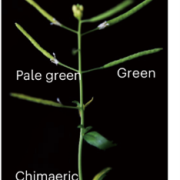
Targeted A-to-G base editing of chloroplast DNA in plants
Plant Science Research WeeklyThe chloroplast has its own genome which encodes proteins needed for chloroplast function. Editing these genes via CRISPR-Cas9 is difficult due to challenges in targeting guide RNAs to the chloroplast. Instead, base editors can be used, but these were originally developed for cytosine to thymine edits…

A successful genetic transformation procedure for turnip
Plant Science Research WeeklyGenome editing has strong potential for crop improvement, but its application is restricted by low plant regeneration frequencies and genotype dependencies. Despite its agricultural significance, research on turnip (Brassica rapa var. rapa) is hindered by a low efficiency of transformation and shoot…
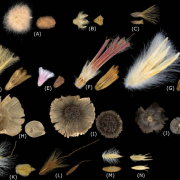
Flash flaming enhances mechanized seed sowing for ecological restoration
Plant Science Research WeeklyOne of the main challenges of seed-based restoration is incorporating seeds from as wide a variety of species as possible. However, the seeds of some species have shapes or appendages that make it challenging to use specialized machinery for direct seeding, which hinders large-scale restoration projects…
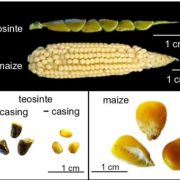
Plant Science Research Weekly: January 13, 2023
WWR Full PostAn RNA world
Annual Reviews editions typically start with a brief autobiographical essay by a noted scientist. The 2023 edition of Annual Reviews in Plant Biology includes a profile of David Baulcombe, the well-known scientist whose work was foundational in revealing the roles of small RNAs in gene…

An RNA world (Profile of David Baulcombe)
Community, Plant Science Research WeeklyAnnual Reviews editions typically start with a brief autobiographical essay by a noted scientist. The 2023 edition of Annual Reviews in Plant Biology includes a profile of David Baulcombe, the well-known scientist whose work was foundational in revealing the roles of small RNAs in gene regulation and…
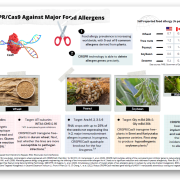
CRISPR vs Allergens
Blog, ResearchFood allergy prevalence is increasing worldwide, with 5 out of 9 common allergens derived from plants. CRISPR technology is able to delete allergen genes precisely. This graphic, designed by ASPB Plantae Fellow Daniel Alique García, outlines the current uses of CRISPR/Cas9 in deleting allergen genes…

Hidemasa Suzuki: The Plant Cell First Author
The Plant Cell: Author Profiles
Hidemasa Suzuki, first author of "Auxin signaling is essential for organogenesis but not for cell survival in the liverwort Marchantia polymorpha"
Current Position
Assistant professor at Tohoku University, Japan
Education
Ph.D. in Life Sciences, Graduate School of Biostudies, Kyoto University
Non-scientific…

Pengtao Yue: The Plant Cell First Author
The Plant Cell: Author Profiles
Pengtao Yue, first author of "Jasmonate Activates a CsMPK6-CsMYC2 Module that Regulates the Expression of β-citraurin Biosynthetic Genes and Fruit Coloration in Orange (Citrus sinensis)"
Current Position: Post-doc, Huazhong Agricultural University
Education: Ph.D., Shenyang Agricultural University
Non-scientific…
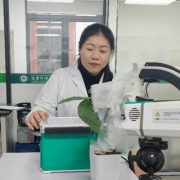
Yanran Sun: Plant Physiology First Author
Plant Physiology: Author Profiles
Yanran Sun, first author of "Short- and long-term responses of leaf day respiration to elevated atmospheric CO2"
Current Position: Master degree candidate, School of Geographical Sciences, Fujian Normal University
Education: 2016-2020 South China Agricultural University (Bachelor)
2020-now Fujian…