
Beyond selfing: floral trait selection and the irreplaceable role of pollinators
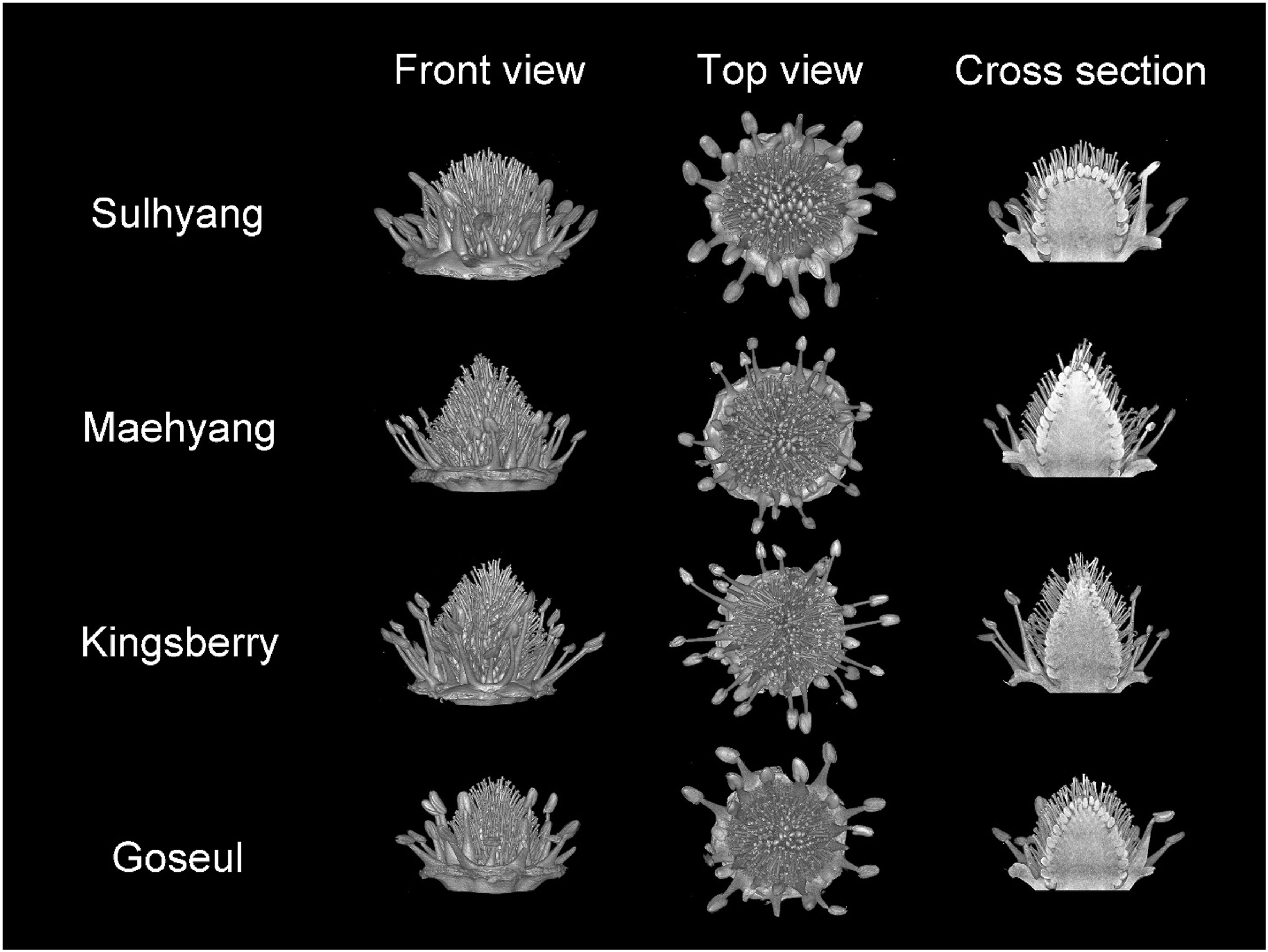 Self-pollination in many crop cultivars has been extremely useful for humans. It simplifies propagation, stabilizes traits, and supports reliable fruit production. But for many plant species, selfing comes with biological costs: reduced genetic diversity, inbreeding depression, and potential declines in long‑term resilience. In a new study of strawberries by Lee et al., the authors explore how selection for more efficient self-pollination could be strengthened through direct selection on flower morphology, particularly in conditions where pollinator visits are insufficient or unpredictable. They show that traits such as the distance between stigma and anthers, pollen viability, and the spacing between filament and receptacle strongly influence seed set and, therefore, overall fruit production. However, self-pollination still does not match the fruit yield achieved with the aid of pollinators. In short, selfing can help, but it cannot fully replace what pollinators provide. This research highlights a new path for improving crop productivity by optimizing floral traits for self-pollination. At the same time, it stresses a crucial message: even as we develop crops that can better self-fertilize, maintaining healthy pollinator communities remains essential. (Summary by Ale Lombardi @alepanda.bsky.social ) Plant Physiology and Biochemistry 10.1016/j.plaphy.2026.111057