
Why plant diversity is the future of sustainable agriculture
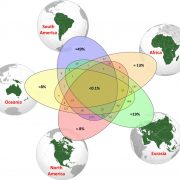
 The interactions between different types of plants, pests, and the predators that hunt them shape the health of entire landscapes, but it has been hard to predict what happens when you mix more plant species into different environments. Here, Wan et al. analyzed massive amounts of data from field studies from across the world to untangle these food chain relationships in everyday farmland, grasslands, and forests. They discovered that adding plant variety has completely different ripple effects depending on whether land is farmed or wild. In agricultural fields, growing multiple crops acts like a magnet for beneficial insect predators and increases their population, suppressing pest populations to the benefit of crop yields. In contrast, in wild grasslands and forests where insects roam freely, having many different plant species simply creates more abundant food and living space for everyone, boosting the populations of both herbivores and their predators together. Overall, the study reveals that plant diversity acts as a natural pest control tool on farms but triggers plant productivity and maximizes higher-level consumer biodiversity in nature. Summary by Fengoula Avgeri, (https://x.com/AvgeriF) Science Advances (10.1126/sciadv.aeb86 )