


Conversion of Escherichia coli to generate all biomass carbon from CO2 (Cell)
Plant Science Research WeeklyPlants are photosynthetic autotrophs, meaning they use light energy to feed themselves, with carbon dioxide as a carbon source. Heterotrophs like E. coli require organic carbon. Here, Gleizer et al. have rewired the metabolism of E. coli to make it into a (non-photosynthetic) autotroph, meaning it can…

Review: Design and engineering of advanced plant optogenetics systems (TIPS)
Plant Science Research Weekly
Review: Design and engineering of advanced plant optogenetics systems
Optogenetics uses light-sensitive proteins to trigger specific outputs in the cell in response to particular wavelengths of light. Many optogenetic systems use chimeric proteins that contain different sensor and effector…

Biosynthesis of the nitrogenase active-site cofactor precursor NifB-co in Saccharomyces cerevisiae (PNAS)
Plant Science Research WeeklyNitrogenases are large, multisubunit enzymes that require complex metal cofactors. They are the only enzymes capable of fixing N2 into usable form, and are only produced by some archaea and bacteria; “nitrogen-fixing” legumes actually depend on the presence of their bacterial symbionts for this function.…
Perspective: Revolutionizing agriculture with synthetic biology (Nature Plants)
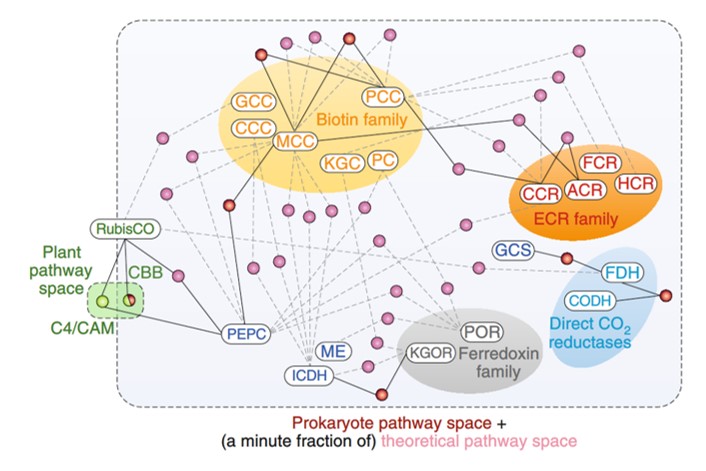
Plant Science Research WeeklyIn a new Perspective by Wurtzel et al., the authors lay out SynBio’s tremendous potential to transform agriculture. Consider how we might leverage the “vast design space that plants have not occupied.” As an example, plants employ two pathways to fix carbon, and prokaryotes another six, but scientists…

Synthetic biogenesis of chromoplasts from leaf chloroplasts (bioRxiv)
Plant Science Research WeeklyChromoplasts are a type of plastid, usually found in fruits and flowers, that can accumulate large amounts of carotenoids including beta-carotene (pro-vitamin A). It has been proposed that increasing chromoplast formation could be a way to enhance human consumption of vitamin A. In a new report, Llorente…
Dynamic control of plant water use using designed ABA receptor agonists (Science)
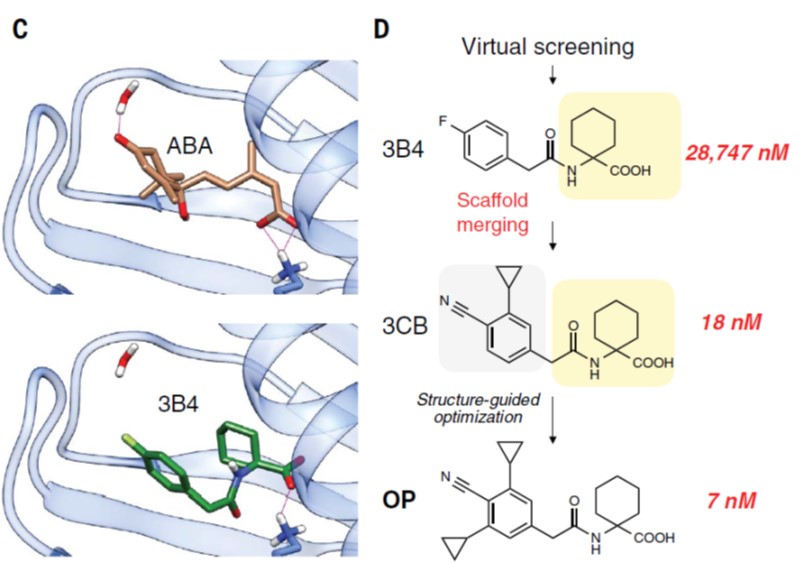
Plant Science Research WeeklyABA is synthesized in response to water stress and promotes stomatal closure, thus decreasing transpiration. Crop yields can be increased by controlling transpiration early in the growing season, ensuring that soil water resources persist through the seed-set period. Building upon earlier studies, Vaidya,…
How plants and synthetic biology could help us fight diabetes
Plant Physiology, Plant Physiology: News and Views, ResearchDr. Raimund Nagel
Iowa State University
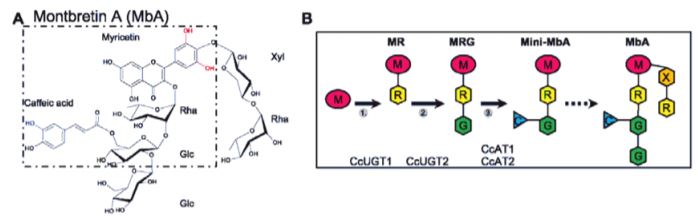
Plants produce a plethora of natural products that function as defensive compounds are frequently used by humans for medicinal purposes. A majority of these natural products, however, are either found in low concentrations, in slow growing plants, or are…
Deep conservation of cis-element variants regulating plant hormonal responses (Plant Cell)
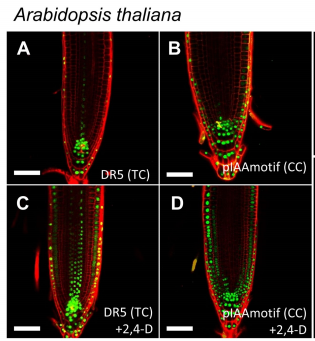
Plant Science Research WeeklyPromoter regions upstream of transcription start sites contain DNA regulatory elements (RE) crucial for the transcriptional control of gene expression. However, REs are short degenerated sequences with low conservation during evolution. In this paper, Lieverman-Lazarovich et al. studied REs in core hormone…

Interviews with Synthetic Biologists: Sunil Chandran, Amyris
BlogSynthetic biology is a set of tools, a way of thinking, the integration of engineering principles into biological sciences, and potentially the biggest opportunity for advances in plant sciences since PCR. Yet many struggle to define it, and fewer still grasp its full potential.
What is synthetic…