


TOPLESS mediates brassinosteroid control of shoot boundaries and root meristem development
Plant Science Research Weekly, Research0 Comments
/
Steroids play a role as essential hormones in plants as well as in animals. In plants, steroids termed brassinosteroids (BR) regulate plant growth and development. BR has been shown to be involved in many processes such as light response, stomata and root development, and flowering in plants. BR-regulated…
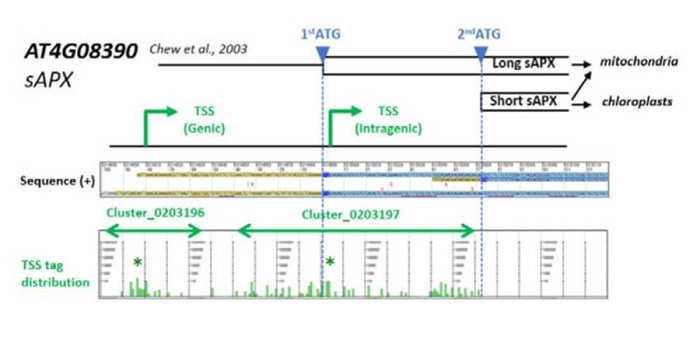
Identification of Arabidopsis genic and non-genic promoters
Plant Science Research Weekly, ResearchA promoter is a region that “determines the position, direction, frequency, and timing of transcription”. A cell can decode the sequence of the promoter to ensure appropriate transcription, but we still can’t. Tokizawa et al. performed a large-scale survey of promoters by sequencing regions upstream…
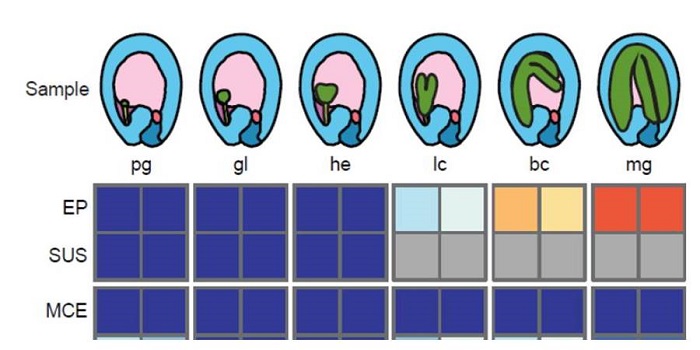
Commentary: Widespread contamination of Arabidopsis embryo and endosperm transcriptome datasets
Plant Science Research Weekly, ResearchKnowing where a gene is expressed provides valuable information about its function, but that information is compromised if the RNA source is contaminated by other tissues. Schon and Nodine investigated the extent to which Arabidopsis embryo and endosperm transcriptome datasets are affected by tissue…
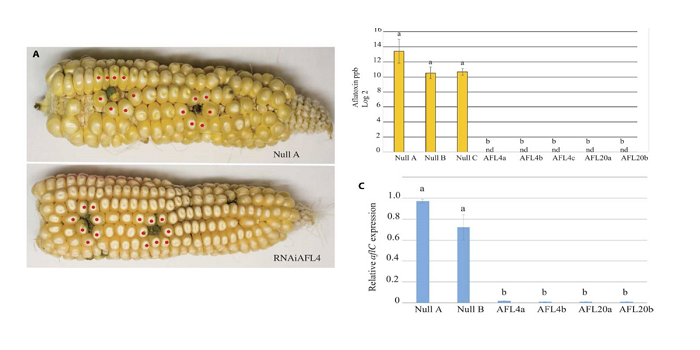
Aflatoxin-free transgenic maize using host-induced gene silencing
Plant Science Research Weekly, ResearchAflatoxins are toxic metabolites produced by some species of Aspergillus fungi that can occur on numerous crop plants. When ingested by animals, aflatoxins cause health problems including liver cancer and stunted growth. Thakare et al. used host-induced gene silencing (HIGS) to block aflatoxin production…
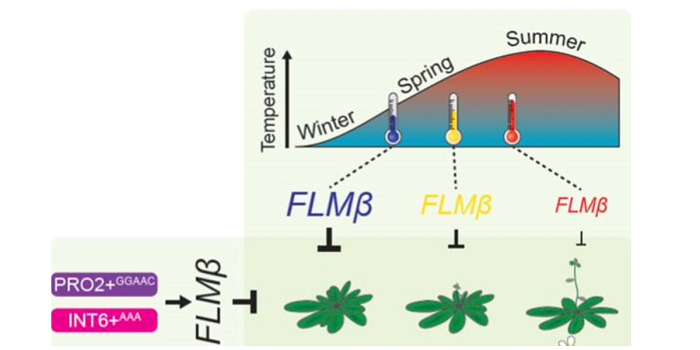
Natural haplotypes of FLM non-coding sequences fine-tune flowering time in two ambient spring temperatures in Arabidopsis
Plant Science Research Weekly, ResearchDelaying reproduction until conditions are favorable is a key to success. FLOWERING LOCUS C is a well-known regulator of flowering that delays flowering until after winter vernalization. In the spring, FLOWERING LOCUS M (FLM) fine-tunes flowering time in response to ambient temperatures between 5ºC…
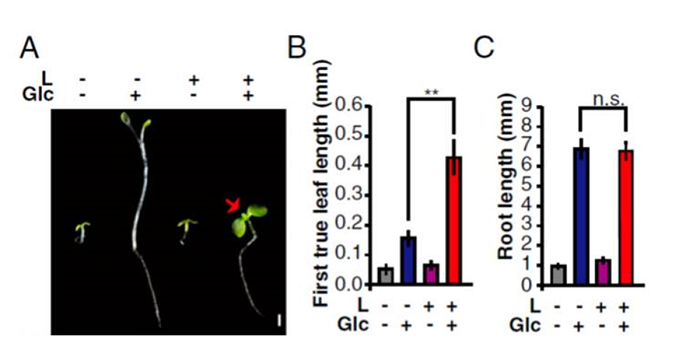
Differential TOR activation and cell proliferation in Arabidopsis root and shoot apexes
Plant Science Research Weekly, ResearchGrowth and cell proliferation at the shoot and root apexes are regulated by diverse factors including hormones, nutrients, and light. Previously, the protein kinase TOR (Target of Rapamycin), a transducer of glucose energy signals, was shown to phosphorylate and activate the transcription factor E2Fa,…
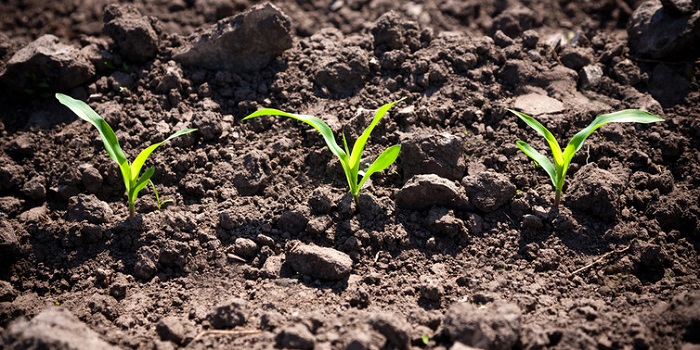
How a kernel of corn may yield answers into some cancers (by Kevin Folta)
Blog, Research, Research BlogThis article was originally published on The Conversation. Read the original article.
By Kevin M. Folta, University of Florida
Driving down a country highway in the Midwest can seem an endless ribbon flanked by green walls of corn, neatly planted in stately rows. But who would guess…
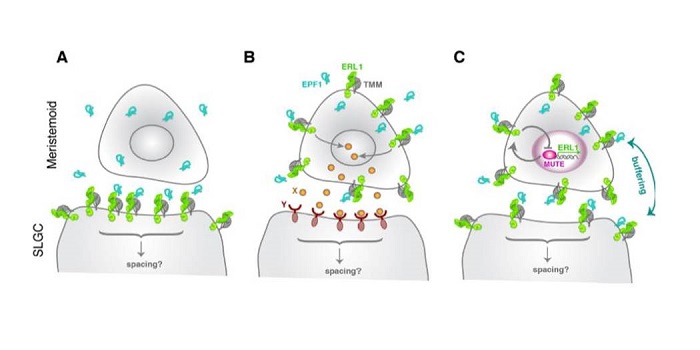
Autocrine regulation of stomatal differentiation potential by EPF1 and ERECTA-LIKE1 ligand-receptor signaling
Plant Science Research Weekly, ResearchThe patterning of stomata in epidermal tissues involves both positive and negative cues, as revealed by the phenotypes of mutants including too many mouths and speechless, but the precise interactions between identified gene products are still not fully resolved. Qi et al. explore the interactions between…

Dual role of the histone variant H2A.Z in regulation of stress-response genes
Plant Science Research Weekly, ResearchHistones are protein complexes around which genomic DNA is wrapped; post-translational modifications to histone proteins and alterations of histone protein composition affect transcription. H2A.Z is a widely conserved variant form of histone H2A that has been implicated in various forms of transcriptional…