

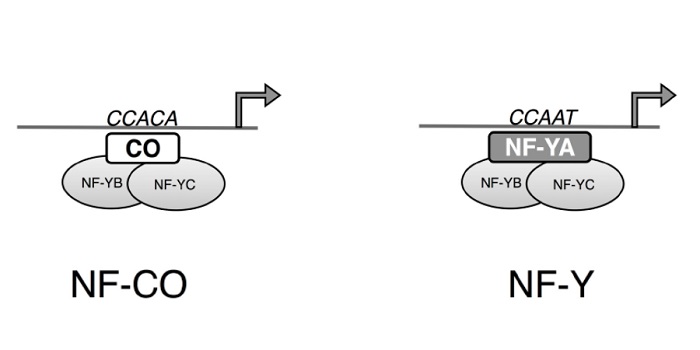
CONSTANS Companion: CO Binds the NF-YB/NF-YC Dimer and Confers Sequence-Specific DNA Binding
Blog, Research, The Plant Cell, The Plant Cell: In Brief0 Comments
/
One of the central players in the complex regulation of flowering, CONSTANS (CO) functions as a center for integration of the various signals that determine the timing of flowering. As output, CO regulates the expression of FLOWERING LOCUS T (FT) and other genes (reviewed by Shim et al., 2017). CO contains…
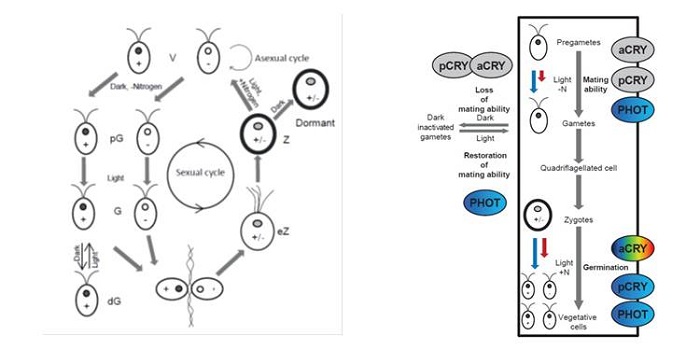
A plant cryptochrome controls key features of the Chlamydomonas circadian clock and its life cycle
Plant Science Research Weekly, ResearchAnimals and plants have divergent sets of blue light receptors, called Cryptochromes. However, green alga Chlamydomonas has both animal-like and plant cryptochrome (pCRY). The presence of multiple cryptochrome suggests specific roles in different pathways in respective organisms. In this paper, Müller…
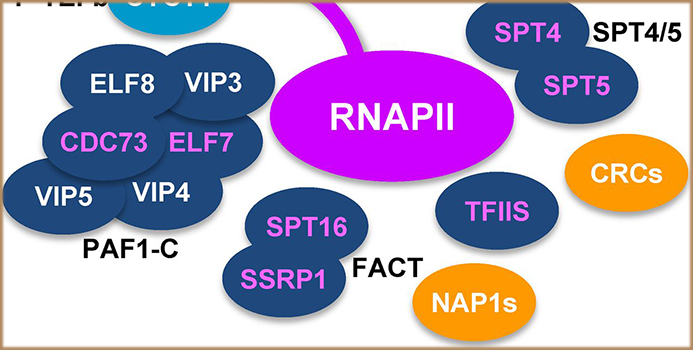
The composition of the Arabidopsis RNA Polymerase II Transcript Elongation Complex reveals the interplay between elongation and mRNA processing factors
Plant Science Research Weekly, ResearchGene expression is regulated at multiple levels such as genome, transcription, RNA processing and nuclear export, translation, and post-translation. Functional mRNA levels are regulated at transcription stage where RNA polymerase II (RNAPII) controls initiation and elongation of mRNA. In particular,…

How Calcium Signals Early Warning
Research, The Plant Cell, The Plant Cell: In a NutshellLiu et al. uncover a direct link between calcium signaling and a plant immune receptor http://www.plantcell.org/content/29/4/746.abstract
Plants have evolved a sophisticated system to defend against pathogen attack that involves recognition of an invading pathogen and activation of the immune system.…
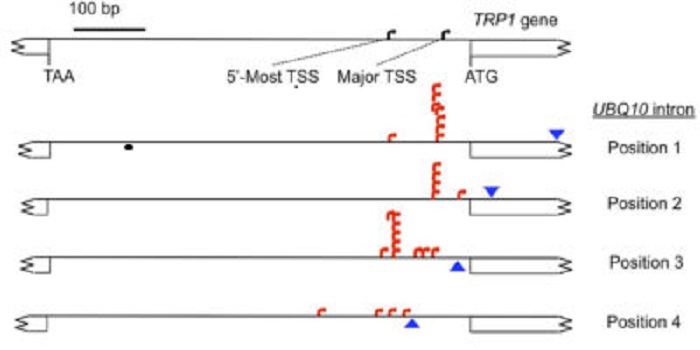
A Surprising Function for Gene Introns
Research, The Plant Cell, The Plant Cell: In a NutshellGallegos and Rose investigate how introns affect transcript initiation http://www.plantcell.org/content/29/4/843.abstract.
For the information stored in the DNA of genes to be converted into functional protein products, first a molecular copy of the information called messenger RNA is made, using…
Intricacies of Transcription Elongation
Research, The Plant Cell, The Plant Cell: In a NutshellAntosz et al. provide insight into the complex process of transcription elongation by RNA polymerase II http://www.plantcell.org/content/29/4/854.abstract
The genetic blueprint for the production of proteins is stored in the DNA of a plant cell. In a first step, the enzyme RNA polymerase II generates…
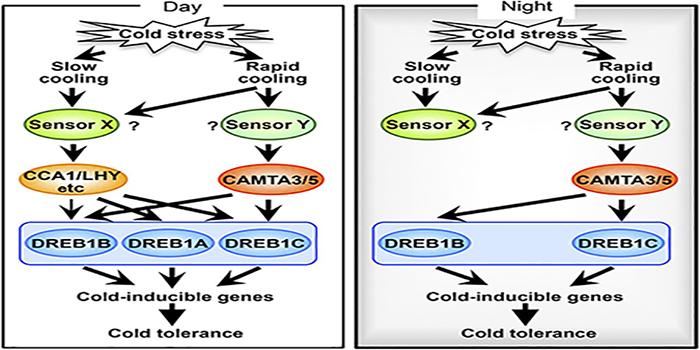
How Plants Sense Cold and Activate Cold Tolerance
Research, The Plant Cell, The Plant Cell: In a NutshellKidokoro et al. investigate how plants sense cold and activate cold tolerance http://www.plantcell.org/content/29/4/760.abstract.
Cold stress can be just as lethal as heat stress. When a cell freezes, the water inside it expands as it turns to ice. This can cause the cell membrane to rupture and lead…
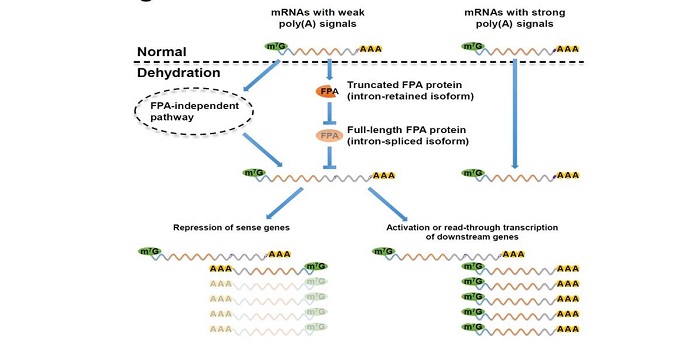
Dehydration stress extends mRNA 3′ UTRs with noncoding RNA functions ($)
Plant Science Research Weekly, ResearchSun et al. observed that under dehydration stress, many genes showed a 3′ untranslated region (3′ UTR) extension of roughly 200 – 800 nucleotides. The outcome of these extensions appears to be the regulation of other genes. For example, through their extension, many (more than 600) of the extended…
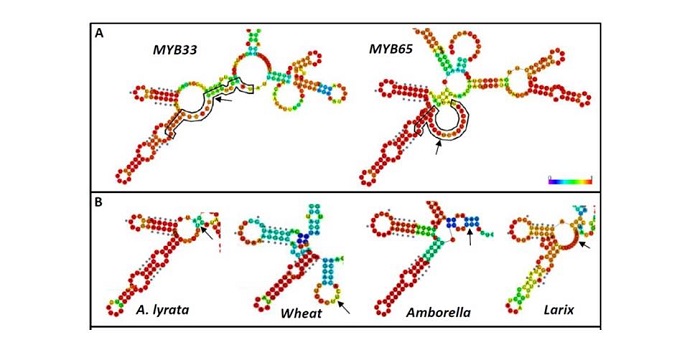
Target RNA secondary structure is a major determinant of miR159 efficacy
Plant Science Research Weekly, ResearchThe interactions with microRNAs (miRNAs) and their targets in plants is assumed to be dependent largely on complementarity between the two RNAs. Zheng et al. investigated the interactions between miR159 and its putative targets, mRNA of several MYB genes, each with similar complementarity to the miRNA.…