

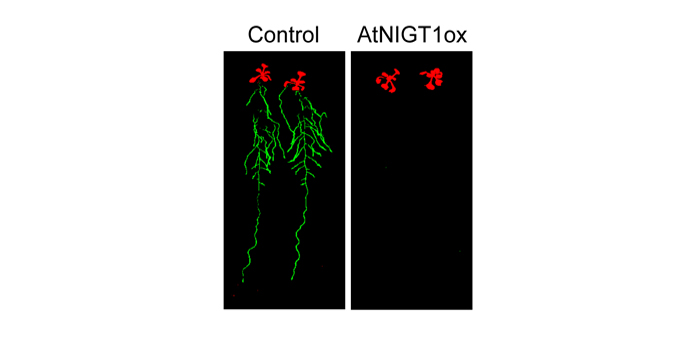
A Brake For Nitrogen Starvation Responses
Research, The Plant Cell, The Plant Cell: In a NutshellKiba et al. focus on transcriptional regulation of nitrogen starvation responses. Plant Cell https://doi.org/10.1105/tpc.17.00810
By Takatoshi Kiba
Background: Nitrogen availability in the soil profoundly affects plant growth and productivity, and thus crop yield. To meet expanding food demands,…
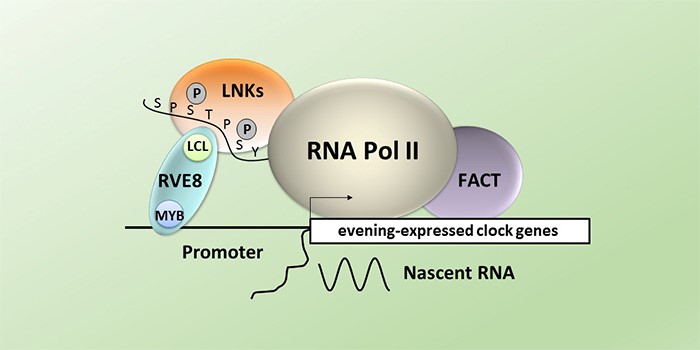
How Plants Generate Circadian Rhythms in Transcription
Research, The Plant Cell, The Plant Cell: In a NutshellMa et al. investigate a protein complex that controls steady-state mRNA circadian oscillations https://doi.org/10.1105/tpc.18.00052
By Yuan Ma, Sergio Gil, Klaus D. Grasser and Paloma Mas
Background: Circadian clocks are internal time-keeping mechanisms that help organisms to adapt to the…
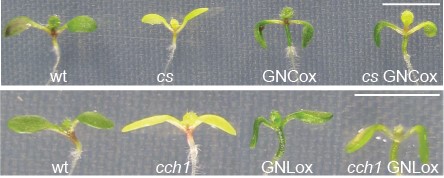
B-GATAs Fine Tune Greening
Research, The Plant Cell, The Plant Cell: In a NutshellBastakis et al. investigate control of the greening process in Arabidopsis https://doi.org/10.1105/tpc.17.00947.
By Emmanouil Bastakis
Background: The greening of the plants is based on the synthesis and accumulation of the chlorophylls, which takes place in chloroplasts. Chlorophylls capture…
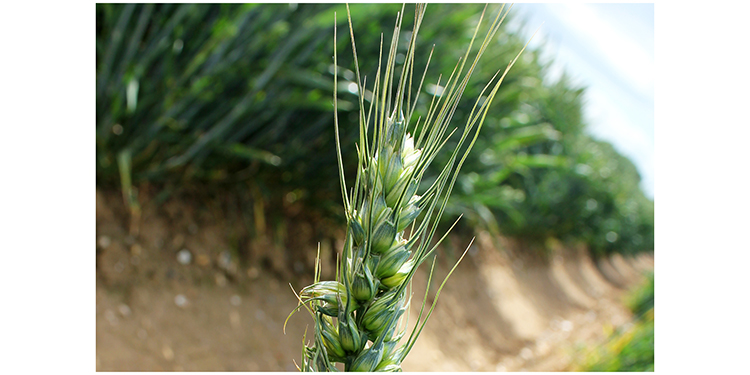
TEOSINTE BRANCHED1 and Wheat Inflorescence Architecture
Research, The Plant Cell, The Plant Cell: In a NutshellDixon et al. (2018) investigate the regulation of wheat inflorescence architecture by TEOSINTE BRANCHED1. Plant Cell https://doi.org/10.1105/tpc.17.00961
Background: Grass inflorescences are composed of many seed-producing flowers (or florets) that are arranged on branches called spikelets. The number…
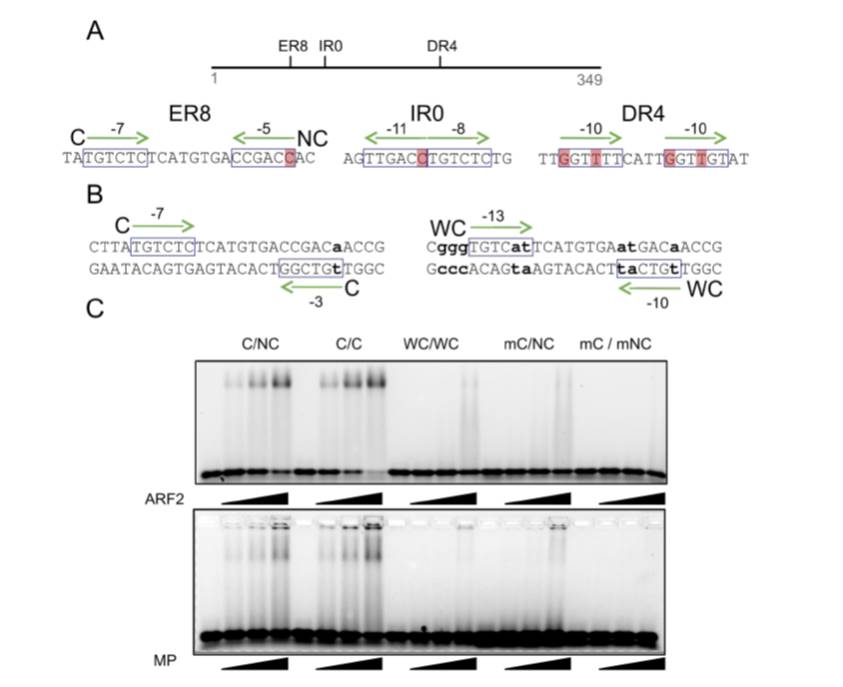
Capturing auxin response factors syntax using DNA binding models (bioRxiv)
Plant Science Research WeeklyAuxin Response Factors (ARFs) are transcription factors that bind to ARF binding sites (ARFbs) to mediate auxin responses. Stigliani et al. analzyed experimentally determined DNA interactions of two ARFs, the repressor ARF2 and the activator MP. They found that the binding site data are best interpreted…
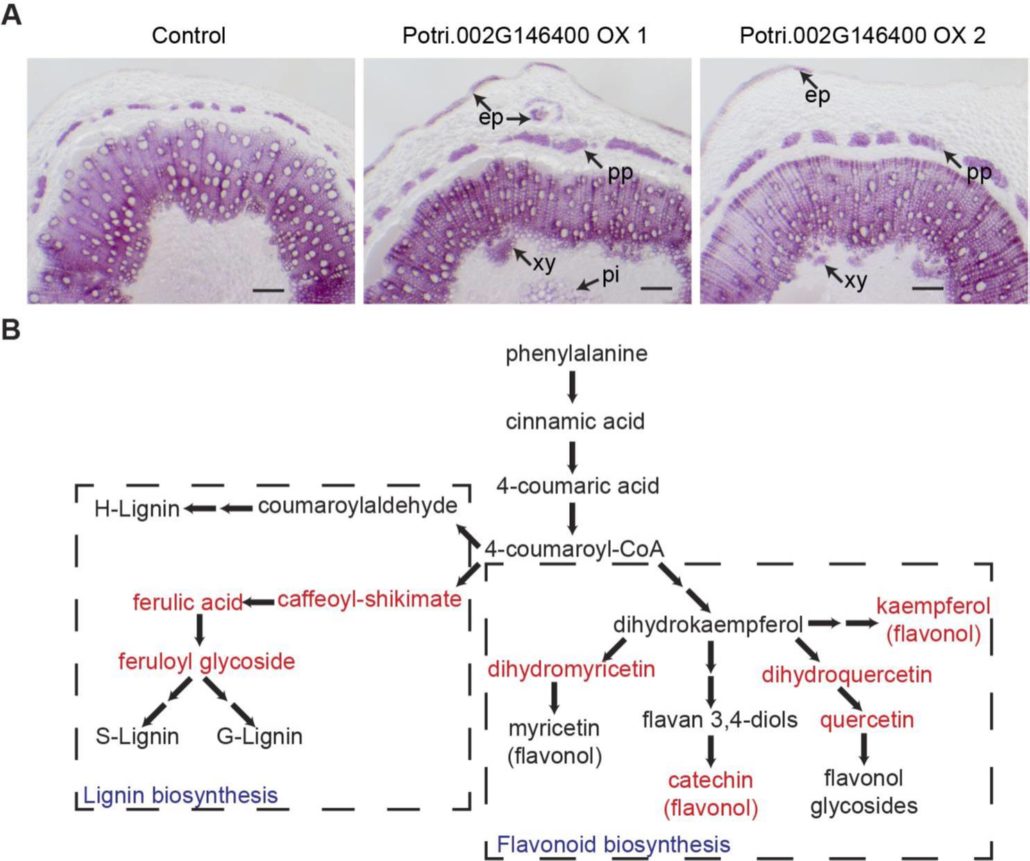
A 5-enolpyruvylshikimate 3-phosphate synthase functions as a transcriptional repressor in Populus
Plant Science Research WeeklyHere’s a fascinating story; starting with an association study, Xie et al. found that a protein previously identified as an enzyme involved in phenylpropanoid metabolism (specifically, 5-enolpyruvylshikimate 3-phosphate synthase, EPSP) also acts as a transcriptional regulator of this pathway, not only…
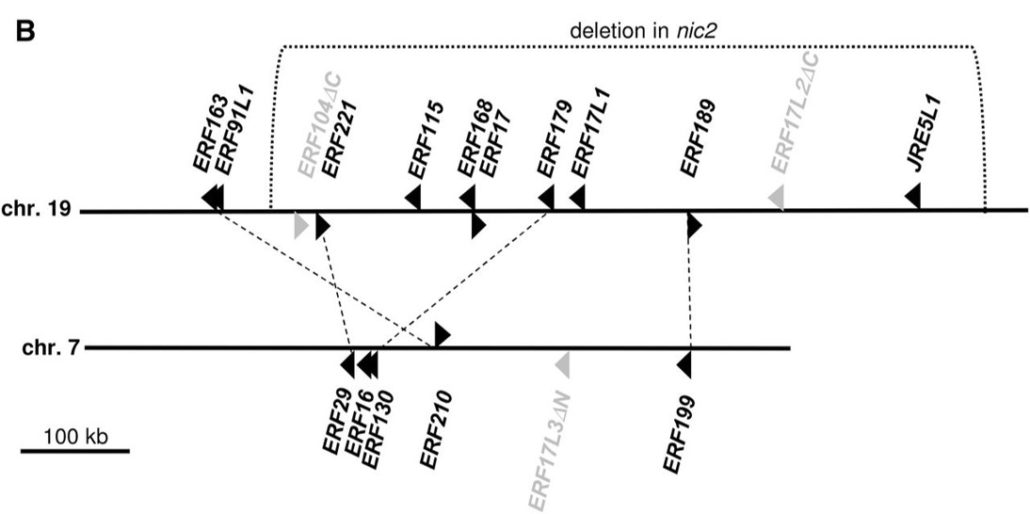
Genomic Insights into the Evolution of the Nicotine Biosynthesis Pathway in Tobacco (OA)
Blog, Plant Science Research Weekly, ResearchPlant Physiol. Nicotine is a NAD-related secondary alkaloid found in high concentration in the leaves of the tetraploid tobacco plant (Nicotiana tabacum).
The recent sequencing of the N. tabacum genome allowed a comprehensive analysis of genes involved in NAD and nicotine biosynthesis. The analysis…
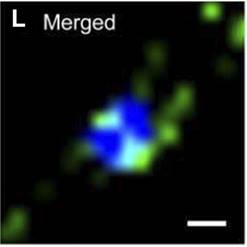
Live-Cell Imaging of Mobile RNAs in Plants
Plant Physiology, Plant Physiology: News and ViewsOne of the most exciting findings in the past few decades is the discovery that individual mRNAs and noncoding RNAs can act as long-distance signaling messengers traveling cell to cell to distant sites in the plant. Numerous examples unveiled the involvement of endogenous RNAs as non-cell-autonomous…

Adjusting Boron Transport by Two-Step Tuning of Levels of the Efflux Transporter BOR1
Plant Physiology, Plant Physiology: News and ViewsBoron is an essential plant micronutrient with the narrowest optimal range in the soil of any micronutrient. At neutral pH, boron is present as uncharged boric acid, B(OH)3, which can freely penetrate membranes. Boron plays an important role in cross-linking cell wall components, but boron starvation…