

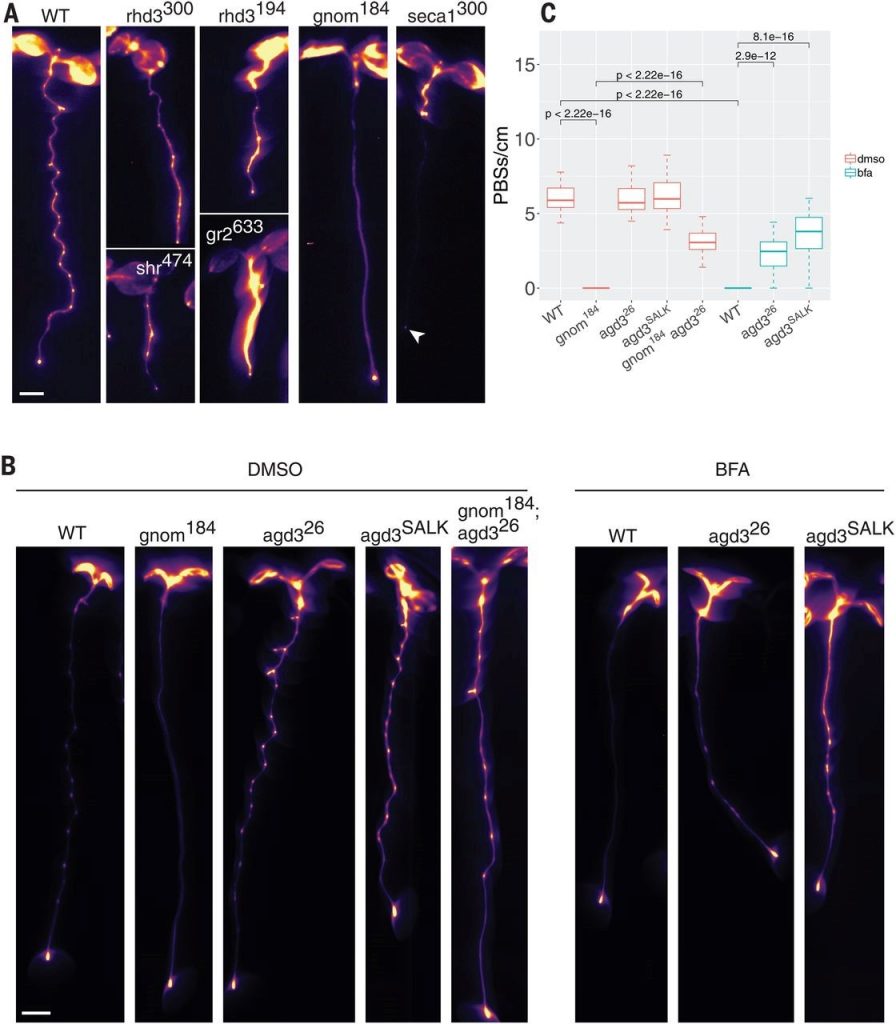
Cell wall remodeling and vesicle trafficking mediate the root clock in Arabidopsis (Science)
Plant Science Research WeeklyCell wall remodeling and vesicle trafficking mediate the root clock in Arabidopsis
Living organisms use biological clocks that are coordinated by temporal signals (time) and positional cues (space) during growth and development. In plants, the ‘root clock’ is generated by a mechanism involving…
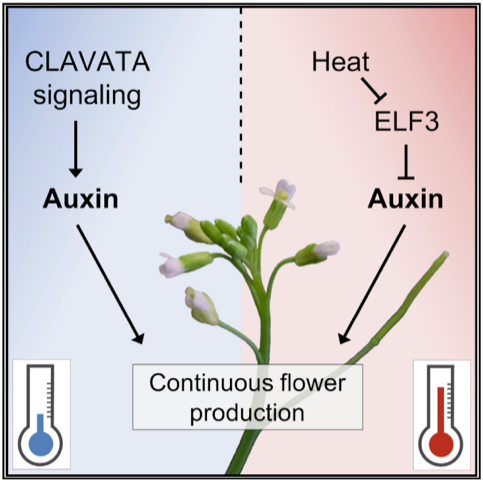
CLAVATA signaling ensures reproductive development in plants across thermal environments (Curr. Biol.)
Plant Science Research WeeklyPlant reproduction and development requires robust signaling pathways that integrate environmental queues such as temperature. In Arabidopsis, the formation of flower primordia from the inflorescence meristem (IM) depends on the proliferation/ differentiation balance and is regulated by auxin and the…

CAMEL in the canal: Regulation of PIN proteins during canalization (Science)
Plant Science Research WeeklyAuxin transport during development or wound regeneration is known to require auxin-induced channel or ‘canal’ formation that includes polar localization of PIN auxin transport proteins. Hajný and colleagues have characterized a receptor-like kinase (RLK) complex involved in auxin-induced pattern…
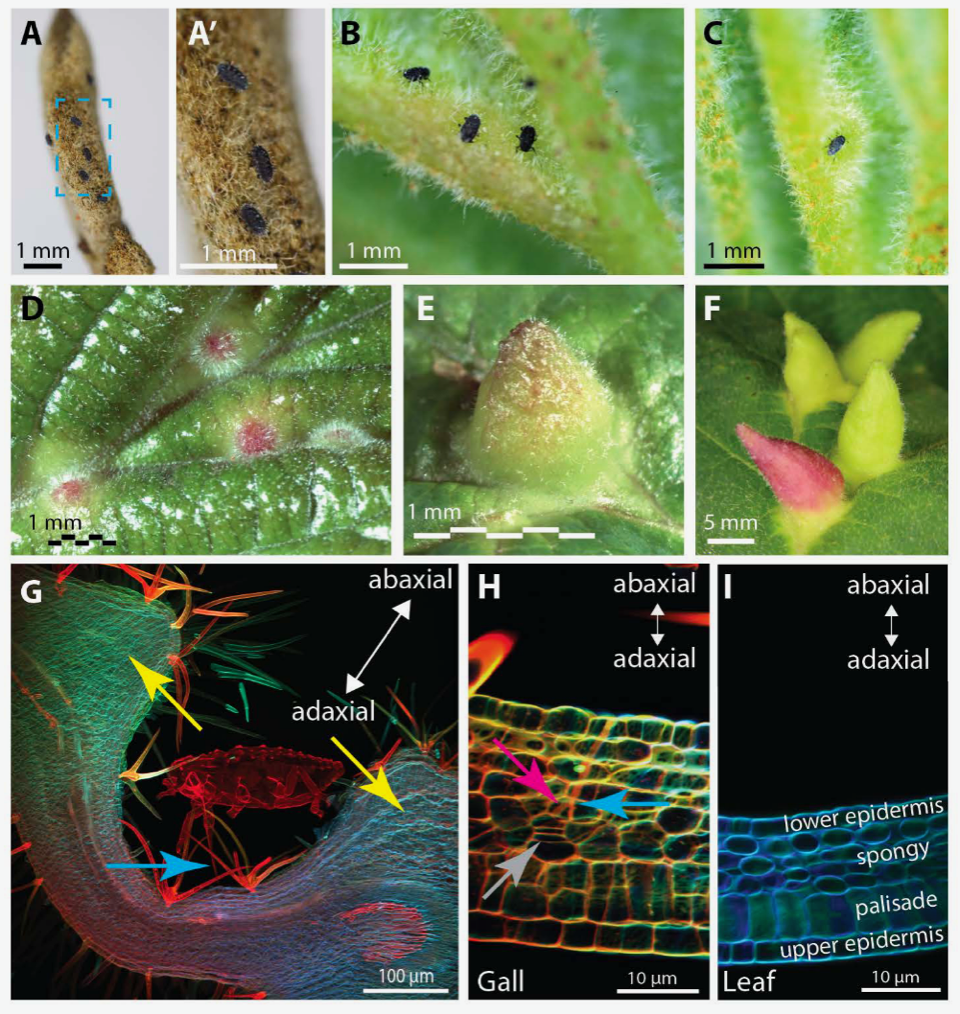
A novel family of secreted proteins linked to plant gall development (bioRxiv)
Plant Science Research WeeklyInsect-induced galls are abnormally patterned plant organs that provide insects with protection and a nutrient source, yet mechanisms underlying the development of these unique organs are mostly unknown. To identify insect factors that govern gall pattering, Korgaonkar et al. turned to the natural variation…
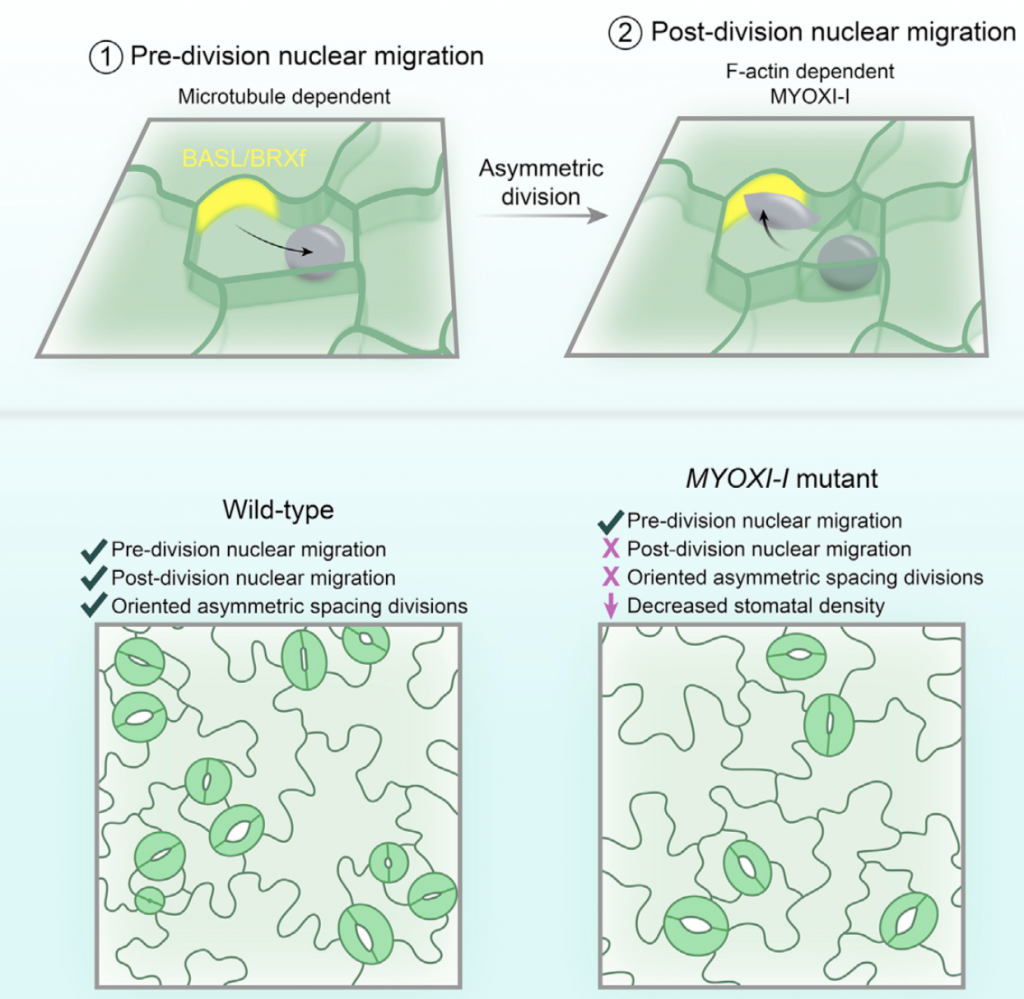
Opposing, polarity-driven nuclear migrations underpin asymmetric divisions in stomatal patterning (Curr. Biol.)
Plant Science Research WeeklyAsymmetric cell divisions (ACDs) are often used by organisms to generate different cell sizes, each adopting a different cell fate. In plants, stomatal development provides an example of an ACD-derived patterning mechanism. Several proteins are known to be implicated in ACDs, like BREAKING OF ASYMMETRY…

Review: Gemma cup and gemma development in Marchantia polymorpha (New Phytol.)
Plant Science Research Weekly
Plants have the astounding capacity to generate new plants derived from specialized organs (i.e., roots, leaves, and stems). This capacity, known as vegetative propagation, is used by horticulturists and farmers to propagate clonal varieties. This form of reproduction is fueled by the ability to…

A GRF–GIF chimeric protein improves the regeneration efficiency of transgenic plants (Nature Biotechnol.)
Plant Science Research Weekly
Producing a genetically-modified or -edited plant requires two distinct processes: DNA modification, followed by regeneration of a plant from the edited cells. The first process has been greatly enhanced by CRISPR/Cas9, but the second has continued to present challenges. Here, Debernardi et al. demonstrate…

Transcriptional regulation of PLETHORA1 in the root meristem through an importin and its two antagonistic cargos (Plant Cell)
Plant Science Research Weekly
Plant root growth is sustained by stem cells in the root meristems, and the stem cell fate is maintained by the quiescent center (QC). PLETHORA (PLT) protein gradients contribute to maintaining the root meristem cell fate, although the transcriptional regulatory mechanism that establishes the PLT…
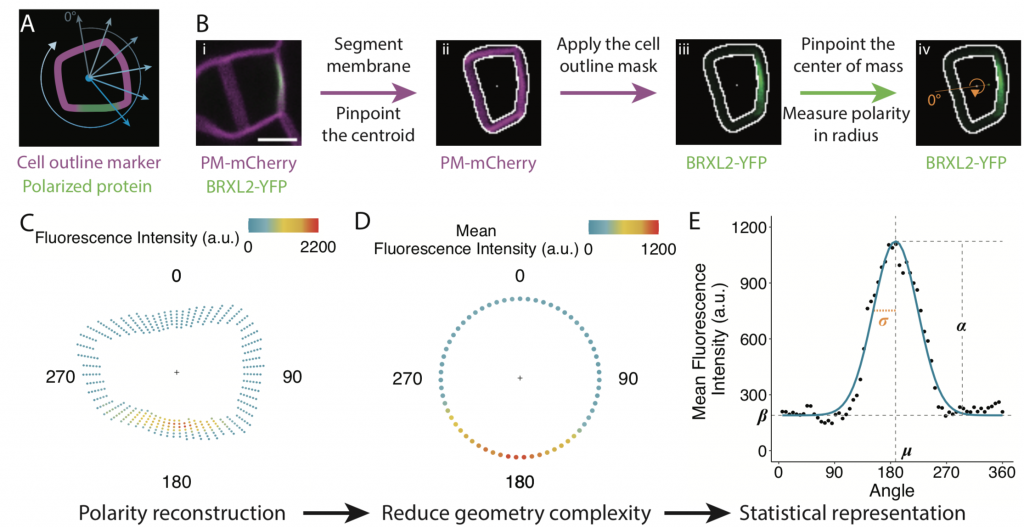
POME: Quantitative and dynamic cell polarity tracking pipeline (bioRxiv)
Plant Science Research WeeklyMany proteins polarize in the cell creating a subcellular niche for various functions. Asymmetric distribution of proteins is a general mechanism for localized growth, directional long-range signaling, cell migration, and asymmetric cell divisions. Well-known examples of polarity proteins include PIN-FORMED1…