

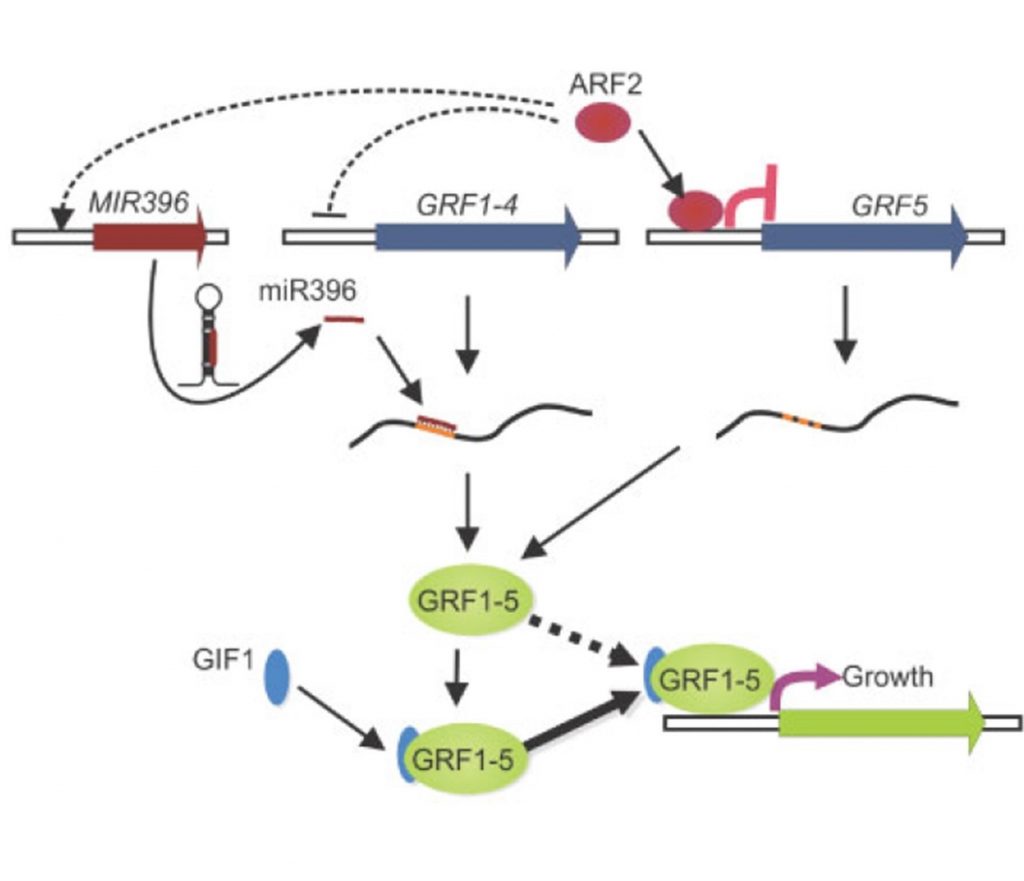
A complementary mechanism to the microRNA-mediated control of leaf size (Plant Physiol)
Plant Science Research WeeklyPlants form leaves with highly reproducible sizes and shapes by employing a conserved set of developmental regulators. During early leaf growth, a zone of high cell proliferation is formed towards the proximal end of the lamina. Proliferating cells progressively exit this zone and enter the distal…
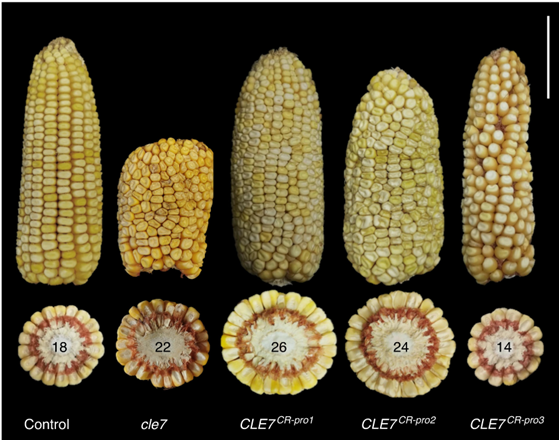
Enhancing grain-yield-related traits by CRISPR-Cas9 promoter editing of maize CLE genes (Nature Plants)
Plant Science Research WeeklyDuring domestication of maize, one of the favorable traits was meristem size. Understanding the genetic circuit of maize meristem development and engineering for crop productivity are important from an agricultural perspective. In this article, Lie et al. used CRISPR-Cas9 to edit the promoter regions…

Gene expression signatures during leaf development
The Plant Cell: In a NutshellMartinez et al. use laser capture microdissection and transcriptomic sequencing to explore how gene expression patterns regulate early morphogenesis of the compound tomato leaf. http://bit.ly/3nehiZu
By Ciera Martinez, University of California, Berkeley
Neelima Sinha, University of California,…
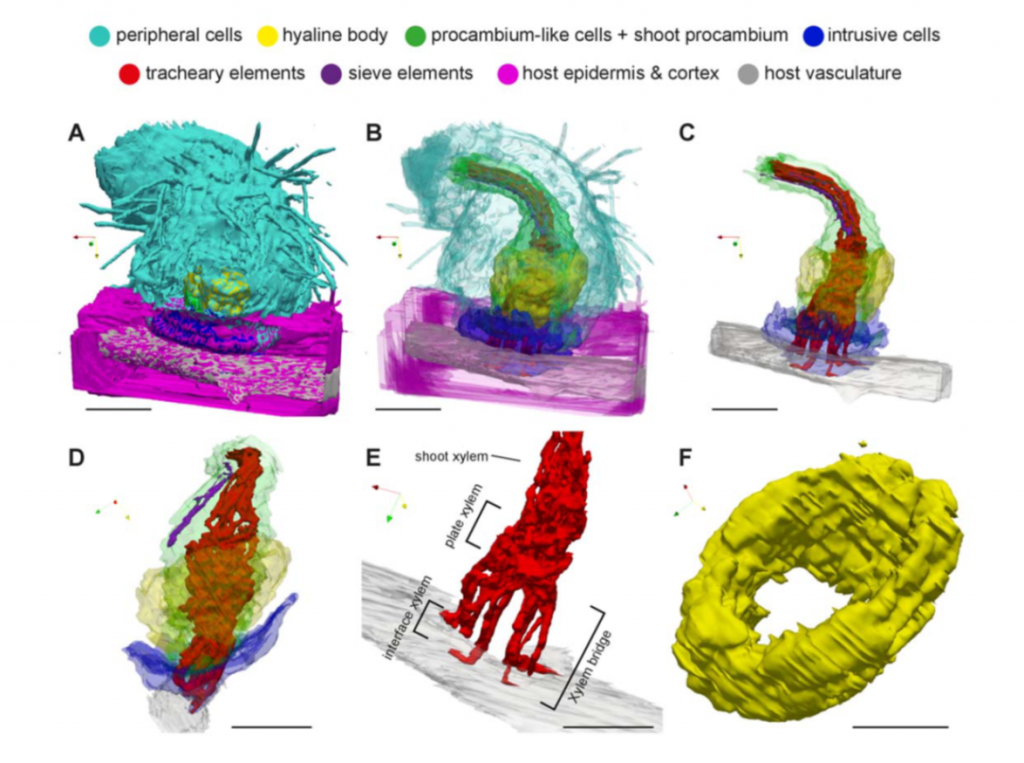
Three-dimensional reconstructions of haustoria in two parasitic plant species in the Orobanchaceae (Plant Physiol)
Plant Science Research WeeklyParasitic plants form haustoria, which are specialized multicellular structures that penetrate into their host’s vasculature and act as conduits for nutrients. The molecular and genetic contributors to haustorium development and function are well described. Here, Masumoto et al. have provided new…
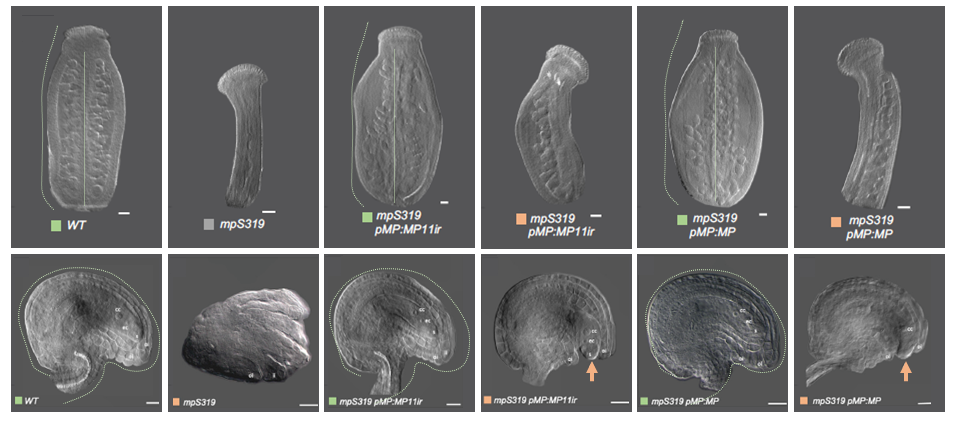
Alternative splicing generates a MONOPTEROS isoform required for ovule development (Curr. Biol.)
Plant Science Research Weekly
Auxin shapes the plant body and drives the formation of lateral organs such as roots and ovules. In the current model, AUXIN RESPONSE FACTORs (ARFs) are transcription factors that regulate plant growth by activating signaling in an auxin dose-dependent manner, regulated by Aux/IAA proteins. Here,…

A long shot: Photosynthesis-derived systemic signal controls lateral root emergence (Plant Physiol.)
Plant Science Research WeeklyPhotosynthesis, in addition to generating ‘food’ for plants, is also known to control root growth, although the mechanism has been unknown. Duan and co-workers identified CYCLOPHILIN38 (CYP38) as necessary for photosynthesis-mediated lateral root (LR) emergence. The chloroplast-localized CYP38 is…
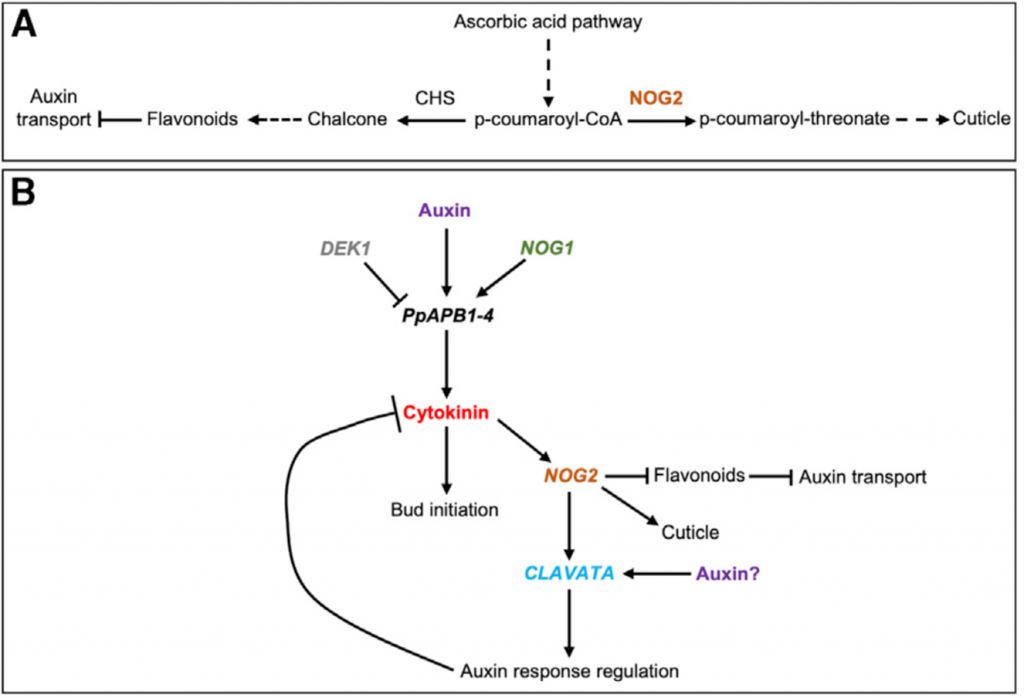
NO GAMETOPHORES 2 is a novel regulator of the 2D to 3D growth transition in the moss Physcomitrella patens (Curr. Biol.)
Plant Science Research Weekly
Three-dimensional (3D) growth was an essential evolutionary innovation that allowed the radiation and diversification of land plants. In most land plants the transition from two-dimensional (2D) to 3D growth takes place during embryo development and its disruption results in lethality, however, the…
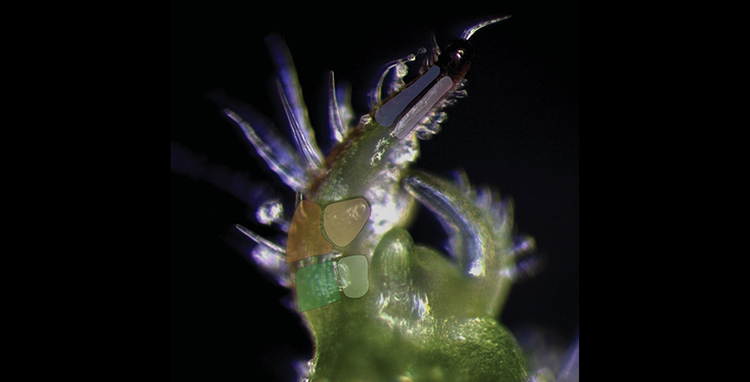
Gene expression signatures during leaf development
Blog, Research, The Plant Cell, The Plant Cell: In a NutshellMartinez et al. use laser capture microdissection and transcriptomic sequencing to explore how gene expression patterns regulate early morphogenesis of the compound tomato leaf. https://bit.ly/3nehiZu
By Ciera Martinez, University of California, Berkeley
Neelima Sinha, University of California,…
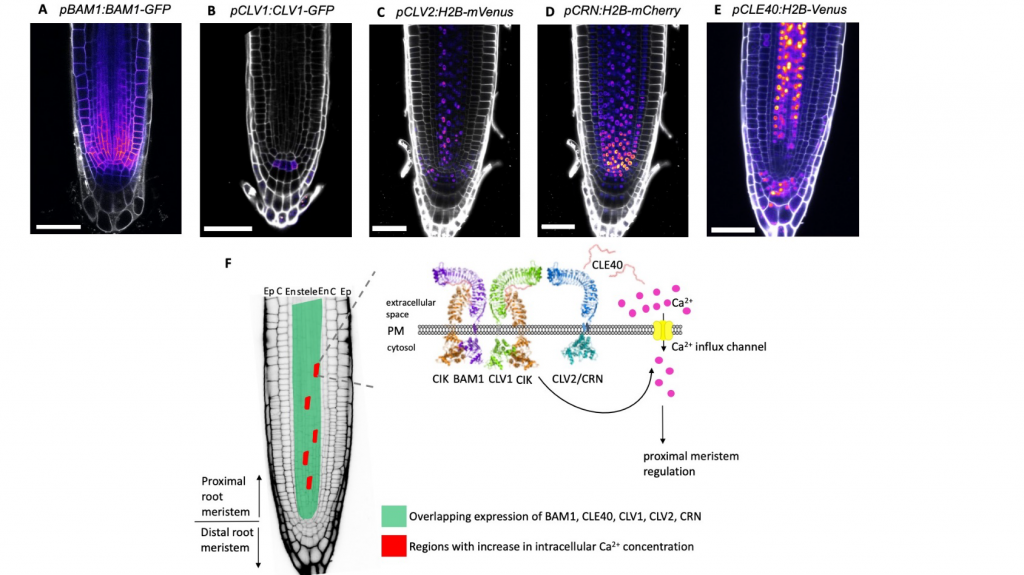
CLE40 induces localized root Ca2+ transients through CNGC9 (bioRxiv)
Plant Science Research WeeklyCLE40 induces localized root Ca2+ transients through CNGC9
Growth and differentiation of cells in the meristematic region are tightly regulated by different signaling pathways. In the root meristem, the small peptide CLE40 acts as a ligand that binds to cell surface receptors and regulates cellular…